 Skip to content
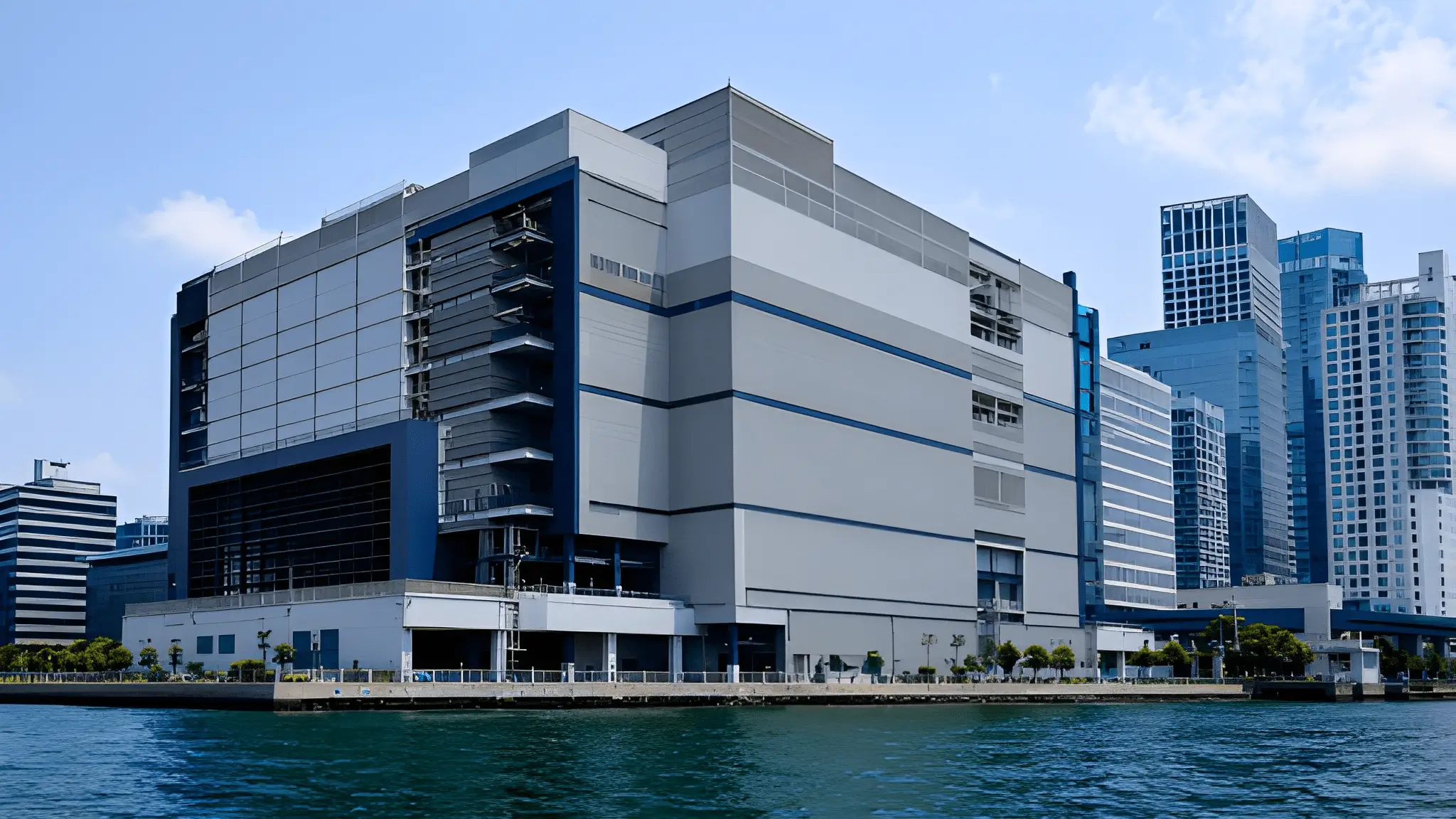
CapitaLand Ascendas REIT (CLAR) has agreed to sell one of its long-held Singapore data center assets in a transaction that highlights how infrastructure owners are increasingly recycling mature digital assets to fund the next phase of expansion. The company will divest the Kim Chuan Telecommunications Complex at 38 Kim Chuan Road for approximately S$200.4 million (US$155.2 million) to an unnamed third-party buyer. The transaction is expected to complete during the second half of 2026, subject to customary closing conditions. The deal represents a significant capital gain for the REIT while reinforcing its broader investment strategy across developed markets.

The sale price marks a notable increase from the S$100 million (US$77.46 million) CLAR paid when it acquired the property in March 2005. Over two decades, the asset appreciated substantially as Singapore strengthened its position as one of Asia’s most important digital infrastructure markets. Rather than simply exiting a legacy property, the REIT is converting a mature investment into capital that can support future acquisitions, redevelopment programs, and portfolio upgrades. The move reflects a broader trend among infrastructure investors seeking to optimize portfolios as demand for modern data center capacity evolves.
Kim Chuan Facility Ends Two-Decade Ownership
The Kim Chuan Telecommunications Complex is a 10-story facility offering approximately 35,455 square meters (381,635 square feet) of gross floor area. According to CapitaLand, the building remained occupied by a single tenant from its acquisition in 2005 until April 30, 2026. The property’s long-term occupancy provided stable returns throughout CLAR’s ownership period. Now, the company is shifting its focus toward opportunities that can deliver stronger long-term value creation.
William Tay, CEO and Executive Director of CapitaLand Ascendas REIT Management Limited, said, “This divestment underscores our disciplined approach to portfolio optimization and capital recycling. It will enhance CLAR’s financial flexibility to invest in accretive opportunities and strengthen the quality of the portfolio. Singapore remains a key market for CLAR as we continue to build a globally diversified portfolio. We will continue to invest strategically in Singapore and other developed markets, supported by redevelopments and asset enhancement initiatives, to drive long-term returns for unitholders.” His remarks underscore the REIT’s emphasis on maintaining exposure to Singapore while redeploying capital into higher-value investments across its international footprint.
Asset Has Deep Links to Singtel’s Infrastructure History
The Kim Chuan property has played an important role in Singapore’s telecommunications infrastructure for decades. CLAR acquired the facility in 2005 from Singtel as part of a broader portfolio transaction involving multiple assets. At the time, Singtel operated the Kim Chuan Telecommunications Complex alongside the neighboring facility at 38A Kim Chuan Road, commonly known as KCTC-2. In 2009, Singtel partnered with Ascendas Real Estate Investment Trust to develop the KCTC-2 data center as demand for enterprise hosting and telecommunications infrastructure continued to grow. Over the years, however, the telecommunications operator gradually began moving away from older infrastructure as it modernized its network footprint. The sale of KCTC-1 aligns with that longer industry transition, where legacy facilities increasingly make way for next-generation digital infrastructure investments.
CapitaLand estimates that the transaction will generate approximately S$180 million (US$139.4 million) in net proceeds after accounting for associated costs. The company outlined several intended uses for the capital, including funding committed investments, reducing debt obligations, extending loans to subsidiaries, supporting working capital requirements, financing general corporate activities, and making distributions to unitholders. Consequently, the divestment provides management with greater financial flexibility without reducing its strategic commitment to Singapore. Capital recycling has become an increasingly important tool for large real estate investment trusts operating in the digital infrastructure sector. Selling mature assets at attractive valuations enables operators to redirect funds toward projects offering stronger growth potential, particularly as hyperscale computing, AI infrastructure, and cloud demand continue driving investment into newer facilities.

CLAR Continues Expanding Global Digital Infrastructure Portfolio
Although the Kim Chuan Telecommunications Complex is leaving its portfolio, CLAR remains one of Asia’s most established industrial and business space REITs. The trust, originally launched as Ascendas REIT, became Singapore’s first listed business space and industrial REIT when it debuted on the Singapore Exchange in November 2002. Since then, it has expanded significantly across multiple international markets. Today, CLAR owns more than 229 properties worldwide, spanning logistics, industrial, business park, and digital infrastructure assets. Beyond Singapore, the REIT also operates approximately a dozen data centers across Europe, reflecting its strategy of maintaining a geographically diversified portfolio capable of serving evolving enterprise and cloud infrastructure demand.
CapitaLand Group Pte. Ltd., the sponsor behind the REIT, remains one of Asia’s largest real estate investment managers. Headquartered in Singapore and ultimately owned by sovereign wealth fund Temasek Holdings, the group continues investing across multiple real estate sectors while positioning digital infrastructure as an increasingly important component of its long-term growth strategy. As investment activity accelerates across global data center markets, CLAR’s latest transaction demonstrates that asset recycling has become more than a financial exercise. Instead, it is emerging as a strategic mechanism that allows infrastructure owners to refresh portfolios, improve capital efficiency, and position themselves for the next wave of digital infrastructure demand.












