Skip to content
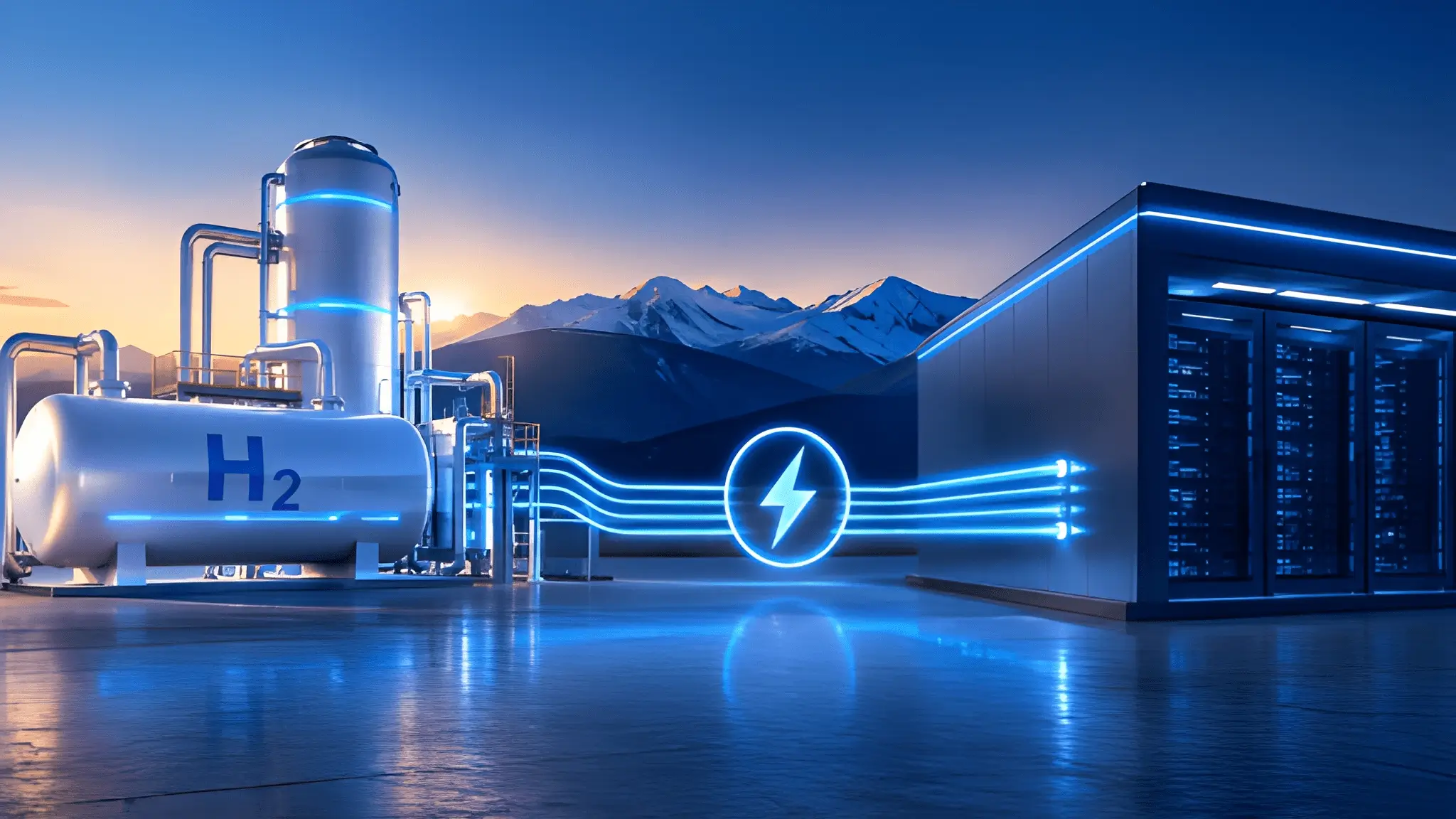
French data center developer Azur Datacenter is moving into a different kind of infrastructure play: converting an operating hydrogen facility into a data center. The company, part of the Arago Technologie group, has signed a preliminary agreement to acquire hydrogen infrastructure manufacturer HRS’s headquarters in Champagnier, near Grenoble, France. The transaction puts a 14,100-square-meter industrial property at the center of a planned investment worth close to €360 million ($420 million). Azur expects the redevelopment to create about 100 local jobs while introducing new digital infrastructure into an existing industrial environment.

Azur Datacenter Targets Existing Industrial Infrastructure
The Champagnier property currently combines HRS’s offices with its production operations for hydrogen refueling equipment. That makes the project different from a conventional greenfield data center development, where operators typically assemble land, power infrastructure, buildings and supporting systems from the ground up. Azur instead wants to reuse an established industrial site and reshape its infrastructure around data center requirements. The approach fits the company’s broader strategy of retrofitting and rehabilitating existing buildings rather than relying exclusively on new construction.
Azur plans to take control of the property by the end of the calendar year, while the overall transaction remains subject to regulatory milestones. The deal itself carries an expected closing date by the end of 2026, with a building permit and environmental approvals under France’s ICPE industrial-site regulations still required. Those approvals will determine how quickly Azur can move from acquisition into the physical transformation of the property. However, the structure gives both companies a route to continue operating from the same industrial footprint while the data center project advances.
HRS Will Stay Through Long-Term Leaseback
The transaction includes a lease-back arrangement valued between €22 million and €25 million ($26 million-$29 million). Under that structure, HRS will remain on the Champagnier site through a long-term lease and continue manufacturing its hydrogen refueling equipment while Azur develops the data center. That arrangement allows HRS to unlock capital from its real estate without immediately relocating its industrial operations. For Azur, it creates a staged path into a site that already supports manufacturing activity and has an established industrial footprint.

The financial structure also highlights the strategic difference between selling an industrial property outright and converting it into a shared long-term infrastructure asset. HRS can inject capital into its business while retaining operational access to its manufacturing base. Azur gains control of a substantial site without requiring HRS to abandon the facility that supports its current business. The arrangement therefore links a real estate transaction with the next phase of both companies’ infrastructure strategies.
Hydrogen Expertise Could Shape Data Center Design
The relationship goes beyond the property deal, with Azur and HRS in advanced discussions around a longer-term industrial partnership. HRS would bring experience in industrial piping, hydrogen-based power generation and its Secure Power Units, or SPUs, which convert hydrogen into electricity for data centers and other critical infrastructure. The companies also intend to explore joint work covering metalwork and structural steel. Meanwhile, that combination could give the redevelopment a more integrated industrial profile than a conventional data center construction project.
HRS’s SPUs are particularly relevant to the partnership because they connect the company’s hydrogen expertise directly with the power resilience requirements of digital infrastructure. Data centers increasingly need dependable electricity systems that can support critical loads during grid interruptions and other disruptions. Hydrogen-based generation offers one potential pathway for backup or alternative power architectures, although the economics and operational model will depend on the final design. The planned collaboration gives Azur access to an industrial capability that could become part of the site’s future energy strategy.
“We are very pleased to acquire the HRS campus, a key step forward in continuing our growth trajectory,” said Emmanuel Vannier, founder of Azur Datacenter. “Our ambition is to build a long-term strategic partnership with HRS based on innovation, the complementarity of our expertise and value creation.”
Existing Sites Could Become Data Center Assets
Azur’s Champagnier project also points to a wider question facing the European data center market: how much future capacity can come from repurposing industrial real estate rather than building entirely new campuses. Industrial properties can offer existing structures, established utility connections and locations that already support manufacturing activity. Yet converting them for high-density computing requires careful engineering across power, cooling, structural capacity, connectivity, security and environmental compliance. Azur’s strategy places that conversion challenge at the center of its development model.
The €360 million investment signals the scale of capital Azur expects to deploy into the transformation. The 14,100-square-meter footprint gives the developer a sizeable physical platform, but the value of the site will ultimately depend on how effectively it can integrate computing infrastructure with the existing industrial environment. HRS’s continued presence adds another layer of complexity because manufacturing and data center operations will need to coexist during the transition. That makes the project as much an exercise in infrastructure integration as in real estate redevelopment.