 Skip to content
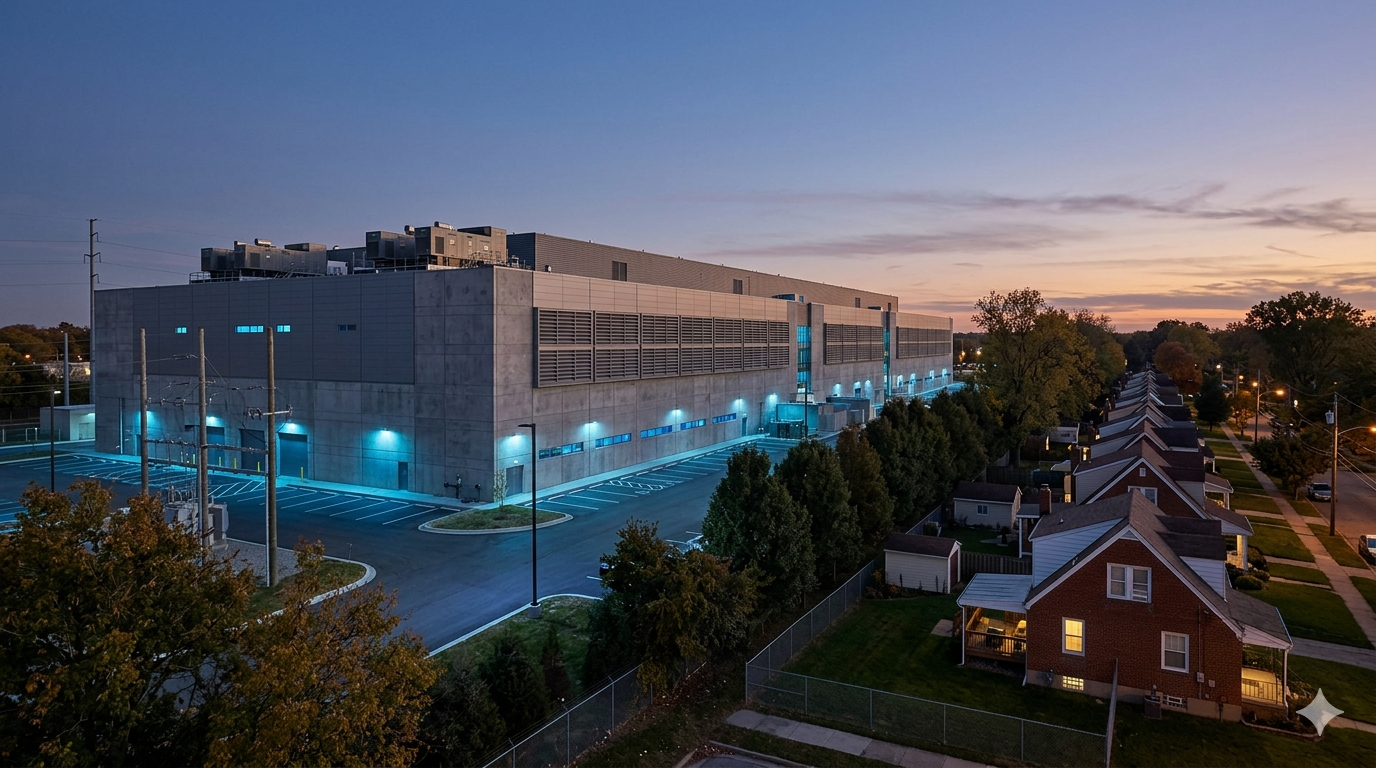
Maine’s governor faces a deadline this week on the nation’s first statewide data center ban. The legislation is temporary, includes exemptions, and may not survive legal challenges. However, that does not matter. The fact that a US state legislature passed it at all signals something the AI infrastructure industry has ignored for too long. Communities across the country are no longer asking only for better consultation processes or more transparent planning applications. Instead, they are passing laws to stop data centers from being built altogether. That does not happen in a vacuum. It happens when an industry spends years treating the communities it depends on as obstacles to manage rather than stakeholders to serve.

The AI industry has a community relations problem. It created that problem through a consistent pattern of behavior that prioritized speed, secrecy, and regulatory minimization over genuine engagement with the people living near its facilities. As a result, the problem has expanded into permitting delays, moratoriums, community organizing campaigns, and legislation that threatens buildout timelines in markets where the industry assumed it had political freedom to operate. The solution is not a better communications strategy. Instead, it requires a fundamental change in how the industry approaches the communities it enters.
Secrecy as Standard Operating Procedure
The data center industry has long used confidentiality as a routine procurement tool. Companies run site selection processes under non-disclosure agreements. They file planning applications under shell company names that hide which hyperscaler is building what. Utilities and developers also treat power purchase negotiations as proprietary, even when those agreements directly affect residential electricity rates. In many cases, companies disclose water usage data selectively or not at all.
The industry justifies this secrecy on competitive grounds. A hyperscaler that announces its site selection process invites competitors to pursue the same land, power capacity, and incentives. That logic is real, but it has limits. Too often, operational secrecy continues long after procurement ends. Communities discover years later that they are paying higher electricity rates to support transmission upgrades built for a data center campus they were never consulted about. They learn that cooling operations affected the water table supporting local agricultural land. They also discover that the jobs promised during permitting appeared at only a fraction of the projected numbers. As a result, the secrecy that helped secure the site leaves lasting distrust. That distrust shapes every future interaction between the industry and that community.

The Power Cost Problem Nobody Wants to Own
The most concrete community grievance against AI data centers is not aesthetic or abstract. It is financial. Large industrial electricity customers in the US usually pay rates based on their consumption patterns and their long-term value to the grid. AI data centers, with their enormous and continuous loads, have historically received favorable industrial rates because utilities see them as anchor customers for major grid investments.
However, the transmission infrastructure and generation capacity needed to support those loads cost money. Utilities recover those costs through the rate base. When utilities spread grid upgrade costs across all ratepayers instead of charging the customers that created the demand, residential and small commercial customers effectively subsidize AI infrastructure through their monthly electricity bills.
As covered in our earlier analysis of America’s AI growth being constrained by supply chains, infrastructure constraints on AI development are systemic and interconnected. Community backlash over data center power costs is one part of that larger problem, yet the industry has been slow to address it honestly. Several states have introduced legislation requiring utilities to allocate transmission upgrade costs directly to new large industrial customers instead of spreading them across the broader rate base. The industry has opposed this legislation consistently. It argues that the economic benefits of data center development justify shared costs. That argument may work in economic theory, but it fails politically when the communities paying the costs do not capture the benefits.
What a Different Approach Would Look Like
The AI industry is not without examples of better community engagement. Meta’s Tulsa groundbreaking this week shows what genuine community investment looks like in practice. The company committed $25 million to local infrastructure improvements. It partnered with local colleges on workforce development programs for residents without four-year degrees. It also committed to covering the full cost of water and wastewater services so those costs would not shift to local consumers. In addition, it created a fund to help low-income residents with energy bills.
None of these commitments were legally required. Yet all of them reflect an understanding that sustainable data center development requires communities to see themselves as beneficiaries rather than unwilling hosts.
Unfortunately, that approach is not the industry standard. It remains the exception. Most hyperscaler and developer engagement still relies on consultant-written economic impact studies, public hearings with local officials already heavily lobbied, and job promises designed to secure approvals rather than reflect operational reality. Communities do not forget that treatment. The political opposition now visible in Maine, Virginia, Ireland, the Netherlands, and other European markets reflects the cumulative result of years of that approach applied at scale.
As documented in our analysis of the time-to-power crisis as AI’s hidden scaling ceiling, the industry already faces severe constraints on its ability to power and build the infrastructure it needs. Adding political opposition rooted in community distrust to that list is a self-inflicted wound. The industry still has time to address it, but that window is narrowing.
The Window Is Narrowing
The political dynamics behind Maine’s data center ban are not unique to Maine. They exist in every community where development has outpaced genuine engagement with local stakeholders. Communities that have not yet organized are watching those that have. At the same time, the political infrastructure for opposing data center development, advocacy groups, legal frameworks, and legislative templates, is expanding quickly. Any community that wants to resist new projects can now use those tools.
The AI industry has a choice. It can treat community opposition as a legal and regulatory problem to manage through lobbyists, lawyers, and communications campaigns. Or it can treat that opposition as a legitimate signal that its current approach to engagement is failing.
The first path will create more Maines. The second path requires genuine transparency about power costs, meaningful consultation before site selection rather than after permit filings, workforce development that creates real local benefits instead of importing specialized labor, and accountability for the infrastructure costs communities absorb to host facilities that mainly benefit distant shareholders. The industry created this problem. Only the industry can solve it.












