
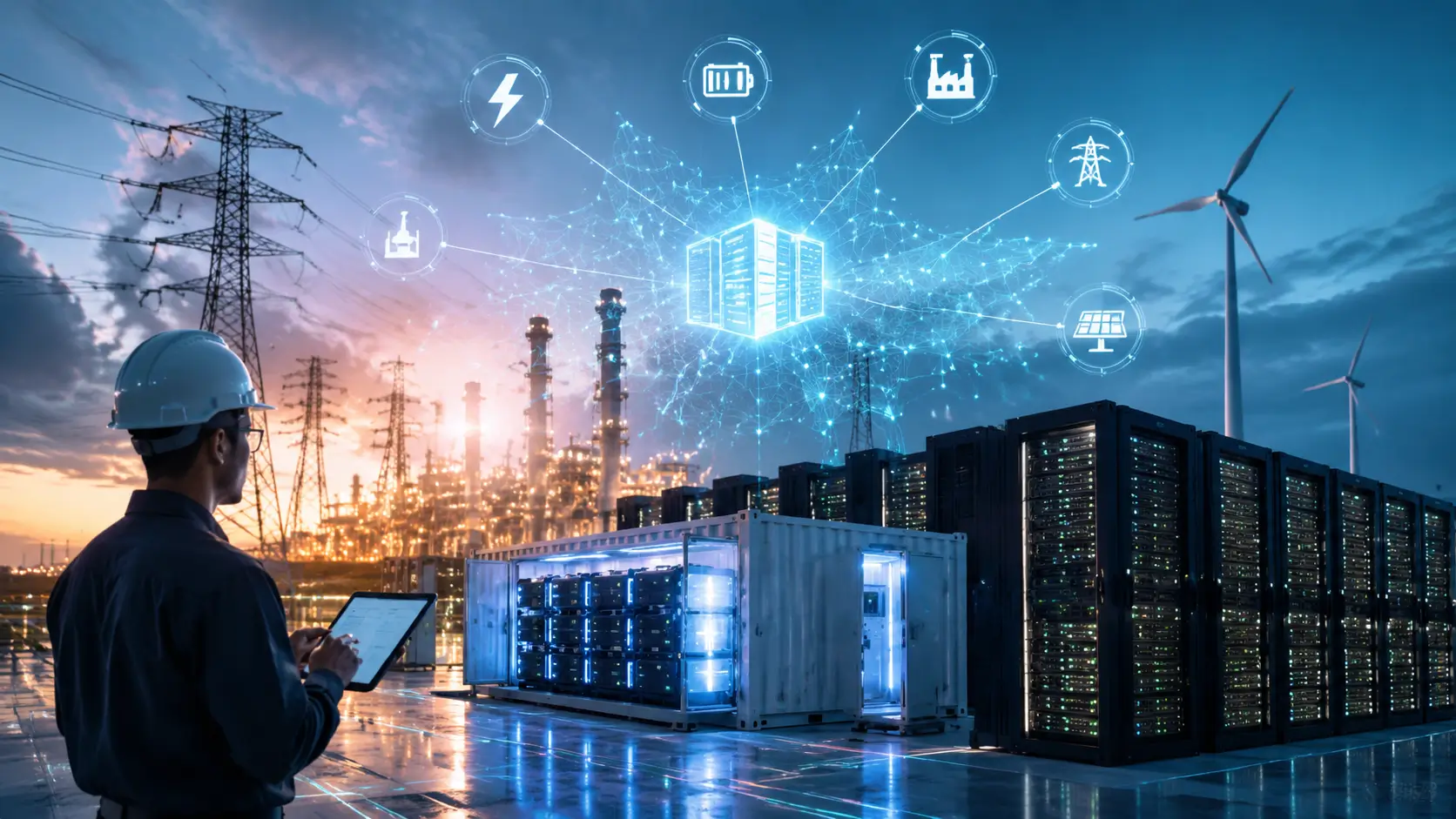
AI Infrastructure Growth Is Forcing Data Centers to Think Like Energy Companies
AI infrastructure energy management is becoming a critical focus for modern data center operators as artificial intelligence workloads increase demand for reliable power, efficient resource planning, and resilient operations. The growth of AI computing is changing how organizations evaluate infrastructure decisions because electricity availability now influences site selection, capacity expansion, and operational strategies. Data centers are moving beyond traditional hardware planning by incorporating energy procurement, grid coordination, storage solutions, and generation options into long-term infrastructure decisions.

The infrastructure requirements behind AI workloads are creating a closer relationship between digital platforms and energy systems. Operators that once concentrated primarily on servers, networking equipment, and cooling technologies must now evaluate electricity markets, transmission capacity, and regional energy availability. This shift reflects how computational growth increasingly depends on access to stable and scalable power resources.
For enterprises using AI-powered applications, these infrastructure decisions influence service reliability, deployment speed, and operational consistency. Although customers rarely interact directly with energy systems behind digital platforms, power availability can affect how quickly providers expand capacity and maintain performance. The future of AI infrastructure will likely require organizations to combine technology expertise with stronger energy planning capabilities.
AI Infrastructure Energy Management Depends on Power Availability
Power planning is becoming a primary factor in AI data center expansion.
Traditional data center expansion has typically considered available land, fiber connectivity, regional demand, and electrical capacity together, while large-scale AI infrastructure projects now place substantially greater emphasis on securing adequate long-term power availability during the earliest planning stages. AI workloads require significant computing density, which creates higher electricity requirements compared with many conventional enterprise workloads.

Regions with available real estate may still face expansion challenges if local transmission infrastructure cannot support additional electricity demand. As a result, infrastructure teams increasingly evaluate grid capacity and energy availability alongside traditional site selection criteria.
AI infrastructure energy management requires operators to understand how power constraints influence deployment timelines, operational planning, and future expansion opportunities. Enterprises relying on cloud AI services ultimately depend on these decisions because infrastructure limitations can affect service availability and scalability.
For organizations building AI platforms, energy planning is becoming connected with broader infrastructure strategy rather than remaining a separate operational function.
Energy Procurement Strengthens AI Infrastructure Energy Management
Electricity purchasing is becoming a strategic infrastructure decision.
Historically, electricity procurement remained a supporting operational activity because many workloads followed relatively predictable consumption patterns. AI computing introduces more demanding energy requirements that require stronger forecasting, long-term planning, and flexible procurement approaches.
Data center operators increasingly evaluate power purchase agreements, renewable energy contracts, demand management strategies, and diversified energy sources to support operational stability. These approaches help organizations manage electricity costs while maintaining reliable power availability for large-scale computing environments.
Energy procurement is becoming a central component of AI infrastructure energy management because operators must balance electricity expenses, operational resilience, and future capacity requirements. The ability to secure predictable energy resources can influence infrastructure planning decisions alongside hardware investments and software development.
For end users, effective energy planning can support more consistent digital services by reducing risks associated with capacity limitations and energy market volatility.
Grid Planning Shapes AI Infrastructure Energy Management
Data centers increasingly depend on stronger relationships with energy infrastructure providers.
AI infrastructure growth depends on collaboration between data center operators, utilities, regional transmission organizations, and public agencies responsible for energy development. Large facilities require dependable electrical capacity, making grid availability an important consideration during infrastructure planning.
Infrastructure strategies now extend beyond acquiring physical locations because operators must evaluate substations, transmission upgrades, and long-term electricity demand forecasts. These considerations help organizations identify locations capable of supporting future AI workloads.
AI infrastructure energy management includes understanding how regional grid conditions influence deployment decisions. Early coordination with energy providers can help reduce the risk of delays caused by limited electrical capacity or transmission constraints.
According to the International Energy Agency, electricity demand from data centers and digital infrastructure is becoming an increasingly important factor in global energy planning.
As AI adoption expands, the relationship between computing infrastructure and energy infrastructure will continue becoming more interconnected.
Storage and Resilience Are Becoming Critical Infrastructure Priorities
Battery systems are evolving beyond traditional backup functions.
Battery systems have traditionally supported data center operations by providing temporary backup power during electrical interruptions. However, modern energy strategies are expanding the role of storage technologies through demand management, grid flexibility, and improved operational resilience.
Advanced storage solutions can help operators manage electricity consumption patterns while supporting continuous computing operations. These systems provide additional flexibility when balancing renewable energy sources with the constant demand created by AI workloads.
AI infrastructure energy management increasingly includes storage planning because resilient energy systems require more than traditional backup solutions. Storage technologies may become an important component of future infrastructure designs that prioritize reliability and operational efficiency.
Research organizations such as the National Renewable Energy Laboratory continue studying energy storage technologies and their role in modern electricity systems.
For enterprises using AI services, stronger energy resilience can contribute to improved service continuity and reduced operational disruption.
(Internal link suggestion: Add link to related article about sustainable data center infrastructure here.)
Generation Strategies Are Entering AI Infrastructure Conversations
Operators are evaluating broader energy portfolios alongside computing investments.
The expansion of AI infrastructure is increasing attention toward electricity generation strategies because future computing demand requires reliable and scalable energy resources. Some operators are exploring combinations of grid electricity, renewable generation, storage technologies, and other energy solutions based on regional requirements.
These approaches focus on improving energy resilience while maintaining relationships with existing utility providers. The objective is not simply generating electricity independently but developing infrastructure strategies capable of supporting long-term computational growth.
Energy planning is becoming increasingly connected with infrastructure design because reliable power directly influences digital service quality. Organizations deploying AI platforms must consider how energy availability affects performance, scalability, and operational continuity.
The U.S. Department of Energy has highlighted the importance of improving energy efficiency and reliability across large-scale technology infrastructure.
Generation strategies therefore represent one component of broader infrastructure resilience planning rather than a standalone sustainability initiative.
The Future of AI Infrastructure Energy Management Requires New Leadership Skills
Infrastructure executives need broader expertise beyond traditional technology operations.
Leadership teams managing AI infrastructure increasingly require knowledge across technology architecture, electricity markets, regulatory developments, storage systems, and long-term energy planning. The complexity of modern AI deployments requires decision-making that combines engineering expertise with energy strategy.
AI infrastructure energy management depends on collaboration between technology teams, facility operators, energy specialists, and business leaders. Infrastructure decisions now influence financial planning, operational reliability, sustainability objectives, and customer experiences simultaneously.
Organizations that integrate technical expertise with energy planning are better positioned to address evolving infrastructure requirements associated with large-scale AI deployments. This multidisciplinary approach reflects how digital infrastructure is becoming increasingly connected with physical energy systems.
Customers may never directly observe these operational decisions, but they experience the outcomes through application reliability, availability, and performance.
The Future of AI Infrastructure Depends on Smarter Energy Management
Artificial intelligence adoption continues expanding across enterprise environments as organizations integrate advanced computing into business operations and customer experiences. This growth places greater importance on infrastructure strategies capable of supporting higher computational demand without reducing reliability.
AI infrastructure energy management will remain a key consideration as organizations build scalable computing environments that depend on reliable electricity, resilient grids, and efficient operations. Infrastructure planning increasingly considers electricity availability alongside processor performance and networking capacity because each influences the ability to deploy and expand AI computing resources.
The organizations developing stronger connections between computing and energy planning may create more resilient foundations for future AI services. Electricity is becoming more than an operational requirement because it supports every layer of modern digital infrastructure.
The next phase of AI infrastructure development will require data center operators to understand energy systems as deeply as they understand computing platforms. The ability to manage power procurement, grid relationships, storage strategies, and generation options will increasingly influence how organizations build and operate AI infrastructure at scale.











