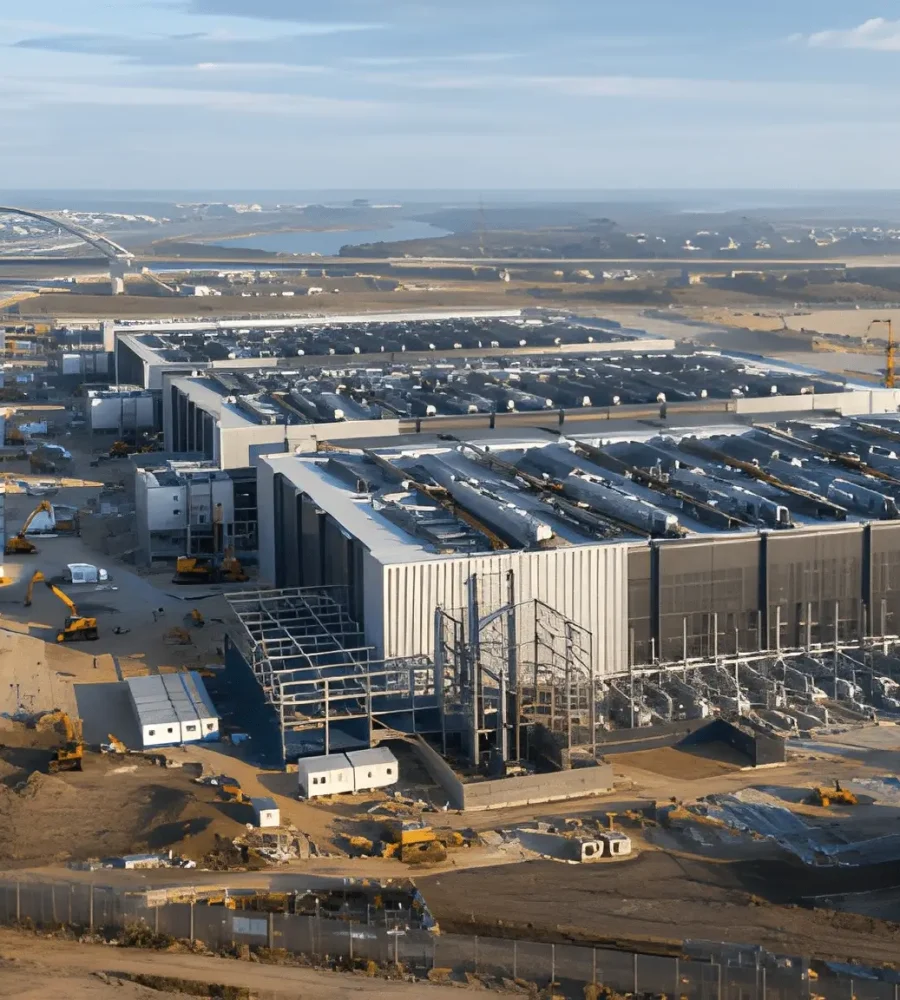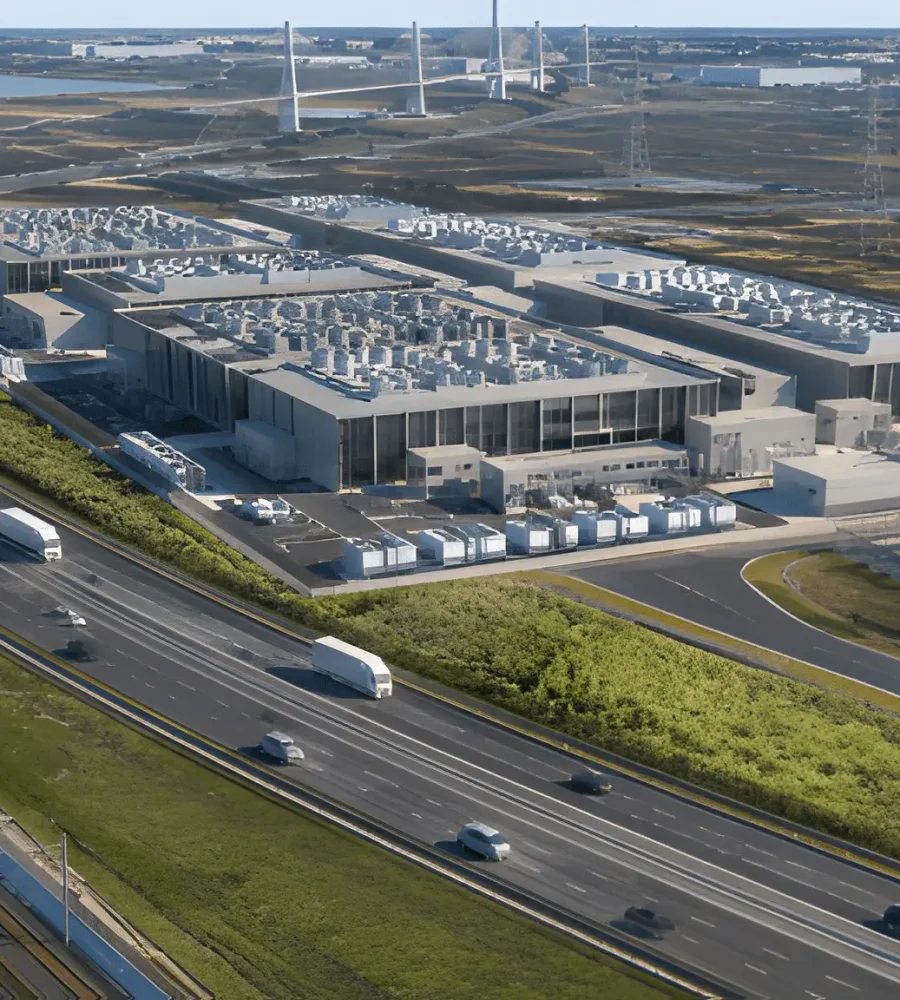

Trinidad and Tobago has moved to position itself within the accelerating global artificial intelligence infrastructure race by signing new Memoranda of Understanding with American companies to explore large-scale AI data center developments. The agreements reflect the government’s ambition to diversify the country’s industrial economy beyond traditional energy sectors while attracting international digital infrastructure investment. Although the memoranda remain preliminary and non-binding, they outline projects that would significantly expand Trinidad’s presence in regional digital infrastructure if they proceed to execution. The proposed campuses collectively represent one of the most ambitious AI infrastructure announcements ever associated with a Caribbean nation. However, the scale of the proposals has also prompted closer examination of the country’s existing electricity, industrial capacity, and supporting infrastructure. The announcements therefore place Trinidad at the center of a broader conversation about how emerging AI economies balance strategic ambition with practical deployment requirements.
Trinidad Pursues AI Infrastructure Through US Technology Partnerships
Under the agreements, U.S. professional services firm Ernst & Young LLP would develop a proposed 300-megawatt AI data center, while Hummingbird AI Holdings plans to develop a separate 150-megawatt AI campus. Together, the proposed projects outline an initial combined capacity of 450 megawatts dedicated to AI infrastructure, marking a significant expansion of Trinidad and Tobago’s existing digital infrastructure footprint. According to information released by the United National Congress, the political party led by Prime Minister Kamla Persad Bissessar, Hummingbird aims to begin operating the facility during the first quarter of 2028. The announcement also states that the company could later expand the campus to 500 megawatts through future development phases. If completed, the expansion would significantly increase the project’s long-term electricity requirements. The proposal reflects the government’s ambition to establish AI infrastructure at a scale not previously announced in Trinidad and Tobago.
Infrastructure Demands Extend Beyond Data Center Construction
Large AI data centers require significant electricity and supporting utility infrastructure to sustain continuous operations, making energy planning an important consideration as projects increase in scale. These requirements become more significant as proposed facilities increase in electrical capacity. According to Trinidad and Tobago’s Ministry of Energy and Energy Industries, the country’s total installed electricity generation capacity stands at approximately 2.4 gigawatts. If both proposed projects ultimately reach their announced development scales, combined electricity requirements could reach around 800 megawatts, equivalent to roughly one-third of the country’s existing generating capacity. Consequently, questions have emerged regarding how future electricity demand from AI infrastructure would be integrated alongside residential, commercial, and industrial consumption. Those considerations extend beyond total generation capacity to how additional electricity demand could be accommodated if the projects advance.
Trinidad and Tobago currently operates a relatively modest data center market compared with regions that have become established AI infrastructure hubs. Industry listings indicate that the country presently hosts five non-AI data centers, reflecting an ecosystem designed primarily around enterprise and traditional colocation requirements rather than hyperscale artificial intelligence computing. Transitioning from that existing foundation toward hundreds of megawatts of AI capacity would represent a substantial expansion across power delivery, network connectivity, facility engineering, and operational expertise. Building AI infrastructure at this scale would require supporting infrastructure alongside the proposed facilities. The proposed investments therefore represent not only facility construction but also a broader transformation of the country’s digital infrastructure landscape. Success would depend on synchronized development across multiple sectors rather than the completion of individual buildings alone.
Water Availability Remains Part of the Broader Infrastructure Equation
Electricity is only one component of AI infrastructure planning because water availability often influences cooling strategies for large computing facilities. Trinidad and Tobago has experienced water shortages during the past year linked to issues affecting pipe infrastructure, creating another consideration as the country evaluates large-scale industrial developments. Although individual facilities can employ different cooling approaches, resource planning remains an important consideration for large data center developments. Future project design decisions, including cooling architecture and facility engineering, could influence operational resource requirements once construction progresses beyond preliminary agreements. Meanwhile, infrastructure planners typically evaluate energy, water, transportation, telecommunications, and environmental considerations together before projects advance toward commercial deployment. These broader resource assessments often become increasingly important as AI infrastructure scales beyond conventional enterprise computing facilities.
The choice of project partners has also attracted industry interest as stakeholders evaluate the experience and capabilities supporting developments of this scale. Ernst & Young brings an established international presence across advisory and professional services, providing a recognizable participant within the announced agreements. Hummingbird AI Holdings, by contrast, maintains a limited public profile despite being selected for one of the proposed AI campuses. According to the United National Congress, Hummingbird AI Holdings is led by Marc-Kwesi Farrel, who serves as a non-executive director at Trinidad and Tobago-based conglomerate Massy Holdings. The organization notes that Massy maintains interests spanning retail, energy, and automotive businesses across the Caribbean. Those details have generated discussion within the digital infrastructure sector regarding the combination of commercial leadership and specialized AI infrastructure execution required for projects of this magnitude.
Investment Pipeline Signals Long-Term Economic Ambitions
Government officials have indicated that the three announced projects together could represent approximately $5 billion in investment, highlighting the scale of capital envisioned under the current strategy. That figure underscores the country’s intention to compete for infrastructure investment associated with the rapid global expansion of artificial intelligence computing. While memoranda of understanding establish an initial framework for collaboration rather than binding construction commitments, they often serve as the first formal stage in evaluating commercial feasibility, financing structures, regulatory approvals, and implementation timelines. Moving from announcement to operational infrastructure typically requires detailed engineering, environmental assessments, utility coordination, financing arrangements, and procurement across several years. The announced developments therefore represent the beginning of a much broader execution process rather than completed investment decisions. Whether the projects ultimately proceed at their proposed scale will depend on commercial, technical, regulatory, and infrastructure milestones achieved during subsequent development phases.
The announcements place Trinidad and Tobago among a growing group of countries seeking to capture economic opportunities created by global demand for AI infrastructure. They also demonstrate how emerging markets increasingly view digital infrastructure as a strategic asset capable of supporting broader economic transformation and attracting international capital. At the same time, large AI campuses introduce infrastructure requirements that extend well beyond facility construction into energy systems, utilities, industrial planning, and long-term operational resilience. As governments worldwide compete to host next-generation computing capacity, successful deployment increasingly depends on aligning investment ambition with available physical infrastructure and execution capability. Trinidad’s proposed developments will therefore be watched not only as individual investment projects but also as indicators of how smaller economies approach participation in the expanding AI infrastructure landscape.