 Skip to content
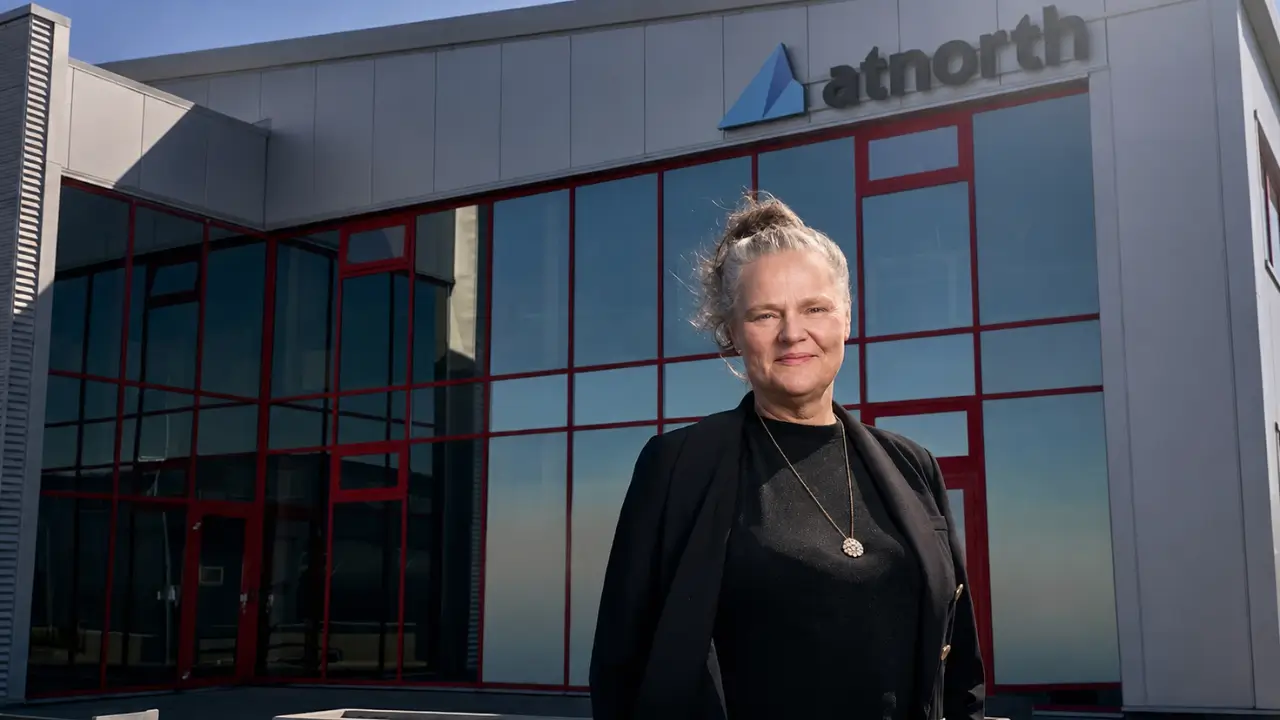
By Janne Sigurdsson, Chief Sustainability & Compliance Officer at atNorth

As the adoption of AI technologies continues to soar, a spotlight has been thrown on the data center industry. Data centers have long been perceived as windowless warehouses filled with rows of servers quietly processing data in the background. Recent media attention might also paint a picture of data centers as huge consumers of resources, a growing concern that must be addressed to ensure the industry can scale in line with growing demand. It is time to rethink how we view the data center industry. Across the Nordic region, data centers are increasingly being positioned as civic infrastructure that actively contributes to economic development, environmental sustainability, and community regeneration. Far from being hidden utilities, they are becoming central to how societies grow, innovate, and transition to a more sustainable future.
Supporting essential infrastructure
It is no secret that data centers necessitate an incredible amount of energy to power and cool AI workloads. In some parts of the world, energy infrastructure is in its infancy, in others it is ageing and many still rely on fossil fuels. The Nordics sit in an optimal position, having invested in renewable energy for some time, making the region an ideal location for high performance digital infrastructure. Not only this, the region benefits from a naturally cool climate which enables highly energy efficient cooling infrastructure techniques. The presence of data centers can promote investment in local energy and connectivity infrastructure and can support national grids by adjusting energy consumption in real time through Fast Frequency Reserve (FFR) options making them active contributors to grid stability.
Data centers can also support enhanced connectivity, and in some cases improvements in transport infrastructure that supports the wider local community. A compelling example of this impact can be seen in Akureyri, Iceland, where atNorth has invested significantly into the local economy with the development of our ICE03 data center. This investment has extended far beyond the construction of a data center and has facilitated a new point of presence (POP) – a location where telecommunications networks interconnect to enable data transmission – which has bolstered the reliability and security of the local telecoms network for the benefit of the whole region.

Supporting sustainability
Concerns over data center energy consumption are increased when considering the process of infrastructure cooling, when every unit of electrical energy used to power servers is ultimately converted into heat. Modern AI workloads, particularly those involving machine learning and large language models, require significantly higher compute densities and racks that once operated at relatively modest power levels are now drawing anywhere up to 200kW, resulting in a corresponding surge in heat generation.
Well known for its circular economy principles, the Nordic region has seen an increase in partnerships between data center operators and local organizations, recycling waste heat from the data center cooling process to provide central heating. For example, in Finland, our data center provides heating to a local branch of Kesko Corporation, and we also partner with waste-to-energy company Vestforbrænding in Denmark and Stockholm Exergi in Sweden to provide heat for the local district heating networks. Heat reuse partnerships are essential because they transform operational by-products into strategic assets, enabling energy efficiency, supporting decarbonization goals, and strengthening the data center’s role in broader sustainable energy networks.
Supporting the natural environment
The rapid increase in data center development has raised questions over impact on the natural environment. There are many ways to address this. For example, across the Nordics, data centers are breathing new life into former industrial areas left by the decline of traditional industries such as paper mills. By repurposing brownfield sites, these facilities are helping to revitalise regions that may otherwise face economic decline. Old factories and underutilised land are being transformed into hubs of digital activity, bringing jobs, investment, and renewed purpose to local communities.
Similarly, data centers can be designed and built to blend with local landscapes, ensuring building height is low and using natural screens such as trees to preserve rural outlooks. Utilizing sustainable building materials, where possible, such as the laminated wood product Glulam, as an alternative to steel beams also reduces the environmental impact of data center development. At the same time, data center operators must demonstrate restorative and regeneration initiatives around rural sites to mitigate the impact of building and construction. For example, a significant portion of atNorth’s DEN02 campus in Denmark will be dedicated to restoring nature and biodiversity.
Supporting local people
Modern data centers can be powerful engines of local progress. They create high-skilled, high-wage employment opportunities, while also supporting thousands of temporary jobs during construction and development phases. For example, 90% of the workforce involved in the development of atNorth’s ICE03 data center in Iceland were local to the area. Similarly, independent analysis has found that every direct atNorth employee in Iceland, over 12 indirect or induced roles are supported. During the long term, data centers shape the future of work by driving demand for advanced technical skills and creating new career pathways.
Beyond direct employment, data centers stimulate local economies through partnerships with regional suppliers, investment in leisure and entertainment facilities, and long-term tax contributions that benefit public services. There is also a huge opportunity to engage directly with local communities through charitable initiatives. atNorth has for instance funded swimming lessons for children in Finland, sponsored a cultural festival and local sports teams in Iceland, in addition to supporting a young Icelandic skier to reach the 2026 Winter Olympics.
A holistic data center ecosystem
As AI continues to reshape industries and drive demand for computing power, this demand must be met in a sustainable and responsible way fueled by an active shift in how data centers are designed and operated. No longer viewed as standalone facilities, they must become integrated components of local infrastructure, contributing to both digital and physical ecosystems. At atNorth, this philosophy is reflected in our blueprint for data center ecosystems that sit at the heart of thriving societies. Emphasising a modular, scalable design, integrating power, cooling, and heat reuse systems from the outset and investing in the local landscape and community, this design ensures the sustainability of data centers in the years ahead.
Data centers are no longer invisible back-end facilities. They are leading participants in shaping a more sustainable, connected, and resilient future. Whether through job creation, economic investment, regeneration of nature, or innovative approaches to energy use, their impact is becoming increasingly visible and fundamental to balancing the needs of digitalization and the sustainability of our planet.










