 Skip to content
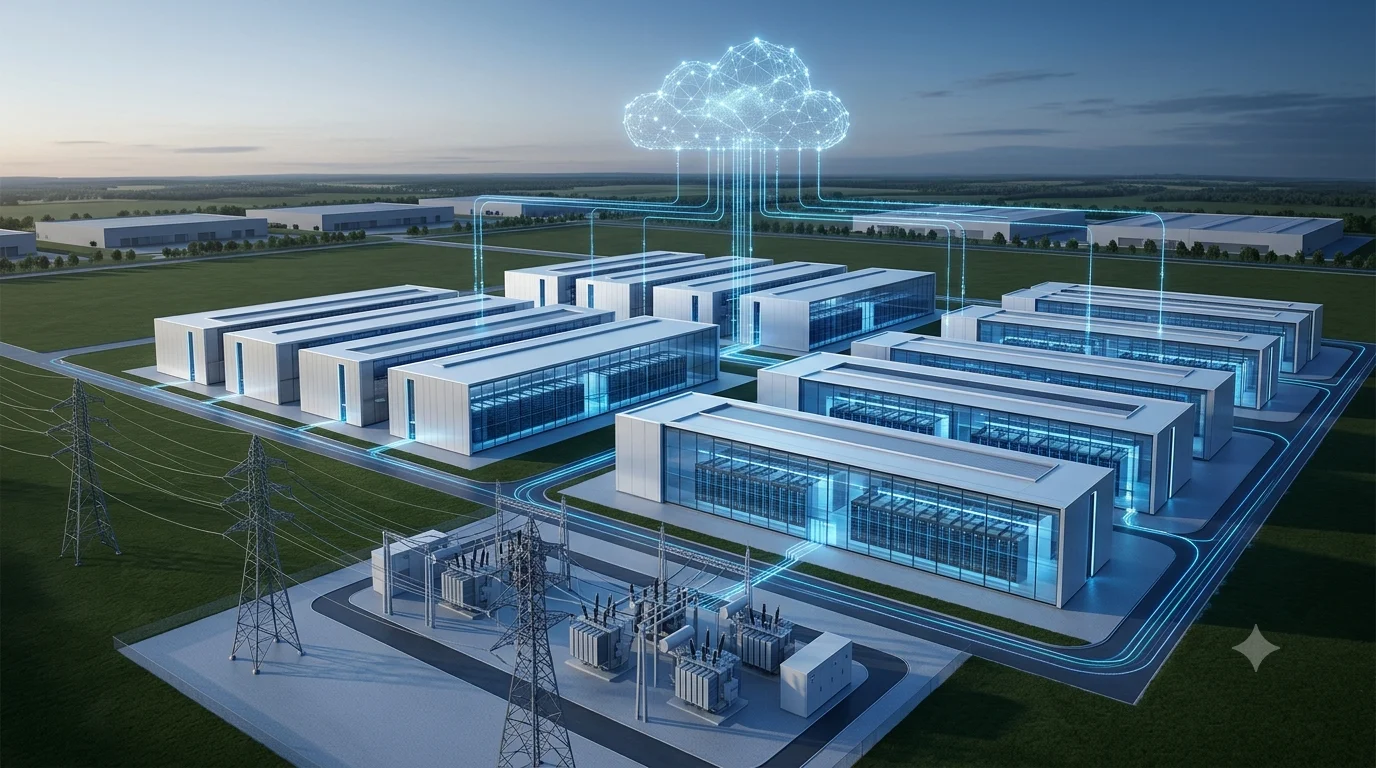
Anthropic has taken another major step toward securing long-term AI compute capacity. The company has signed a 20-year lease worth approximately $19 billion for a large-scale data center campus in Kentucky. Moreover, the agreement strengthens Anthropic’s infrastructure strategy as competition for AI computing resources continues accelerating. The project also marks another milestone in the growing partnership between AI developers and dedicated infrastructure providers. The agreement involves TeraWulf, which has also sold its ownership stake in the project joint venture to Fluidstack. Consequently, Fluidstack will take a larger role in developing and operating the AI infrastructure supporting Anthropic’s future computing needs. The transaction reflects a broader industry trend where specialized cloud providers increasingly partner with frontier AI companies to deliver hyperscale compute capacity.

Anthropic Locks in Long-Term AI Compute
Artificial intelligence companies continue investing aggressively in dedicated infrastructure. Training and serving advanced AI models require enormous amounts of computing power over many years. Therefore, securing long-term data center capacity has become a strategic priority across the industry. Anthropic’s new agreement guarantees access to infrastructure for the next two decades. Unlike shorter cloud contracts, the lease provides predictable compute availability while supporting future model development. Consequently, Anthropic can expand AI services without depending entirely on third-party hyperscale cloud providers. Furthermore, long-term infrastructure agreements reduce uncertainty around future capacity planning. AI demand continues growing rapidly across enterprise and consumer markets. Stable access to compute resources therefore provides an important competitive advantage. The Kentucky project also demonstrates Anthropic’s willingness to make substantial infrastructure commitments. Large financial investments increasingly define competition among leading AI developers as compute demand continues rising.
Kentucky Campus Expands AI Infrastructure
The planned Kentucky data center represents another major addition to America’s expanding AI infrastructure network. Large campuses continue emerging across regions offering available land, reliable electricity, and supportive business environments. Consequently, states beyond traditional technology hubs increasingly attract hyperscale developments.
TeraWulf Reshapes Its Infrastructure Partnership
Alongside the lease announcement, TeraWulf confirmed the sale of its stake in the joint venture to Fluidstack. The transaction changes ownership while allowing the broader infrastructure project to continue moving forward. Fluidstack has become an increasingly important provider of GPU infrastructure supporting artificial intelligence workloads. Consequently, expanding its involvement strengthens the company’s position within the rapidly growing AI compute market. Meanwhile, TeraWulf continues evolving beyond its traditional business activities. The company has increasingly focused on opportunities created by expanding AI infrastructure demand. Strategic partnerships now play an important role in that broader transition. The transaction also illustrates how infrastructure ownership continues shifting as projects mature. Different partners contribute capital, operational expertise, and customer relationships throughout various development stages.
AI Infrastructure Spending Accelerates
Anthropic’s commitment highlights the enormous financial scale of modern AI infrastructure. Building frontier artificial intelligence systems now requires investments extending far beyond model development alone. Computing facilities, networking equipment, and supporting energy infrastructure represent equally critical components.
Market Outlook
Anthropic’s $19 billion, 20-year commitment demonstrates how artificial intelligence companies increasingly treat infrastructure as a long-term strategic asset. Reliable compute capacity now influences competitive positioning as much as software innovation. Consequently, large infrastructure agreements continue reshaping the AI landscape. Looking ahead, projects like the Kentucky campus illustrate the next phase of AI infrastructure development. Long-term investments, dedicated facilities, and specialized partnerships increasingly define the industry’s future. As demand continues rising, similar multi-billion-dollar agreements may become increasingly common across the global AI ecosystem.













