 Skip to content
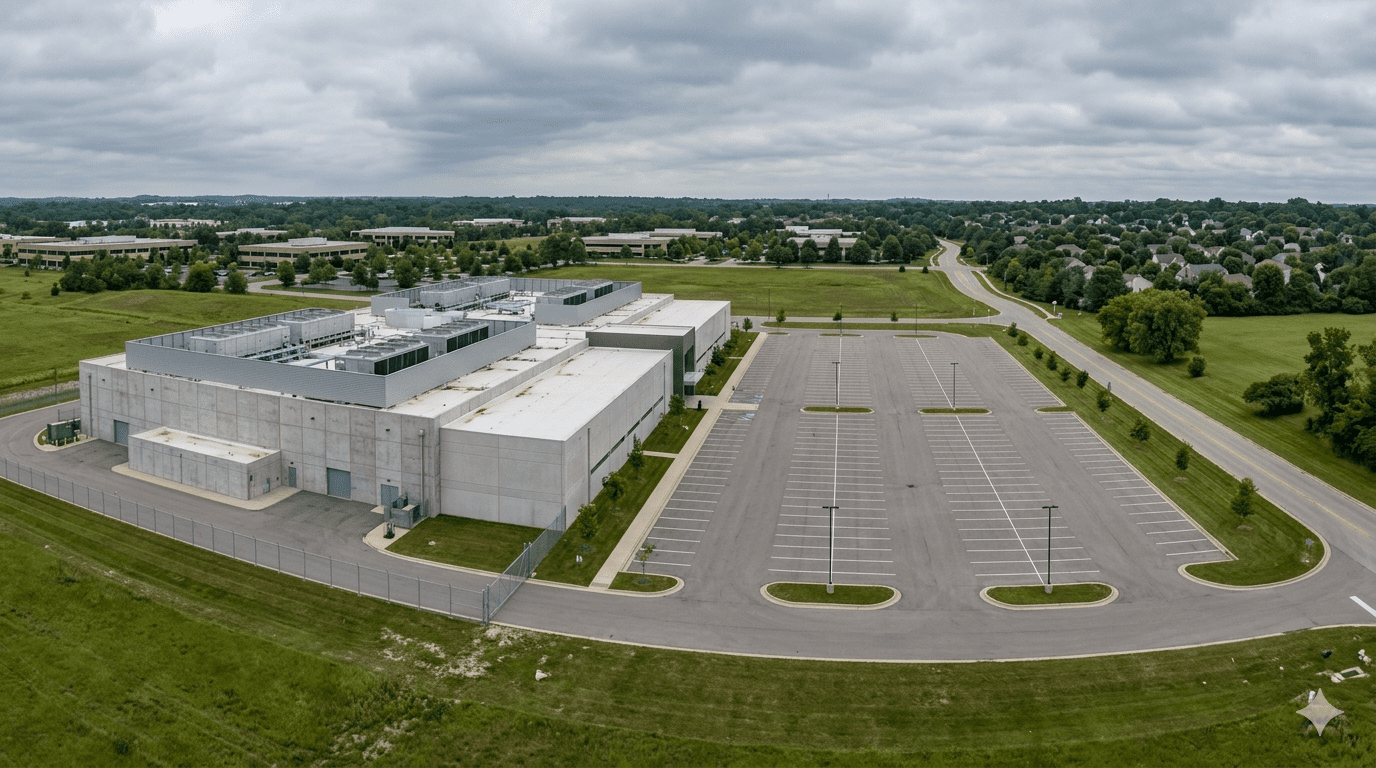
In February 2024, a little-known agency in Rockland County, New York held a public hearing on a proposed subsidy for the expansion of a JPMorgan Chase data center in Orangeburg, near the New Jersey border. Nobody showed up. After twenty minutes of silence, an agency official called the meeting to a close. Two weeks later, the subsidy deal was approved. The value of that deal was nearly $77 million in tax breaks. The number of permanent jobs it promised to create was exactly one. Watchdog groups say it is reportedly the largest subsidy-to-jobs ratio of any data center deal in the country.

The Orangeburg deal recently resurfaced in reporting by New York Focus and it has since spread across technology and policy media because it crystallises a problem that governments across the US are only beginning to confront. Data center tax incentive frameworks were designed for a different kind of industrial investment. They assumed that large capital investments create large numbers of permanent jobs. Data centers break that assumption entirely. Furthermore, the Orangeburg deal is not an outlier. It is simply the most visible example of a structural flaw that is quietly repeating itself across dozens of states and hundreds of deals.
How Data Center Incentives Went Wrong
Industrial development agencies and state economic development bodies typically evaluate subsidy deals using a cost-per-job metric. A factory that creates five hundred jobs and receives fifty million dollars in incentives works out to one hundred thousand dollars per job, which most agencies consider acceptable. However, data centers invert that logic. A billion-dollar facility that creates twenty-five permanent jobs produces a cost-per-job figure that traditional economic development frameworks do not accommodate well. The JPMorgan site in Orangeburg had already received about thirty-five million dollars in tax breaks and employed just twenty-five workers before officials approved the new expansion.
The agency director who approved the Orangeburg deal acknowledged the numbers look absurd when framed as one job for seventy-seven million dollars. He argued instead that the buildout itself would create fourteen hundred temporary construction jobs and that the total economic impact, including tax revenue from the facility, would amount to one hundred million dollars in benefit to the local economy. That argument is not without merit. However, it also represents a fundamental shift in how industrial subsidies are being justified, one that was never publicly debated and that most ratepayers have no idea is happening.

What Communities Are Actually Getting
Communities are not only giving up permanent jobs in exchange for data center subsidies. In Orangeburg, for example, residents living near a DataBank facility located close to a drinking water reservoir have raised concerns about potential cooling water contamination. A planning board meeting in late March drew significant opposition from residents worried about noise pollution, water quality, and rising electricity costs. As we have shown in our analysis of the time-to-power crisis as AI’s hidden scaling ceiling, utilities often socialise the grid infrastructure costs of accommodating large data center loads across all ratepayers rather than charging them directly to the facilities generating the demand. As a result, residents in data center-dense areas often pay higher electricity bills to subsidise facilities that have already received tax breaks at public expense.
The combination of reduced tax revenue, higher utility costs, and minimal permanent employment is producing a backlash that is now moving from community meetings into legislation. Maine has passed what may become the first statewide data center construction moratorium. Lawmakers in several other states are advancing bills that would require more transparent disclosure of incentive terms, stricter job creation requirements, or mandatory environmental impact assessments before approving subsidies. These legislative responses are overdue. However, they are reactive rather than structural. They address problems that governance frameworks should have identified before officials approved deals like Orangeburg without broader public scrutiny.
What a Better Framework Would Look Like
The core problem with current data center incentive frameworks is that they apply job-creation metrics designed for manufacturing to an asset class that structurally cannot meet those metrics. A better framework would evaluate data center subsidies on criteria that actually reflect what data centers contribute. Tax revenue from the facility over its lifetime, grid infrastructure investment required to support it, water consumption relative to local supply, and the local economic multiplier from construction spending are all more meaningful measures than permanent headcount for this asset class. Several states are beginning to move in this direction. Virginia has amended bills that would shift certain grid upgrade costs directly onto data centers rather than spreading them across the rate base. That approach is more honest about who benefits from the infrastructure investment and who should pay for it.
Additionally, the transparency of the approval process matters as much as its substance. The Orangeburg hearing failed not just because the framework was wrong but because nobody knew it was happening. Meaningful public notice requirements, mandatory minimum comment periods, and independent economic impact reviews would all improve the quality of decisions without preventing legitimate data center development. Ultimately, the question is not whether communities should host data centers. It is whether they should subsidise them on terms that were never designed for this kind of investment and that nobody ever voted to apply to it.












