NeoCloud providers are increasingly incorporating energy efficiency into infrastructure design decisions alongside traditional priorities such as flexibility and scalability, rather than treating it solely as a secondary optimisation layer.Traditional cloud environments prioritised flexibility and multi-tenant adaptability, often leading to underutilised hardware and inconsistent energy performance across workloads. NeoCloud architectures reverse this paradigm by aligning compute, cooling, and power delivery systems tightly with the predictable demands of AI training and inference pipelines. This shift enables infrastructure operators to remove redundant abstraction layers that previously introduced inefficiencies in resource allocation and energy consumption. Hardware configurations are beginning to reflect more predictable AI workload patterns in certain use cases, allowing more precise tuning of energy input relative to computational output where such consistency exists. As a result, infrastructure evolves into a purpose-built system where every watt consumed contributes directly to AI throughput rather than maintaining optionality.
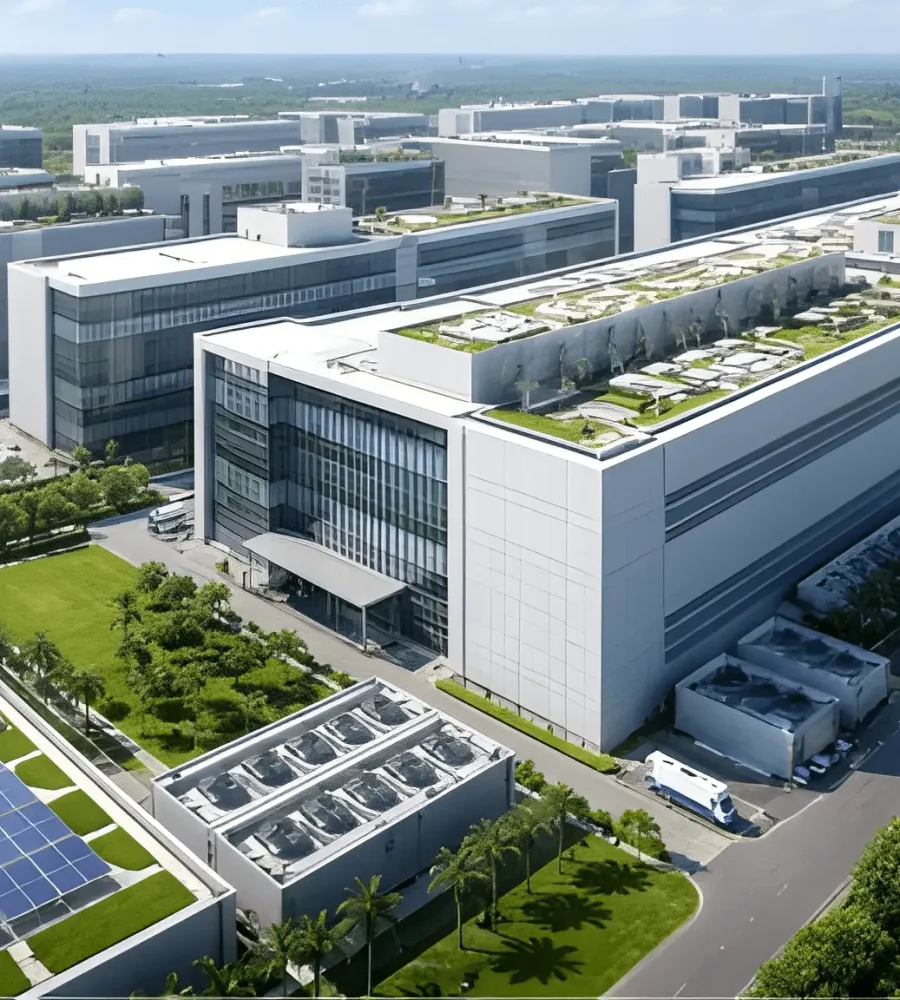
This design philosophy also influences how data centers are physically constructed and geographically distributed to optimize energy use at scale. Operators increasingly select locations based on access to stable, low-carbon power sources and favourable thermal conditions that reduce cooling overhead. Rack density, airflow management, and power routing are engineered in tandem to support sustained high-performance operations without excess energy draw. Infrastructure layers that once operated independently are increasingly being integrated in advanced deployments to reduce energy loss at multiple stages, although many environments still retain semi-modular architectures. However, this integration requires deeper vertical control over hardware and software stacks, which distinguishes NeoCloud providers from traditional hyperscalers. The outcome is a tightly coupled environment where efficiency gains compound across layers rather than being isolated improvements.
Performance-per-Watt as the New Architecture Benchmark
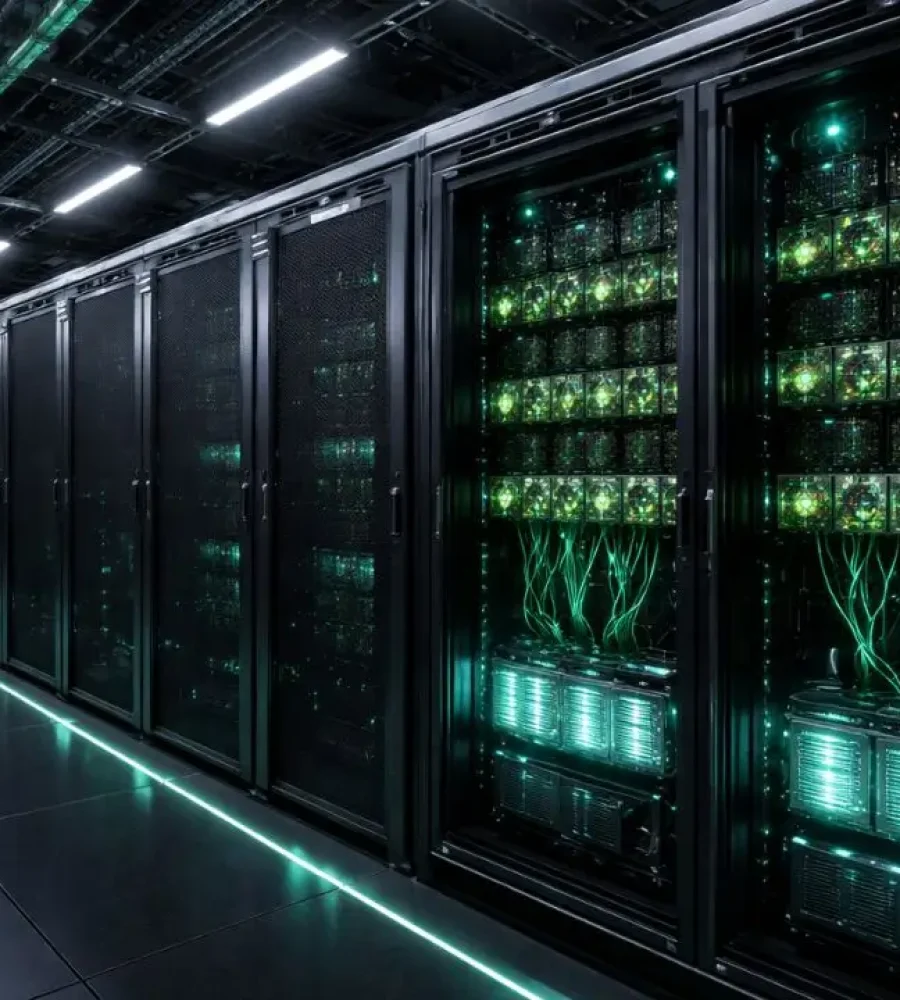
Performance-per-watt is emerging as an important metric in NeoCloud infrastructure, increasingly influencing decisions from silicon selection to workload orchestration without yet serving as a universal standard. Unlike legacy benchmarks that focused on peak performance, this metric evaluates how effectively energy converts into usable computation under real-world conditions. Infrastructure providers now prioritise processors, accelerators, and memory architectures that deliver higher computational density without proportional increases in power consumption. This shift encourages the adoption of specialised AI chips designed for matrix operations, which outperform general-purpose processors in both speed and efficiency. Workload schedulers are beginning to incorporate energy-aware placement strategies in some environments, aiming to improve efficiency alongside utilisation rather than focusing exclusively on load balancing. Consequently, infrastructure becomes more predictable in both performance output and energy demand, enabling better planning at scale.
Standardising performance-per-watt also transforms how operators evaluate total cost of ownership across infrastructure lifecycles. Energy costs now represent a significant share of operational expenditure, which elevates efficiency metrics from technical considerations to financial imperatives. Providers are integrating telemetry systems that measure energy consumption at increasingly granular levels, supporting optimisation efforts even though real-time automated adjustments are not yet consistently implemented across all facilities. This data-driven approach reduces inefficiencies that would otherwise accumulate across distributed systems. Moreover, procurement strategies shift toward components that maintain efficiency under sustained load rather than peak benchmarks alone. Therefore, performance-per-watt becomes both a design constraint and a competitive differentiator in the NeoCloud ecosystem.
Cooling as a Compute Enabler: Energy Implications of Thermal Design
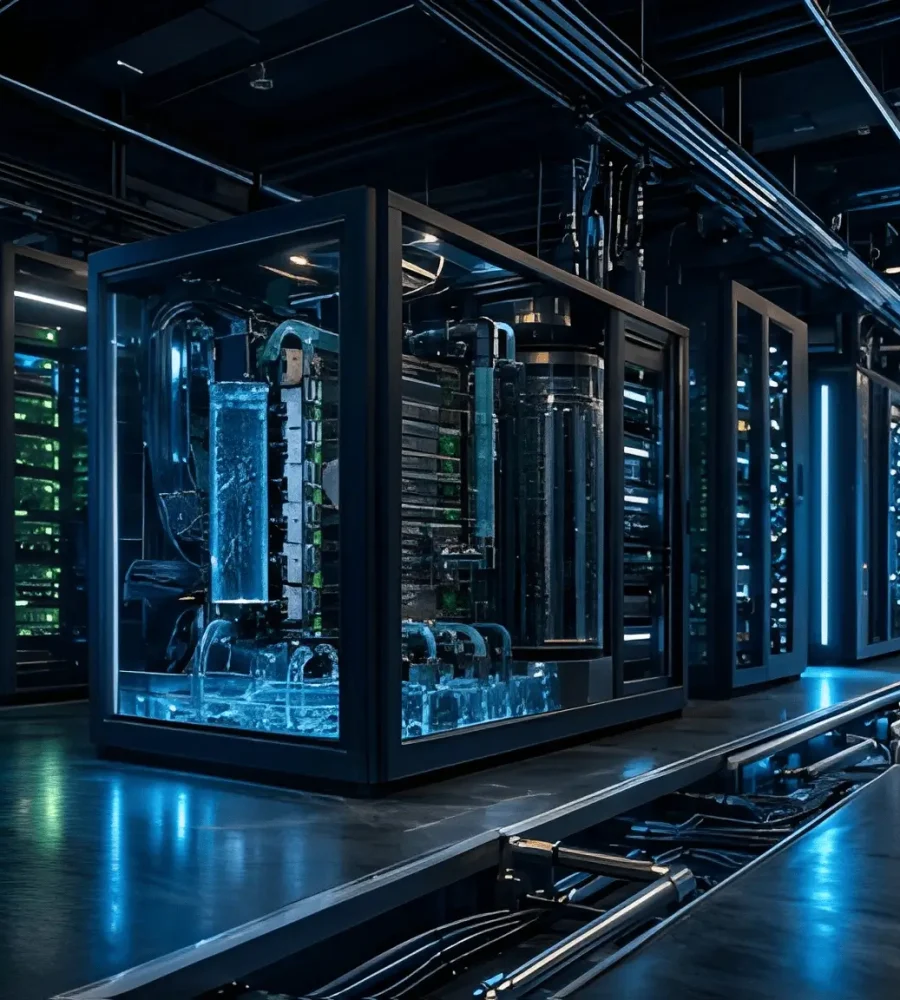
Thermal management has transitioned from a supporting function to a core enabler of high-density AI compute in NeoCloud environments. Air-based cooling systems struggle to dissipate heat generated by modern accelerators, which operate at significantly higher power densities than traditional CPUs. Liquid cooling technologies, including direct-to-chip and immersion systems, provide more efficient heat transfer mechanisms that support sustained performance without thermal throttling. These systems reduce the energy required for cooling by eliminating inefficiencies associated with large-scale air circulation. As a result, data centers can host denser compute clusters without proportionally increasing their energy footprint. This transformation allows operators to scale AI workloads while maintaining control over total energy consumption.
Cooling innovations also influence infrastructure design beyond temperature management, shaping rack configurations and facility layouts. Liquid cooling enables closer component placement, which reduces latency and improves overall system efficiency. The integration of cooling systems with compute hardware allows for dynamic thermal management based on workload intensity. However, implementing these systems can require higher upfront investment and specialized operational expertise depending on deployment scale and design complexity, which may create barriers for some providers. Despite this complexity, the long-term energy savings and performance gains justify the transition for large-scale NeoCloud operators. Consequently, cooling systems become integral to achieving both computational scalability and energy optimisation.
Power Delivery Reinvented: From Grid Intake to Rack-Level Efficiency
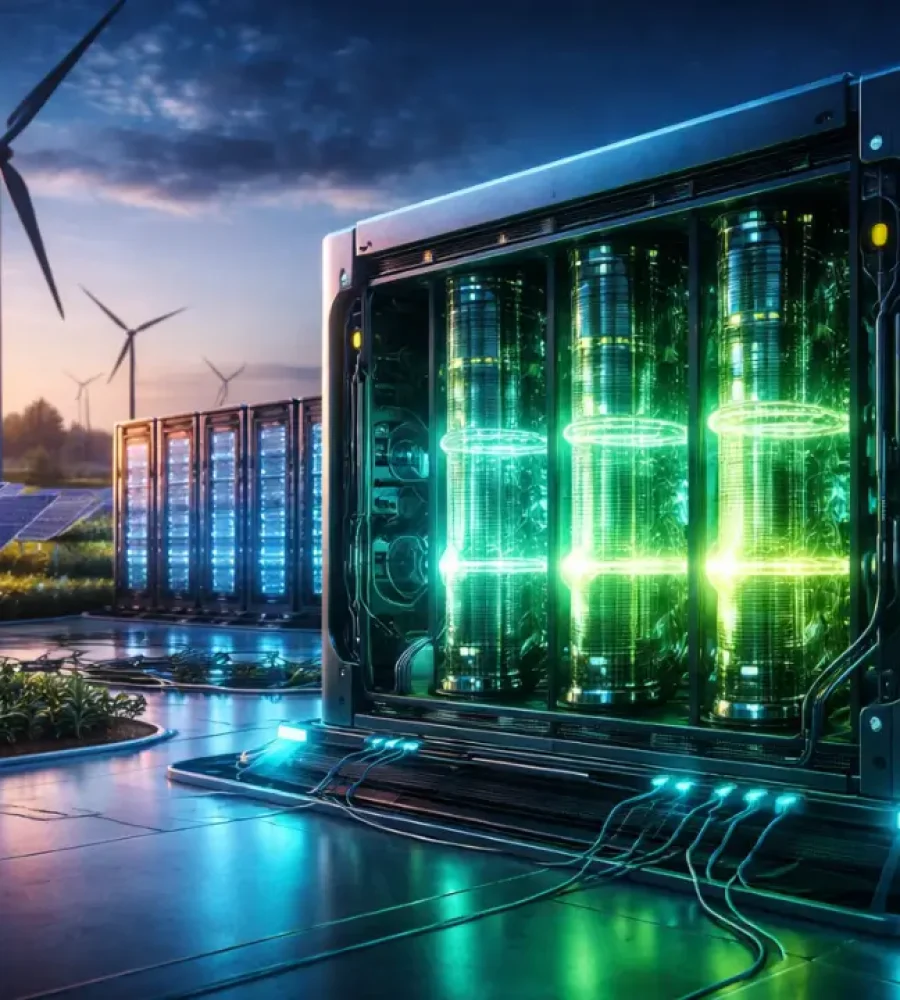
NeoCloud providers are redesigning power delivery systems to minimise energy loss from grid intake to the point of computation. Traditional data centers rely on multiple conversion stages, each introducing inefficiencies that reduce overall energy utilisation. High-voltage direct current distribution is being explored and selectively deployed as a means to reduce conversion losses and improve efficiency across parts of the power chain. This approach simplifies infrastructure while delivering more consistent power to high-performance compute clusters. Rack-level power management systems are evolving to optimize energy distribution by adjusting supply based on workload demand in certain advanced implementations. As a result, energy flows through the system with minimal waste, supporting higher efficiency at scale.
Power optimisation also extends to the integration of renewable energy sources and on-site energy management systems. Operators increasingly deploy energy storage solutions to balance supply fluctuations and maintain consistent performance. Smart grid technologies are enabling limited real-time coordination between some data centers and external power networks, primarily in pilot and advanced deployments aimed at improving resilience and efficiency. However, achieving this level of integration requires advanced control systems capable of managing complex energy flows. The combination of improved power delivery and intelligent management reduces operational inefficiencies across the infrastructure stack. Therefore, power systems evolve into active components of energy optimisation rather than passive conduits.
Eliminating Idle Energy: High Utilisation as a Design Principle
NeoCloud infrastructure places strong emphasis on maintaining high utilisation levels to ensure that energy consumption directly correlates with productive output. Idle compute resources represent a significant source of inefficiency in traditional cloud environments, where capacity often exceeds demand to preserve flexibility. By contrast, NeoCloud providers design systems around certain predictable AI workloads such as training jobs, which allows for tighter capacity planning while other workloads like inference may still introduce variability. Advanced scheduling algorithms allocate resources with greater precision in some deployments, improving efficiency even though widespread production maturity is still evolving. This approach minimises energy waste while maximising throughput across the infrastructure. Consequently, utilisation becomes a key metric alongside performance and energy efficiency.
High utilisation strategies also require coordination across software and hardware layers to maintain consistent performance under varying workloads. Resource orchestration systems dynamically adjust allocations based on real-time demand, preventing bottlenecks and underutilisation. However, maintaining high utilisation without compromising reliability generally requires robust fault tolerance and redundancy mechanisms as a widely accepted engineering practice. These systems ensure continuity of operations even under peak load conditions, which is critical for AI workloads that require sustained compute availability. Therefore, utilisation optimisation integrates deeply with infrastructure design rather than functioning as a standalone feature. This alignment ensures that energy consumption remains tightly coupled with actual computational output.
Energy Efficiency Is Becoming the Core Differentiator in AI Cloud
Energy efficiency is emerging as the central axis around which NeoCloud competitiveness is defined, reshaping how infrastructure is designed and evaluated. Providers that effectively convert electrical power into AI computation gain a structural advantage in both cost and scalability. This shift reflects broader changes in the technology landscape, where energy constraints increasingly influence system architecture. However, achieving high efficiency requires coordinated innovation across compute, cooling, and power systems, rather than isolated improvements. NeoCloud operators that successfully integrate these elements establish a foundation for sustainable growth in AI infrastructure. The evolution of these systems indicates a gradual transition toward more energy-aware cloud computing models, although adoption levels vary across providers and regions.