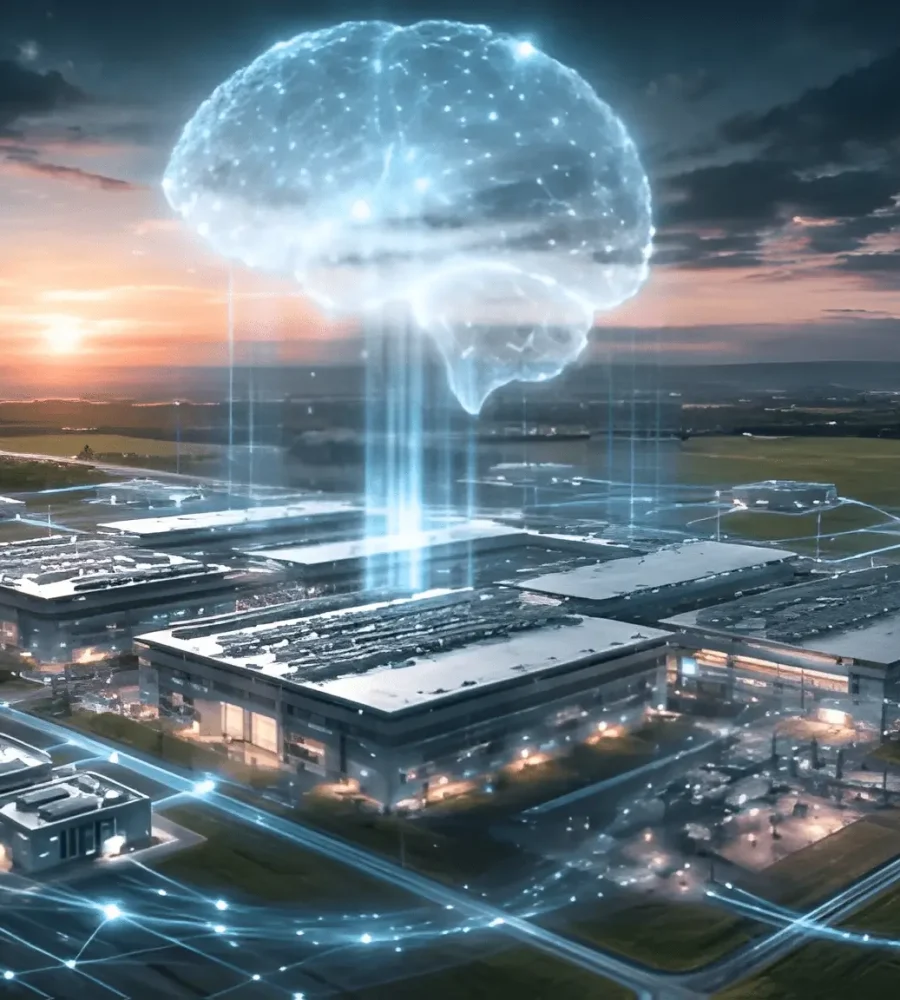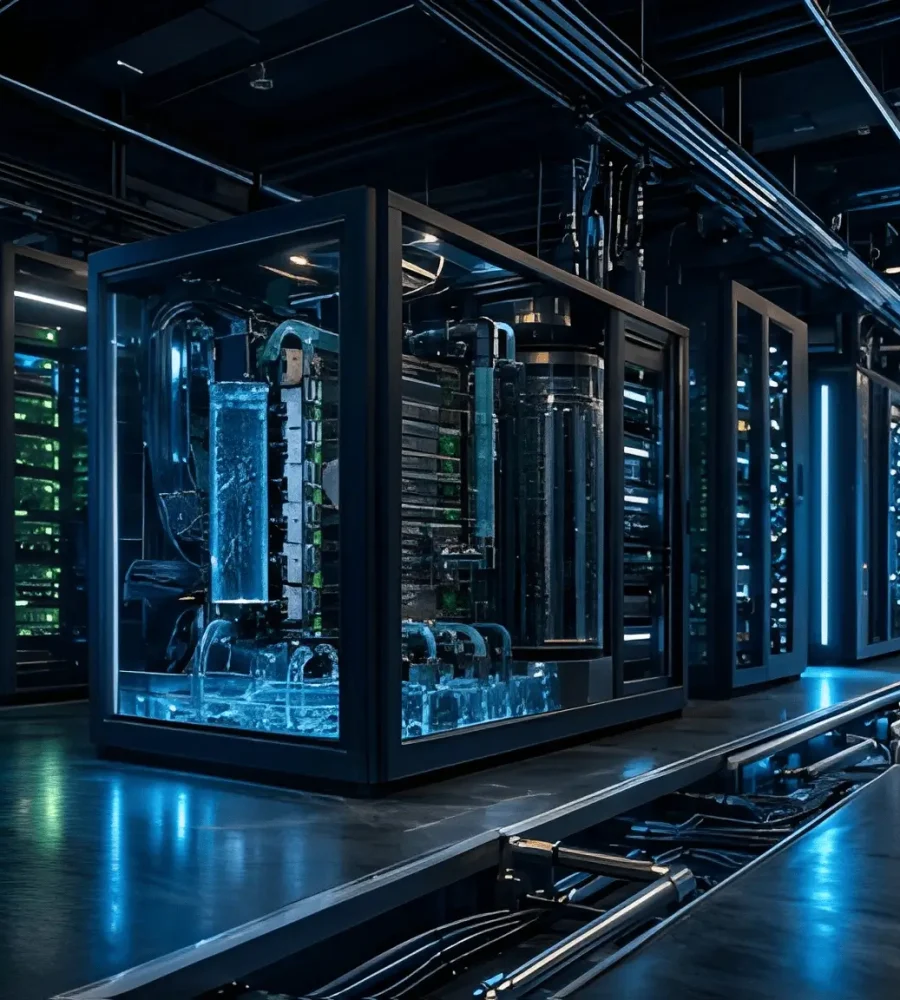

Traditional data center security relied on clearly defined perimeters that segmented defense into outer boundaries, facility interiors, and rack-level protections. This structure created a layered defense model that emphasized physical barriers, controlled entry points, and human-monitored checkpoints across infrastructure zones. However, modern data centers operate under dynamic workloads and distributed architectures that challenge static assumptions about threat boundaries. Security systems now incorporate software-defined frameworks that adjust policies in real time based on observed activity and contextual risk signals. These adaptive architectures enable continuous recalibration of trust levels rather than enforcing fixed access rules that remain unchanged over time. As a result, organizations shift from perimeter-centric protection toward a fluid security posture that aligns with evolving infrastructure conditions.
The transition to adaptive security reflects broader changes in how infrastructure operators perceive threats across digital and physical domains. Static controls cannot effectively address lateral movement risks within highly interconnected systems that span multiple environments. Adaptive models introduce context-aware enforcement mechanisms that evaluate identity, behavior, and environmental signals before granting access permissions. This shift allows security systems to respond dynamically to anomalies instead of relying on predefined threat signatures. Consequently, organizations gain the ability to mitigate risks that emerge within internal networks rather than focusing exclusively on external intrusion attempts. This evolution establishes a more resilient foundation for securing autonomous data center environments.
Software-defined security layers also support policy standardization and coordinated enforcement across distributed infrastructure components, improving consistency while reducing reliance on fragmented manual configuration processes. Administrators can define policies at a high level while allowing automated systems to enforce them across diverse hardware and software environments. This capability helps refine anomaly detection by incorporating contextual behavior analysis, which can improve detection relevance compared to static rule-based systems. In addition, adaptive systems support rapid policy updates that align with new threat intelligence and operational requirements. These features improve both security posture and system responsiveness in high-density computing environments. Therefore, the architecture evolves into a continuously learning system that aligns protection mechanisms with real-time operational realities.
AI as the Core Engine of Modern Security Layers
Artificial intelligence now plays a central role in shaping how security layers function across modern data centers. Machine learning models analyze vast streams of data to identify patterns that indicate potential threats or operational anomalies. These systems process inputs from network traffic, access logs, and environmental sensors to establish baseline behaviors across infrastructure components. Once established, the models detect deviations that may signal malicious activity or system compromise. This approach enables proactive threat identification without relying solely on human monitoring or rule-based systems. AI-driven analysis enhances both the speed and accuracy of security operations at scale.
Behavioral analytics further strengthens security layers by focusing on how users and systems interact with infrastructure over time. Instead of evaluating isolated events, AI models examine sequences of actions to detect suspicious patterns that may indicate insider threats or compromised credentials. This capability reduces false positives that often arise from static rule-based detection systems. Additionally, predictive models can forecast potential risks based on historical trends and emerging threat intelligence. These insights allow operators to take preventive measures before incidents escalate into critical failures. Thus, AI transforms security from a reactive function into a predictive capability embedded across infrastructure layers.
AI integration also supports automated threat classification and prioritization, which streamlines incident response processes. Security systems can assign risk scores to detected anomalies based on severity, likelihood, and potential impact. This prioritization ensures that critical threats receive immediate attention while lower-risk events undergo continuous monitoring. Moreover, AI models improve over time as they learn from new data and feedback from previous incidents. This continuous learning cycle enhances system resilience and reduces operational overhead associated with manual threat analysis. Consequently, AI becomes an essential component of modern layered defense strategies in autonomous environments.
Integrating Security with Data Center Telemetry Systems
Modern data centers generate extensive telemetry data that captures the operational state of power systems, cooling infrastructure, and physical access controls. Security systems increasingly integrate with these telemetry streams to create a unified view of infrastructure health and risk exposure. This integration enables correlation between operational anomalies and potential security threats, which enhances situational awareness across the facility. For instance, unusual power fluctuations combined with unauthorized access attempts may indicate coordinated malicious activity. Such correlations allow systems to identify complex threat scenarios that isolated security tools might overlook. Therefore, telemetry integration strengthens the overall effectiveness of layered defense systems.
The convergence of security and telemetry also supports real-time decision-making within autonomous data center environments. Systems can trigger automated responses based on combined insights from operational and security data streams. This capability supports faster identification and coordinated handling of incidents that could disrupt critical infrastructure. Additionally, integrated platforms provide consolidated visibility that supports coordinated monitoring across distributed facilities. Operators gain a holistic understanding of system performance and risk conditions without relying on fragmented tools. As a result, the infrastructure evolves into a cohesive intelligence layer that aligns security with operational efficiency.
Telemetry-driven frameworks support the identification of operational anomalies that may indicate potential system issues before they escalate into failures. Machine learning models analyze historical data to detect patterns that precede equipment malfunctions or security breaches. These insights enable proactive interventions that reduce downtime and enhance system reliability. Furthermore, integrated systems support compliance efforts by enabling continuous logging and evaluation of infrastructure activity against predefined security standards. This approach ensures consistent adherence to regulatory requirements without manual audits. Hence, the fusion of telemetry and security establishes a data-driven foundation for managing complex data center environments.
Autonomous Response Systems and the Decline of Human Intervention
Autonomous response systems represent a significant advancement in how data centers handle security incidents. These systems detect anomalies, validate threats, and execute mitigation actions without requiring human intervention. Automated workflows enable immediate responses that reduce the time between detection and resolution. This capability proves critical in environments where even minor delays can lead to significant operational disruptions. Human operators still oversee system performance, but automated systems handle routine and high-speed decision-making tasks. As a result, organizations achieve greater efficiency and consistency in their security operations.
The decline of manual intervention does not eliminate human involvement but rather redefines its role within security operations. Experts focus on strategic oversight, system optimization, and complex incident analysis rather than routine monitoring tasks. This shift improves resource allocation and allows organizations to leverage specialized expertise more effectively. Automated systems handle repetitive processes with greater accuracy and speed than human operators. In addition, they standardize repetitive processes, which can improve consistency in execution across security operations.Consequently, the balance between automation and human oversight creates a more resilient operational model.
Autonomous systems also support coordinated responses across multiple layers of infrastructure simultaneously. When a threat emerges, the system can isolate affected components and adjust access controls based on predefined response policies. This coordinated approach minimizes the impact of incidents and prevents their propagation across the infrastructure. Furthermore, automated systems maintain detailed logs of all actions taken during incident response. These records support post-incident analysis and continuous improvement of security strategies. Therefore, autonomous response capabilities play a central role in modern layered defense architectures.
Security at the Asset Layer: Protecting High-Value AI Hardware
High-performance computing environments rely on specialized hardware such as GPU clusters and advanced processing units that represent significant investments. Protecting these assets increasingly involves extending security measures beyond traditional facility-level controls to include more granular monitoring and access management. Access controls now operate at a granular level, ensuring that only authorized users and processes interact with specific hardware components. Monitoring systems track usage patterns and detect anomalies that may indicate unauthorized access or misuse. These measures safeguard critical compute resources that support AI workloads and data-intensive applications. Therefore, asset-level security becomes a vital component of layered defense strategies.
Granular security controls also enable precise management of resource allocation within shared infrastructure environments. Systems can enforce policies that restrict access based on workload requirements, user roles, and operational context. This capability reduces the risk of unauthorized resource consumption and potential data leakage. Additionally, asset-level monitoring supports real-time visibility into hardware performance and utilization. These insights allow operators to identify inefficiencies and potential security risks simultaneously. Hence, security measures evolve to align closely with the operational characteristics of advanced computing systems.
Security as a Self-Regulating Infrastructure Layer
Physical and digital protections converge at the asset layer to create comprehensive defense mechanisms for critical infrastructure components. Hardware-level encryption, secure boot processes, and tamper detection systems enhance the resilience of compute assets. These technologies ensure that hardware operates within trusted parameters and resists unauthorized modifications. In addition, these hardware-level protections can be integrated with broader security monitoring systems to enhance overall visibility into detected threats. This layered approach strengthens the overall security posture of data centers that support AI-driven operations. Ultimately, protecting high-value assets becomes essential for maintaining operational integrity and performance reliability.
Security in autonomous data centers is evolving toward more tightly integrated systems that operate as an integral part of infrastructure rather than solely as an external safeguard. AI-driven models continuously analyze data, adapt policies, and enforce protections without requiring constant human oversight. This transformation aligns security operations with the dynamic nature of modern computing environments. Systems respond to emerging threats with precision and speed that traditional models cannot achieve. Moreover, integrated architectures ensure that security remains consistent across all layers of infrastructure. Consequently, security becomes a foundational element of autonomous operations rather than a reactive function.
The convergence of adaptive architectures, AI-driven analytics, and telemetry integration is contributing to more unified frameworks for managing complex data center environments. Each layer contributes to a cohesive system that maintains stability, performance, and security simultaneously. This holistic approach reduces fragmentation and enhances the overall resilience of infrastructure operations. In addition, autonomous response capabilities ensure that systems can address threats in real time without disrupting critical workloads. These advancements redefine how organizations approach infrastructure protection in an increasingly digital world. Thus, layered defense systems transition into intelligent ecosystems that support continuous innovation.
Future developments are expected to further refine these systems with a focus on improving scalability, interoperability, and transparency across diverse environments. Emerging technologies will enhance the ability of security systems to anticipate risks and adapt to new operational challenges. Organizations will continue to invest in solutions that integrate seamlessly with existing infrastructure while supporting future growth. This ongoing evolution ensures that security remains aligned with the demands of autonomous data center operations. As the industry progresses, security will function as a core component of infrastructure intelligence. Ultimately, self-regulating systems will define the next phase of data center security innovation.