Traditional data centers evolved around uniform cooling strategies that assumed consistent heat output across all workloads and hardware configurations. This approach relied heavily on air-based cooling systems designed to maintain a narrow temperature band across the entire facility. However, modern compute environments now include highly heterogeneous workloads that generate vastly different thermal profiles within the same physical footprint. AI training clusters often produce extreme heat densities, while legacy applications continue to operate within moderate thermal envelopes. Consequently, uniform cooling introduces inefficiencies by overcooling some areas while struggling to meet the demands of others. This mismatch between cooling supply and workload demand has driven architects to reconsider the foundational assumptions of facility design.
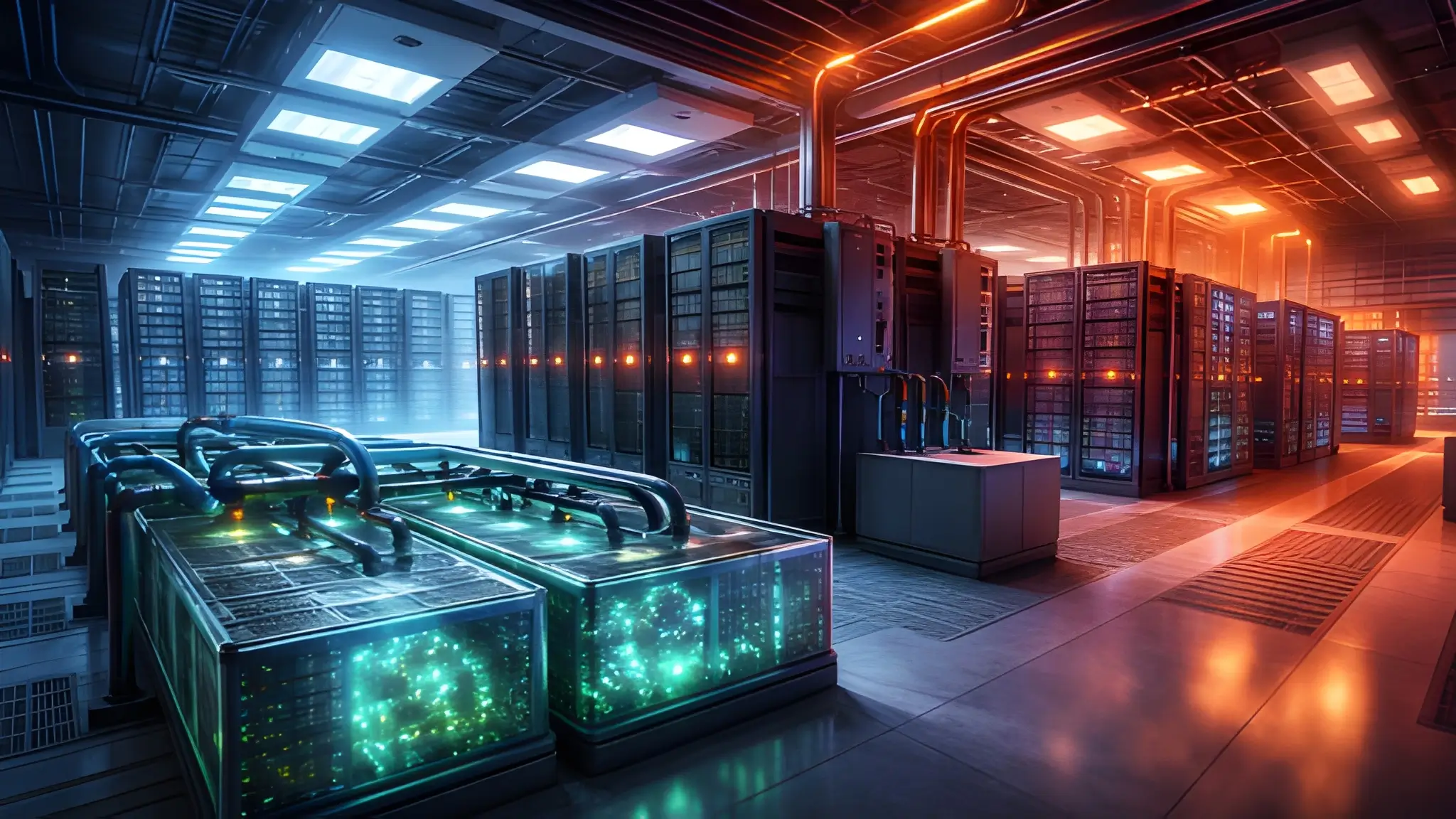
Data center designers now implement segmented thermal environments that align cooling strategies with workload-specific heat characteristics. Instead of maintaining a single temperature target, facilities divide into zones that operate under distinct thermal conditions tailored to compute intensity. High-density racks receive advanced cooling methods, while lower-density systems remain within traditional air-cooled environments. This segmentation enables more precise control over thermal performance and energy consumption across the facility. As a result, operators gain the ability to optimize both capital deployment and operational efficiency without compromising system reliability. The shift toward zoning reflects a broader transition from static infrastructure to adaptive and workload-aware facility design, although this approach remains an emerging practice rather than a universally standardized model across all data center environments.
Zoned architectures require significant changes in physical design, including floor layouts, airflow management, and infrastructure placement. Designers must account for spatial separation between high-temperature and low-temperature zones to prevent cross-contamination of thermal conditions. This often involves creating dedicated aisles, modular pods, or even separate halls within the same campus. Additionally, structural planning must integrate different cooling technologies without creating operational conflicts or maintenance complexity. Engineers also need to consider how future expansions will integrate into existing thermal zones without disrupting performance. These structural considerations establish the foundation for scalable and resilient multi-temperature environments.
Mapping Workloads to Thermal Tiers
Workload classification plays a central role in assigning systems to appropriate thermal tiers within a zoned facility. AI training workloads generate sustained high power densities that can exceed traditional cooling thresholds, often making them strong candidates for liquid or immersion cooling while in some cases remaining supportable through advanced or hybrid air-based systems. Inference workloads, while still demanding, often operate at lower intensities and may function effectively within hybrid cooling environments. Legacy enterprise applications typically exhibit predictable and moderate thermal characteristics that align well with air-cooled infrastructure. This differentiation allows operators to match cooling resources directly with workload requirements rather than applying a one-size-fits-all approach. Precise mapping reduces energy waste and enhances overall system efficiency across the data center.
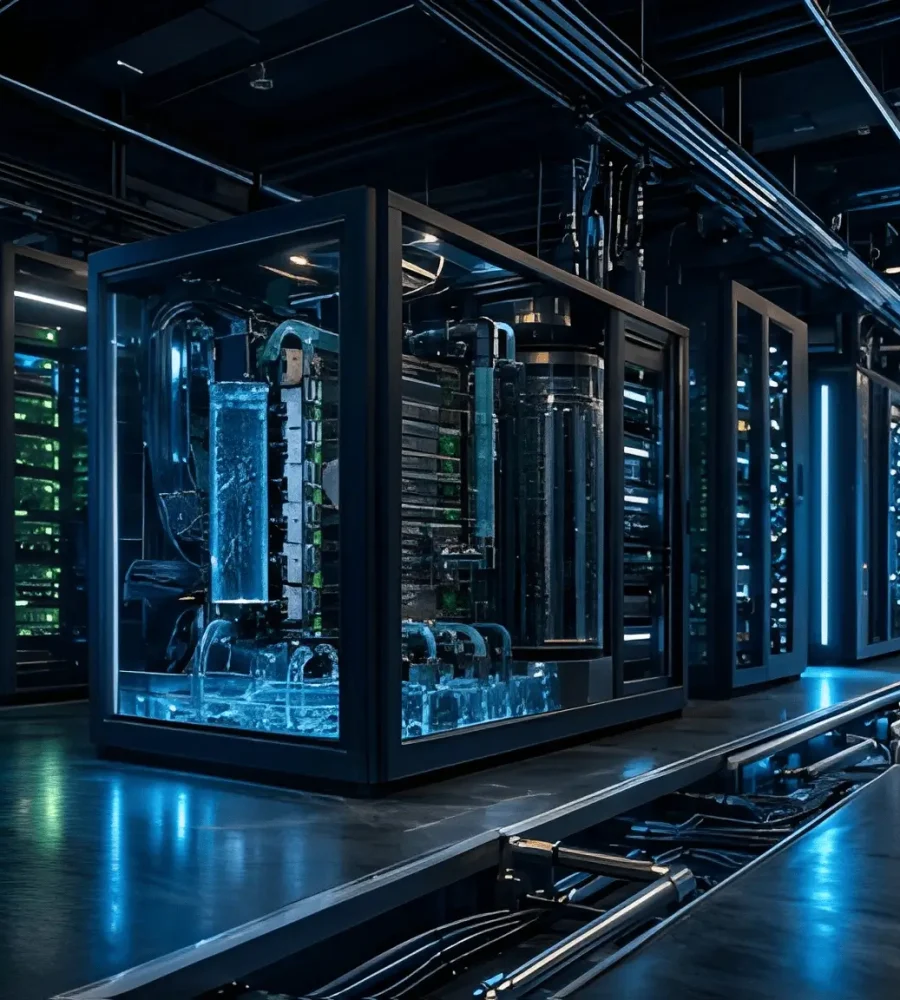
Air cooling continues to serve as a viable solution for low to medium density workloads due to its cost efficiency and operational familiarity. Liquid cooling technologies, including direct-to-chip systems, provide superior heat transfer capabilities for high-performance computing environments. Immersion cooling offers an even higher thermal capacity by submerging hardware in dielectric fluids, enabling extreme density deployments. Each cooling method presents unique operational considerations, including maintenance complexity, capital costs, and integration requirements. Mapping workloads to these technologies requires a comprehensive understanding of both thermal behavior and infrastructure constraints. This alignment ensures that each zone operates at optimal efficiency while maintaining system stability.
Workloads rarely remain static, as application demands and hardware configurations evolve over time. Therefore, thermal tiering strategies must accommodate dynamic reassignment of workloads across different cooling zones. Facilities increasingly rely on modular infrastructure that allows operators to reconfigure zones without extensive downtime or reconstruction. This adaptability supports long-term scalability and protects investments in cooling infrastructure. Moreover, workload mobility introduces new opportunities for optimizing energy consumption based on real-time conditions, although dynamic reassignment across cooling tiers remains limited to specific implementations and is not yet widely standardized in production environments. Consequently, thermal zoning becomes a flexible framework rather than a rigid design constraint.
Designing Physical Boundaries Between Temperature Zones
Effective containment plays a critical role in maintaining distinct temperature zones within a shared facility. Hot aisle and cold aisle containment systems provide a baseline approach for separating airflow streams and preventing mixing. Advanced designs extend this concept by incorporating fully enclosed pods or chambers for high-density zones. These containment structures ensure that heat generated within one zone does not impact adjacent environments. Proper sealing and airflow control mechanisms enhance the efficiency of cooling systems across all zones. The success of thermal zoning depends heavily on the integrity of these physical boundaries.
Airflow dynamics must be carefully managed to maintain stability across different thermal zones. Pressure differentials between zones can lead to unintended airflow patterns that disrupt cooling efficiency, particularly when airflow management and containment strategies are not precisely calibrated using established HVAC design principles. Engineers design ventilation systems that regulate airflow direction and velocity to support each zone’s specific requirements. Computational fluid dynamics modeling is frequently used to guide these designs by predicting and mitigating potential airflow and thermal distribution issues before implementation. Balanced airflow ensures that cooling resources remain localized and effective within each segment of the facility. This precision reduces energy waste and prevents thermal interference between zones.
Physical layout decisions influence how effectively thermal zones operate within a data center campus. Designers often position high-density zones closer to specialized cooling infrastructure to minimize energy loss during heat transfer, and in many cases introduce varying degrees of physical or functional separation between high-density and low-density environments based on operational requirements. Low-density zones may occupy peripheral areas where traditional cooling systems can operate efficiently. Transition areas between zones require careful planning to avoid abrupt thermal gradients that could impact equipment performance. Modular layouts enable incremental expansion while preserving the integrity of existing zones. Strategic placement of infrastructure components enhances both operational efficiency and long-term scalability.
Orchestrating Workload Placement Across Cooling Domains
Software-defined infrastructure introduces a new layer of control over workload placement within zoned data centers, although its application to thermal-aware optimization remains an evolving capability rather than a fully mature operational standard. Orchestration platforms analyze thermal capacity, workload demand, and system performance to determine optimal placement strategies. These systems integrate with hardware sensors to monitor real-time temperature and power metrics across the facility. Intelligent algorithms use this data to allocate workloads dynamically, ensuring that each zone operates within its optimal range. This approach reduces manual intervention and enhances responsiveness to changing conditions. The integration of software and physical infrastructure represents a significant advancement in data center operations.
Thermal-aware scheduling extends beyond traditional resource allocation by incorporating temperature and cooling capacity into decision-making processes, primarily within research and early-stage deployments rather than widespread production environments. Workloads can shift between zones based on real-time thermal conditions, preventing localized overheating and improving efficiency. This capability supports higher utilization rates without compromising system stability or performance. Advanced scheduling algorithms consider factors such as latency sensitivity, workload priority, and energy consumption. These mechanisms enable operators to balance performance objectives with sustainability goals. As a result, thermal zoning becomes an active component of operational strategy rather than a passive design feature.
Artificial intelligence plays an increasingly important role in optimizing workload placement across cooling domains. Machine learning models analyze historical data and real-time inputs to predict thermal behavior and resource requirements, with such capabilities currently emerging through advanced optimization frameworks and digital twin implementations. These insights enable proactive adjustments that prevent inefficiencies and reduce operational risks. AI-driven systems can also identify patterns that human operators might overlook, leading to more refined optimization strategies. This integration enhances the overall effectiveness of thermal zoning by aligning infrastructure performance with workload dynamics. The combination of AI and zoned architectures represents a forward-looking approach to data center management.
Power and Heat Flow Coordination Across the Facility
Power distribution systems must align closely with the thermal characteristics of each zone to ensure efficient operation. High-density zones require robust electrical infrastructure capable of supporting elevated power demands without introducing instability. This includes dedicated power feeds, advanced distribution units, and enhanced redundancy mechanisms. Lower-density zones can operate with more conventional power configurations, reducing overall infrastructure costs. Coordinated design ensures that energy supply matches the thermal and computational requirements of each segment. This synchronization enhances both reliability and efficiency across the facility.
Heat rejection systems play a critical role in maintaining the balance between power consumption and thermal output. Zoned data centers often integrate multiple cooling technologies, including chillers, cooling towers, and liquid cooling loops. Each system must operate in harmony to manage the diverse thermal loads generated across different zones. Engineers design these systems to handle peak demand scenarios while maintaining efficiency during normal operations. Integration challenges arise when coordinating different cooling methods within a single facility. Effective design ensures that heat removal processes remain consistent and reliable across all zones.
Thermal zoning contributes to improving energy efficiency by aligning cooling resources with actual workload demands, although quantified benefits vary by implementation and are often inferred from broader cooling optimization practices rather than isolated zoning metrics. Facilities can reduce overcooling and minimize wasted energy by targeting specific zones rather than applying uniform cooling. This approach supports sustainability goals by lowering overall power consumption and reducing carbon emissions. Operators also gain greater visibility into energy usage patterns, enabling more informed decision-making. Energy efficiency metrics such as power usage effectiveness benefit from the precision offered by zoned architectures. The focus on sustainability continues to drive innovation in data center design and operation.
Establishing a Foundation for Future Data Centers
Thermal zoning has emerged as a significant design approach for supporting diverse and evolving workloads, though it has not yet reached the level of a universally adopted foundational standard across the data center industry. The integration of multiple cooling technologies within a single facility enables operators to address the unique thermal demands of modern computing environments. This approach enhances flexibility, allowing data centers to adapt to changes in workload composition and technological advancements. Moreover, zoned architectures support higher density deployments without compromising efficiency or reliability. The transition toward multi-temperature environments reflects a broader shift in how infrastructure aligns with application requirements.
AI workloads continue to drive significant changes in data center design, particularly in terms of power density and cooling requirements. Thermal zoning provides a scalable framework for accommodating these demands without overhauling entire facilities. By isolating high-intensity workloads within specialized zones, operators can maintain stability across the broader infrastructure. This strategy reduces the risk of thermal bottlenecks and enhances overall system performance. As AI adoption grows, zoned architectures will likely become a standard feature in new data center developments. The ability to scale efficiently positions thermal zoning as a critical component of future-ready infrastructure.
Industry adoption of thermal zoning continues to accelerate as organizations recognize its benefits in efficiency, scalability, and performance optimization. Standards and best practices are beginning to emerge, providing guidance for implementing zoned architectures effectively. Collaboration between hardware vendors, infrastructure providers, and software developers will play a key role in refining these approaches. A standardized framework will help ensure consistency and interoperability across different data center environments. This evolution marks a significant step toward more intelligent and adaptive infrastructure design. Thermal zoning stands poised to redefine how data centers operate in an increasingly complex digital landscape.