 Skip to content
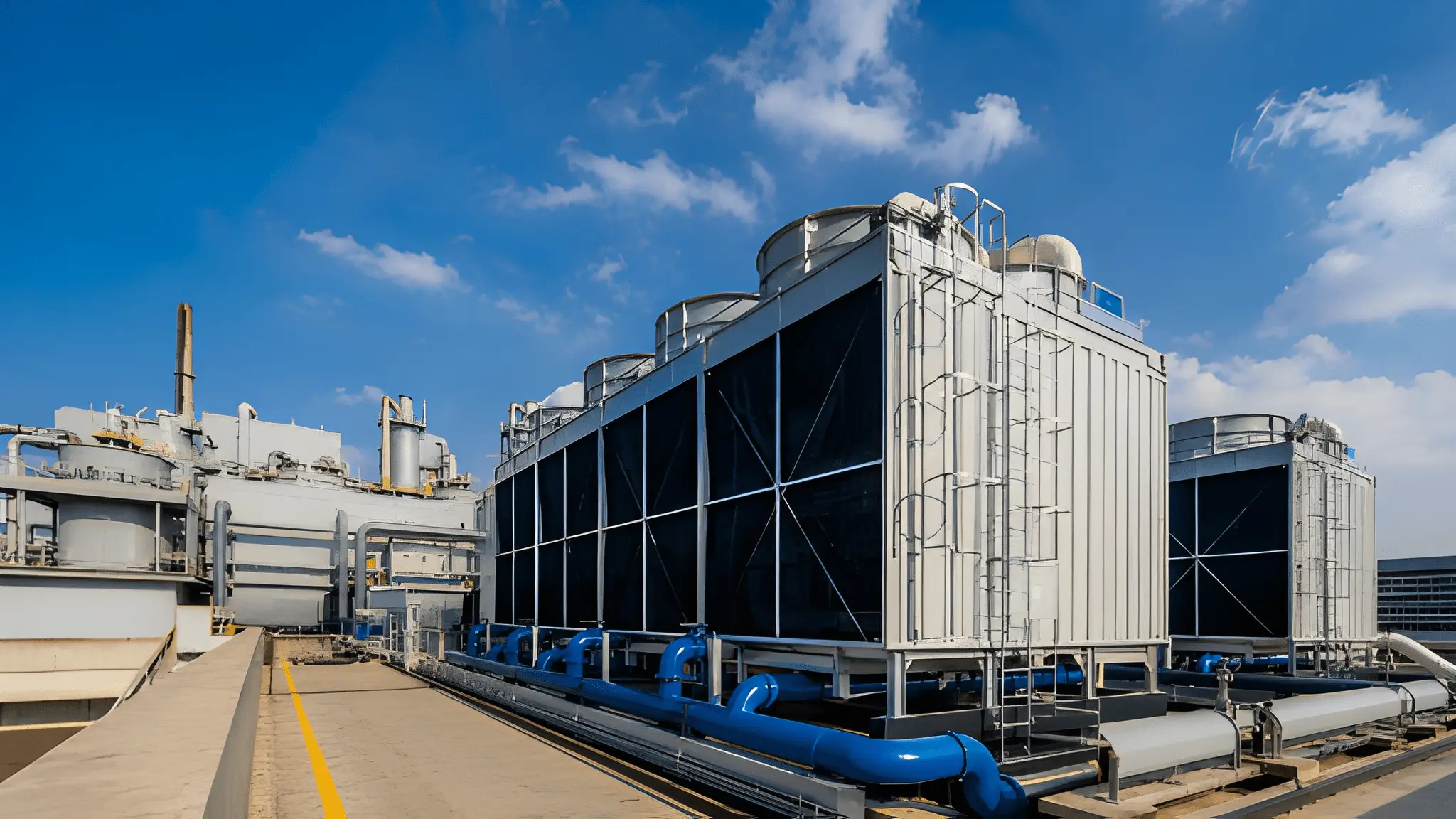
Industrial expansion rarely changes because of a single engineering preference, yet water governance has started reshaping investment decisions across Vietnam’s manufacturing corridors. Foreign manufacturers entering industrial parks increasingly evaluate cooling system selection alongside environmental permitting requirements, utility availability, operational resilience, and long-term infrastructure planning before construction begins, because these factors directly influence project approval, operating costs, and compliance obligations under Vietnam’s industrial park and environmental regulations. Provincial authorities now treat industrial water management as part of economic resilience instead of a routine utility consideration because drought exposure, competing municipal demand, and export sustainability expectations continue to evolve. Investors therefore encounter contractual language that extends beyond conventional environmental compliance by connecting cooling performance with regional resource management priorities. Understanding these developments requires examining provincial lease structures, land allocation policies, export expectations, operational audits, and climate resilience through a technical rather than purely environmental perspective.

The Drought Clause Hiding in Provincial Leases
Industrial park developers commonly require prospective tenants to demonstrate compliance with applicable environmental regulations, wastewater management requirements, and approved infrastructure capacity during project approval, with detailed environmental obligations incorporated into investment documentation and operating agreements in accordance with Vietnam’s industrial park management framework. Provincial authorities may implement water conservation measures or adjust water resource management during periods of reduced water availability under Vietnam’s Water Resources Law, requiring industrial facilities to comply with applicable operating restrictions issued by competent authorities rather than relying solely on utility pricing. Provinces including Bac Ninh, Binh Duong, and Da Nang continue implementing national water resource legislation through provincial planning, environmental permitting, and industrial park management practices that support sustainable allocation of local water resources. Foreign investors therefore face contractual exposure that extends beyond monthly utility costs because production continuity may depend upon compliance with locally administered resource management measures.
Provincial governments have adopted this contractual approach because industrial expansion increasingly competes with municipal supply, agricultural demand, and seasonal climate variability across several economic regions. Vietnam’s national water resource framework also gives local authorities broader responsibility for balancing socio-economic development with basin-level resource protection through implementation measures that reflect regional conditions. Engineering consultants assisting multinational manufacturers routinely review lease documentation together with environmental permits, utility agreements, and regulatory approvals to identify compliance obligations that may influence production planning throughout the investment lifecycle. Legal advisers likewise recommend translating technical cooling specifications into measurable compliance indicators before financial close because ambiguous performance commitments create unnecessary commercial uncertainty. However, operators selecting systems that minimize evaporative dependence often gain greater flexibility when authorities activate temporary conservation measures linked to hydrological conditions. This emerging contractual model signals that cooling infrastructure has become a strategic compliance decision rather than a straightforward mechanical procurement exercise.
Why Wet Towers Just Became a Land-Use Liability
Industrial land allocation within Vietnam increasingly reflects long-term infrastructure efficiency because provincial planners must balance manufacturing growth with finite utility capacity and environmental performance objectives. Cooling infrastructure that requires extensive water treatment equipment, blowdown handling, storage facilities, and supporting utility corridors can consume valuable developable land inside industrial estates where expansion rights remain tightly managed. Park operators therefore evaluate not only building footprints but also auxiliary infrastructure that influences future zoning flexibility for both existing tenants and neighboring developments. Engineering layouts with compact recirculating designs frequently preserve additional space for production expansion, logistics improvements, or renewable energy integration without requiring substantial redesign of supporting utilities. Developers recognize that industrial land represents a strategic regional asset whose productivity extends beyond initial factory construction into decades of operational evolution. Cooling selection consequently influences land utilization efficiency alongside thermal performance, maintenance planning, and infrastructure integration.
Industrial park expansion planning increasingly considers efficient land utilization, infrastructure capacity, environmental compliance, and utility availability because provincial authorities must balance new investment with long-term regional development objectives. Large evaporative installations can reduce layout flexibility by introducing buffer requirements, water handling infrastructure, and maintenance access zones that remain unavailable for future productive use. Technical planners increasingly compare lifecycle land productivity alongside capital expenditure because unused industrial space carries measurable economic value within rapidly developing manufacturing clusters. Consequently, investors assessing greenfield opportunities examine whether cooling architecture supports modular production growth without requiring extensive utility relocation after initial commissioning. Park management companies also favor infrastructure that simplifies long-term estate planning because standardized utility configurations reduce operational complexity across multiple industrial tenants. This relationship between cooling design, infrastructure planning, and land utilization illustrates why engineering decisions increasingly influence long-term facility flexibility alongside conventional equipment performance metrics.
How China’s 55–60% Wet-Tower Legacy Is Costing Vietnam Exports
China’s manufacturing expansion over several decades made widespread use of evaporative cooling technologies across many industrial sectors because these systems have long provided reliable thermal performance for large-scale industrial operations. Numerous established industrial facilities continue operating evaporative cooling systems that were installed under earlier engineering and economic priorities before supply-chain sustainability reporting became a common procurement expectation among many multinational customers. European and Japanese customers increasingly evaluate environmental performance through supplier assessment frameworks that extend beyond carbon emissions into broader resource stewardship indicators, including freshwater consumption and water management transparency. Vietnamese industrial park developers increasingly promote environmentally responsible infrastructure and resource efficiency because international manufacturers and global customers place growing emphasis on sustainability performance across supply chains. Procurement teams reviewing supplier qualification documents now request detailed environmental disclosures alongside production capability because environmental governance has become part of commercial risk management.

This strategic distinction reflects changing procurement behavior instead of suggesting that every international customer applies identical evaluation criteria across manufacturing sectors. Buyers supplying regulated industries increasingly request environmental performance documentation covering water withdrawal, wastewater management, and operational resilience because disclosure frameworks continue expanding throughout global supply chains. Vietnamese industrial developers therefore seek infrastructure strategies that reduce future reporting complexity while supporting customer expectations for measurable environmental performance throughout manufacturing operations. Engineering consultants advising multinational investors increasingly compare cooling technologies according to lifecycle resource intensity alongside conventional reliability and operating cost assessments during early project planning. Investment committees likewise consider whether cooling infrastructure can support future sustainability reporting obligations without requiring extensive retrofits after commercial operations commence. These commercial dynamics explain why provincial authorities increasingly encourage resource-efficient infrastructure choices that strengthen manufacturing competitiveness within demanding international export markets.
The Auditing Problem: Proving You’re Not Evaporating
Demonstrating responsible industrial water management increasingly requires measurable operational evidence because regulatory authorities expect verifiable documentation instead of engineering declarations alone. Provincial environmental oversight frameworks continue expanding digital reporting requirements through calibrated metering, wastewater monitoring, discharge sampling, and periodic inspections that establish documented operational performance across industrial facilities. Foreign manufacturers therefore encounter growing expectations for maintaining accurate monitoring records capable of supporting compliance reviews conducted by regulators, industrial park management companies, and qualified independent auditors. Modern supervisory systems integrate flow measurement, equipment operating data, maintenance records, and environmental monitoring into centralized compliance documentation that supports routine verification activities throughout facility operation. Engineering managers increasingly prioritize instrumentation accuracy because incomplete operational records can complicate regulatory reviews even when equipment performs within approved operating parameters. Reliable measurement infrastructure has therefore become an operational necessity rather than an optional sustainability initiative.
International supply chains also place greater emphasis on transparent environmental reporting because manufacturers increasingly support customer due diligence, certification programs, and sustainability disclosure obligations through independently verifiable operational information. Regulatory authorities and international customers may require additional documentation or clarification when environmental reporting forms part of contractual obligations, certification programs, or product-specific compliance requirements. Companies consequently invest in standardized monitoring systems that simplify document preparation before export inspections, customer assessments, or environmental compliance reviews occur during routine commercial operations. Furthermore, third-party verification providers increasingly evaluate monitoring methodologies, calibration procedures, sampling consistency, and record integrity because reliable environmental reporting depends upon trustworthy operational data rather than estimated performance. Digital compliance platforms also reduce administrative complexity by consolidating engineering records into auditable reporting structures that support internal governance and external regulatory engagement.
The New Site-Selection Rulebook: Closing Thoughts
Industrial location decisions across Vietnam increasingly require multidisciplinary evaluation because environmental governance, commercial competitiveness, infrastructure resilience, and export readiness now influence project viability alongside traditional cost considerations. Provincial authorities continue strengthening resource management expectations through planning frameworks that encourage efficient industrial development capable of supporting long-term regional economic growth without placing unnecessary pressure upon finite freshwater resources. Foreign manufacturers entering new industrial parks should therefore review lease provisions, engineering specifications, compliance obligations, monitoring requirements, and future expansion conditions before finalizing infrastructure investments. Early collaboration between engineering consultants, legal advisers, environmental specialists, and commercial decision-makers often reduces implementation risk because contractual obligations increasingly intersect with technical system design. Organizations that integrate resource efficiency into initial project planning generally improve operational flexibility while reducing the likelihood of unexpected compliance modifications during future regulatory updates. Cooling infrastructure has therefore become an investment governance consideration instead of remaining solely a mechanical engineering decision.
Vietnam’s evolving industrial policy illustrates a distinct infrastructure direction that emphasizes resource stewardship alongside manufacturing competitiveness without simply replicating historical development approaches adopted elsewhere in Asia. Industrial parks increasingly recognize that future investment attractiveness depends upon demonstrating measurable operational resilience, transparent environmental governance, and efficient infrastructure capable of supporting internationally integrated supply chains under changing regulatory expectations. Investors negotiating long-term industrial leases should carefully assess contractual flexibility, environmental compliance responsibilities, monitoring requirements, infrastructure scalability, and engineering performance obligations before committing capital to new manufacturing developments, because these factors increasingly influence long-term operational resilience and regulatory compliance. Decision-makers that incorporate these considerations into early project evaluation position their manufacturing investments to adapt more effectively as provincial governance frameworks continue evolving over the coming years.












