Skip to content
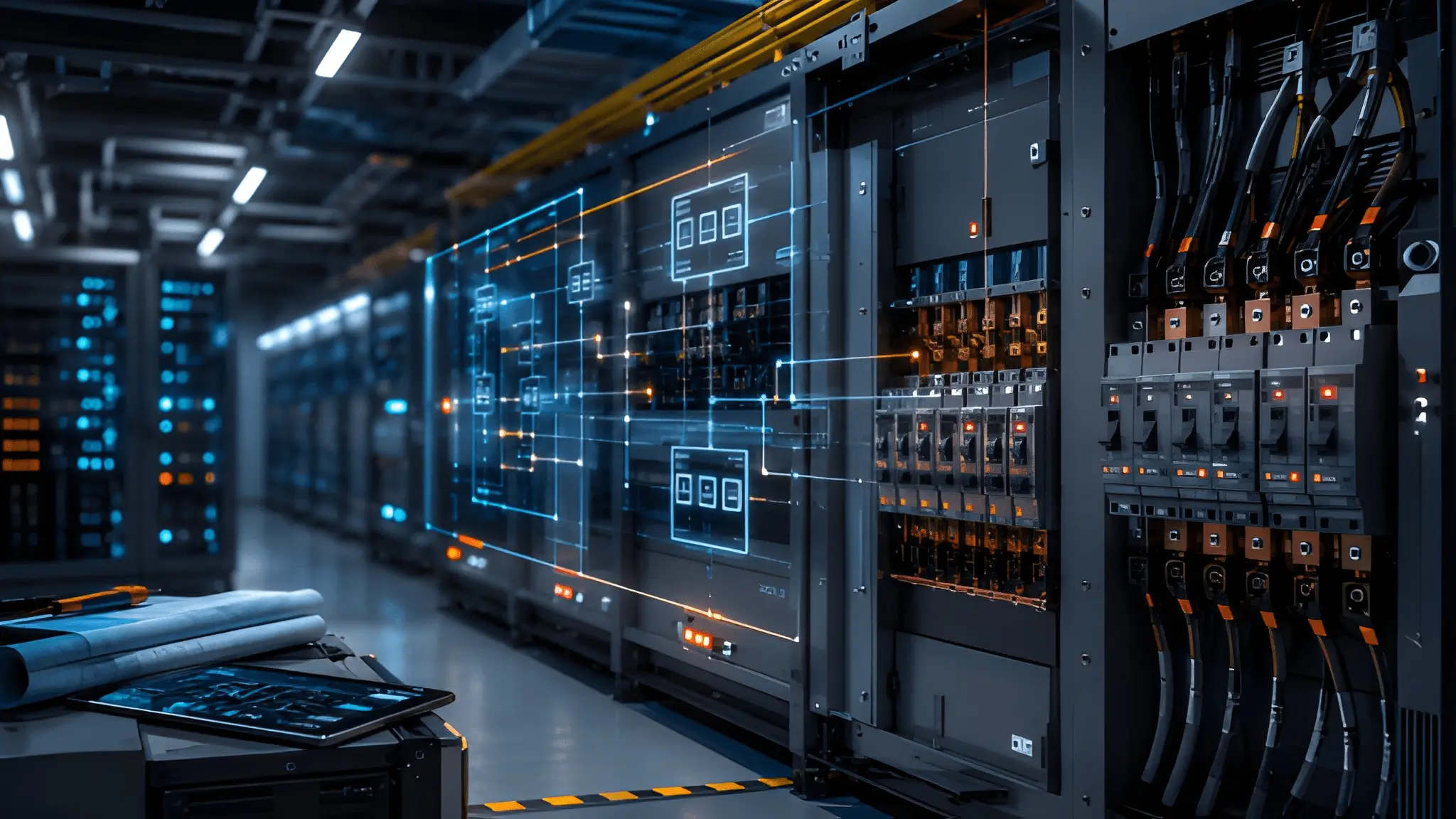
Electrical infrastructure rarely attracts executive attention when AI programs launch because processors, networking, and software dominate most planning discussions. That perspective changes immediately when a power upgrade interrupts a production cluster that serves customers, trains foundation models, or supports continuous inference pipelines without an available maintenance window. Modern AI environments consume electrical capacity differently from traditional enterprise computing because synchronized accelerator workloads produce dense, sustained demand rather than the highly variable utilization patterns that older infrastructure expected. Every electrical component therefore becomes part of application availability instead of remaining hidden behind walls and switchboards. Capacity planning must now evolve alongside AI deployment schedules because electrical modernization has become an operational dependency rather than a background construction activity. Organizations that understand this relationship approach power revamps as carefully staged engineering programs instead of isolated electrical projects.

Most modernization programs begin long before aging equipment reaches end of life because AI expansion usually exposes architectural limits that never appeared under conventional server workloads. Existing transformers, busways, distribution panels, and protection devices often continue operating within design specifications while still limiting future rack density or deployment flexibility. Technical leaders therefore face a difficult balance between maintaining uninterrupted production and replacing infrastructure that no longer matches evolving electrical behavior. Many large-scale AI training environments and continuously operating inference platforms have limited opportunities for planned maintenance windows, making staged electrical modernization a more practical approach than full shutdowns whenever system architecture and operational requirements permit. Successful upgrades now depend on staged execution, detailed monitoring, temporary redundancy, and disciplined commissioning instead of broad maintenance outages. Those engineering choices determine whether electrical modernization accelerates AI adoption or quietly delays it.
The True Cost of a 2-Hour Power Cut to Your Model
A scheduled electrical shutdown appears manageable when viewed through the lens of maintenance planning because the interruption has a defined beginning and end. AI platforms experience the same event very differently because distributed training jobs often require coordinated recovery across hundreds or thousands of synchronized accelerators before productive work resumes. Checkpoints reduce computational loss but they do not eliminate restart complexity, validation activities, scheduler delays, or resource reallocation after infrastructure returns to service. Production inference environments encounter similar challenges because queued requests, cache rebuilding, and workload redistribution continue after electrical power has stabilized. Every interruption therefore extends beyond the physical restoration of electricity into a longer period of application normalization. Business continuity planning must evaluate that complete operational timeline rather than measuring only electrical outage duration.
Understanding Downtime Beyond Electrical Availability
Infrastructure teams historically planned electrical maintenance around application maintenance windows because business software tolerated predictable service interruptions without extensive operational consequences. AI environments reverse that assumption because long-running training sessions, continuous inference services, and tightly coupled GPU clusters depend upon uninterrupted electrical stability throughout execution. Electrical engineers therefore need direct visibility into workload characteristics before defining any modernization sequence because identical maintenance activities create different operational outcomes across different AI platforms. Project planning becomes stronger when electrical schedules incorporate orchestration platforms, checkpoint intervals, workload migration strategies, and application dependencies from the beginning. Cross-functional planning helps reduce technical risks by ensuring that electrical engineers, infrastructure operators, and platform teams evaluate infrastructure changes using a shared operational timeline before implementation begins. Electrical modernization should therefore be planned as an integrated availability program that aligns construction activities with operational workload requirements rather than treating infrastructure work as an isolated construction schedule.

Operational resilience also depends upon understanding secondary effects that appear after power restoration instead of assuming systems immediately return to steady-state operation. Authentication services, storage synchronization, orchestration platforms, monitoring systems, and network fabrics frequently require staged recovery before GPU workloads resume normal execution. Infrastructure telemetry should therefore verify service health continuously during restart rather than relying solely on successful equipment energization as evidence of readiness. Recovery validation deserves the same engineering discipline as shutdown preparation because incomplete verification allows hidden failures to propagate into production workloads. AI operators increasingly define successful maintenance by application performance rather than electrical availability because business outcomes ultimately depend upon computational continuity. That shift fundamentally changes how electrical revamps are evaluated across modern AI environments.
Electrical Risk Has Become Application Risk
Electrical modernization has moved beyond replacing aging assets because AI computing depends upon uninterrupted energy delivery throughout every stage of model execution. Engineers now evaluate each planned intervention by examining how it affects workload orchestration, storage synchronization, network stability, and accelerator utilization rather than focusing only on energized equipment. Every modification inside the power distribution chain therefore requires a workload impact assessment before the first breaker opens or the first conductor disconnects. Project managers increasingly coordinate electrical schedules with infrastructure architects because application recovery often consumes more operational effort than the physical upgrade itself. Maintenance planning also includes rollback procedures that restore known electrical configurations if commissioning identifies unexpected behavior under production load. That disciplined preparation transforms infrastructure upgrades into controlled engineering exercises instead of high-risk operational events.
Electrical engineers also benefit from understanding the execution characteristics of AI platforms because not every workload reacts identically to temporary power disruption. Distributed model training generally depends upon synchronized communication between compute nodes, which means the interruption of only part of a cluster can invalidate the progress of an entire training session. Inference clusters often distribute requests dynamically, yet they still depend upon stable backend services that maintain model state, caching, authentication, and orchestration throughout continuous operation. Those dependencies require electrical planners to classify workloads according to recovery complexity before defining upgrade sequences across switchboards, transformers, busways, or power distribution units. Infrastructure decisions therefore become increasingly informed by operational behavior rather than solely by electrical topology or equipment condition. Successful modernization ultimately emerges from aligning electrical engineering with application engineering instead of treating them as separate disciplines.
Live Bus Tap: Keeping AI Clusters Fed During the Swap
Electrical expansion once followed a predictable maintenance philosophy because adding capacity usually required complete de-energization of affected distribution paths before new equipment entered service. That practice aligned well with conventional server environments where maintenance windows occurred during evenings or weekends without creating substantial operational disruption. AI computing has altered that expectation because large-scale training environments and inference platforms increasingly operate continuously across multiple geographical regions without meaningful idle periods. Planned outages therefore introduce operational uncertainty that extends well beyond electrical safety because distributed computing environments expect stable power throughout long execution cycles. Infrastructure teams must consequently adopt construction methodologies that preserve energized systems while safely expanding electrical capacity. Modern busway architecture supports this objective by enabling carefully engineered phased expansion strategies that reduce dependency on complete electrical shutdowns.
Why Traditional Shutdown Planning No Longer Fits AI Infrastructure
Busway systems provide a modular distribution architecture that differs significantly from conventional cable-based expansion because tap-off locations allow power distribution to evolve alongside changing rack layouts. Additional capacity can often be introduced by extending existing busway sections, installing new tap boxes, or expanding energized distribution paths under carefully controlled engineering procedures rather than replacing complete electrical runs. Those capabilities reduce construction complexity because crews modify only the affected electrical segment instead of rebuilding entire distribution corridors throughout an operating hall. Electrical engineers still perform extensive risk assessments before beginning any energized work because personnel safety remains the highest operational priority during infrastructure modification. Equipment manufacturers also define detailed installation procedures that specify acceptable working methods, inspection requirements, and testing processes before newly installed sections become operational.
Construction planning also changes because every installation phase must coordinate with infrastructure monitoring systems that continuously verify electrical behavior throughout the upgrade process. Temporary instrumentation frequently observes current balance, voltage stability, harmonic performance, and thermal conditions while new distribution components integrate with existing infrastructure. Engineers review those measurements continuously because early detection of abnormal electrical behavior prevents localized issues from affecting production AI workloads. Project sequencing therefore becomes an active operational process rather than a checklist completed after construction activities finish. Modern electrical revamps increasingly rely upon continuous observation because energized infrastructure provides immediate operational feedback throughout each implementation stage. That combination of modular electrical design and disciplined monitoring enables phased expansion strategies that support ongoing AI operations while increasing available electrical capacity.
Sectional Expansion Instead of Full Replacement
Traditional maintenance windows have historically aligned with many conventional enterprise server environments, whereas continuously operating AI platforms often require modernization strategies that minimize planned service interruptions. Contemporary busway platforms support sectional expansion strategies that allow engineers to retain functional distribution components while introducing new capacity only where operational demand requires additional electrical resources. That incremental approach reduces construction scope because crews work within defined electrical zones instead of disturbing every downstream distribution path. AI environments benefit from this methodology because localized electrical work minimizes the number of compute clusters exposed to infrastructure changes during each implementation phase. Engineering teams can therefore divide modernization into smaller projects that remain easier to validate, monitor, and commission throughout execution. The resulting flexibility supports long-term electrical evolution without requiring repeated infrastructure-wide shutdowns.
The operational advantage of sectional expansion ultimately depends upon disciplined coordination between design engineers, commissioning specialists, operations personnel, and workload planners throughout every construction phase. Each group contributes information that improves implementation sequencing while reducing uncertainty before electrical modifications begin inside active AI environments. Infrastructure teams can then validate electrical integrity incrementally instead of relying upon a single high-risk commissioning event after complete installation. Progressive verification also simplifies troubleshooting because engineers isolate unexpected behavior within smaller implementation boundaries rather than investigating an entire electrical system simultaneously. AI infrastructure continues operating with greater stability because modernization progresses alongside production workloads instead of competing against them for limited maintenance windows. Electrical flexibility therefore becomes a strategic capability that enables continuous AI growth without forcing repeated operational interruptions.
Why Your Old Breakers Can’t See AI Inrush Anymore
Electrical protection devices perform exactly as they were engineered when operating within the assumptions that existed during their original design. Many existing protection coordination studies were developed around historical IT load profiles that generally exhibited different electrical demand characteristics than today’s high-density AI computing environments. AI clusters introduce a very different electrical signature because large groups of accelerators, high-capacity power supplies, and tightly synchronized software orchestration can create rapid changes in current demand during startup, workload scheduling, and recovery after maintenance. That behavior places additional emphasis on the coordination between upstream transformers, switchgear, power distribution units, and downstream protective devices instead of evaluating each component independently. Modernization projects increasingly begin with comprehensive electrical modeling because engineers need an accurate understanding of how present operating conditions differ from the assumptions embedded within older infrastructure.
Protection Systems Designed for Yesterday’s Load Profile
AI infrastructure also changes the way electrical engineers interpret transient events because not every short-duration current increase represents an abnormal operating condition. High-efficiency power supplies, capacitor charging characteristics, and synchronized equipment initialization can create temporary inrush conditions that differ substantially from historical server deployments. Legacy protective devices may interpret those events differently depending on their sensing technologies, trip characteristics, response curves, and calibration history. Engineers therefore review coordination studies carefully before replacing equipment because simply installing larger breakers rarely solves underlying protection challenges. Proper modernization focuses on ensuring that each protective device responds appropriately to genuine electrical faults while remaining stable during expected operating transitions. That engineering balance protects both personnel safety and application continuity throughout the evolving lifecycle of AI infrastructure.
Electrical coordination has consequently become an ongoing engineering discipline rather than a document completed during original construction and archived after commissioning. Infrastructure teams periodically compare measured operational behavior with modeled protection performance because AI deployment density continues evolving long after initial electrical installation. Branch circuit monitoring, event logging, intelligent trip units, and power quality analysis collectively provide engineers with significantly greater visibility than traditional maintenance inspections alone. Those operational insights help identify coordination opportunities before nuisance tripping affects production workloads or before electrical protection margins become unnecessarily restrictive. Modern electrical modernization therefore depends upon continuous observation as much as hardware replacement because operating conditions evolve faster than conventional infrastructure planning originally anticipated. Protection systems remain effective when engineering practices evolve alongside changing computational behavior instead of relying indefinitely upon historical electrical assumptions.
Modern Breaker Intelligence Supports Modern AI Availability
The capabilities of contemporary protective devices extend well beyond interrupting fault current because intelligent breakers increasingly function as active participants within broader electrical monitoring ecosystems. Embedded sensing, communication interfaces, event recording, waveform capture, and configurable protection parameters allow engineers to evaluate electrical behavior with substantially greater precision than traditional electromechanical protection devices. Those capabilities improve decision-making because operators can distinguish between legitimate protection events and operational conditions that simply resemble abnormal electrical activity. Infrastructure teams therefore investigate electrical events using detailed operational evidence rather than relying exclusively upon manual inspection after a trip has already interrupted production services. That visibility supports proactive maintenance planning because subtle electrical trends often appear long before they develop into operational disruptions. Modern breaker technology consequently strengthens both electrical resilience and operational transparency throughout AI infrastructure.
Transformer modernization complements those protection improvements because upstream electrical equipment influences the performance of every downstream distribution component. Engineers examine transformer impedance characteristics, thermal capacity, voltage regulation, harmonic performance, and loading behavior while evaluating how new AI deployments interact with existing electrical infrastructure. Those assessments help determine whether current equipment continues supporting projected accelerator expansion or whether staged transformer upgrades provide a more reliable long-term modernization strategy. Replacing downstream protective devices without understanding upstream electrical behavior may improve isolated sections while leaving broader system interactions unchanged. Integrated engineering analysis therefore delivers greater operational value than isolated equipment replacement because electrical systems function as interconnected networks rather than independent assets. Successful modernization consistently reflects that system-level perspective throughout planning, execution, and commissioning.
The Invisible Load: Mapping AI Power Spikes Before You Touch a Panel
Electrical upgrades traditionally relied upon historical design documents, periodic maintenance inspections, and average utilization estimates when determining whether existing infrastructure could support additional computing capacity. AI deployments challenge that planning methodology because instantaneous electrical demand often differs significantly from long-term average loading across high-density accelerator environments. Engineers therefore require continuous operational visibility before modifying energized distribution systems because static documentation rarely reflects present operating conditions with sufficient accuracy. Real-time branch circuit monitoring provides that visibility by revealing how electrical demand changes throughout workload scheduling, storage activity, model initialization, and inference execution. Those observations allow infrastructure teams to understand operational behavior before construction begins rather than discovering hidden electrical characteristics during implementation. Modern electrical planning consequently begins with measurement instead of assumption because operational evidence consistently improves engineering decision-making.
Real-Time Visibility Changes Every Upgrade Decision
Granular electrical monitoring also changes project sequencing because engineers identify precisely where spare capacity exists and where distribution margins have narrowed under current AI workloads. Circuit-level measurements frequently reveal localized loading differences between adjacent rack rows even when overall room utilization appears relatively balanced from a high-level perspective. Those insights support phased modernization because electrical work can begin within lower-risk zones while heavily utilized distribution paths remain untouched until appropriate mitigation strategies become available. Project schedules therefore become increasingly informed by measured operational behavior instead of following purely geographical construction sequences. Infrastructure teams gain greater confidence because every implementation phase reflects current electrical conditions rather than relying upon outdated commissioning documentation. Continuous monitoring ultimately reduces uncertainty throughout electrical modernization by replacing generalized planning assumptions with measurable operational evidence.
Electrical visibility also strengthens communication between engineering disciplines because every stakeholder evaluates the same operational information before approving infrastructure modifications. Mechanical engineers, electrical specialists, operations personnel, commissioning teams, and AI platform administrators can collectively review load behavior before determining acceptable implementation windows for each modernization activity. That shared operational understanding reduces planning conflicts because infrastructure discussions focus on measured electrical performance instead of competing assumptions about system utilization. Engineering decisions therefore become increasingly collaborative while maintaining technical accuracy across every project phase. AI infrastructure benefits because electrical modernization proceeds according to verified operating conditions rather than optimistic capacity estimates. Continuous operational intelligence thus becomes one of the most valuable planning resources available before any energized equipment undergoes modification.
Building a Minute-by-Minute Electrical Load Map
Electrical infrastructure behaves differently throughout the operating day because AI clusters continuously transition between model initialization, distributed training, checkpoint creation, inference execution, storage synchronization, and maintenance activities. Those changes create dynamic electrical patterns that remain invisible when engineers rely exclusively on periodic inspections or average power consumption values collected over extended intervals. Minute-by-minute branch circuit monitoring reveals how individual distribution paths respond as workloads move between compute nodes, allowing engineers to identify recurring demand cycles instead of isolated electrical events. Infrastructure planners use those observations to determine which electrical panels experience sustained loading, which circuits retain operational headroom, and which areas require additional attention before modernization begins. That detailed understanding prevents engineering teams from making assumptions based solely on installed equipment ratings because actual operating conditions frequently differ from theoretical design expectations.
A comprehensive load map also improves the sequencing of phased electrical upgrades because engineers can align construction activities with predictable workload behavior instead of selecting maintenance windows based only on calendar availability. Distribution paths that experience relatively stable utilization become logical starting points for infrastructure modifications because they present fewer operational variables during commissioning and validation. Highly dynamic electrical zones often remain in service until alternative power paths, workload migration plans, or temporary capacity arrangements reduce operational exposure before physical work begins. That deliberate sequencing enables infrastructure teams to maintain service continuity while progressively modernizing aging electrical assets across an active computing environment. Operational decisions therefore become increasingly data-driven because measured electrical behavior guides every implementation phase from planning through commissioning. AI environments benefit from that disciplined methodology because infrastructure evolution occurs alongside production computing instead of interrupting it.
Rolling Rack Vacancy: The Operator’s Trick to Zero-Downtime Revamps
One of the most effective modernization strategies begins with a principle that appears deceptively simple because engineers intentionally create temporary vacant capacity before replacing critical electrical infrastructure. Instead of attempting to upgrade every energized rack position simultaneously, operators redistribute selected workloads into available compute space that has already been prepared to absorb additional processing demand. That controlled migration creates localized electrical work zones where distribution equipment can be modernized without affecting the remaining production environment. Infrastructure teams therefore treat available white space as an operational resource rather than viewing it exclusively as future expansion capacity waiting for new hardware deployments. Temporary vacancy becomes an engineering tool because it creates the physical and electrical separation required for safe modernization activities. AI platforms continue operating throughout the process because workload movement occurs before electrical work begins rather than after equipment has already been isolated.
Creating Temporary Capacity Without Stopping AI Operations
Executing that strategy successfully requires detailed coordination between infrastructure operations, workload scheduling, electrical engineering, and capacity planning because each migration influences both computational performance and electrical distribution. Engineers first verify that destination racks possess sufficient electrical, cooling, networking, and physical capacity before migrating workloads away from the targeted modernization area. Electrical isolation only begins after monitoring systems confirm that redistributed workloads have stabilized and that no unexpected demand has appeared across adjacent distribution paths. Commissioning specialists also validate the modified electrical environment before construction crews begin replacing busways, power distribution units, breakers, or associated electrical equipment. That disciplined sequence significantly reduces operational uncertainty because every implementation stage builds upon a verified infrastructure condition rather than relying upon assumptions made during project planning. Structured execution consistently delivers better outcomes than attempting rapid infrastructure replacement under compressed maintenance schedules.
The operational value of rolling rack vacancy extends beyond immediate construction because it introduces flexibility into future electrical modernization programs as infrastructure continues evolving. Engineers gain practical experience moving production workloads between electrical zones, allowing later expansion projects to proceed with greater confidence and improved implementation efficiency. Infrastructure documentation also becomes more accurate because each migration validates power distribution models, network dependencies, and operational procedures under controlled production conditions. Those lessons strengthen future capacity planning because modernization decisions increasingly reflect observed operational behavior rather than theoretical deployment scenarios. Electrical upgrades therefore become repeatable engineering processes instead of one-time construction exercises that depend upon unique project conditions. AI environments ultimately achieve greater resilience because operational flexibility develops alongside physical electrical modernization rather than remaining separate planning objectives.
White Space Becomes a Strategic Engineering Resource
Available rack space has traditionally represented unused deployment capacity that organizations expected to fill as computing demand increased over time. AI infrastructure introduces a different perspective because temporary vacant positions provide operational flexibility that supports electrical modernization without requiring widespread service interruption. Engineers increasingly preserve limited reserve capacity within selected electrical zones specifically to facilitate phased upgrades, equipment replacement, and infrastructure expansion throughout the lifecycle of the computing environment. That planning philosophy recognizes that every fully occupied electrical distribution path eventually limits modernization options because construction activities require physical working space as well as electrical isolation boundaries. Capacity planning therefore balances immediate hardware deployment against future infrastructure adaptability rather than pursuing maximum rack utilization at every stage of development. Long-term operational resilience improves because electrical modernization remains practical even as AI workloads continue expanding.
Strategic vacancy also simplifies commissioning because newly modernized electrical infrastructure can undergo comprehensive validation before production workloads return to upgraded rack locations. Engineers perform thermal verification, protection testing, load observation, and operational monitoring while electrical systems remain accessible instead of conducting those activities under the pressure of active production demand. Any required adjustments therefore occur before application workloads depend upon the upgraded infrastructure, reducing the likelihood of unexpected operational interruptions after migration completes. Infrastructure teams likewise gain additional confidence because commissioning results reflect actual operating conditions rather than simulated assumptions created during laboratory testing. Electrical modernization consequently becomes more predictable because verification precedes workload restoration instead of following it. That sequence consistently improves infrastructure quality while reducing operational risk throughout phased revamp programs.
From N+1 to N+0: When Redundancy Becomes the Upgrade Path
Redundant electrical architecture exists to preserve service continuity during equipment failures, yet the same design can also support carefully staged modernization when engineers apply disciplined operational planning. Instead of viewing redundant capacity only as an emergency safeguard, infrastructure teams increasingly use alternate electrical paths to maintain production workloads while primary distribution equipment undergoes replacement or refurbishment. That approach allows modernization activities to proceed without introducing widespread service interruptions because critical AI loads continue receiving power through validated secondary distribution routes. Engineers nevertheless recognize that operating on temporary redundancy changes the overall electrical risk profile and therefore requires significantly greater operational awareness throughout the upgrade window. Every transition follows documented switching procedures, detailed verification steps, and continuous monitoring before production workloads remain dependent upon alternate electrical paths. Redundancy therefore becomes an active engineering resource that enables infrastructure evolution rather than remaining a passive design feature reserved exclusively for contingency events.
Using Redundant Power Paths as Temporary Modernization Assets
Temporary reliance on alternate distribution paths also requires engineers to confirm that every supporting electrical component can sustain expected operating conditions throughout the modernization period. Transformers, switchgear, power distribution units, busways, protective devices, and associated monitoring systems must all demonstrate sufficient capacity before any planned transfer occurs because every downstream AI workload depends upon their continued stability. Load studies, thermal assessments, protection coordination reviews, and operational inspections collectively establish confidence that temporary electrical configurations remain within acceptable engineering limits. Infrastructure teams avoid assuming that installed redundancy automatically guarantees operational readiness because changing deployment density, equipment age, and historical modifications often alter actual system capability over time. Comprehensive validation therefore precedes every planned transfer so that electrical behavior remains predictable throughout the modernization sequence. Careful preparation consistently reduces operational uncertainty while preserving service continuity during complex electrical upgrades.
Operational communication becomes equally important because temporary electrical configurations require every engineering discipline to understand how the infrastructure will function throughout the implementation period. Electrical specialists coordinate with infrastructure operators, commissioning personnel, networking teams, and AI platform administrators before modifying energized distribution systems because every operational dependency deserves clear verification before work begins. Monitoring thresholds often receive additional review during these periods so that engineers quickly recognize unexpected electrical behavior before minor deviations develop into broader operational concerns. Maintenance schedules likewise adapt because nonessential activities generally pause until primary electrical architecture returns to its normal operating configuration. Structured coordination therefore strengthens both technical execution and operational awareness during every stage of phased modernization. AI environments benefit because electrical upgrades proceed according to carefully managed engineering procedures instead of relying upon improvised operational decisions.
Managing Temporary Exposure Without Increasing Operational Risk
Operating with reduced redundancy naturally changes the engineering priorities surrounding infrastructure management because every remaining electrical path assumes greater operational importance until modernization activities conclude. Engineers therefore increase inspection frequency, expand operational monitoring, and review maintenance restrictions before entering any planned period where alternate electrical routes temporarily support production AI workloads. Those additional controls compensate for the temporary reduction in fault tolerance while preserving confidence that the infrastructure continues operating within validated engineering parameters. Every operational decision reflects a deliberate balance between modernization progress and infrastructure resilience because neither objective should compromise the other. Engineering teams continuously evaluate electrical conditions throughout the implementation period instead of assuming that successful initial transfer guarantees ongoing operational stability. Active observation remains one of the most effective safeguards during any temporary reduction in electrical redundancy.
Electrical monitoring systems provide critical operational intelligence during these periods because they continuously report voltage stability, current distribution, breaker status, thermal conditions, and power quality throughout the modified electrical configuration. Engineers compare live operational measurements against pre-established performance expectations to identify subtle deviations before they influence production AI workloads. Immediate visibility into changing electrical behavior allows corrective action to occur while infrastructure remains stable instead of responding only after protective devices operate or equipment performance deteriorates. That continuous awareness also supports informed decision-making because project managers understand exactly how modernization activities affect electrical conditions across the production environment. Operational confidence therefore depends upon measurable infrastructure behavior rather than assumptions created during project planning. Modern AI environments increasingly rely upon this continuous visibility to maintain service continuity while infrastructure evolves around active computing operations.
Commissioning Without the Cutover Chaos
Traditional electrical commissioning frequently concentrated around a single cutover event because newly installed infrastructure remained isolated until engineers completed final testing immediately before energization. AI computing environments have steadily shifted away from that philosophy because production workloads leave little opportunity for extended validation after electrical infrastructure becomes operational. Modern commissioning therefore begins much earlier through progressive verification activities that confirm installation quality, equipment configuration, protection coordination, communication interfaces, and monitoring functionality before production systems depend upon newly modernized electrical assets. Engineers divide commissioning into manageable stages so that every completed milestone reduces uncertainty before the next implementation phase begins. Incremental validation allows infrastructure teams to identify installation issues while physical access remains straightforward instead of discovering hidden deficiencies after equipment enters continuous production service. Electrical modernization consequently progresses through structured engineering verification rather than relying upon a single high-pressure commissioning event.
Modern Commissioning Begins Before Equipment Carries Production Load
Load-bank testing remains an important component of that strategy because engineers evaluate electrical performance under controlled conditions before production AI workloads introduce complex operating behavior across upgraded distribution systems. Temporary test loads provide opportunities to observe voltage regulation, thermal response, protection operation, monitoring accuracy, and equipment stability without exposing active computing resources to unnecessary operational risk. Those observations help confirm that transformers, switchgear, busways, power distribution units, and associated protection devices function together as intended before infrastructure carries mission-critical computational demand. Engineers document every commissioning result because measured operational performance establishes a valuable reference point for future maintenance and capacity planning activities. Progressive testing therefore contributes not only to immediate project success but also to the long-term operational understanding of the electrical environment. Well-structured commissioning consistently improves infrastructure confidence before production services rely upon modernized electrical systems.
Commissioning teams also examine phase balance throughout the upgraded electrical distribution network because uneven loading gradually influences thermal behavior, equipment efficiency, and long-term operational reliability. Balanced electrical distribution reduces unnecessary stress across conductors, transformers, and protective devices while creating more predictable operating conditions for future infrastructure expansion. Engineers compare measured operating characteristics with design expectations before approving each commissioning milestone, ensuring that electrical behavior remains consistent throughout the distribution chain. Minor adjustments often occur during this stage because correcting small configuration issues before production deployment generally proves far simpler than implementing changes after AI workloads become operational. Careful commissioning therefore protects both infrastructure performance and application continuity by resolving technical concerns during controlled engineering activities rather than during live production operation. Modern electrical revamps increasingly derive their long-term success from this disciplined commissioning philosophy rather than from rapid cutover execution alone.
Continuous Validation Replaces the Traditional Cutover Mindset
Electrical commissioning no longer concludes when newly installed equipment first carries operational load because AI infrastructure demands sustained verification throughout the transition into normal production service. Engineers increasingly observe electrical performance over an extended operational period to confirm that voltage stability, thermal behavior, protection coordination, communication interfaces, and monitoring systems continue performing as expected under real workload conditions. That approach recognizes that certain operational characteristics appear only after production computing introduces continuously changing electrical demand across interconnected distribution systems. Infrastructure teams therefore establish structured observation periods following each modernization phase instead of considering energization alone as the final project milestone. Continuous validation provides engineering confidence because measured performance confirms that design assumptions remain accurate after AI workloads return to the upgraded electrical environment. Modern commissioning consequently evolves into an operational process that extends beyond installation and energization rather than ending at the moment electrical power is restored.
Operational monitoring supports this extended validation because intelligent electrical infrastructure continuously produces information that engineers use to evaluate system health after commissioning activities conclude. Power quality measurements, branch circuit loading, transformer temperatures, breaker event logs, and distribution stability collectively reveal how modernized infrastructure behaves during normal production operation instead of controlled commissioning tests. Engineers compare those observations against baseline measurements collected before modernization to determine whether electrical performance has improved in the expected manner. Any deviations receive investigation while the project team remains actively engaged, allowing refinements to occur before infrastructure enters long-term operational management. That disciplined review process strengthens future modernization planning because every completed project contributes measurable engineering knowledge that improves subsequent electrical upgrades. Continuous validation therefore transforms commissioning into an evolving operational discipline rather than a single implementation event.
Your Revamp Is Done. Did Your AI ROI Just Go Up?
Electrical modernization reaches its true value only after upgraded infrastructure consistently supports better operational outcomes across production AI environments rather than merely completing construction on schedule. Project success should therefore be evaluated according to how effectively the modernized electrical system enables stable computational performance throughout model training, inference execution, workload expansion, and future infrastructure growth. Engineers increasingly compare operational behavior before and after modernization by examining workload stability, infrastructure availability, electrical utilization patterns, protection performance, and operational flexibility instead of focusing exclusively on newly installed equipment. That broader evaluation recognizes that modern electrical infrastructure exists to support computing performance rather than serving as an isolated engineering accomplishment. Infrastructure investment therefore produces measurable value when upgraded power systems remove operational constraints that previously limited AI deployment strategies. Electrical modernization succeeds most effectively when improved infrastructure capability directly enables more reliable computational execution across every production environment.
Measuring Modernization Through AI Performance Instead of Construction Completion
Infrastructure flexibility represents another important outcome because phased modernization often creates an electrical architecture that accommodates future growth with significantly less operational disruption than legacy distribution systems. Modular busways, intelligent monitoring, modern protection devices, updated transformers, and improved commissioning practices collectively establish an environment where subsequent expansion projects become progressively less complex to execute. Engineering teams benefit because future capacity additions build upon validated modernization processes instead of requiring entirely new operational strategies for every infrastructure initiative. That accumulated operational maturity frequently becomes as valuable as the physical electrical improvements because disciplined execution reduces uncertainty across every later project. As processor technologies, rack power densities, and supporting infrastructure continue evolving, continuous electrical monitoring provides valuable operational data that supports future capacity planning, maintenance, and protection coordination.
Electrical modernization also strengthens engineering decision-making because continuous operational visibility enables infrastructure teams to understand exactly how production systems consume power as AI workloads evolve over time. Future planning becomes increasingly evidence-based because engineers reference historical operational measurements instead of relying solely upon theoretical capacity projections during expansion discussions. That knowledge improves infrastructure utilization while reducing unnecessary equipment replacement driven by incomplete information about actual electrical behavior. Every modernization project therefore contributes operational intelligence that enhances future engineering decisions throughout the lifecycle of the computing environment. AI infrastructure becomes progressively more adaptable because physical upgrades and operational knowledge advance together instead of developing independently. Long-term resilience ultimately emerges from combining modern electrical equipment with disciplined engineering practices that continuously improve through experience.
Modern Electrical Infrastructure Supports Long-Term AI Growth
The completion of a phased power revamp should mark the beginning of a more capable operational environment rather than the conclusion of an isolated infrastructure project. Engineers now inherit electrical systems that provide greater visibility, improved flexibility, enhanced protection coordination, and stronger support for future high-density accelerator deployments without requiring disruptive modernization every time computing demand increases. Those improvements allow infrastructure planning to remain aligned with AI development roadmaps instead of becoming a limiting factor whenever new hardware generations arrive. Electrical systems therefore transition from reactive operational dependencies into strategic technical assets that actively support ongoing computational expansion. Modernization achieves lasting value because every infrastructure improvement contributes directly to future deployment readiness rather than addressing only immediate capacity limitations. AI growth becomes considerably more predictable when electrical capability evolves at the same pace as computing architecture.
Operational excellence also depends upon maintaining the engineering discipline established during the modernization project after construction activities formally conclude. Infrastructure teams continue reviewing electrical telemetry, updating asset documentation, validating protection coordination, and refining commissioning practices because every operational observation strengthens long-term system reliability. Continuous improvement prevents newly modernized infrastructure from gradually returning to the reactive maintenance patterns that often characterize aging electrical environments. Engineering organizations therefore preserve the benefits of modernization by treating electrical infrastructure as a continuously managed operational platform rather than a completed capital investment. That mindset encourages proactive planning whenever future AI deployments introduce new electrical characteristics or higher rack power densities. Sustained operational attention ensures that modernization continues delivering value long after installation crews have completed their work.