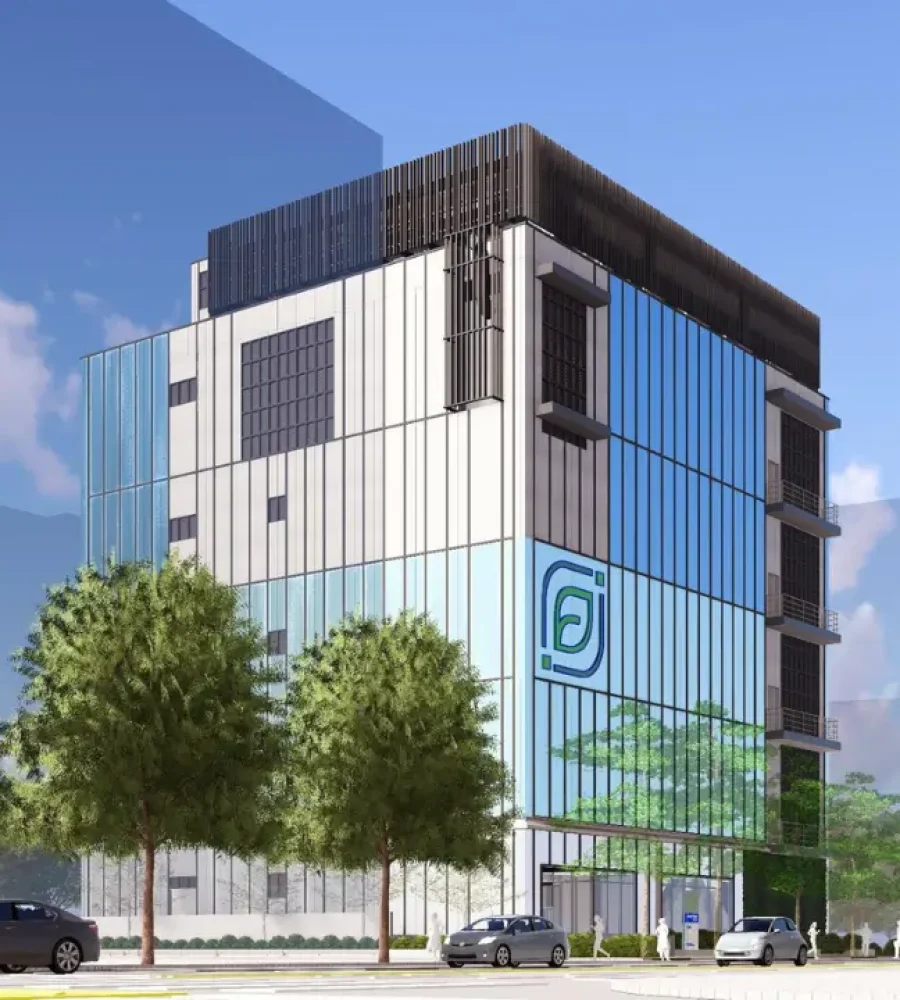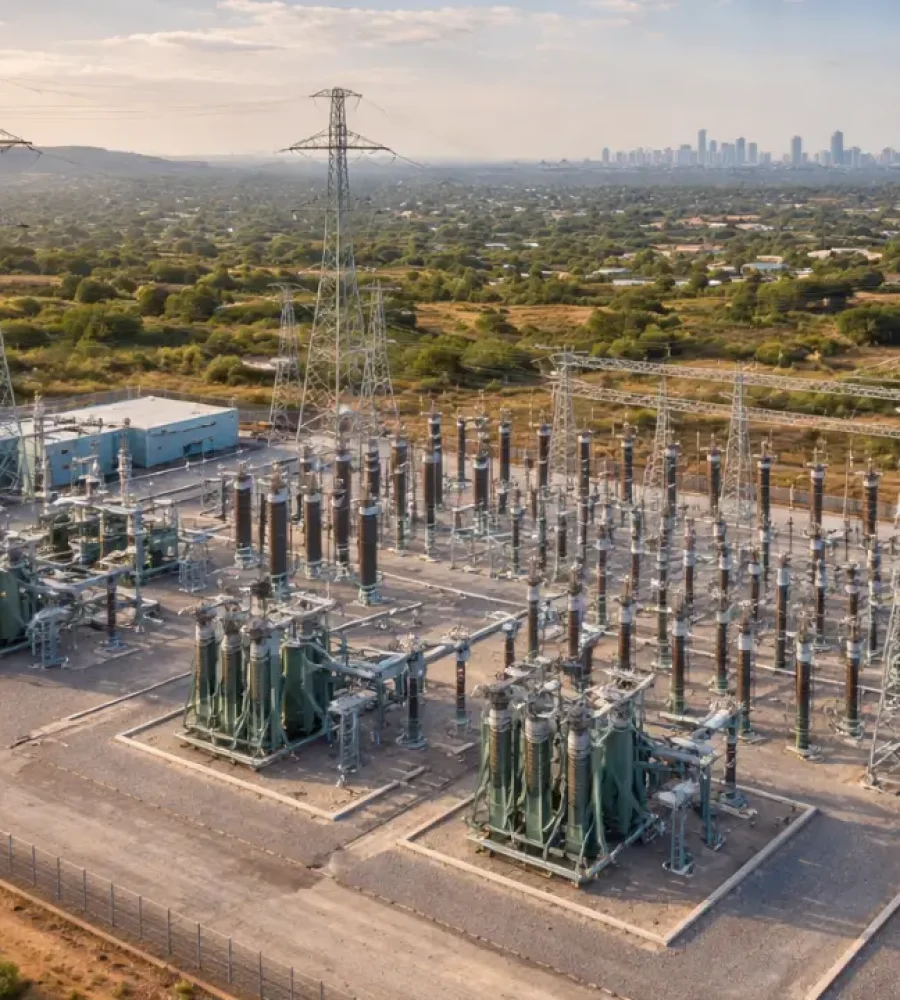
LightHouse Data Centers and Wharton Digital have launched a new North America hyperscale data center buildout through a joint development platform. Together, the companies plan a 2-gigawatt-plus expansion to meet rising AI and cloud demand. The partnership combines development expertise with institutional capital as power constraints tighten supply in key markets.
Through the collaboration, LightHouse contributes its development and operational capabilities, while Wharton brings institutional capital and deep real estate experience. As a result, the partners have created a multi-market platform designed to deliver more than 2 gigawatts of data center capacity. The roadmap includes both large-scale campuses and metro-area infill sites.
Capital and Land Pipeline Support 2 GW-Plus Hyperscale Buildout
As part of the transaction, Wharton made an equity investment in LightHouse. In parallel, Wharton contributed its powered land business and related properties to the platform. Consequently, the companies now control a long-term development pipeline that supports sustained growth.
The companies also announced leadership changes. Peter C. Lewis, founder of Wharton Equity Partners, now serves as chairman of LightHouse. With new capital in place, the platform is accelerating corporate expansion and pipeline development.
LightHouse currently controls about 300 megawatts of near-term power capacity. In addition, the company is advancing more than 2 gigawatts of active development. These projects span high-growth regions in the Southeast, Southwest, and Midwest, along with select sites near major metropolitan areas.
Delivery Timelines Target Market Demand
According to the companies, the platform will deliver multiple data center campuses in late 2026 and early 2027. The teams designed each campus with significant follow-on power capacity. This structure supports phased expansion as customer demand increases. As a result, the platform prioritizes both speed and scale.
The design teams are engineering facilities to support next-generation, high-density AI workloads, including liquid-cooled architectures. At the same time, the platform continues to support traditional hyperscaler services. Modular design standards and established OEM partnerships streamline delivery while preserving operational resilience and efficiency.
In addition, the teams tailor each site to local requirements. They optimize resource use to align with community needs and long-term sustainability goals.
Nick Etscheid, co-founder and chief executive officer of LightHouse, said the partnership arrives at a critical moment as demand for new capacity accelerates. He added that Wharton’s understanding of scale enables faster infrastructure delivery as market conditions tighten.
Ben Basson, co-founder and chief development officer of LightHouse, said customers are already signaling demand for capacity in 2026 and 2027. He noted that the team’s experience delivering large cloud regions and gigawatt-scale campuses positions the platform to meet aggressive timelines.
Platform Positioned for Long-Term Growth
For Wharton, the partnership reflects a long-term view of digital infrastructure investment. Peter C. Lewis said the industry remains in the early stages of a major shift driven by AI and cloud adoption. He added that the companies are building the platform to support the evolving infrastructure needs of the digital economy.