India’s AI infrastructure ambitions increasingly depend on one variable that rarely appears in model benchmarks or GPU procurement announcements. Heat management has become a significant component of deployment economics because thermal constraints directly affect uptime, rack density, expansion timelines, and operational efficiency. Several facilities designed around conventional cooling assumptions face a different reality when summer temperatures exceed design expectations and humidity levels fluctuate sharply during monsoon seasons. Operators evaluating high-density AI clusters therefore need to examine cooling decisions through climate, labor, regulatory, and real-estate lenses rather than equipment specifications alone. Questions around water consumption, maintenance complexity, and lifecycle costs can materially influence the long-term economics of cooling investments alongside the selection of a specific thermal technology. That shift has transformed cooling architecture from a facilities discussion into a board-level infrastructure decision.
Conversations around air, liquid, and immersion approaches often begin with thermal performance and end with power efficiency metrics. Actual deployment outcomes in India tend to depend on a broader set of operating conditions that differ substantially from those found in laboratory environments used for vendor validation. Coastal humidity, seasonal temperature extremes, workforce availability, municipal environmental requirements, and industrial building constraints create variables that influence long-term economics. Facilities supporting AI workloads increasingly operate at rack densities that push traditional airflow management systems toward their practical limits. Investment decisions therefore require a techno-economic framework that captures regional operating realities rather than relying solely on benchmark specifications. Understanding those realities provides a clearer picture of which cooling architectures can scale sustainably across Indian markets.
High Humidity Operating Conditions and Data Center Reliability
Humidity management becomes significantly more complex in coastal markets such as Mumbai, Chennai, and other high-moisture environments where monsoon conditions can persist for extended periods. Air-side economization strategies that perform efficiently in dry climates often lose effectiveness when outside air contains elevated moisture content requiring additional conditioning before entering controlled environments. Increased humidity raises concerns around condensation risk, corrosion exposure, and contaminant accumulation within mechanical infrastructure. Heat exchangers, cooling coils, and associated components face increased corrosion and maintenance risks when operating in environments characterized by sustained humidity and elevated temperatures. Reliability concerns therefore extend beyond server hardware and affect supporting thermal systems that determine long-term facility performance. Climate adaptation measures become essential design requirements rather than optional optimization features.
Industry guidance from ASHRAE provides recommended and allowable environmental envelopes for data center operations, yet industry guidance recommends tighter environmental controls and monitoring practices when facilities operate in conditions associated with elevated corrosion risk.Relative humidity levels above typical operating targets can affect material longevity and create maintenance burdens that gradually increase operational expenditures. Equipment vendors increasingly emphasize intake air conditions rather than room-wide measurements because localized environmental deviations can influence hardware reliability. Moreover, facilities located in high-corrosion regions often implement enhanced filtration, humidity controls, and environmental monitoring systems that add both capital and operational costs. These requirements narrow some of the efficiency advantages associated with conventional air-based cooling approaches. Climate-specific engineering therefore becomes a critical factor when evaluating alternative thermal architectures.
The 45°C Throttle: What Indian Summers Do to Your PUE Guarantees
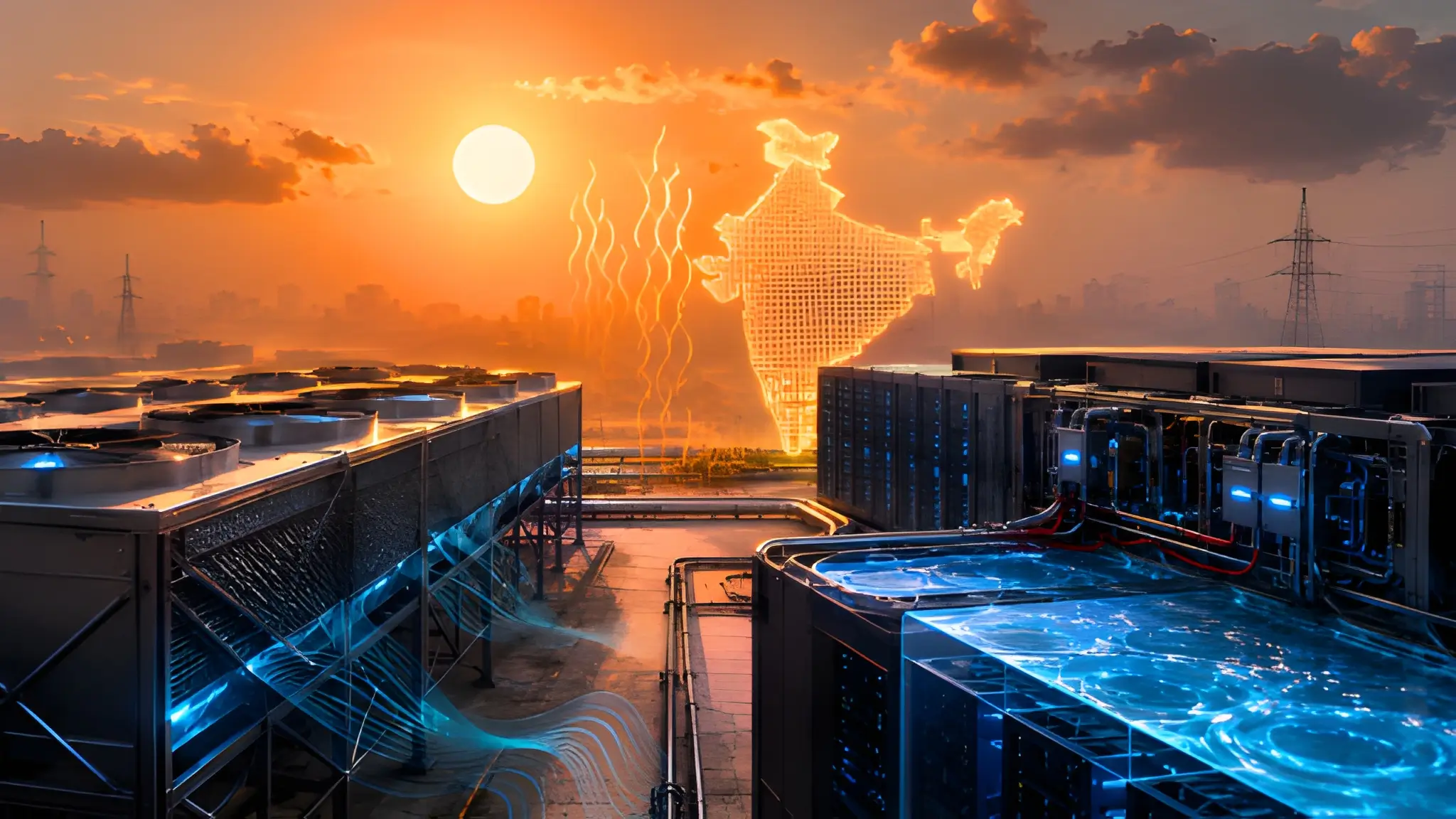
Power Usage Effectiveness remains one of the most cited performance indicators in infrastructure planning documents. Vendor efficiency figures are typically measured within specified environmental operating conditions that may differ from peak summer conditions experienced across many Indian markets. Ambient temperatures approaching or exceeding 45°C place substantial stress on chillers, cooling towers, condensers, and associated thermal systems. Equipment designed to maintain target temperatures under moderate conditions must consume significantly more energy when external heat loads rise sharply. As a result, facilities can experience cooling-efficiency degradation during periods of extreme ambient temperature when thermal systems operate under higher external heat loads. Infrastructure planners that rely exclusively on laboratory-based PUE assumptions risk underestimating operational costs over the asset lifecycle.
The financial implications extend beyond electricity consumption because thermal performance affects capacity utilization, service commitments, and infrastructure expansion planning. High-density AI deployments generate concentrated heat loads that can trigger operational derating if cooling systems approach design limits during extreme weather events. Capacity reserved for future workloads may effectively disappear during seasonal peaks, reducing revenue-generating potential. SLA commitments can also become more difficult to maintain when thermal margins shrink and equipment operates closer to allowable thresholds. Consequently, organizations evaluating AI infrastructure increasingly consider workload-level operating costs alongside traditional efficiency metrics when assessing cooling investments. Advanced liquid-based architectures often gain consideration in these scenarios because they reduce dependence on ambient air conditions and provide greater thermal stability under extreme heat.
Skill Drought: Why India’s HVAC Talent Gap Costs More Than the Chillers
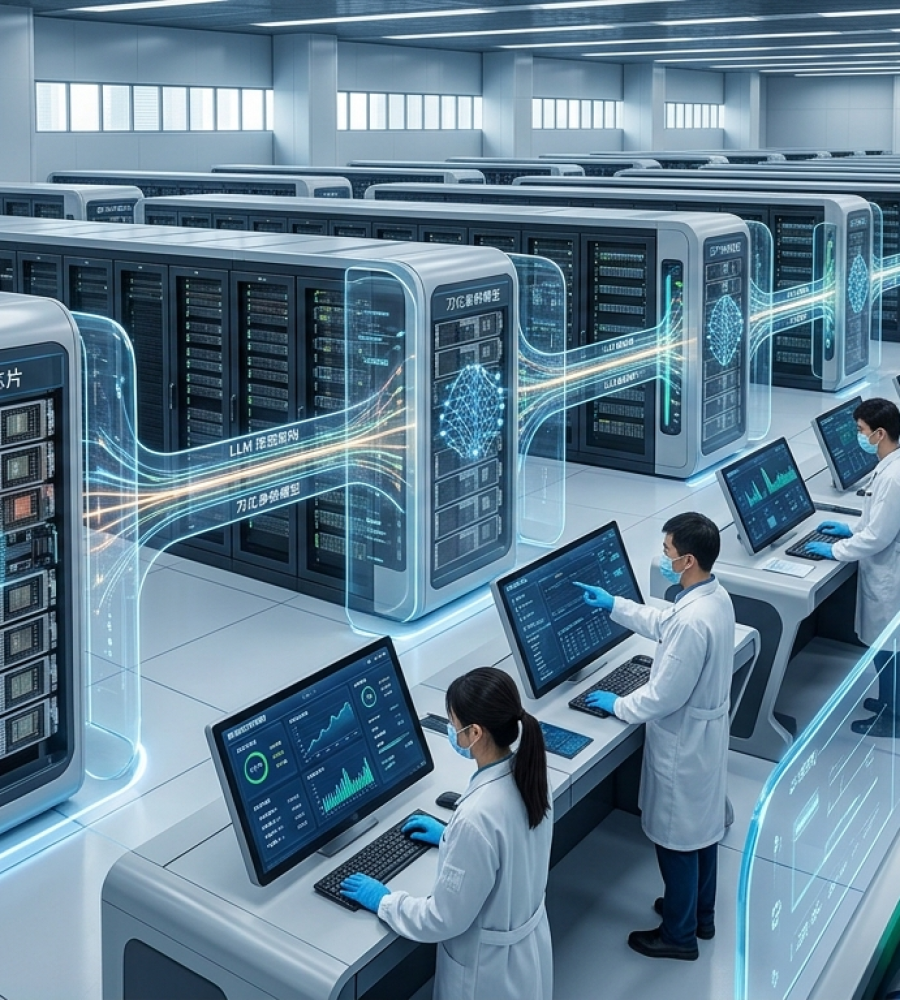
Cooling infrastructure discussions often focus on equipment procurement while underestimating the operational significance of workforce availability. High-density thermal systems require technicians capable of managing advanced controls, chilled-water systems, liquid distribution units, leak detection mechanisms, environmental monitoring platforms, and integrated building management systems. Growth in AI infrastructure has increased demand for specialized operational expertise at a pace that exceeds workforce development in several regions. Facilities located outside primary metropolitan clusters may face a smaller pool of personnel with experience in mission-critical cooling environments. Workforce shortages are associated with longer service response times and higher maintenance burdens in infrastructure-intensive industries. Operational resilience therefore depends as much on talent availability as hardware selection.
Mean-time-to-repair becomes particularly important when facilities operate in Tier-2 markets where specialist support resources remain limited. Delayed troubleshooting can increase outage exposure, create contractual risks, and affect customer confidence in service continuity. Operational workforce capability is one of several factors considered during infrastructure risk assessments conducted by insurers, lenders, and investors. Lenders and insurers examine whether operators possess sufficient technical capabilities to manage complex cooling environments over extended periods. Meanwhile, liquid and immersion systems often require different maintenance competencies than traditional air-based installations, creating additional training requirements. Workforce development investments therefore represent a material component of total cooling economics rather than a secondary operational consideration.
Municipal Thermal Discharge Regulations and Compliance Outlook
Environmental compliance discussions surrounding digital infrastructure increasingly extend beyond electricity consumption and water usage. Environmental oversight of large industrial facilities increasingly includes consideration of energy use, water management, and localized environmental impacts as infrastructure capacity expands. Waste heat generated by AI workloads creates localized environmental considerations that may influence future planning approvals and operational requirements. Cooling systems that manage large thermal loads may be evaluated within broader environmental review processes where sustainability objectives are considered. Regulatory developments remain uneven across jurisdictions, yet the direction of policy suggests greater emphasis on environmental accountability. Infrastructure planning horizons therefore need to incorporate potential compliance obligations that may emerge during asset lifecycles.
Heat recovery strategies, secondary-use applications, and thermal mitigation technologies are recognized approaches for improving overall energy utilization in industrial facilities. Some facilities already evaluate opportunities to improve energy utilization through integrated thermal management approaches rather than treating waste heat as an unavoidable byproduct. Compliance-driven upgrades can introduce additional capital expenditures while also affecting operating budgets through monitoring, reporting, and maintenance requirements. However, proactive design decisions often prove less expensive than retrofitting infrastructure after regulatory changes occur. Therefore, cooling architecture assessments should include scenario planning that accounts for potential environmental obligations over multi-decade operating periods. Strategic flexibility can provide meaningful financial advantages when policy frameworks evolve.
Structural and Real Estate Considerations for Alternative Cooling Deployments
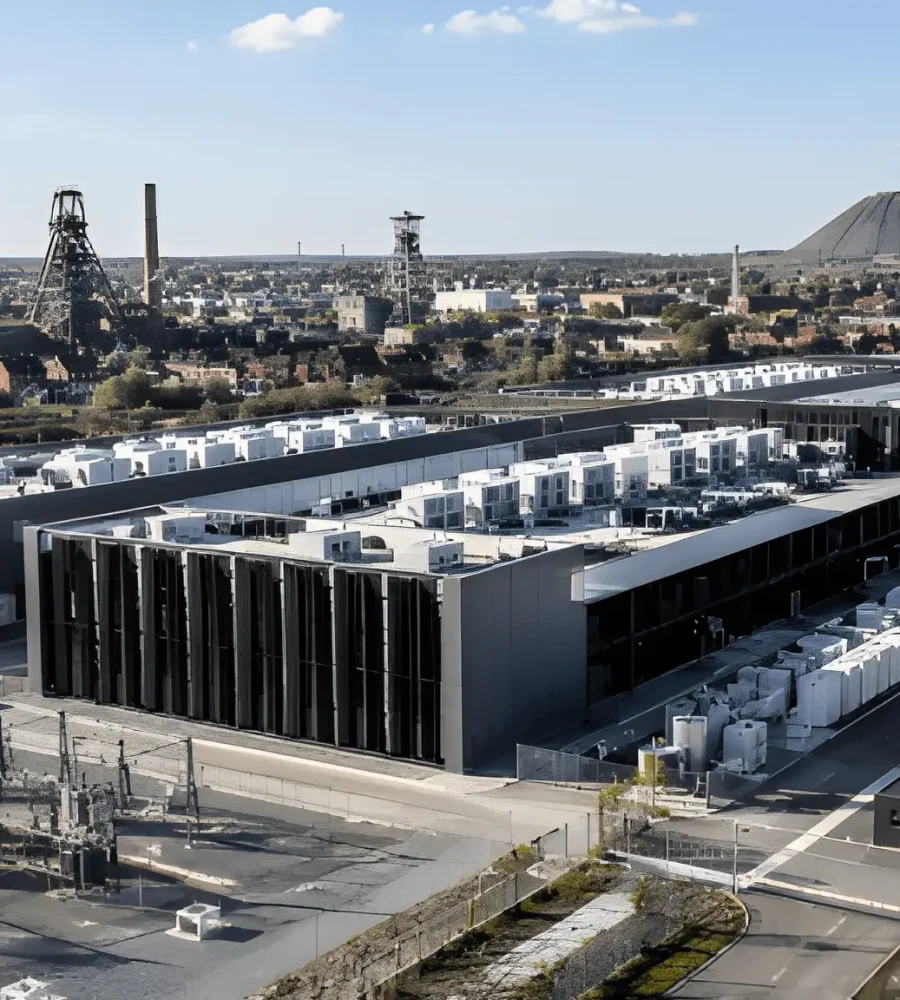
Thermal architecture decisions also influence building design, site selection, and infrastructure utilization in ways that are frequently overlooked during technology evaluations. Air-based systems, direct liquid cooling platforms, and immersion deployments impose different structural requirements that affect construction costs and facility layouts. Immersion tanks can introduce substantial floor-loading considerations that require reinforcement in existing industrial properties. Liquid cooling infrastructure may also necessitate modifications to piping networks, service corridors, maintenance zones, and equipment access pathways. Building owners evaluating retrofits must therefore consider structural engineering implications alongside thermal performance objectives. These factors can significantly influence project feasibility and implementation timelines.
Fire safety requirements, utility access constraints, and floor space utilization also shape the economics of alternative cooling deployments. Operators seeking to maximize revenue-generating compute density must balance thermal efficiency gains against the physical footprint required for supporting infrastructure. High industrial and commercial real-estate costs in major Indian markets encourage operators to maximize the productive use of available facility space. Liquid and immersion approaches may improve rack density potential, yet supporting systems can introduce additional planning and compliance considerations depending on facility configuration. Meanwhile, expansion flexibility remains an important evaluation criterion because AI infrastructure requirements continue to evolve rapidly. Total cost analysis therefore requires an integrated assessment of engineering, operational, and property-related variables rather than isolated equipment comparisons.
Developing India-Specific Cooling Standards and Operational Practices
Decisions involving thermal infrastructure increasingly require a regional perspective that extends beyond technology selection. Environmental conditions across India vary substantially between coastal, inland, northern, and southern markets, creating different operational realities for infrastructure operators. Humidity exposure, seasonal temperature peaks, workforce availability, utility characteristics, and regulatory environments collectively shape deployment outcomes. Cooling systems that perform efficiently in one geography may deliver different economic results under another set of local conditions. Technical evaluations therefore benefit from incorporating climate-adjusted performance assumptions rather than relying exclusively on standardized benchmarks. Regional operating factors such as climate conditions, utility characteristics, labor availability, and compliance requirements have a direct influence on long-term infrastructure economics.
Future infrastructure strategies will likely depend on localized design standards, stronger workforce development initiatives, and closer coordination between industry stakeholders and policymakers. Organizations planning AI capacity expansions need frameworks that integrate environmental realities, operational risks, compliance obligations, and lifecycle economics into a unified decision model. Liquid and immersion technologies may offer compelling advantages in specific scenarios, while optimized air-based systems may remain viable in others. Nevertheless, successful deployment outcomes will depend less on technology branding and more on execution quality within local operating environments. Regionalized engineering practices can reduce uncertainty, improve resilience, and create more predictable financial outcomes for operators. Sustainable growth in AI infrastructure benefits from cooling strategies that account for local climate conditions, operational requirements, workforce availability, and regulatory considerations.