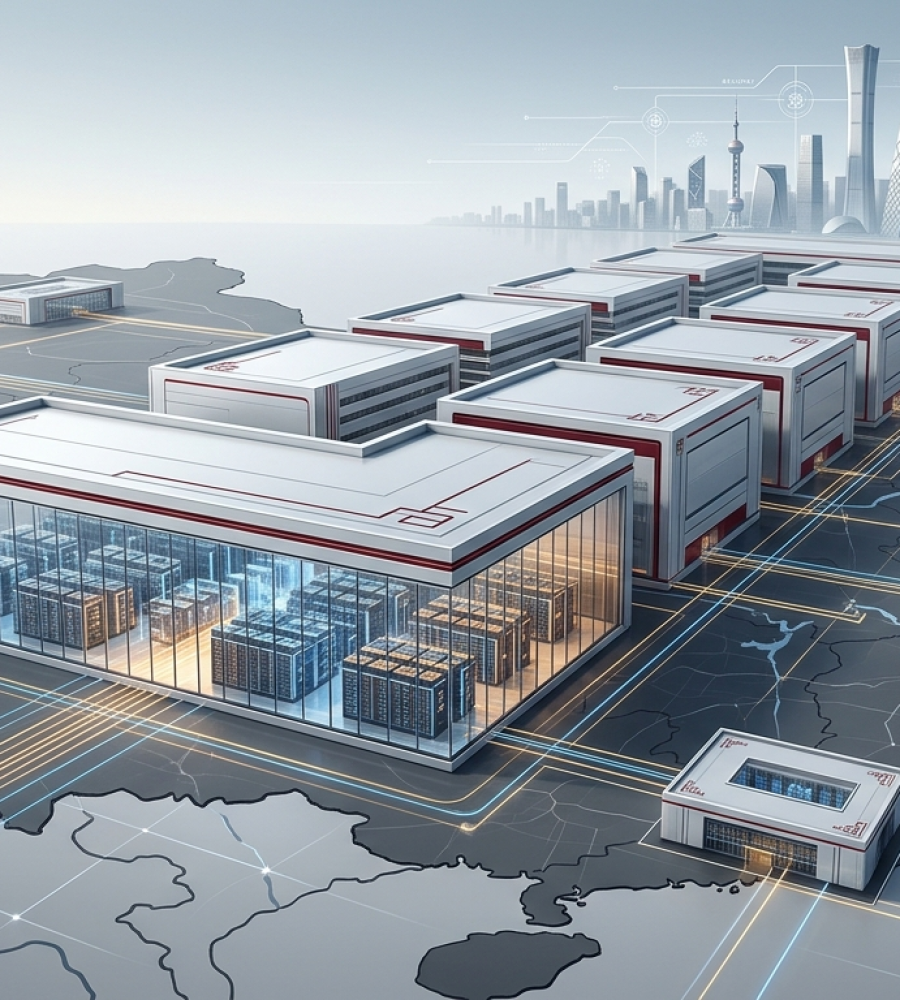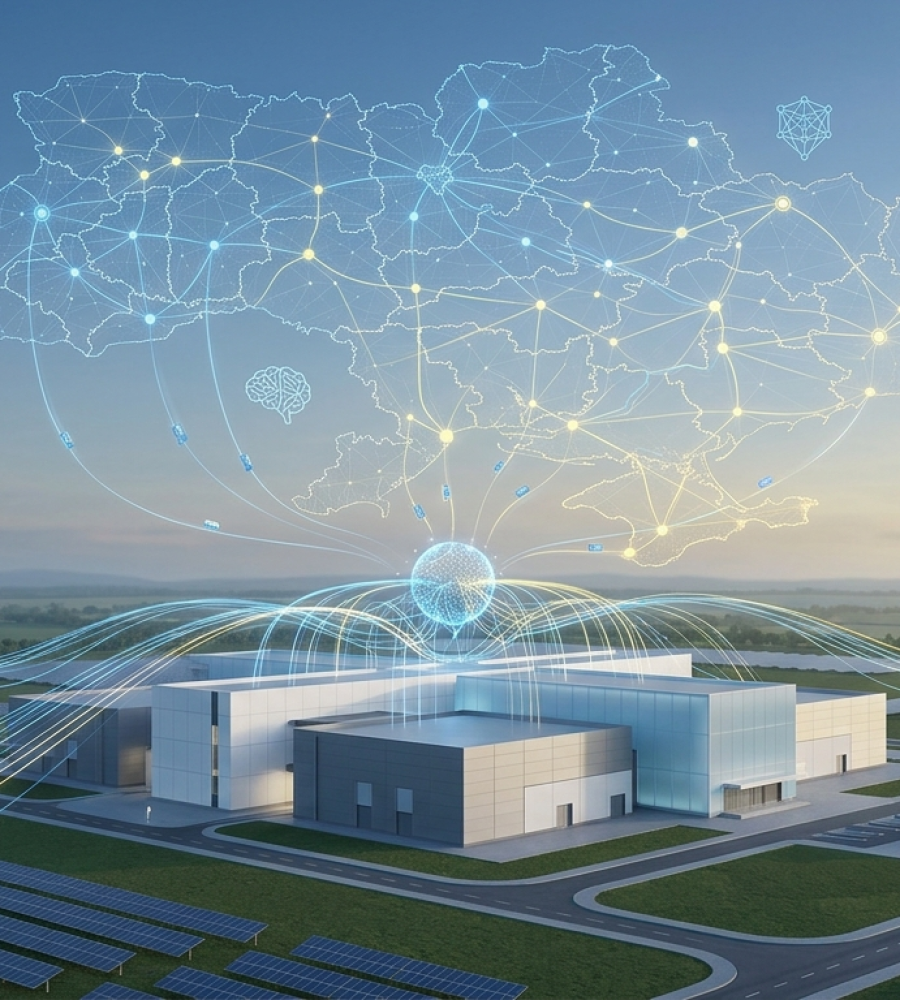

Artificial intelligence has transformed the economics of digital infrastructure. Companies once competed by acquiring GPUs faster than their rivals. Today, another competitive advantage has emerged. Organizations now compete to secure locations that can become operational without years of delays. Consequently, site selection has evolved into one of the most strategic decisions in AI infrastructure development. The ability to build quickly increasingly determines market leadership. Industry discussions often focus on AI chips, cloud platforms, and massive capital spending. However, those investments only create value after facilities become operational. Developers therefore face a different challenge than previous infrastructure cycles. They must identify locations capable of supporting construction within realistic timelines. Buildability has become as valuable as compute capacity itself. This shift is quietly reshaping the entire development process.
The AI Race Has Moved Beyond Hardware
For years, AI competition centered on acquiring advanced processors. Companies invested billions in GPUs, networking equipment, and specialized servers. Those investments remain essential today. Nevertheless, hardware cannot generate revenue while sitting inside unfinished facilities. Developers now recognize that execution speed determines infrastructure value. Operational campuses matter more than planned campuses. Hyperscale operators increasingly evaluate infrastructure through a different lens. They examine permitting timelines, utility coordination, environmental approvals, and construction feasibility before finalizing investments. Meanwhile, traditional site selection factors carry less influence than before. Attractive land alone no longer guarantees successful development. Instead, every project begins with one fundamental question. Can this location actually become operational within business timelines?
Site Selection Has Become a Strategic Discipline
Modern data center development involves far more than purchasing available land. Developers now conduct detailed assessments across regulatory, environmental, utility, and engineering domains. Each factor influences project timelines and investment certainty. Consequently, site selection has evolved into a multidisciplinary process. Every decision affects construction risk before groundbreaking begins. Leading developers increasingly assemble specialized teams before acquiring property. Utility engineers, environmental consultants, permitting specialists, and legal advisors now participate during early evaluations. Their combined expertise identifies hidden obstacles before capital deployment. This proactive approach reduces expensive surprises later. Thorough due diligence has become a competitive advantage rather than an administrative exercise.
Buildable Capacity Is the New Competitive Metric
Traditional real estate metrics emphasized acreage, location, and acquisition cost. AI infrastructure introduces a different measurement. Developers now prioritize “buildable capacity” over theoretical development potential. A site only creates value when infrastructure, approvals, and construction schedules align. Consequently, investment decisions increasingly reflect execution certainty instead of land availability. Buildable capacity combines several independent variables into one practical assessment. Utility readiness, permitting progress, environmental compliance, transportation access, and engineering feasibility all contribute to project success. Weakness in one area may delay every subsequent milestone. Therefore, developers increasingly rank sites using integrated infrastructure assessments. This methodology improves investment confidence while reducing development risk.
Utility Partnerships Begin Before Land Deals
Successful AI infrastructure projects increasingly begin inside utility offices rather than real estate negotiations. Developers now engage electricity providers long before signing purchase agreements. These early discussions reveal realistic development timelines and infrastructure constraints. Moreover, they reduce uncertainty before major capital commitments. Strong utility relationships have become a strategic asset. Early coordination often determines whether a project proceeds. Developers no longer assume available land guarantees future infrastructure access. Instead, they request detailed capacity studies, interconnection assessments, and long-term expansion plans. Those findings influence investment decisions before acquisition closes. Consequently, utilities have become active participants in site selection. Infrastructure planning now starts with collaboration rather than assumptions.
The Era of Speculative Land Banking Is Changing
For years, many developers accumulated large land portfolios expecting future demand to create value. That strategy worked when network connectivity and construction financing dominated planning discussions. AI infrastructure has changed those economics. Land without verified development potential now carries greater financial risk. Investors increasingly value execution certainty over speculative expansion. Owning hundreds of acres no longer guarantees competitive advantage. A smaller site with confirmed infrastructure readiness may deliver faster returns than a much larger property. Therefore, investors increasingly evaluate development feasibility instead of acreage alone. Market participants now ask different questions before committing capital. Can the site support infrastructure within commercial timelines?
Hyperscalers Are Rewriting Development Playbooks
Major cloud providers have gradually shifted their infrastructure strategies. Instead of reacting to available opportunities, they increasingly identify regions offering predictable long-term expansion. This approach supports multi-phase development while reducing execution uncertainty. Consequently, hyperscalers now prioritize consistency over short-term geographic flexibility. Long-range planning has become central to AI infrastructure growth. These companies also examine infrastructure ecosystems rather than individual properties. Fiber connectivity, utility investment plans, transportation access, workforce availability, and permitting environments now receive equal attention. Together, these factors determine future scalability. As a result, successful campuses often emerge inside broader infrastructure corridors instead of isolated locations. Regional planning increasingly replaces project-by-project decision making.
Infrastructure Intelligence Is Becoming a Competitive Advantage
Developers once relied primarily on real estate expertise to identify promising opportunities. Today, infrastructure intelligence has become equally valuable. Teams increasingly analyze utility investment schedules, regional planning documents, environmental regulations, and permitting frameworks before evaluating specific parcels. This broader perspective improves decision quality. Information now creates competitive advantage long before construction begins. Advanced analytics also support smarter site selection decisions. Geographic information systems, infrastructure mapping, and predictive demand modeling help developers compare multiple regions simultaneously. These tools reduce uncertainty while improving investment efficiency. Consequently, digital planning capabilities now influence physical infrastructure outcomes. Better intelligence frequently leads to faster execution.
Developers Are Optimizing for Speed, Not Just Scale
AI demand continues expanding at an extraordinary pace. Nevertheless, customers cannot wait years for delayed facilities to become operational. Developers therefore optimize projects around deployment speed instead of maximum campus size. Faster execution improves revenue generation while strengthening customer relationships. Time has become one of infrastructure’s most valuable assets This shift influences every stage of project planning. Site selection, engineering, permitting, procurement, and utility coordination now operate as integrated processes. Each milestone supports the next rather than functioning independently. Consequently, organizations capable of coordinating these activities gain meaningful competitive advantages. Successful execution increasingly defines market leadership.
Investors Are Backing Execution, Not Ambition
The AI infrastructure market has entered a more disciplined investment phase. Investors still support large-scale projects with confidence. However, they now examine execution risks much more closely. Construction certainty increasingly outweighs ambitious expansion plans. Therefore, developers must demonstrate realistic delivery timelines alongside technical capabilities. Capital now follows projects that can move from planning to operation without prolonged delays. Infrastructure funds also evaluate development portfolios differently than before. They assess permitting progress, utility coordination, and construction readiness before approving investments. This broader review reduces exposure to delays that affect financial returns. Consequently, project quality now matters more than portfolio size. The strongest developments combine technical readiness with commercial certainty.
Governments Must Compete for Buildable Infrastructure
National AI strategies increasingly depend on infrastructure execution rather than policy announcements alone. Governments continue introducing incentives to attract hyperscale investment. Nevertheless, incentives cannot overcome weak permitting systems or slow infrastructure development. Developers prioritize locations that reduce uncertainty throughout the project lifecycle. Administrative efficiency has therefore become an economic advantage. Regional authorities also recognize that AI infrastructure supports broader economic development. Modern campuses attract technology companies, engineering talent, and supply chain investments. Consequently, many governments now review planning processes alongside energy strategies. Faster approvals encourage long-term investment while improving national competitiveness. Infrastructure policy increasingly shapes digital policy.
Conclusion
The AI industry has quietly entered a new phase of competition. Hardware leadership remains important, but it no longer guarantees infrastructure success. The companies that consistently deliver operational campuses will shape the next decade of AI growth. That requires more than capital or technology. It demands smarter site selection, stronger infrastructure partnerships, and better execution from the earliest planning stages. As AI investment accelerates, the real competitive edge will belong to organizations that understand one simple truth: the best site is not the largest or the cheapest. It is the one that can actually be built.