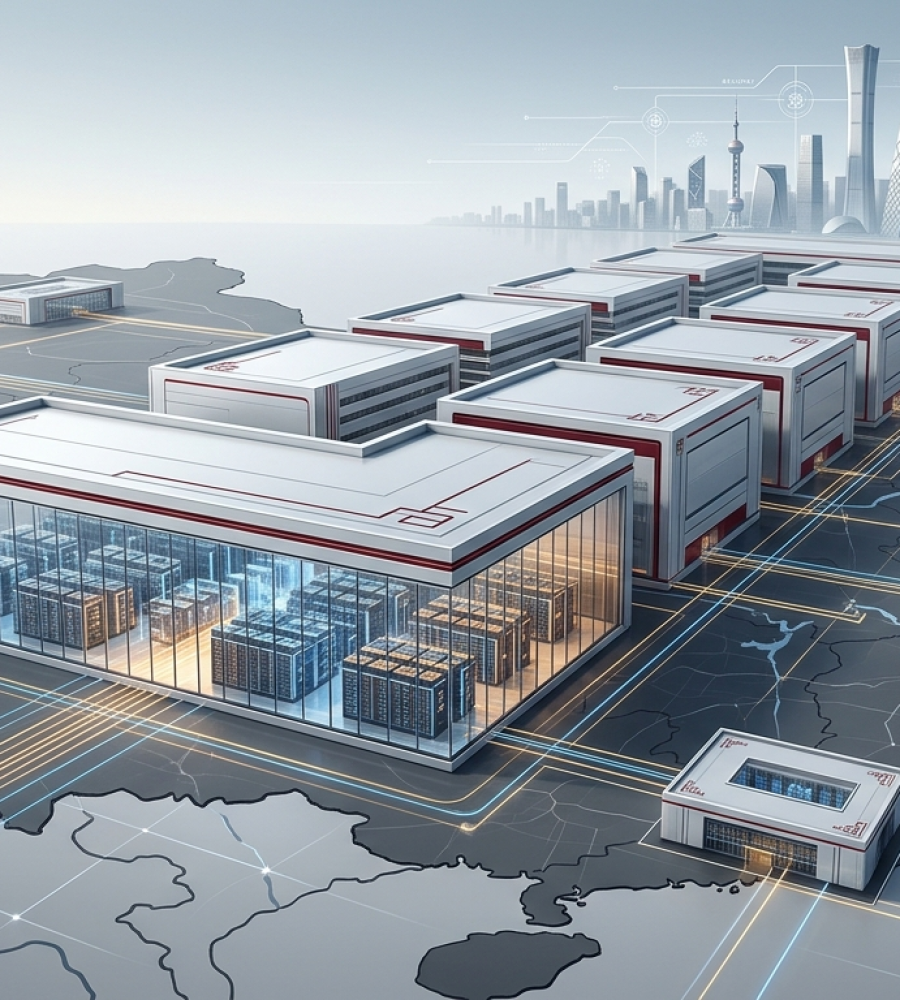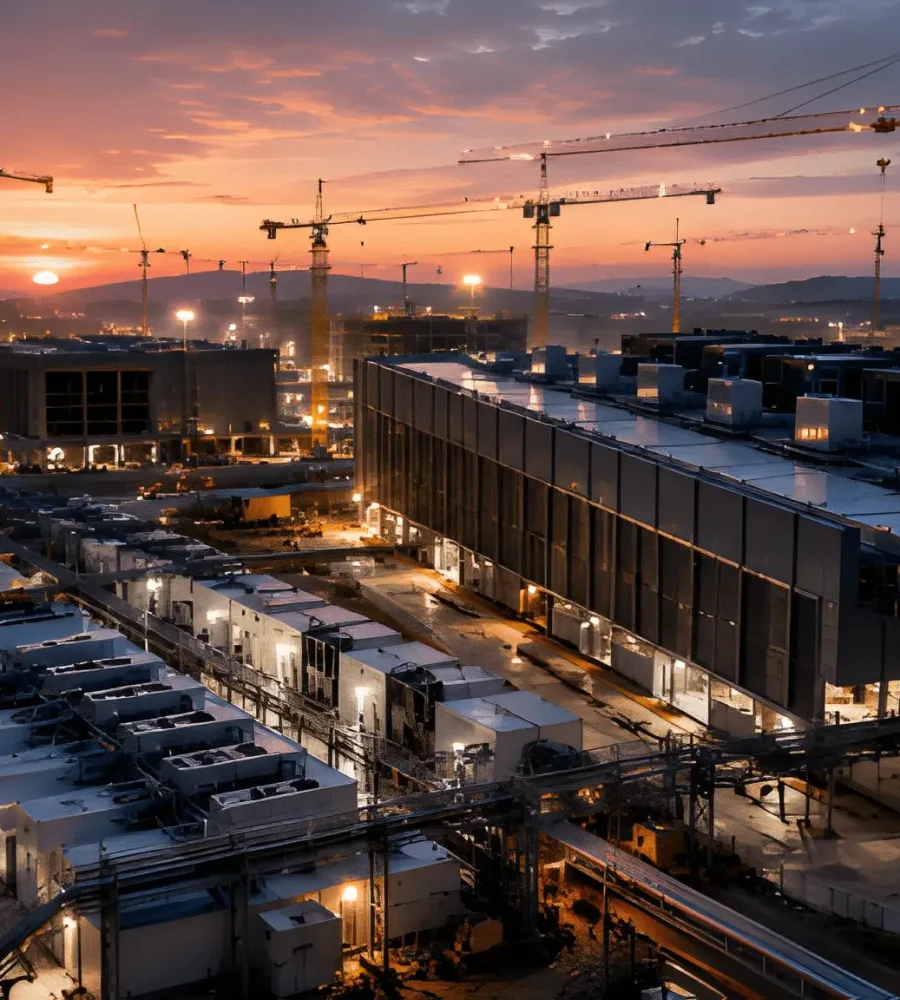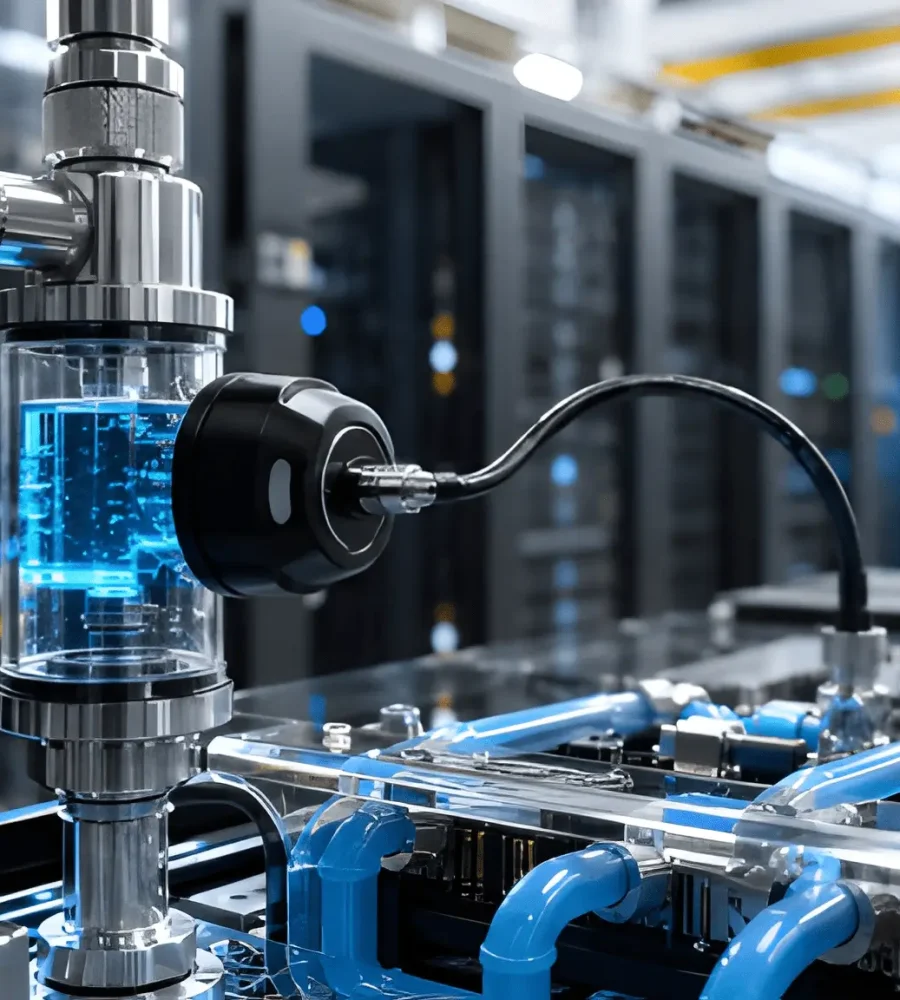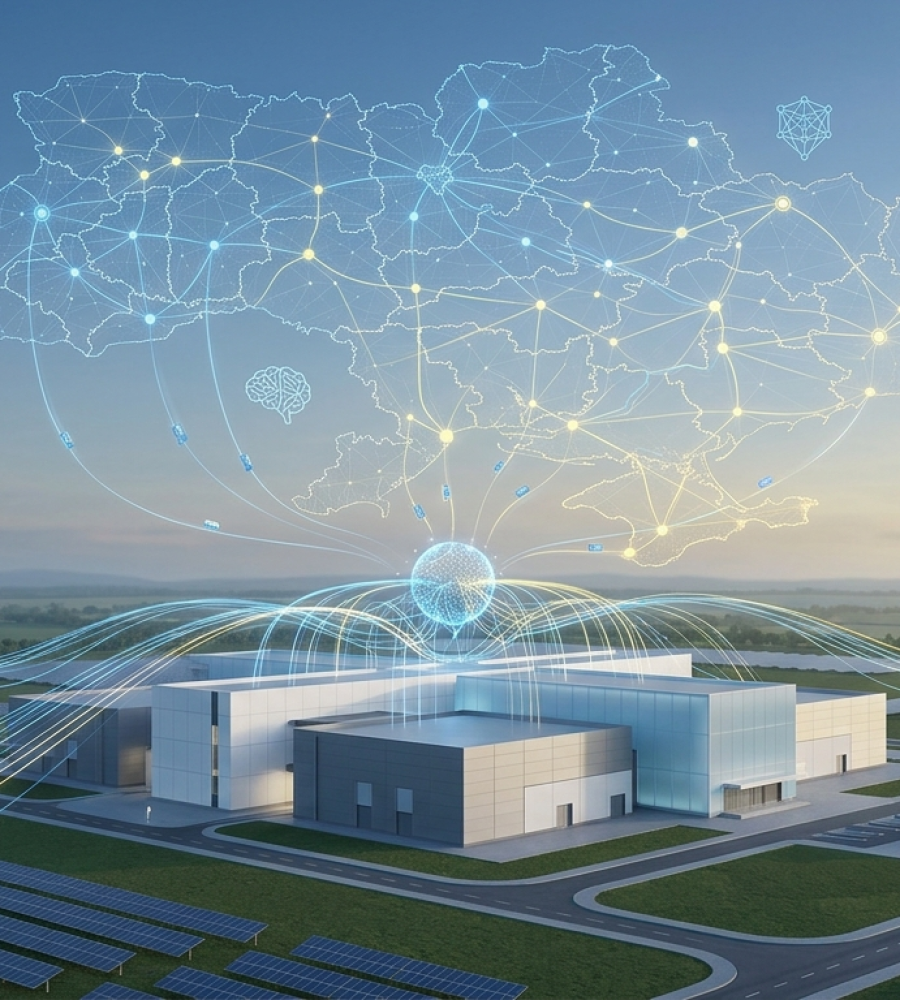
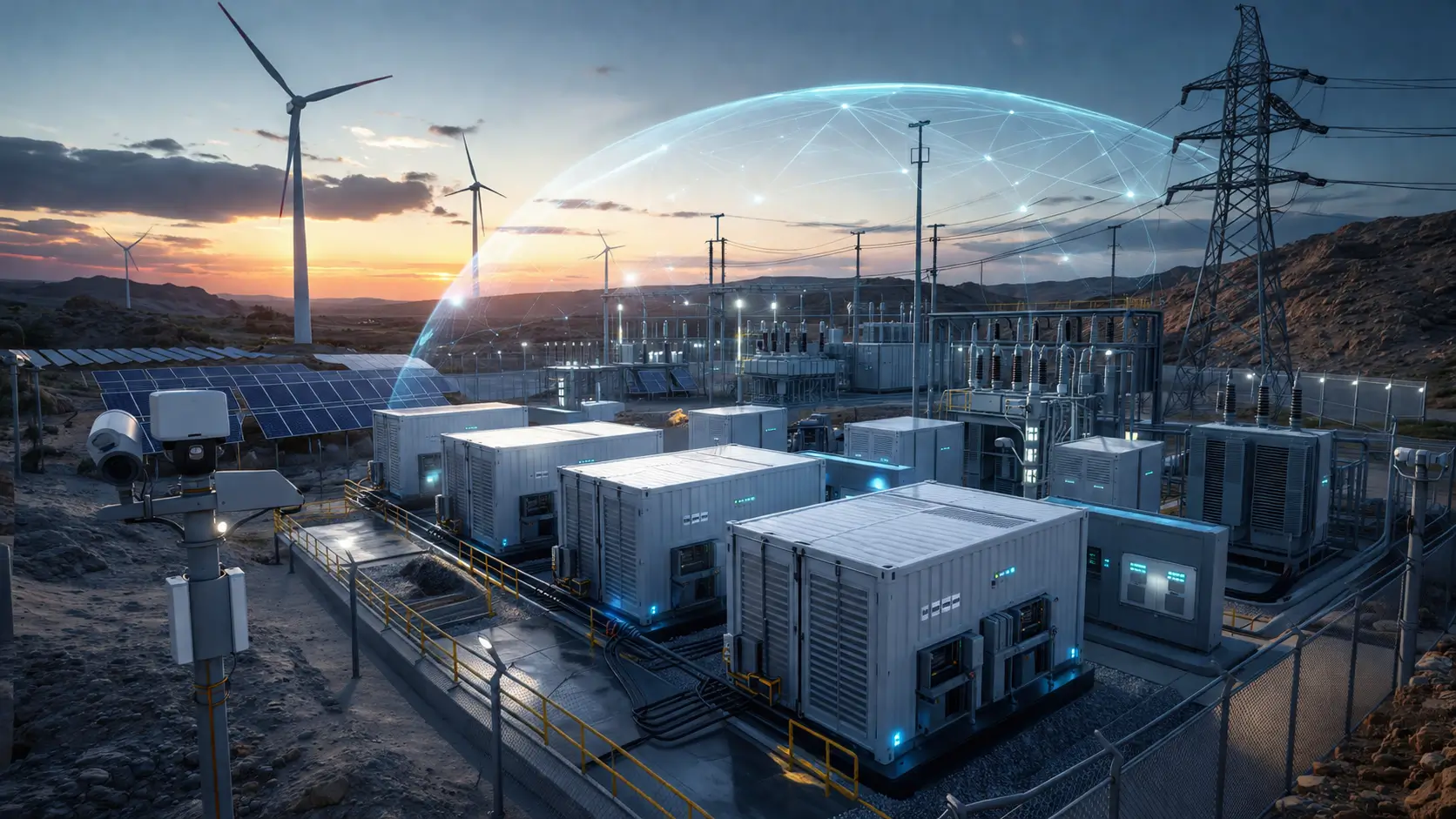
Artificial intelligence infrastructure no longer remains confined to purpose-built campuses with layered fencing and tightly managed access corridors. Organizations now deploy high-density compute beside electrical substations, renewable generation assets, manufacturing complexes, and utility infrastructure because proximity reduces transmission delays while supporting demanding inference workloads. That operating model introduces a security landscape where environmental conditions, industrial operations, and physical access influence digital resilience at every stage of deployment. Security leaders therefore face questions that conventional enterprise facilities never had to answer because the surrounding environment actively shapes the attack surface instead of merely hosting it. Every equipment enclosure, service road, maintenance contract, and shared easement becomes part of operational risk because physical exposure directly affects computing reliability. Effective governance requires security teams to evaluate industrial surroundings as active components of system defense rather than passive infrastructure supporting computational capacity.
Fenceless by Design: When Your Perimeter Is a Pipeline Easement
Artificial intelligence deployments increasingly occupy locations where operators share land with transmission corridors, pipeline easements, switching stations, or renewable energy assets that already support critical infrastructure. Traditional perimeter assumptions weaken because authorized utility personnel, inspection contractors, emergency crews, and infrastructure maintenance vehicles frequently require legitimate access across overlapping operational zones. Physical barriers cannot simply expand across regulated easements because legal access rights and maintenance obligations often restrict permanent security installations. Attackers understand these predictable movement patterns and may exploit routine industrial activity to conduct surveillance without immediately raising suspicion among facility operators. Conventional badge systems confirm identity at controlled entry points, yet they rarely establish continuous trust across open operational landscapes extending several kilometers beyond the computing modules. Organizations therefore need location-aware monitoring that correlates personnel movement, vehicle telemetry, maintenance scheduling, and environmental sensing instead of depending on isolated access-control checkpoints.
Likewise, physical security planning must recognize that industrial infrastructure often prioritizes operational continuity instead of strict exclusion from surrounding land. Pipeline inspection routes, transformer servicing, vegetation management, and emergency repairs generate legitimate activity that creates persistent background noise for security monitoring teams. Threat modeling should distinguish expected industrial behavior from anomalous movement through continuous monitoring, asset awareness, and operational correlation, consistent with NIST guidance that emphasizes continuous situational awareness within operational technology environments rather than reliance on individual security controls. Integrated video analytics, distributed sensing, authenticated maintenance workflows, and tamper-aware asset inventories collectively strengthen visibility without disrupting regulated utility operations. Executive teams also benefit from aligning security governance with infrastructure operators because coordinated incident reporting reduces uncertainty during shared operational events affecting multiple organizations.
Drone Sightlines Over Solar: Aerial Reconnaissance as the New Site Survey
Remote computing installations positioned beside renewable generation sites present attractive observation targets because surrounding landscapes frequently offer unobstructed aerial visibility across large operational footprints. Commercial unmanned aircraft equipped with optical, thermal, multispectral, and mapping sensors can collect valuable information regarding equipment placement, maintenance routines, cooling infrastructure, and temporary construction activities without crossing conventional access barriers. Repeated observation flights may reveal equipment replacement schedules, workforce presence, backup generation arrangements, and seasonal operational adjustments that support more sophisticated physical or cyber intrusion planning. Security teams should therefore evaluate aerial intelligence gathering as a continuous reconnaissance challenge instead of treating drones solely as immediate physical threats. Detection strategies gain effectiveness when they combine radar, radio-frequency monitoring, acoustic sensing, and electro-optical confirmation because no individual technology consistently identifies every aircraft profile. Distributed detection architectures also remain valuable at isolated facilities where continuous human observation proves economically impractical across expansive industrial landscapes.
However, successful aerial defense extends beyond identifying aircraft because organizations also need rapid procedures for validating observations, documenting incidents, and protecting operational continuity without disrupting nearby infrastructure. Thermal imagery captured during repeated flights may reveal cooling patterns, equipment utilization, maintenance windows, and electrical loading conditions that assist adversaries in selecting vulnerable operational periods. Site designers can reduce unnecessary information exposure through thoughtful placement of modular units, controlled maintenance scheduling, visual shielding, and equipment arrangements that minimize predictable operational signatures.Environmental design can support physical security because terrain features, structural screening, and infrastructure orientation may reduce unnecessary visual exposure while complementing other protective measures recommended for critical infrastructure sites. Incident response planning should integrate physical security, operations personnel, engineering teams, and legal stakeholders before deployment because jurisdiction over unmanned aircraft varies across regulatory environments.
Signal in the Noise: RF Leakage and Model Theft at Unshielded Edge Sites
Edge compute deployments frequently operate beside electrical transmission equipment, inverter stations, wind turbines, and industrial machinery that generate complex electromagnetic environments throughout normal operation. Those surroundings introduce security considerations beyond traditional networking because unintended electromagnetic emissions can expose information about computing activity under specific conditions. Although practical exploitation requires specialized expertise, organizations should evaluate side-channel exposure during facility design instead of assuming industrial electrical noise provides adequate protection. High-performance accelerators, memory subsystems, and power delivery components emit measurable electromagnetic signatures that researchers have demonstrated can reveal aspects of computational behavior when captured under controlled circumstances. Physical shielding, enclosure design, cable routing, grounding practices, and equipment placement therefore become important engineering decisions that influence information exposure outside conventional cybersecurity controls. Security architects gain stronger assurance when electromagnetic compatibility testing, emissions analysis, and hardware validation form part of commissioning activities rather than post-deployment investigations after infrastructure enters production.
Meanwhile, industrial environments create additional complexity because high-voltage equipment produces electromagnetic interference that must be considered during the design, testing, and validation of monitoring systems operating within electrically noisy environments. Security teams should distinguish naturally occurring emissions from unexpected hardware characteristics through baseline measurements collected during stable operating conditions across representative workloads. Continuous monitoring becomes more valuable when engineering teams correlate electromagnetic observations with asset inventories, firmware integrity records, maintenance histories, and operational telemetry collected from supporting infrastructure. Hardware isolation also deserves careful consideration because shared grounding systems, exposed cable pathways, and improperly shielded service interfaces may increase opportunities for unintended signal propagation beyond secured equipment boundaries. Procurement decisions should therefore examine enclosure certification, electromagnetic shielding performance, and supply-chain documentation alongside computational capability because physical design directly supports operational resilience.
Dust, Vibration, and Sabotage: Environmental Tampering as a Cyber Attack Path
Environmental conditions influence computing reliability long before attackers attempt direct access to networks or software platforms because physical operating parameters determine hardware stability throughout sustained workloads. Air intake systems, grounding connections, vibration isolation, cooling pathways, and structural supports collectively maintain predictable operating conditions for processors that continuously consume substantial electrical power. Deliberate interference with those supporting systems may reduce hardware reliability, increase thermal stress, or trigger automated protective responses without requiring unauthorized access to digital infrastructure, reflecting established engineering principles for critical computing equipment. Dust accumulation across filtration systems can elevate operating temperatures, while compromised grounding arrangements may introduce electrical instability that affects sensitive electronic components over extended periods. Security planning should therefore include environmental integrity verification because seemingly minor physical alterations can influence computational availability and operational confidence across distributed facilities.
Consequently, resilient infrastructure depends upon engineering controls capable of identifying gradual environmental deviation before automated failover mechanisms activate under degraded operating conditions. Sensor networks that continuously measure vibration, particulate concentration, enclosure integrity, grounding performance, airflow characteristics, and equipment temperature provide valuable operational context alongside conventional security telemetry. Maintenance teams should authenticate inspection activities, document component replacement, verify environmental baselines, and investigate unexplained operational drift through standardized procedures supported by tamper-evident records. Predictive maintenance platforms also improve security when they distinguish ordinary equipment aging from abnormal environmental changes that cannot be explained through expected operational patterns. Executive risk management becomes more effective when environmental monitoring integrates directly with incident response workflows instead of operating as an isolated facilities management function. Sustainable operational resilience ultimately requires organizations to recognize that physical engineering controls and cybersecurity protections function together rather than as independent defensive disciplines.
Designing for Hostile Proximity, Not Just Remote Location
Distributed computing changes security priorities because infrastructure increasingly operates alongside industrial assets that introduce persistent operational uncertainty rather than isolated technical challenges. Conventional perimeter-focused thinking cannot fully address environments where utility crews, industrial contractors, renewable energy operators, emergency responders, and maintenance vehicles legitimately occupy surrounding spaces throughout normal operations. Security architecture therefore delivers greater long-term value when every hardware component, operational process, engineering control, and monitoring capability assumes that physical exposure will occur despite careful planning. That perspective encourages resilient system design through authenticated maintenance workflows, layered environmental monitoring, hardware integrity validation, and continuous operational verification instead of dependence upon singular defensive barriers. Organizations also strengthen governance when cybersecurity leaders, facilities engineers, operational technology specialists, and infrastructure owners evaluate risks through a unified decision-making framework supported by measurable engineering evidence.
Future deployments will likely extend into additional industrial environments where energy availability, network proximity, and operational efficiency continue shaping infrastructure placement decisions across multiple sectors. Security programs should therefore prioritize adaptive engineering practices that accommodate changing physical conditions while preserving predictable computational performance under demanding production workloads. Investment decisions become more effective when organizations evaluate lifecycle resilience alongside processing capacity because infrastructure reliability directly influences operational continuity and business confidence. Independent validation through environmental testing, electromagnetic assessment, physical security exercises, and coordinated incident planning provides stronger assurance than assumptions based solely upon conventional enterprise deployment models. Technical leadership ultimately succeeds by treating industrial surroundings as active security variables that deserve continuous measurement, disciplined governance, and engineering attention throughout the operational lifecycle. Compute infrastructure positioned beyond traditional facilities can achieve dependable resilience when architecture, operations, and physical engineering evolve together instead of addressing each discipline through separate security strategies.