The race to build artificial intelligence infrastructure increasingly depends on securing long-term access to reliable clean electricity, making power procurement as strategic as computing capacity itself. Against that backdrop, Shell Energy UK has renewed its renewable electricity supply agreement with Kao Data, extending a partnership that supports the developer’s growing portfolio of AI-focused data centers across the United Kingdom. The renewed arrangement continues an energy relationship that began in 2022 and reflects the industry’s shift toward integrating sustainability into large-scale digital infrastructure planning. As AI deployments continue to increase, predictable renewable power sourcing has become a competitive advantage for operators expanding high-density computing environments.
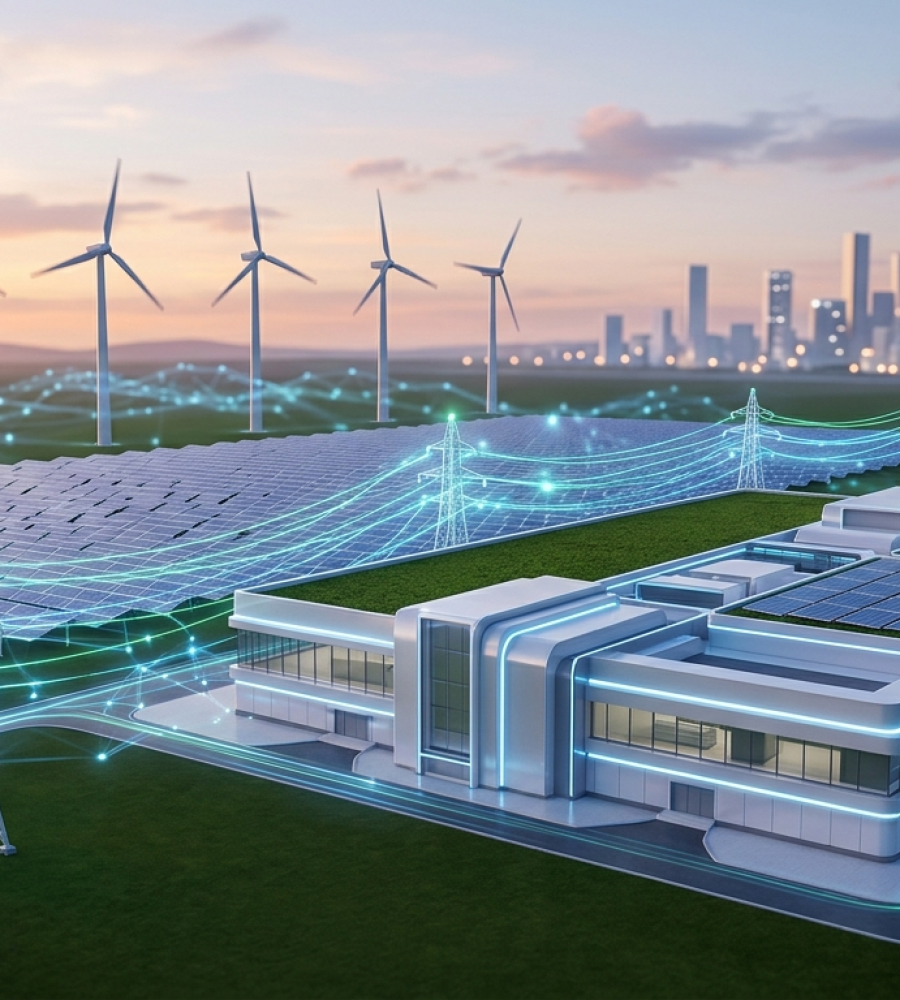
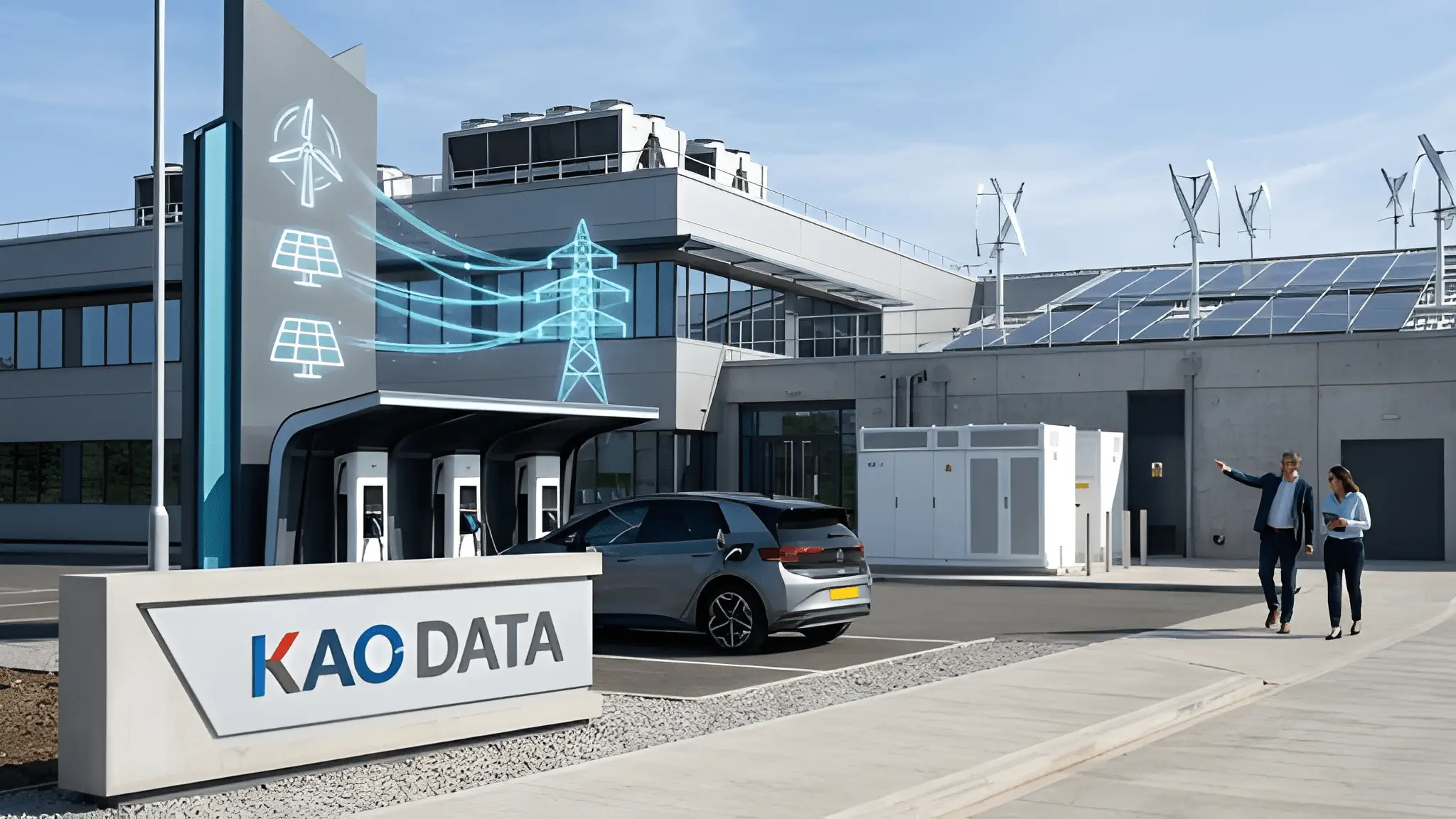
Under the agreement, Shell Energy will continue supplying approximately 140 gigawatt-hours of electricity each year to Kao Data’s UK operations. The electricity consumed across the company’s facilities will remain matched with generation from renewable energy assets located within the UK, supporting transparent renewable sourcing as enterprise AI workloads continue to expand. Beginning in 2025, the supply portfolio will also include electricity generated by the Dogger Bank offshore wind farm, one of Europe’s largest offshore renewable energy projects. Shell Energy Europe currently off-takes around 20% of the wind farm’s total electricity output, strengthening the renewable supply available under the agreement.
Renewable Procurement Becomes Central to AI Data Center Strategy
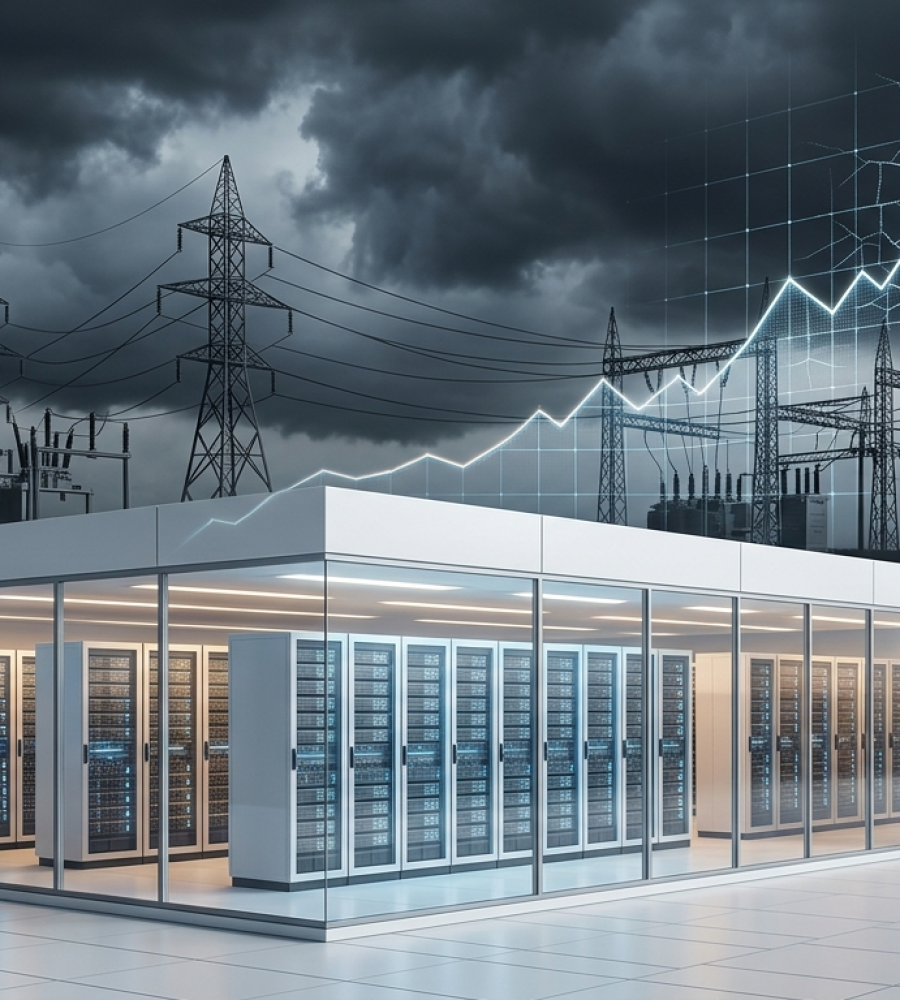
The renewed partnership highlights how electricity procurement has evolved from an operational requirement into a long-term infrastructure strategy. AI data centers consume significantly more power than conventional enterprise facilities because accelerated computing clusters require greater electrical capacity alongside sophisticated cooling technologies. Consequently, operators increasingly seek renewable supply agreements that provide both energy security and measurable sustainability credentials.
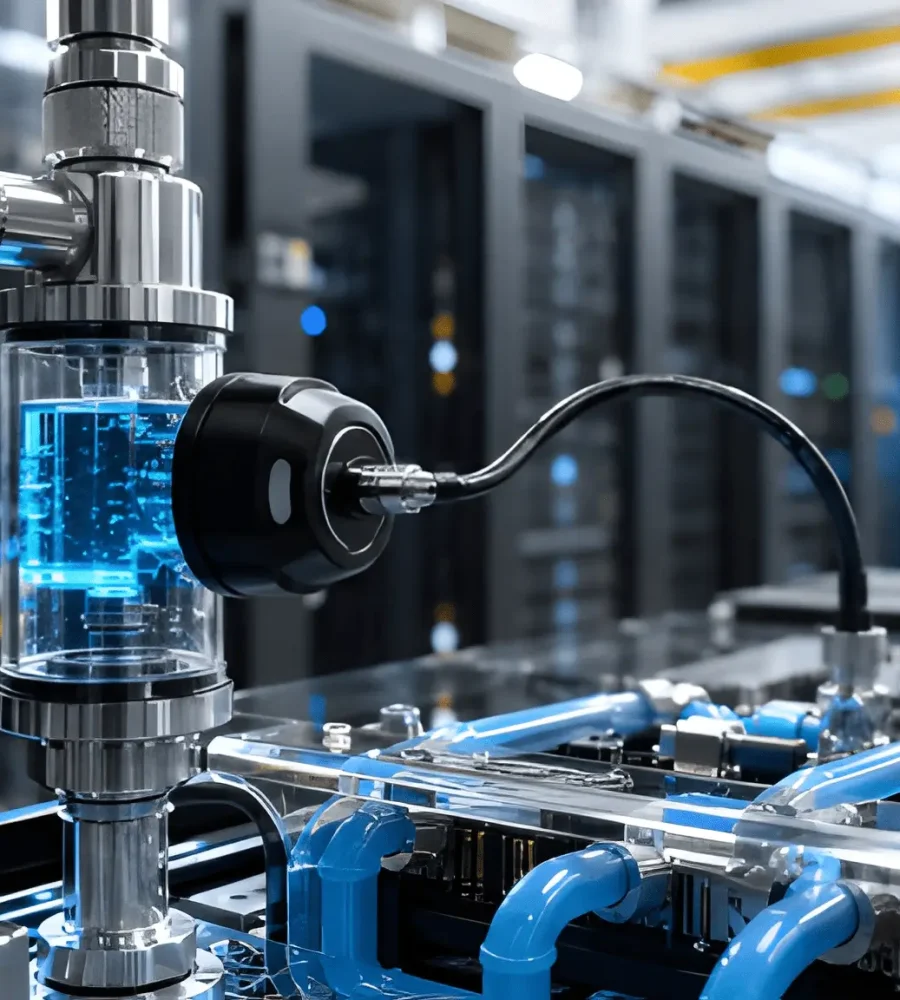
For Kao Data, the collaboration supports the continued expansion of infrastructure designed specifically for artificial intelligence and high-performance computing workloads. Its facilities incorporate direct-to-chip liquid cooling technology to manage the thermal demands created by dense GPU deployments and other advanced computing systems. The company has positioned its campuses to serve organizations deploying compute-intensive AI applications while maintaining a focus on operational efficiency and energy performance. The renewable electricity agreement complements those technical investments by aligning growing power demand with domestically generated clean energy.
Sustainability Commitments Extend Beyond Grid Electricity
Kao Data has also expanded its sustainability strategy beyond renewable electricity procurement through changes to its onsite backup power infrastructure. The company says it became the first data center operator in Europe to transition its backup generators to hydrogenated vegetable oil (HVO), replacing conventional diesel across its emergency generation fleet. According to the company, the transition can significantly reduce lifecycle emissions compared with traditional diesel fuel used for standby operations. The move illustrates how operators are increasingly evaluating emissions across multiple layers of facility operations rather than focusing solely on electricity consumption.
The broader strategy reflects growing investor and enterprise customer expectations around environmental performance as AI infrastructure scales. Renewable power sourcing, lower-carbon backup systems and efficient cooling technologies increasingly work together as integrated components of data center sustainability strategies. Rather than treating these initiatives independently, operators are building comprehensive decarbonization roadmaps that address both operational resilience and emissions reduction. This integrated approach is becoming more important as enterprise customers scrutinize the environmental footprint of AI deployments.
Companies See Partnership Supporting Long-Term Decarbonisation Goals
James Lewis, Investment Director at Kao Data, commented on the renewal, “Sustainability is integral to our operations and strategic relationships are crucial for achieving our goals. Our partnership with Shell Energy has been instrumental in shaping Kao Data’s long-term energy management and decarbonisation strategy, reinforcing our commitment to become carbon neutral by 2030.”
His remarks underscore how energy partnerships increasingly influence infrastructure investment decisions as operators balance capacity growth with long-term environmental targets. Long-duration renewable supply agreements also provide greater certainty for organizations planning multi-year AI expansion strategies. Energy procurement has therefore become closely linked with broader corporate sustainability objectives across the digital infrastructure sector. The renewed agreement reflects that convergence between operational planning and decarbonisation commitments.
Greg Kavanagh, Head of Industrial & Commercial Sales at Shell Energy, said “By supplying electricity backed by asset-specific renewable certificates, Shell Energy is supporting Kao Data’s AI infrastructure and its broader efforts towards net zero emissions.” He added that both companies share a common focus on innovation and sustainability, with the collaboration designed to demonstrate how energy providers and technology companies can jointly accelerate the transition toward lower-carbon digital infrastructure.
Clean Energy Partnerships Are Becoming Core Infrastructure Investments
The extension of the Shell Energy-Kao Data agreement reflects a broader structural change across the AI infrastructure market. Data center developers increasingly view renewable electricity procurement as a foundational element of expansion planning rather than a secondary sustainability initiative. As hyperscale AI deployments place additional pressure on national electricity systems, long-term renewable supply arrangements are emerging as critical tools for balancing infrastructure growth with decarbonisation objectives.
The addition of electricity sourced from the Dogger Bank offshore wind farm also illustrates how major renewable generation projects are becoming more closely integrated with digital infrastructure expansion. Energy providers and data center operators are increasingly forming partnerships that align long-term renewable generation with rising AI electricity demand. These collaborations could shape how future AI campuses secure resilient power supplies while advancing national net-zero ambitions. For operators competing in an increasingly energy-constrained market, renewable procurement is becoming as essential as compute capacity itself.