 Skip to content
The Data Center Is Becoming an Energy System
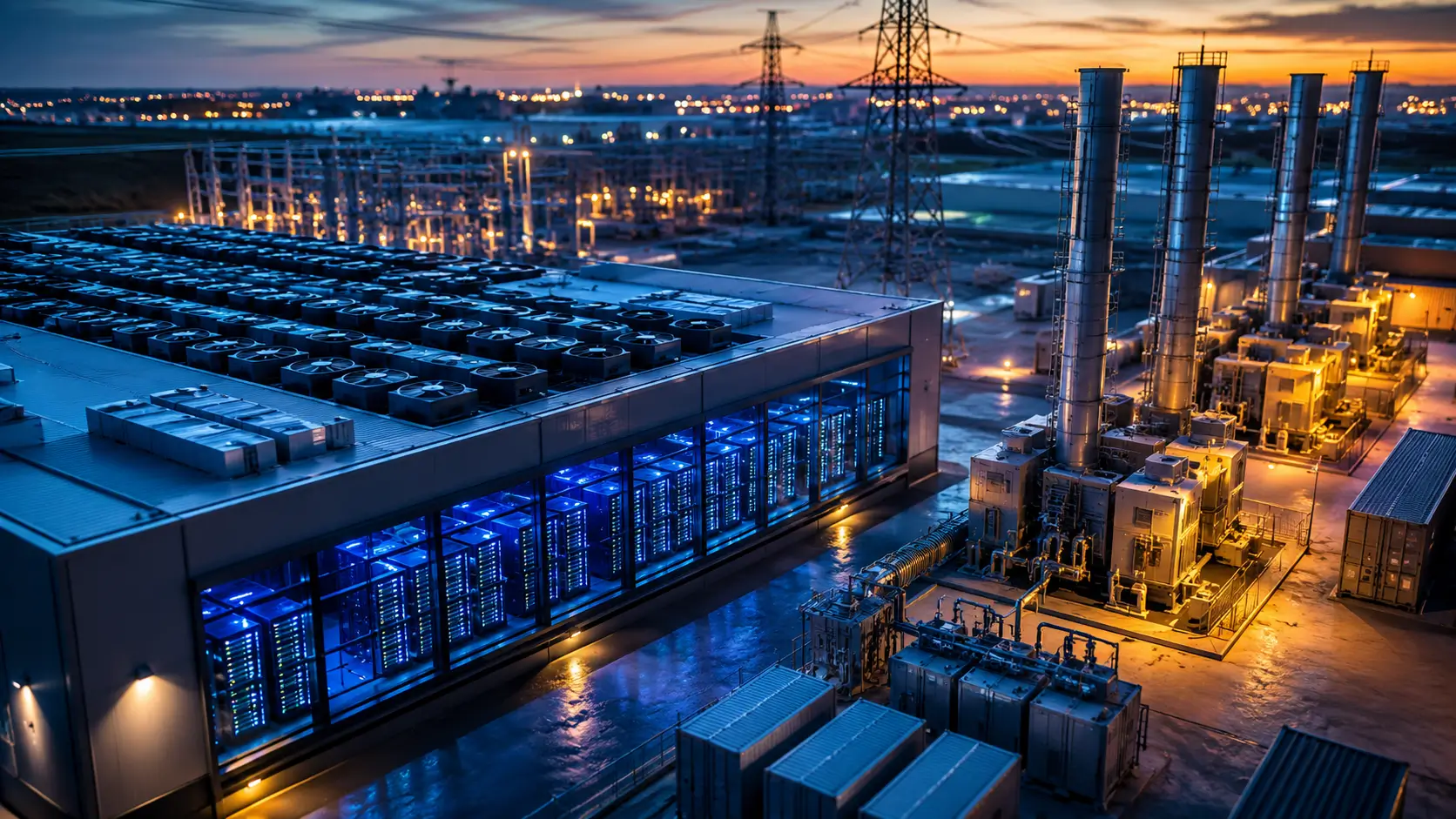
The most important change in AI infrastructure may be happening outside the server rack. It is taking shape in the way data centers secure and manage electricity. AI operators need power at a pace that conventional utility planning often cannot match. That pressure is pushing developers toward new energy strategies, including behind-the-meter generation and hybrid-powered campuses. The shift changes more than the construction schedule. It also changes the responsibilities carried by the data center operator. Customers may eventually feel the effects through availability, capacity and service economics. That makes the power system part of the broader computing proposition. The industry should therefore judge these projects by their operating performance, not only by how quickly they reach energization.

Faster Power Does Not Automatically Mean Better Infrastructure
Grid interconnection delays have become a major constraint for large computing projects. The problem is especially important in regions facing concentrated demand for new data center capacity. Behind-the-meter generation can change that development equation. It allows operators to build generation alongside the computing campus instead of waiting entirely for a grid connection. This approach may help align infrastructure schedules with faster AI deployment cycles. However, faster power does not remove engineering complexity. Generation assets still need coordinated controls, protection systems and maintenance programs. The customer ultimately sees the result through workload availability and computing performance. A faster route to electricity has value only when that electricity supports reliable compute.
Behind-the-Meter Power Creates a Second Infrastructure Stack
Once a data center generates a meaningful share of its own electricity, operators take on additional responsibilities. Those responsibilities extend beyond traditional facility management. Operators may need to manage generation equipment, fuel supply, switchgear and paralleling controls. They may also need stronger capabilities in instrumentation, protection and commissioning. The broader industry discussion around hybrid-powered campuses reflects this growing focus on energy control. From an end-user perspective, this can create an additional dependency. Digital services may rely on energy systems that customers do not directly operate or control. Many cloud customers may not distinguish between utility power and on-site generation when assessing a service. Their main concern is whether the infrastructure delivers the promised availability and performance.
Reliability Has to Be Measured at the Workload Level
A data center can have multiple power sources and still face operational challenges. The key issue is how those sources behave during normal operation and unexpected events. Power transitions can affect computing equipment if controls do not respond as designed. Protection systems must also coordinate across different parts of the electrical architecture. Fuel availability creates another consideration for facilities that rely on on-site generation. Maintenance schedules can affect the resilience of individual generation assets. These factors matter because customers purchase computing capacity, not electrical equipment. They expect applications to remain available when the underlying power system changes state. Reliability therefore needs to be measured through the workload experience rather than the generation asset alone.

Energy Control Can Become a Competitive Advantage
Power availability is becoming an important factor in where AI capacity can be developed. Access to electricity, however, does not automatically create a lasting advantage. Operators also need to understand the costs and risks attached to their energy strategy. Behind-the-meter generation can reduce dependence on a specific grid connection timeline. At the same time, it can introduce exposure to fuel markets and equipment maintenance. Operators also assume more responsibility for electrical operations and system coordination. Some of these costs may influence customer pricing or service structures. The impact will depend on the commercial model used by each operator. A power strategy therefore needs to deliver both faster deployment and predictable long-term economics.
Customers Need Greater Visibility Into Power Architecture
Customers can evaluate data center locations through several infrastructure factors. These can include availability, latency, sustainability, capacity and cost. Power architecture can influence each of those factors in different ways. A facility with multiple generation sources may offer additional resilience options. Another facility may benefit from stronger grid connectivity or greater access to future capacity. Yet customers may have limited visibility into the technical characteristics behind those claims. Greater visibility could help enterprises assess whether a facility fits their workload requirements. That transparency does not require operators to reveal proprietary engineering details. It can instead focus on practical information about resilience, power sourcing and service commitments.
The Real Test Will Come After Construction
Project development discussions often focus on land, equipment and construction schedules. These milestones provide clear signs that a project is moving forward. Operational performance becomes more important once the facility starts carrying production workloads. A campus with on-site generation also has additional infrastructure to operate and maintain. That responsibility can include controls engineering, fuel management and commissioning. It can also require detailed emergency procedures and maintenance planning. A project can solve a grid connection challenge while creating new operational demands. End users remain affected by service interruptions regardless of the electrical subsystem involved. The real measure of success is whether the added complexity remains invisible to the customer.
AI Infrastructure Is Moving Toward Tighter Energy-Compute Integration
AI infrastructure planning can no longer treat power as a completely separate workstream. Compute capacity, electrical supply and cooling requirements increasingly interact during campus planning. Site selection must account for those relationships from the beginning. Electrical engineers and data center teams therefore need to work from shared development assumptions. Technology and commercial teams also need visibility into those infrastructure decisions. A disconnect can create gaps between generation readiness and computing readiness. Customers can encounter those gaps through delayed deployments or constrained capacity. They may also see changes in service economics when infrastructure costs shift. The industry is therefore moving toward closer integration between energy planning and compute planning.
End Users Will Ultimately Decide Whether the Model Works
Behind-the-meter power for AI data centers should not be viewed only as a response to slow grid connections. It represents a broader change in how digital infrastructure operators manage critical inputs. Operators gain greater control over an energy system that supports computing capacity. That control can create advantages when the system is designed and operated effectively. It can also introduce new financial, operational and supply risks. The outcome will depend on engineering discipline and long-term operational management. For many end users, the infrastructure philosophy matters less than service reliability and availability. Customers also need predictable costs and sufficient capacity for their workloads. If energy becomes part of the data center product, customers may increasingly assess how well that energy architecture supports their computing experience.










