 Skip to content
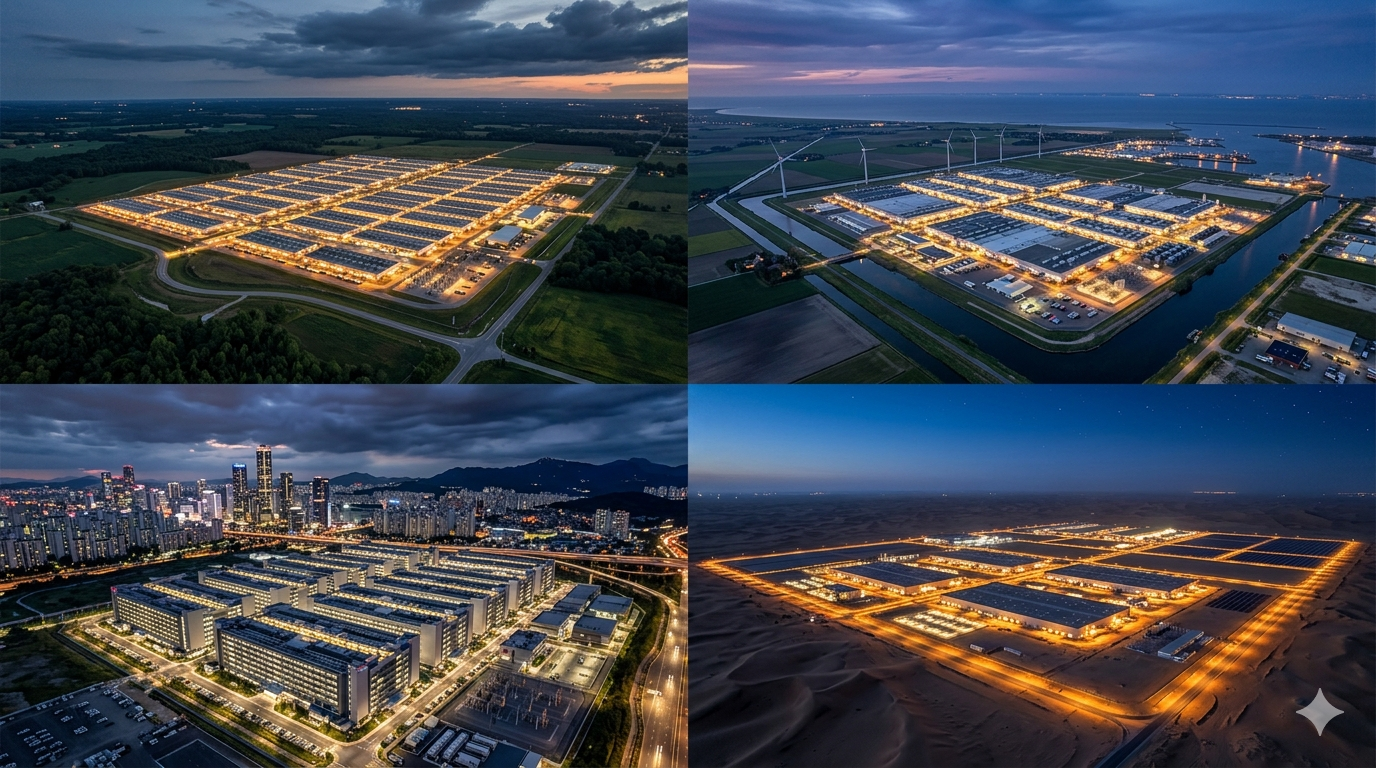
Alphabet, Amazon, Meta, and Microsoft collectively reported more than $130 billion in capital expenditure during the first quarter of 2026 alone, confirming that the $700 billion full-year AI infrastructure spending projection is not a forecast but a trajectory already in motion. However, the earnings results landed with a divided Wall Street reaction that illustrated how differently investors are interpreting the same numbers. Specifically, Meta shares fell sharply after its report as investors focused on the scale of its AI spending ambitions relative to near-term revenue visibility. Similarly, Microsoft slipped on the same concerns. By contrast, Alphabet and Amazon rose on strong cloud growth that gave investors confidence the infrastructure spending is translating into commercial returns.

The divergence in market reaction reflects a genuine analytical debate about the timing and magnitude of AI infrastructure returns. Every major hyperscaler reported sustained high levels of investment with no near-term reduction in sight. Only Alphabet explicitly pointed to further spending increases beyond 2026. The others signaled that current spending levels would be maintained or increased as demand for AI infrastructure continues to grow, with none of the belt-tightening language that investors hoping for spending discipline were listening for.
What the Numbers Actually Mean
The combined $130 billion quarterly figure represents a pace of spending that would have been unimaginable for the industry two years ago. Amazon alone projected $200 billion in full-year 2026 capex, up from $131 billion in 2025. Google guided to between $175 billion and $185 billion. Meta estimated $115 billion to $135 billion. The combined total surpasses the annual GDP of most countries and exceeds the entire annual capital investment of the US energy sector by a factor of roughly four. As covered in our analysis of the hyperscaler consolidation of AI infrastructure, this level of sustained capital commitment is structurally transforming every layer of the AI infrastructure market, from power procurement and transformer supply chains to real estate and construction labor.
What Wall Street Is Watching Next
The earnings cycle has sharpened the central question facing every AI infrastructure investor: at what point does the revenue growth from AI products and services begin to visibly justify the infrastructure spending required to deliver them. The hyperscalers have consistently argued that the demand is real, the competitive stakes are existential, and the returns will materialize. Investors who pushed Meta and Microsoft lower this week are essentially betting that the timeline between spending and return is longer than management projections assume. The answer to that debate will shape AI infrastructure investment patterns for the next several years, and the Q2 2026 earnings cycle in July will be the next major data point in resolving it.













