 Skip to content
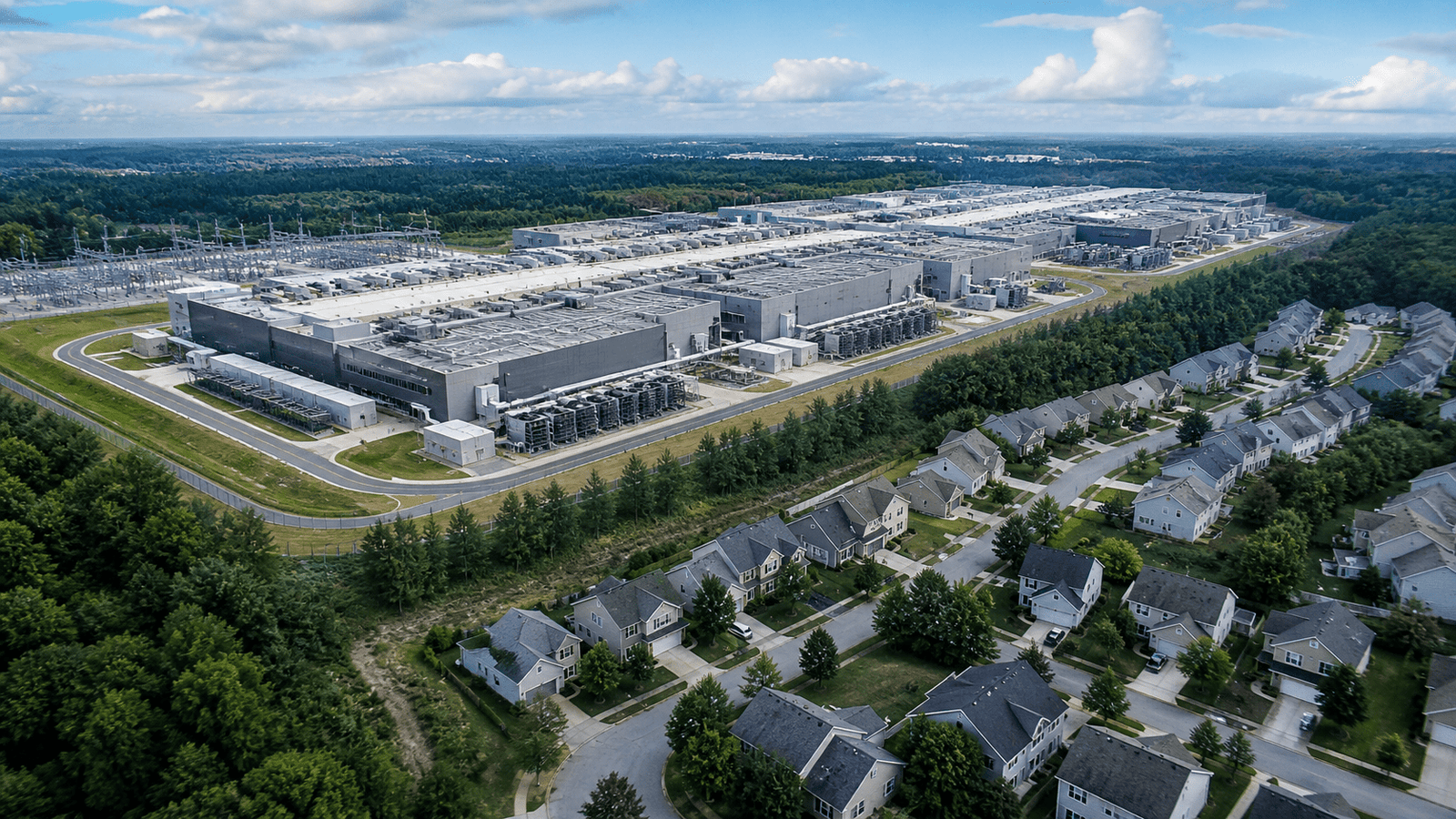
North Carolina lawmakers introduced House Bill 1063, the Ratepayer and Resource Protection Act, on April 27, requiring large data centers to pay the full cost of their electricity, water use, and grid infrastructure rather than shifting those costs onto households and small businesses. The bill applies to facilities with projected peak electricity demand of at least 40 megawatts or annual water consumption exceeding one billion liters. It passed its first reading in the House and has been referred to the House rules committee. Sponsored by Democratic Rep. Lindsey Prather of Buncombe County, the bill faces an uphill path given the Republican majority in the legislature, but it signals the growing political pressure on data center development across the state.

The bill’s requirements are sweeping. Covered facilities must pay cost-based electric rates that reflect the full cost of new generation, transmission, and distribution infrastructure built to serve them. They must generate at least 25% of their electricity on-site using clean energy. Before construction can begin, developers must submit detailed disclosure statements covering projected energy use, water consumption, and cooling technologies. Additionally, local governments would be barred from offering tax abatements, rebates, or similar financial assistance specific to data center projects, and state-level sales tax exemptions on data center equipment purchases would be repealed effective 2027.
Why North Carolina Is Moving Now
North Carolina has become one of the fastest-growing data center markets in the American Southeast, attracting hyperscaler investment from Apple, Meta, Microsoft, and Google among others through a combination of low energy costs, available land, and aggressive tax incentives. However, that growth is arriving faster than the state’s grid and communities can absorb it. Duke Energy has flagged AI data centers as a primary driver of an eightfold increase in projected electricity demand over the next fifteen years compared to the previous fifteen, a trajectory that the utility says requires extending the life of coal plants and building new natural gas generation. At least five North Carolina county governments, including Chatham, Canton, Brevard, Gates, and Boone, have passed data center moratoriums as of April 2026, with several more under consideration. Durham has proposed its own moratorium as it assesses the impact of large facilities on power, water, and land use.
What It Means for the National Regulatory Trend
The North Carolina bill follows Wisconsin’s April 27 Public Service Commission decision requiring data centers to cover 100% of generation and grid infrastructure costs, Oklahoma’s unanimous passage of a similar large-load cost requirement, and an active legislative debate in multiple other states. As covered in our analysis of the time-to-power crisis as AI’s hidden scaling ceiling, the relationship between data centers and the grids they depend on is under fundamental renegotiation across the US. The North Carolina bill is among the most comprehensive proposals yet, combining ratepayer protection, clean energy mandates, water transparency, and incentive elimination into a single legislative package. Industry analysts warn that if passed in its current form, the legislation could cause some proposed data centers to withdraw applications and relocate to states with more permissive regulatory environments.













