 Skip to content
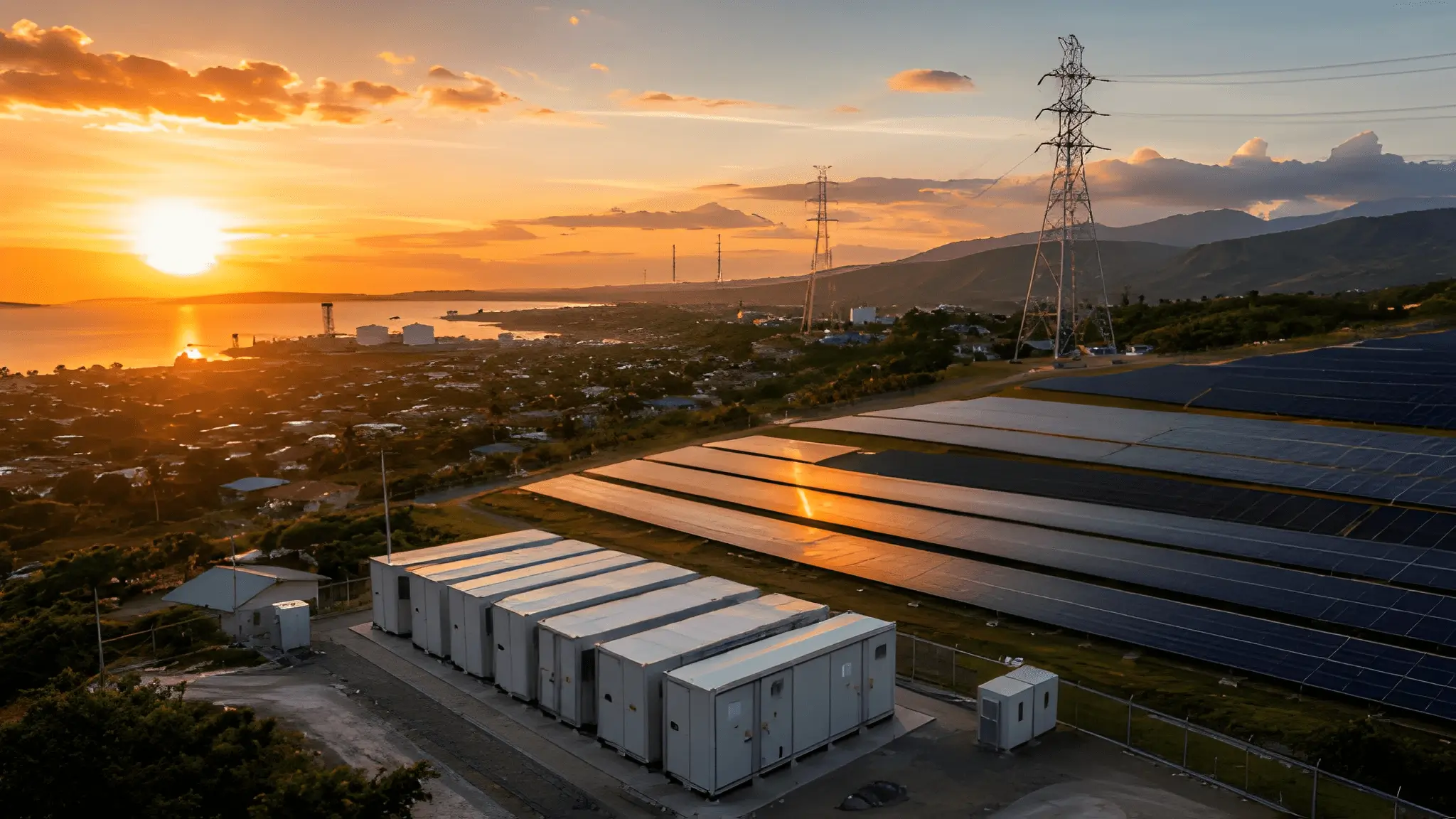
Indonesia’s widespread rolling blackouts in May 2026 have rapidly evolved from an operational emergency into a defining moment for the country’s long-term energy strategy. Rolling blackouts that affected multiple regions during May 2026 exposed how vulnerable the national grid remains when coal supply chains fail to perform under pressure, despite the country’s abundant domestic coal reserves. The government’s response therefore extends well beyond restoring interrupted power, placing renewable energy at the center of broader discussions around energy resilience, fiscal stability and industrial competitiveness. President Prabowo Subianto has subsequently accelerated an ambitious national solar deployment program that now targets 100 GW of installed capacity within only three years instead of the previously envisioned five-year timeline. The compressed schedule signals that Jakarta increasingly views renewable infrastructure not simply as an environmental commitment but as a strategic asset capable of strengthening economic security while reducing exposure to future fuel disruptions.

A Faster Solar Rollout Reflects a Shift in National Priorities
Indonesia’s revised deployment schedule represents more than an adjustment of construction milestones because it reflects a fundamental reassessment of how electricity security should be achieved in one of the world’s largest archipelagic nations. The government intends to replace significant portions of aging diesel-powered generation, particularly across eastern Indonesia where isolated grids continue to rely heavily on imported liquid fuels that remain costly to transport and operate. Solar generation paired with battery energy storage has consequently emerged as the preferred replacement technology because it offers greater operational flexibility while reducing dependence on volatile fuel logistics. Government estimates indicate that replacing diesel generation with solar and battery systems could save approximately 74 trillion rupiah, equivalent to around US$4.1 billion, every year through lower diesel imports and reduced operating expenses.
Land Strategy and Floating Solar Expand Indonesia’s Deployment Options
Delivering 100 GW of new solar capacity within such a compressed timeframe requires far more than financing because land availability often determines how quickly utility-scale renewable projects can move from planning into construction. Indonesian authorities have therefore identified approximately 28,000 hectares across Java for renewable energy development, creating one of the country’s largest coordinated land allocations dedicated to clean power infrastructure. Around 8,500 hectares have already been designated for ground-mounted solar facilities integrated with battery energy storage systems that together are expected to contribute roughly 8.5 GWp of installed photovoltaic capacity. Approximately 10,000 hectares of state-owned reservoirs have been earmarked for floating solar installations capable of producing as much as 10 GWp, allowing projects to advance without many of the permitting and acquisition challenges associated with terrestrial developments.
Domestic Manufacturing Becomes the Second Pillar of the Energy Transition
Expanding solar generation at the scale envisioned by Indonesia requires more than project sites because supply chain capacity will increasingly determine whether deployment targets remain achievable. Policymakers have therefore coupled their infrastructure ambitions with a parallel effort to strengthen domestic solar manufacturing, reducing dependence on imported equipment while creating new industrial opportunities inside the country. The Ministry of Investment has secured approximately US$1.4 billion in foreign direct investment to establish local manufacturing capacity capable of producing up to 50 GW of solar components. That strategy reflects a broader industrial policy in which renewable energy serves both electricity objectives and economic development priorities, enabling Indonesia to capture a larger share of value creation across the clean energy supply chain. Local production also provides greater certainty for developers seeking long-term procurement, particularly as global demand for photovoltaic equipment continues to expand and international supply chains experience periodic constraints.
Indonesia’s emphasis on domestic production is already moving beyond policy announcements as manufacturers begin establishing operations aligned with national renewable energy goals. Companies such as Trina Mas Agra Indonesia have started producing solar products with an initial local content level of 41%, demonstrating measurable progress toward building an indigenous manufacturing ecosystem. Although imported technologies will continue to play an important role during the industry’s expansion phase, increasing domestic content could gradually improve supply security while supporting employment across manufacturing, engineering and technical services. Investors also view local production as a mechanism for reducing currency-related procurement risks because a larger proportion of project inputs can eventually originate within Indonesia. Meanwhile, stronger manufacturing capability may also improve project execution timelines by shortening delivery schedules and reducing exposure to international shipping disruptions.
Regulatory Reform Targets Faster Project Execution
Infrastructure investment at this scale depends as much on regulatory efficiency as it does on financing, making policy reform a critical component of Indonesia’s accelerated renewable strategy. The Ministry of Energy is preparing a new Presidential Regulation designed to simplify project approvals, accelerate land clearance procedures, improve competitive bidding processes and provide greater certainty for long-term power purchase agreements. Each of these reforms addresses longstanding issues that have historically slowed renewable energy development despite strong investor interest in the Indonesian market. Greater clarity around procurement and contracting could improve financing conditions because lenders generally assign lower risk premiums to projects operating under transparent regulatory frameworks. Faster approvals would also help developers synchronize construction schedules with manufacturing expansion, ensuring that new production capacity translates into deployed generation rather than inventory accumulation.

The Blackouts May Ultimately Redefine Indonesia’s Energy Future
The May 2026 power disruptions prompted the Indonesian government to accelerate strategic decisions aimed at strengthening the country’s energy security and expanding renewable energy deployment. Ultimately, the accelerated 100 GW solar program represents an attempt to transform a short-term operational crisis into a long-term economic opportunity that strengthens both energy security and industrial capability. The success of that strategy will depend on whether project execution, manufacturing growth and regulatory reform advance with the same urgency as the revised deployment timeline announced by the government. If implementation remains on schedule, Indonesia could significantly reduce diesel dependence, lower recurring fuel import costs and build a more resilient electricity system capable of supporting future economic growth. The country’s response illustrates how infrastructure failures can sometimes become the catalyst for structural policy change, particularly when governments view energy resilience as an essential foundation for national competitiveness rather than simply a utility objective.












