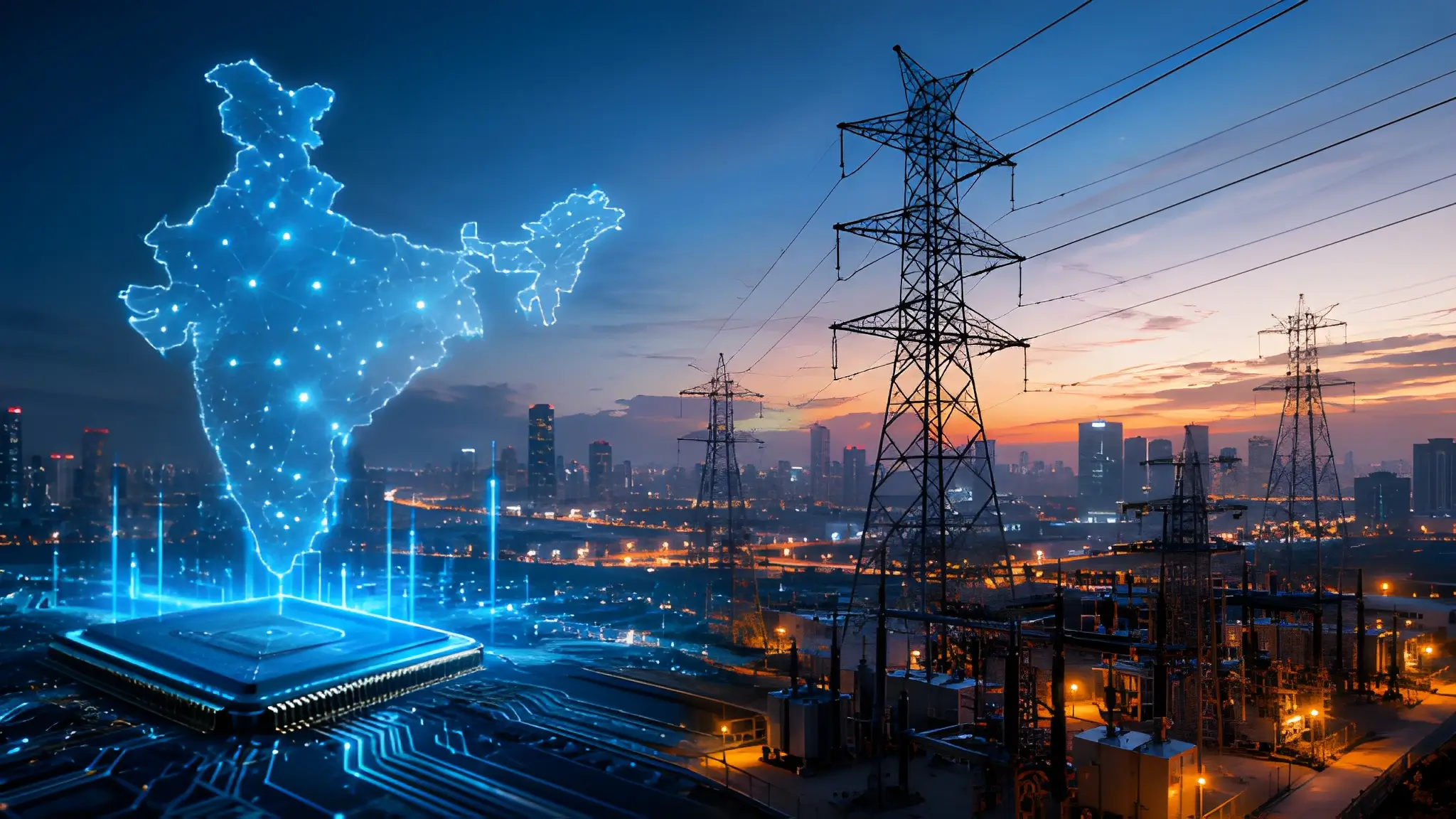
India has spent the past two years celebrating artificial intelligence as the country’s next economic engine, attracting global cloud providers, semiconductor partnerships, startup capital, and ambitious government programs. Venture funding has flowed into foundation models, enterprise AI applications, and sector-specific automation, while policymakers increasingly frame AI as a strategic capability rather than simply another technology cycle. Yet the conversation is beginning to shift from algorithms toward the physical systems required to operate them at scale. Data centers, electricity networks, transmission capacity, cooling technologies, and land development have quietly become the variables determining whether ambitious AI roadmaps can move beyond presentations into production. However, infrastructure deployment operates on timelines measured in years, while AI demand continues expanding quarter after quarter. The resulting mismatch is creating a strategic challenge that extends well beyond India’s technology sector and into the country’s industrial planning agenda.
Electricity Is Becoming AI’s Most Valuable Resource
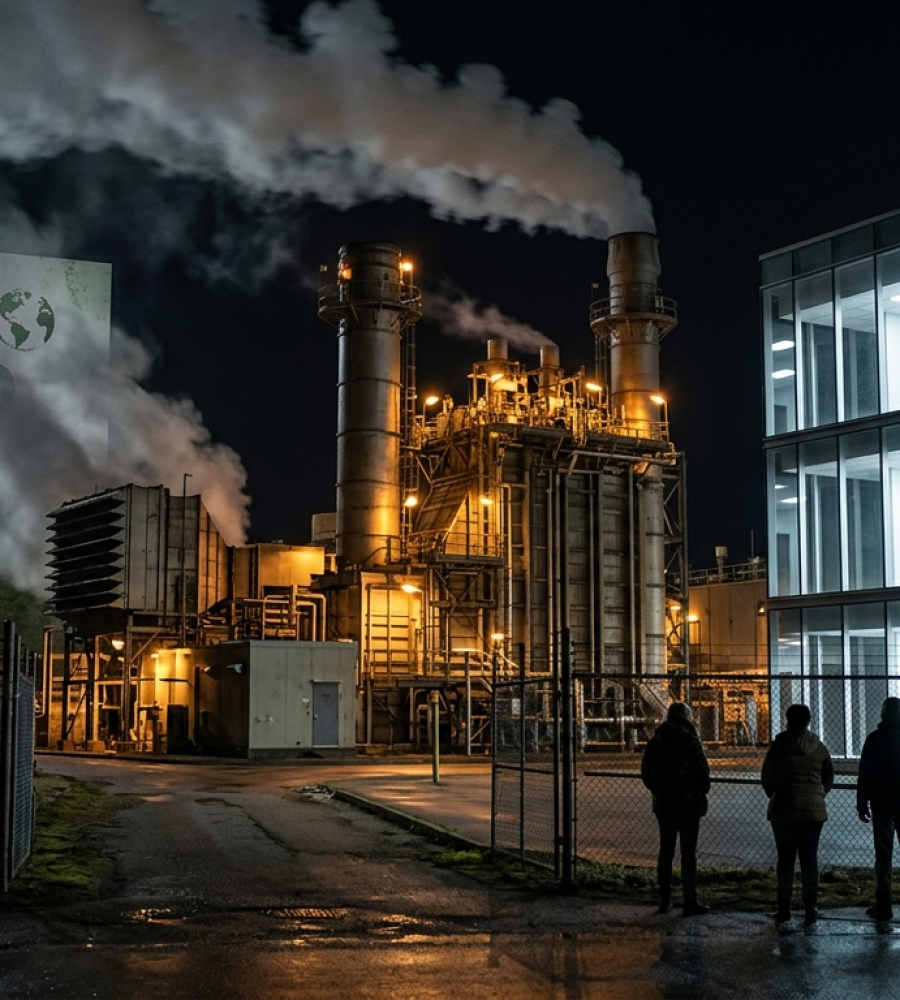
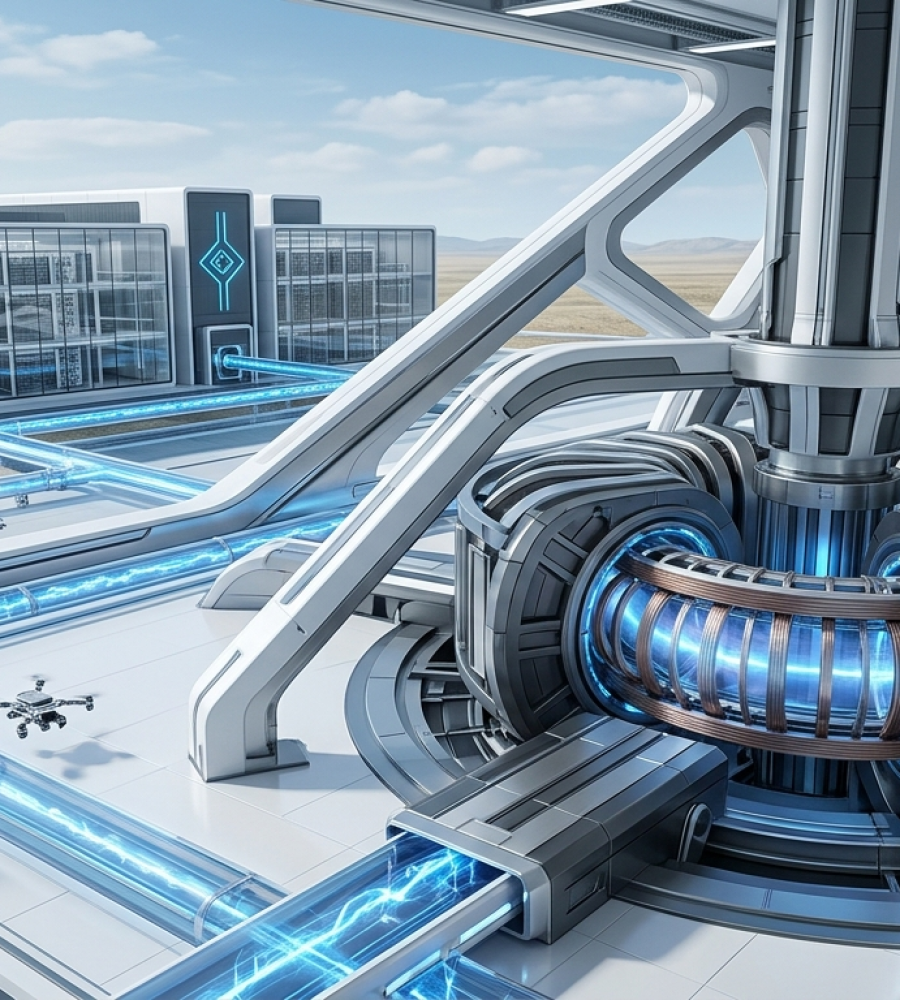
One of the defining constraints for India’s AI ambitions is increasingly becoming reliable electricity alongside computational hardware, as AI deployments depend on both scalable compute resources and dependable power infrastructure to operate effectively. Every new generation of GPUs delivers substantially greater processing capability, yet each improvement also pushes power densities higher inside AI-focused data centers that already consume significantly more electricity than conventional cloud facilities. Reliable power has therefore become an operational requirement instead of merely another utility expense, particularly as enterprises expect uninterrupted AI services supporting business-critical workloads. Grid reliability, transmission availability, substation capacity, and energy quality now influence deployment decisions almost as much as land availability or tax incentives. Regions capable of supplying dependable electricity with room for future expansion are beginning to emerge as preferred destinations for large-scale AI investments.
Public discussion frequently centers on acquiring advanced AI accelerators, but hardware purchases alone cannot close India’s widening compute deficit. GPUs require facilities designed for high-density deployment, resilient electrical distribution systems, sophisticated liquid or advanced air-cooling technologies, and extensive networking infrastructure before they deliver commercial value. Developers therefore face a broader challenge involving synchronized investment across multiple infrastructure layers rather than isolated procurement decisions. Large cloud providers continue announcing multi-billion-dollar expansion programs, yet many projects remain dependent upon utility upgrades and grid connections that progress according to entirely different planning cycles. Meanwhile, enterprise demand for AI inference, model training, and sovereign computing environments continues rising across financial services, healthcare, manufacturing, telecommunications, and government sectors. The practical consequence is that compute availability increasingly depends upon infrastructure execution rather than semiconductor supply alone.
AI Data Centers Are Redefining Infrastructure Planning
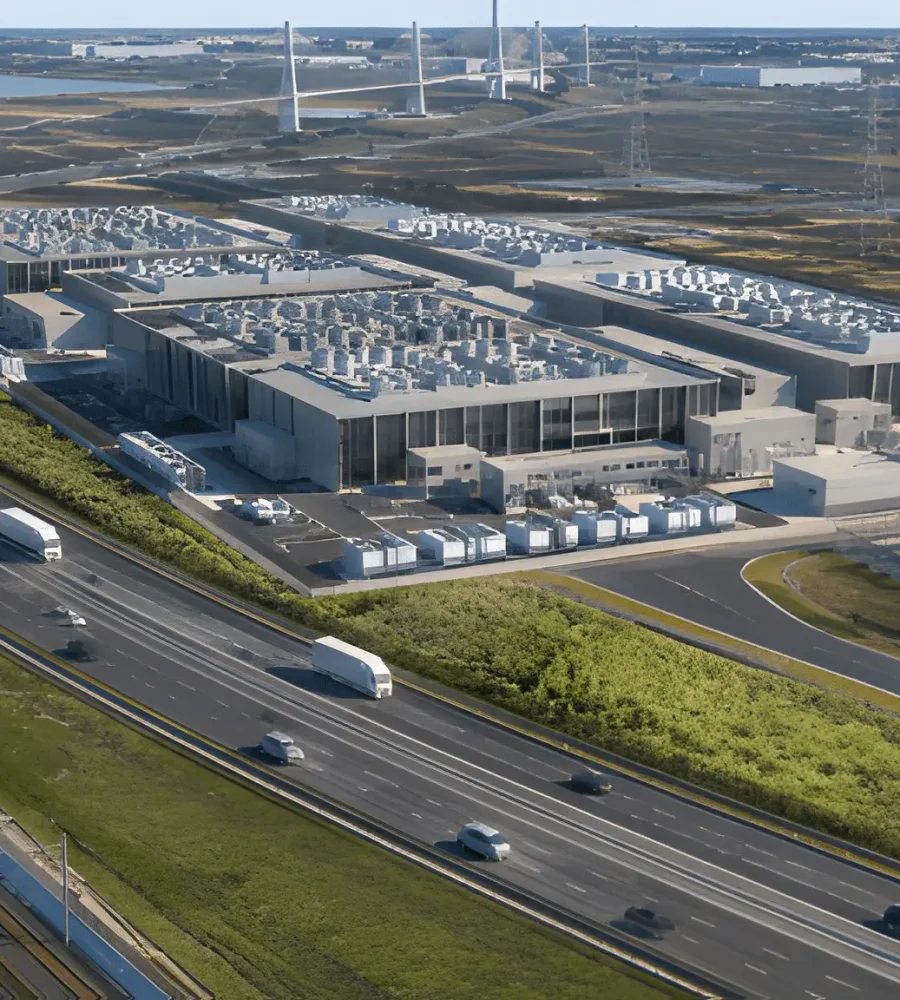
Traditional data center development focused primarily on digital connectivity, physical security, and efficient real estate utilization. AI facilities require a fundamentally different planning framework because racks consume dramatically higher power while generating substantially greater thermal loads that demand advanced cooling architectures. Utilities must therefore evaluate future electricity demand using assumptions that differ considerably from historical commercial consumption patterns. Transmission operators, equipment manufacturers, and engineering firms increasingly find themselves participating in conversations once dominated by software developers and cloud architects. Site selection now depends upon access to robust substations, expandable transmission corridors, dependable water strategies where applicable, and opportunities to integrate renewable energy alongside storage technologies. This transformation illustrates how AI infrastructure has evolved into a multidisciplinary industrial project rather than a purely digital investment.
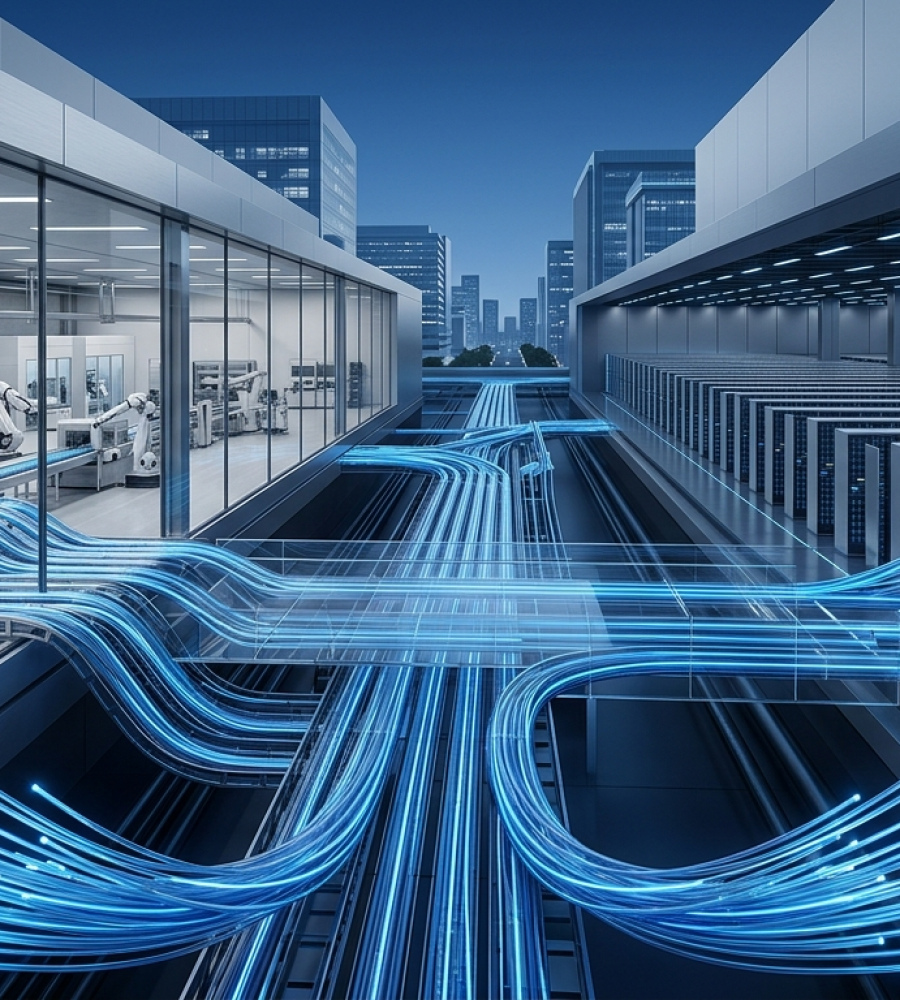
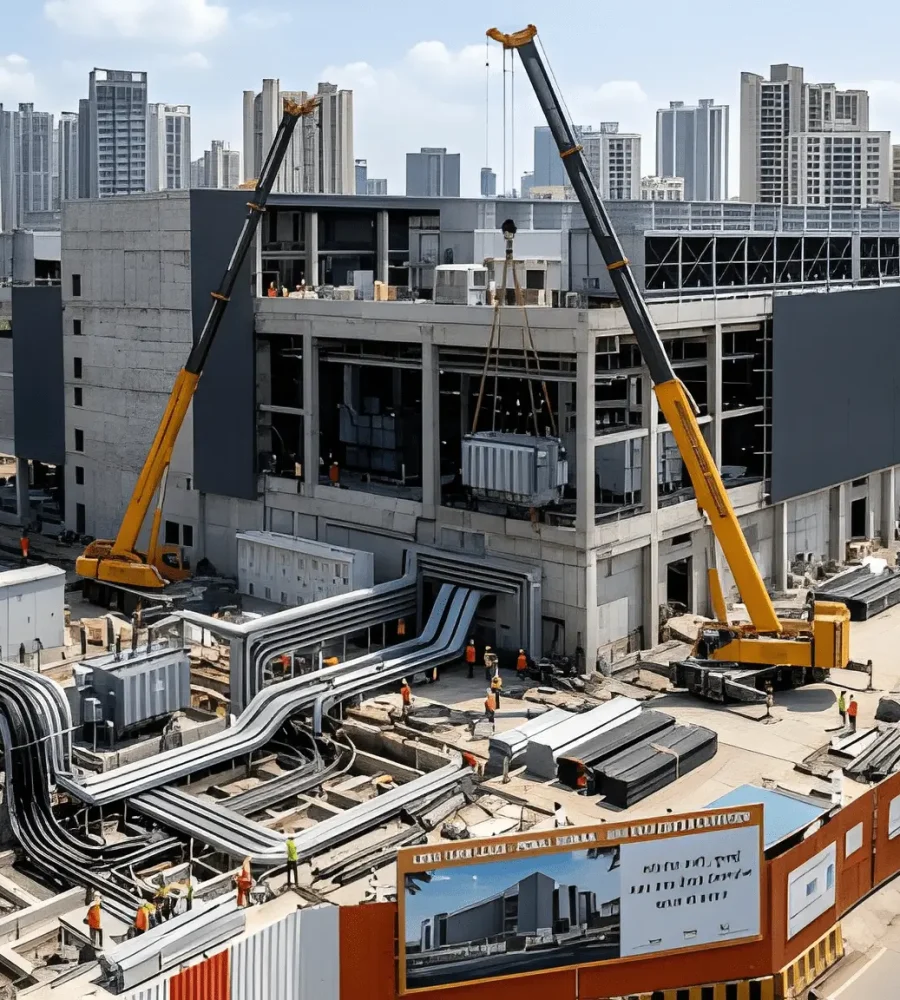
The rapid expansion of AI workloads is placing unprecedented attention on India’s transmission infrastructure because generating electricity alone cannot satisfy hyperscale requirements. High-capacity transmission lines and substations determine whether available generation reaches new data center clusters with sufficient reliability and redundancy. Infrastructure developers increasingly evaluate projects based upon electrical connectivity years before construction begins because delays in grid upgrades can postpone operational timelines regardless of building readiness. Utilities therefore occupy a more influential position within India’s AI ecosystem than many technology investors previously anticipated. Coordinated planning between electricity providers, regulators, private developers, and hyperscalers is becoming essential to avoid localized capacity shortages that constrain future expansion. AI competitiveness is gradually becoming inseparable from the country’s broader infrastructure modernization strategy.
Cooling Technologies Are Quietly Becoming Competitive Differentiators
Cooling rarely receives the same attention as semiconductor announcements, yet it represents one of the fastest-growing operational challenges facing AI infrastructure worldwide. Higher rack densities generate significantly more heat, forcing operators to reconsider conventional cooling approaches that may no longer deliver acceptable efficiency under AI-intensive workloads. Advanced liquid cooling systems are increasingly being adopted for the highest-density AI deployments, while optimized airflow management and improved thermal engineering remain essential design considerations across next-generation AI facilities. These technologies influence operational costs, facility utilization, equipment longevity, and sustainability performance simultaneously. India’s climatic diversity further complicates deployment because environmental conditions vary substantially across potential data center locations. Developers that successfully integrate efficient cooling with reliable energy infrastructure may secure meaningful long-term advantages as AI workloads continue expanding.
Renewable electricity and battery storage are moving from sustainability initiatives into core infrastructure planning decisions for AI facilities. Solar and wind generation can improve long-term energy economics, although intermittent production requires complementary storage systems and sophisticated grid integration to maintain uninterrupted operations. Corporate customers increasingly evaluate cloud providers according to environmental commitments alongside computing performance, encouraging operators to diversify energy procurement strategies. Energy storage technologies also offer opportunities to improve resilience during grid disturbances while supporting demand management across periods of fluctuating electricity consumption. Consequently, infrastructure planning increasingly involves balancing economic efficiency, operational resilience, and environmental objectives instead of optimizing for any single variable. AI infrastructure economics therefore extend far beyond the initial construction budget.
Policy Execution Will Matter More Than Policy Announcements
Government initiatives supporting semiconductor manufacturing, digital infrastructure, and AI research have strengthened India’s long-term technology ambitions. The next phase, however, depends less upon announcing new programs than on accelerating approvals, improving land readiness, modernizing transmission infrastructure, and coordinating investments across multiple agencies. Developers require predictable regulatory processes because hyperscale projects involve substantial capital commitments extending over decades rather than individual technology cycles. Faster environmental clearances, standardized utility coordination, and infrastructure-friendly zoning could significantly reduce deployment timelines without compromising regulatory oversight. International investors increasingly evaluate execution capability alongside policy direction when determining long-term infrastructure allocations. India’s ability to convert strategic intent into operational capacity may therefore become the defining measure of its AI competitiveness.
Private Capital Is Expanding Beyond Traditional Technology Investments
Investment strategies surrounding AI are gradually broadening beyond software startups and foundation models toward the physical assets supporting digital infrastructure. Infrastructure funds, utilities, engineering companies, renewable energy developers, and real estate investors increasingly view AI deployment as a long-duration investment opportunity rather than simply a technology trend. Capital allocation is expanding into substations, transmission upgrades, energy storage systems, industrial land development, and specialized construction capabilities supporting high-density computing facilities. Financial institutions also recognize that predictable infrastructure assets often generate stable returns while enabling broader digital transformation across multiple industries. This evolution reflects growing recognition that AI value chains extend well beyond software companies into sectors historically associated with heavy industry. Investors positioning themselves across these adjacent markets may capture significant long-term opportunities as AI deployment accelerates.
India’s startup ecosystem continues producing innovative AI companies capable of competing across global enterprise markets. Bengaluru-based Sarvam AI has attracted considerable attention for developing large language models tailored to Indian languages and enterprise applications, reflecting broader momentum within the domestic AI ecosystem. Yet even ambitious model developers ultimately depend upon access to reliable compute infrastructure, scalable cloud capacity, and predictable operating costs to commercialize advanced AI systems effectively. Infrastructure limitations therefore affect emerging innovators alongside hyperscale cloud providers because training, fine-tuning, and inference workloads all require substantial computational resources. Strong domestic AI companies can expand India’s technological capabilities, although sustained growth still depends upon parallel investments in electricity, networking, and high-density computing facilities. Their success increasingly illustrates that software innovation and infrastructure development must progress together rather than independently.
The Next Five Years Will Define India’s AI Position
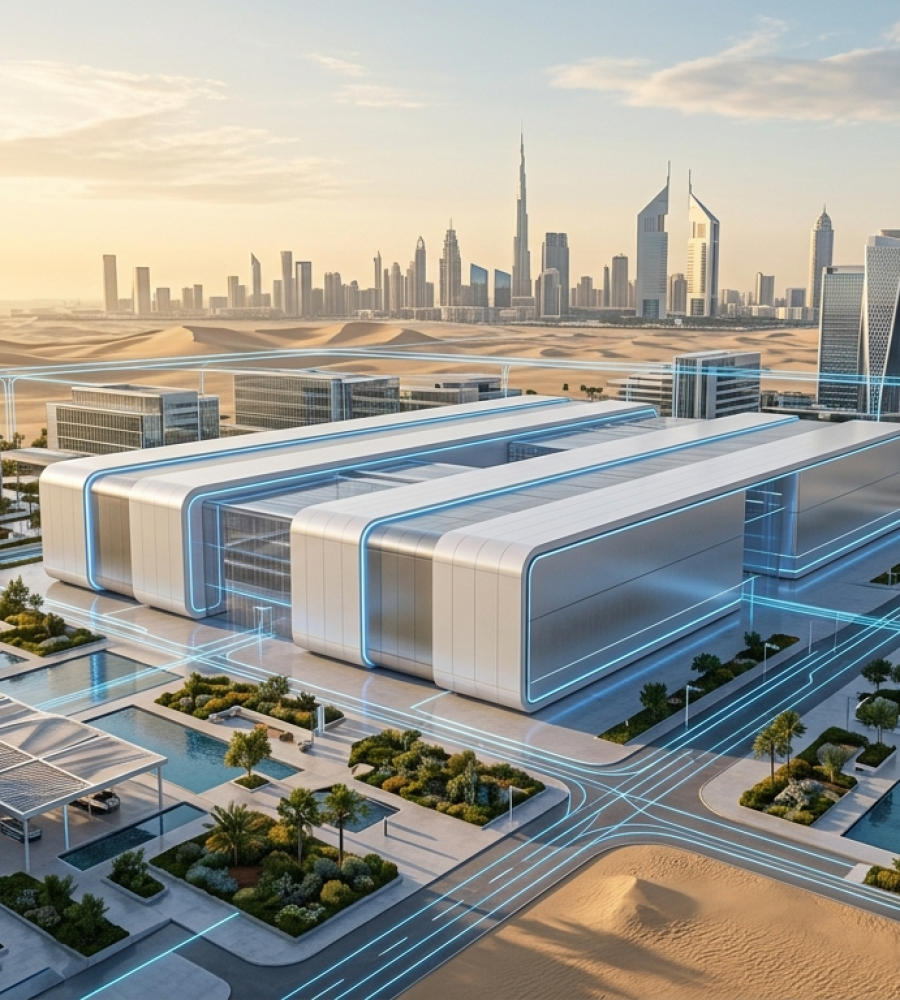
The coming five years are likely to determine whether India evolves primarily into a large AI consumption market or establishes itself as a globally competitive AI infrastructure destination. Sovereign AI initiatives, enterprise digital transformation, industrial automation, financial services modernization, healthcare innovation, and public-sector applications will collectively drive sustained demand for domestic computing capacity. Meeting that demand requires coordinated expansion across power generation, transmission systems, substations, renewable energy integration, storage technologies, advanced cooling, and hyperscale-ready data centers operating as one interconnected ecosystem. Ultimately, the countries that execute infrastructure projects efficiently may gain stronger long-term advantages than those focused exclusively on developing increasingly sophisticated AI models. India’s opportunity remains substantial because the domestic market provides exceptional demand fundamentals, growing technical talent, and expanding investment interest. The decisive question is no longer whether India can build world-class artificial intelligence, but whether it can build the physical infrastructure capable of sustaining it for decades.