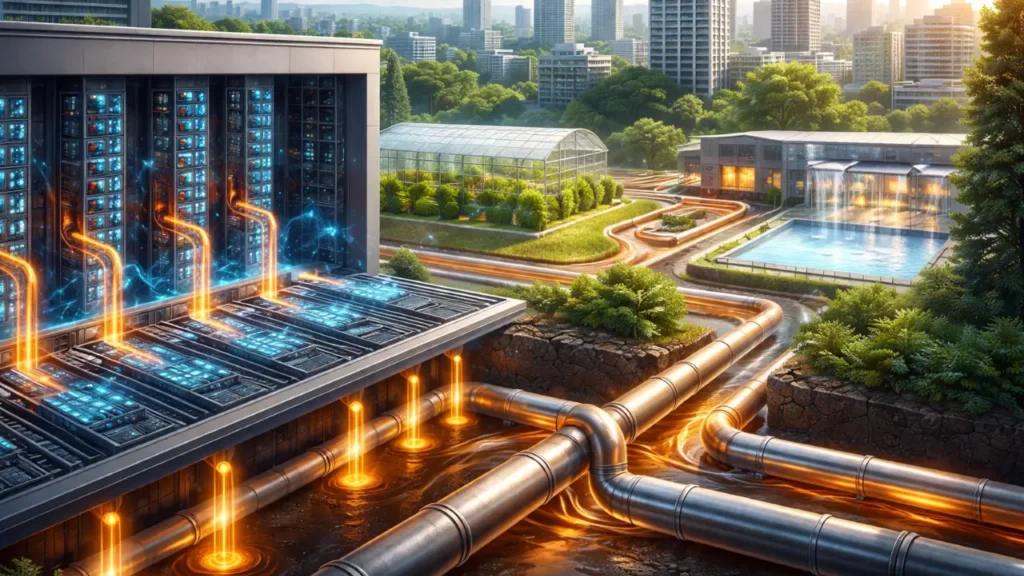
From Data Centers to District Heating: Broader Energy Narrative
Cities rarely notice the invisible exchange taking place inside their digital backbone, yet every search, simulation, and streamed interaction generates

Cities rarely notice the invisible exchange taking place inside their digital backbone, yet every search, simulation, and streamed interaction generates

As models grow larger and training cycles intensify, the physical limits of infrastructure are becoming impossible to ignore. High-density GPU

Engineers exploring physics-inspired computing for AI observe nanoscale materials as electrical currents reshape internal states in ways that resemble learning.

We are building artificial intelligence systems that demand exponential growth in processing power, yet we rely on silicon-based hardware that

A hyperscale campus powers up in one region while a micro-edge cluster activates inside a dense urban exchange across the

Cloud computing once meant elastic, global infrastructure that could support workloads anywhere on the planet. Organizations assumed data and systems
The next wave of artificial intelligence will not be limited by silicon or software, but by something far more fundamental
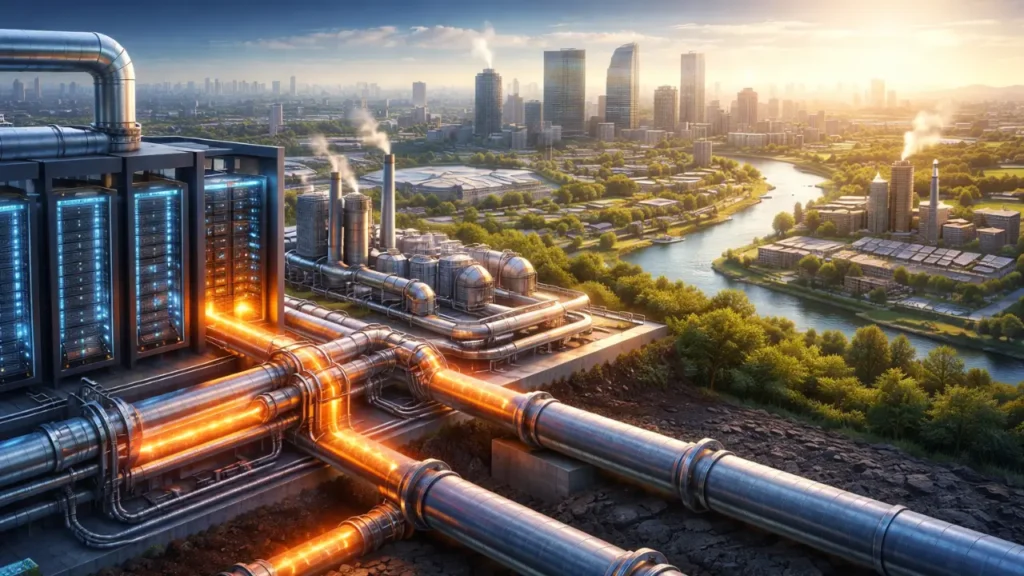
Inside every data center, an invisible exchange unfolds as electricity fuels computation and leaves behind concentrated warmth. That warmth, once
The modern data center no longer competes on raw capacity alone; it competes on how intelligently it consumes power.Across global

The Middle East is emerging as a formidable player in the global artificial intelligence landscape that is shifting rapidly. Governments

Enterprise infrastructure strategy has entered a decisive new chapter, and it no longer revolves solely around performance or cost optimization.

Artificial intelligence no longer operates as a peripheral digital utility; it now defines the trajectory of modern infrastructure expansion. Hyperscale

The future of digital infrastructure will not be defined by compute density alone, but by how responsibly it engages with

As the first major global AI gathering hosted in the Global South, the India AI Impact Summit 2026, taking place
A French startup recently announced plans to deploy 1,000 sovereign AI micro-data centers worldwide by 2030, combining distributed computing with

The intelligence people attribute to an algorithm actually depends on an orchestrated environment of servers, accelerators, networks, and storage operating

As AI workloads grow, data center operators are adopting liquid-based cooling systems to handle rising heat densities and energy demand.

Artificial intelligence has reshaped the global technology landscape faster than almost any previous capital cycle in modern history. Hyperscale data
A decade ago, showcasing a low carbon footprint could elevate a facility into industry headlines and conference keynotes. Today, that
Infrastructure used to sit quietly in the background, drawing power, rejecting heat, and fulfilling its function without question. Today, however,

Artificial intelligence does not sleep, and neither does the electricity that feeds it. AI clusters train models through the night,
Carbon Has a Clock: Why Timing Matters in AI Compute Right at the threshold of tomorrow’s compute ecosystem lies a

It’s only early 2026 and hyperscale cloud and AI infrastructure spending is surging to unprecedented levels. But, markets are signaling

The economics of cloud computing are being rewritten by custom silicon. Hyperscale cloud providers such as Amazon Web Services, Google

A major shift is underway in the hardware that powers artificial intelligence. Recent research from Counterpoint shows that AI ASIC

Silicon once carried the drama of acceleration, but today the real tension hides in the pathways that shuttle data across
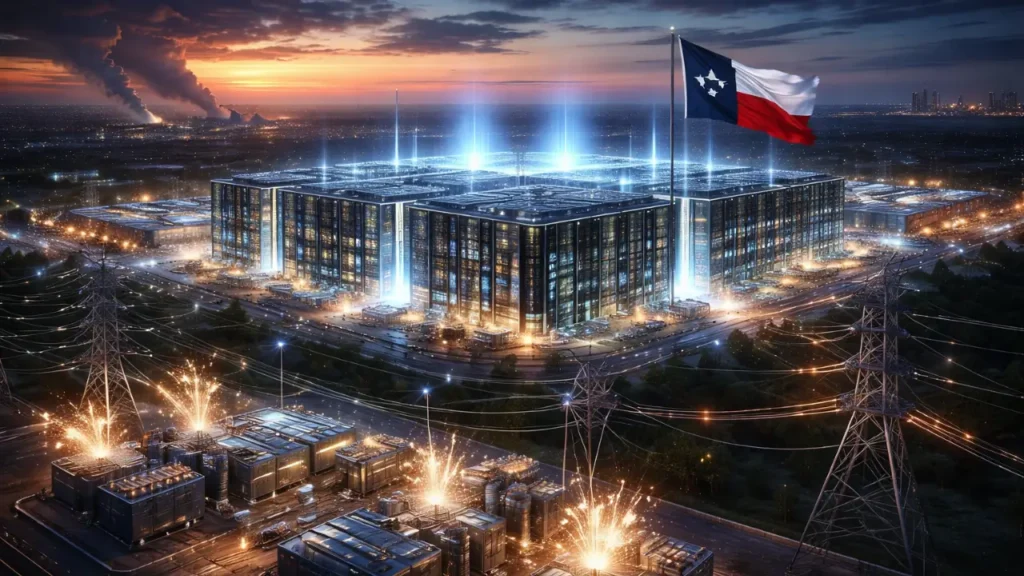
Texas, known as the Lone Star State, is confronting a profound transformation in its power grid as artificial intelligence workloads
The future of national security lies not just in advanced weaponry but in the hidden digital foundations that drive decision‑making,

A city wakes before its people do, and beneath the silence its systems begin their quiet work. Steel contracts in

A server rack hums in a quiet room, and inside its metal enclosure billions of calculations unfold in silence. What

India and the United States took a significant step toward deepening economic and technological cooperation by unveiling an interim trade

In today’s data centers, traditional electrical interconnects built on copper wiring are reaching hard physical limits. As AI accelerators and
The hum of servers rarely reaches human ears, yet their thirst increasingly touches human lives across regions where digital growth
The first time an AI workload failed because of power instability, the incident looked like a technical anomaly rather than
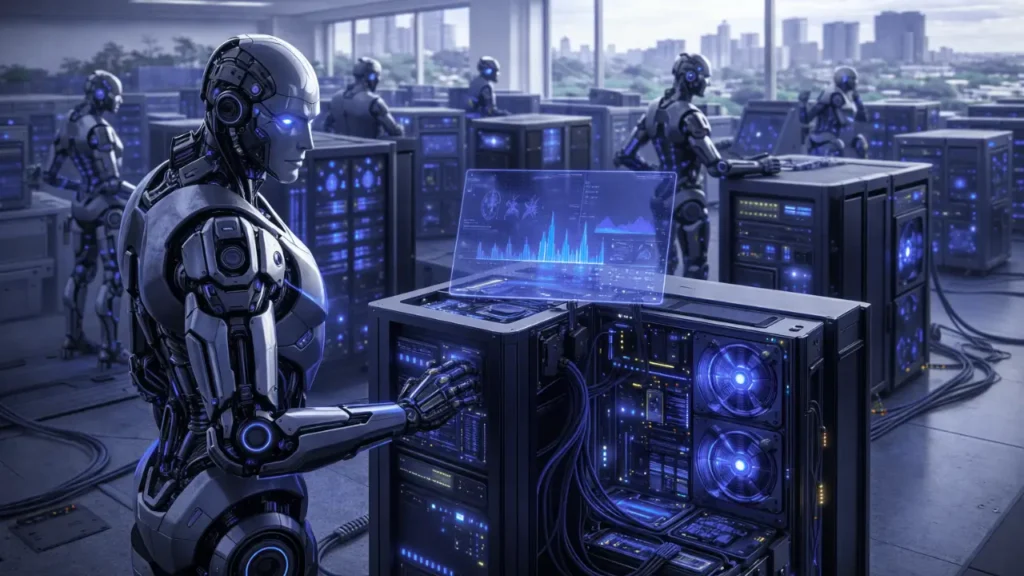
The honeymoon phase of generative AI is ending. For the past two years, the world has been captivated by large
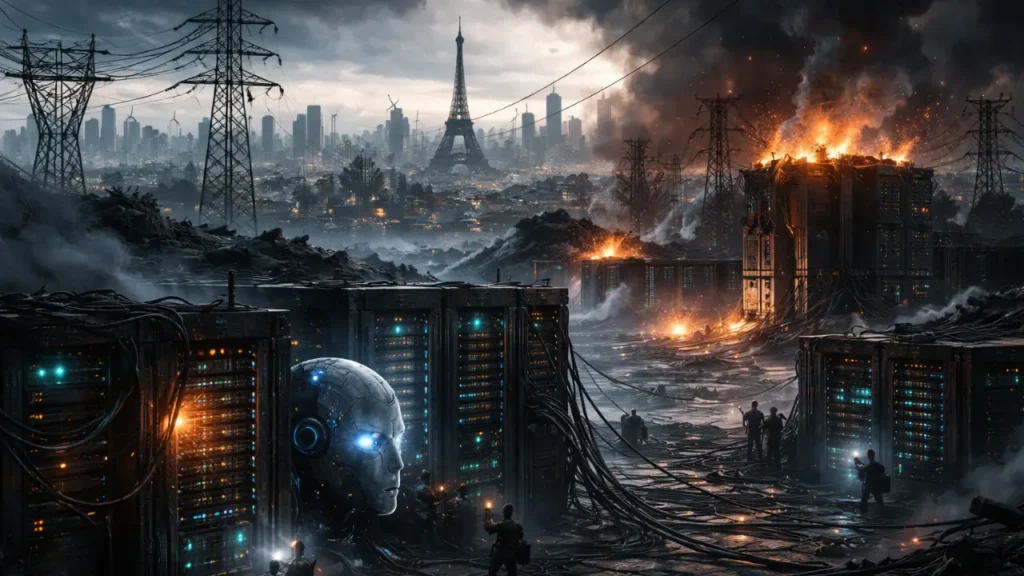
Europe talks a great deal about artificial intelligence. Leaders promise digital sovereignty, ethical guardrails, and strategic autonomy. Yet behind these
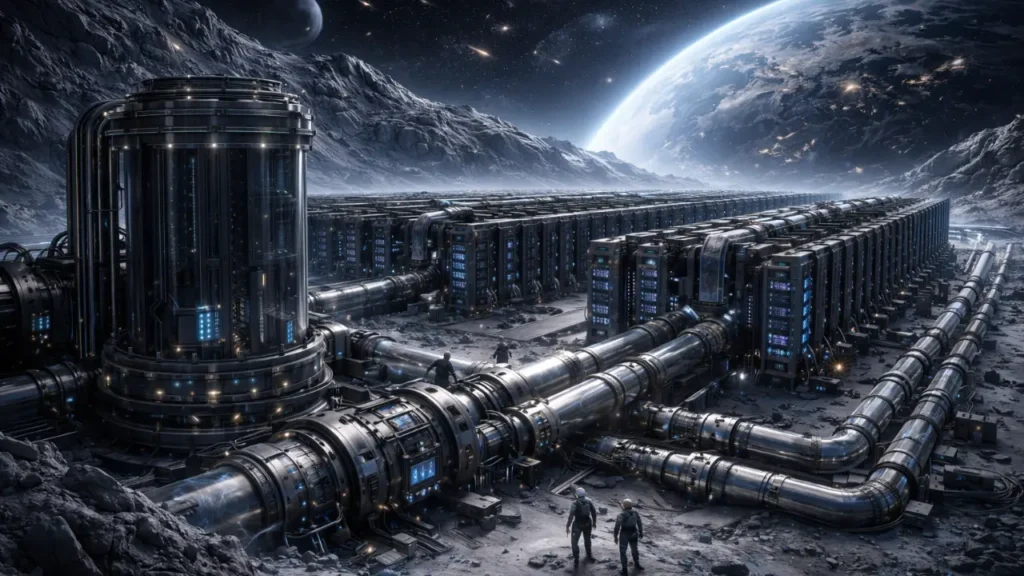
In early 2026, Voyager Technologies CEO Dylan Taylor delivered a sobering assessment for advocates of orbital data centers. According to
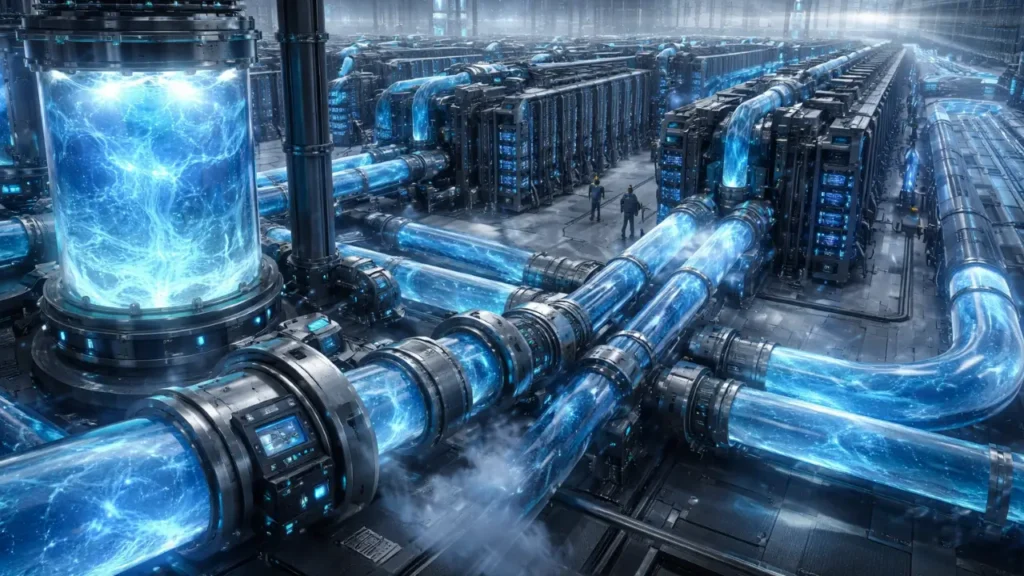
The gold rush of the generative AI era has so far been defined by a scramble for two scarce resources:
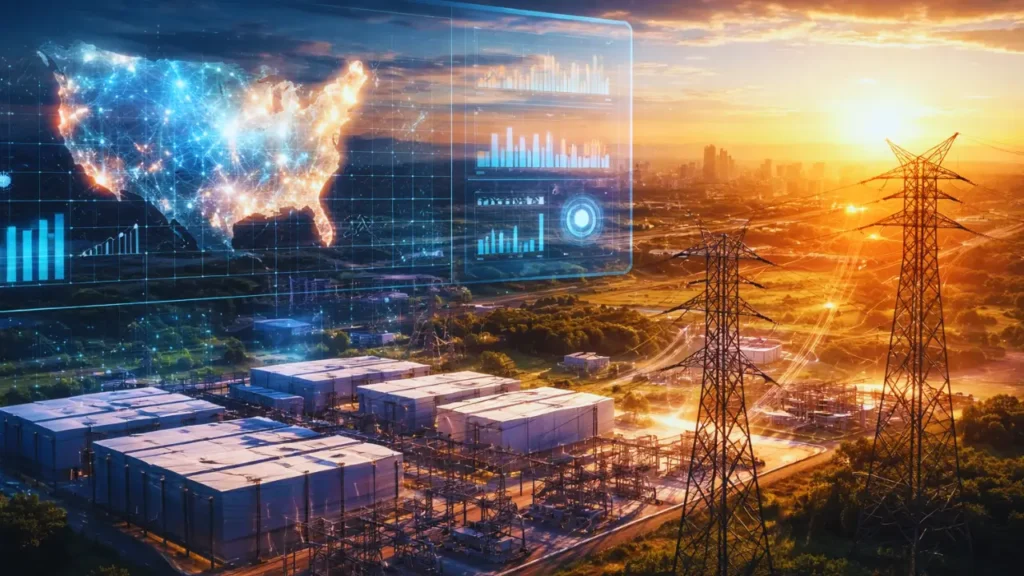
The Paradigm Shift: Power Trumps Geography in Strategic Site Selection In the past, proximity to transportation hubs, workforce accessibility, and

Infrastructure no longer sits quietly beneath enterprise strategy because it now defines how organizations compete, innovate, and defend their digital
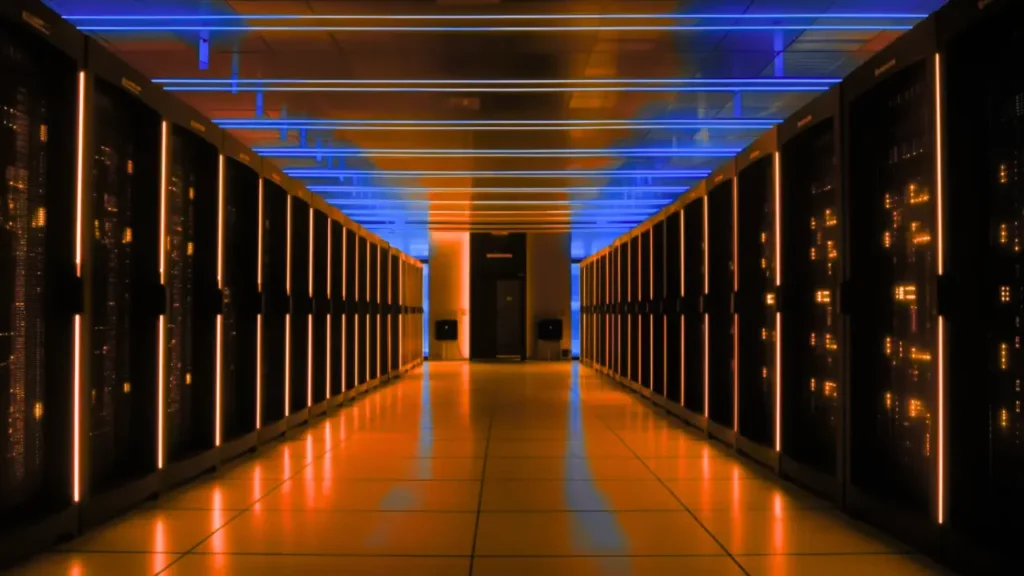
Modular data centers once offered only a faster way to build infrastructure. Now they are becoming more intelligent in how
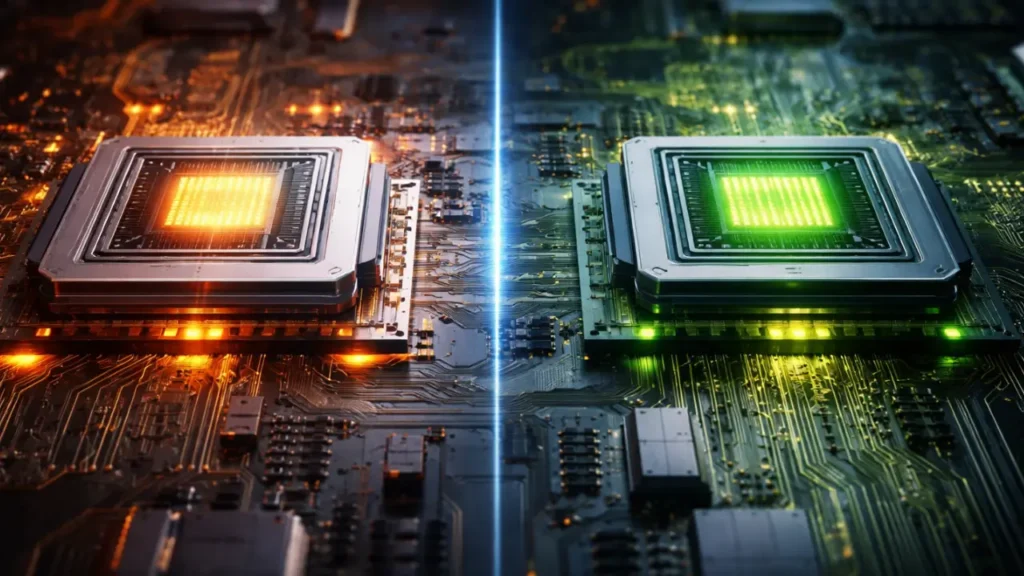
Tesla’s renewed focus on custom AI silicon reflects a structural shift in how the company approaches compute, autonomy, and large-scale
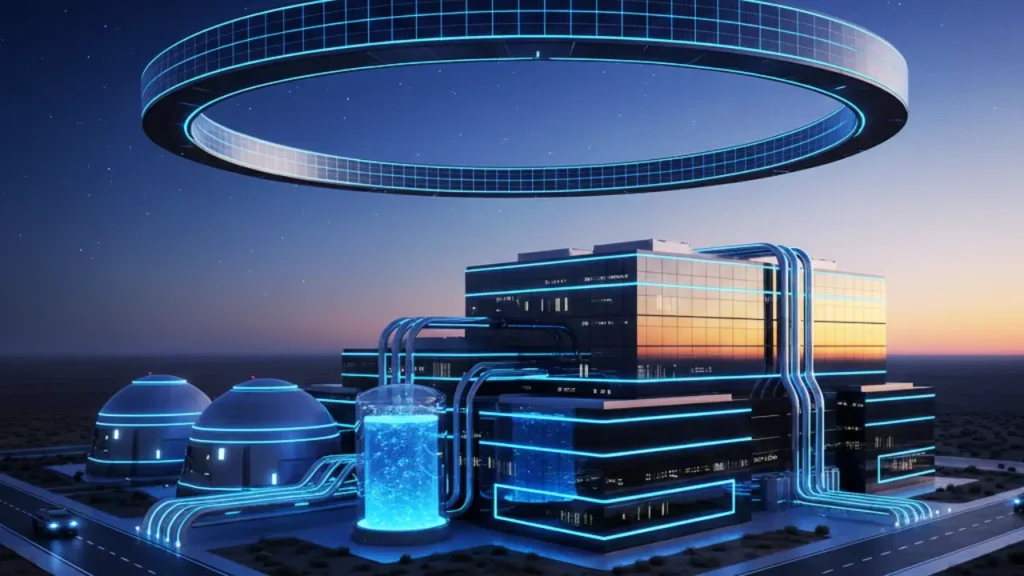
Across the United States and Europe, utilities report massive backlogs of interconnection requests that far exceed available capacity. As a
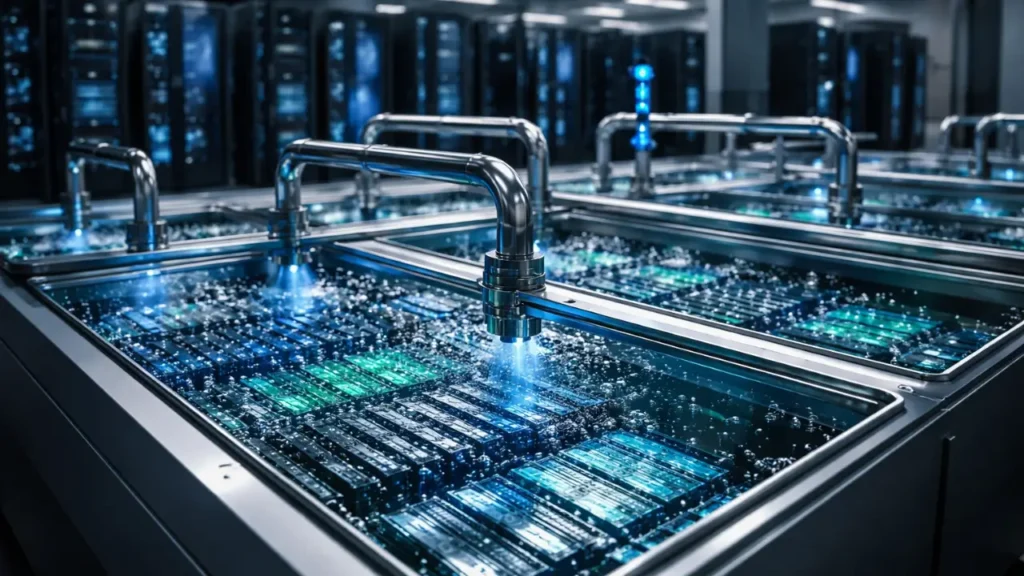
Immersion cooling in enterprise infrastructure is rapidly evolving from a specialized thermal management niche into a strategic pillar for top-tier

In the modern era, digital systems no longer rest; society relies on their infrastructure to operate continuously for instantaneous access,

When Nvidia CEO Jensen Huang took the stage at Davos 2026, he called AI robotics in Europe a “once-in-a-generation” opportunity.

Emerging cloud-native platforms, including NeoCloud, are shaping the way modern enterprises approach organizational design, operational workflows, and strategic decision-making. Organizations
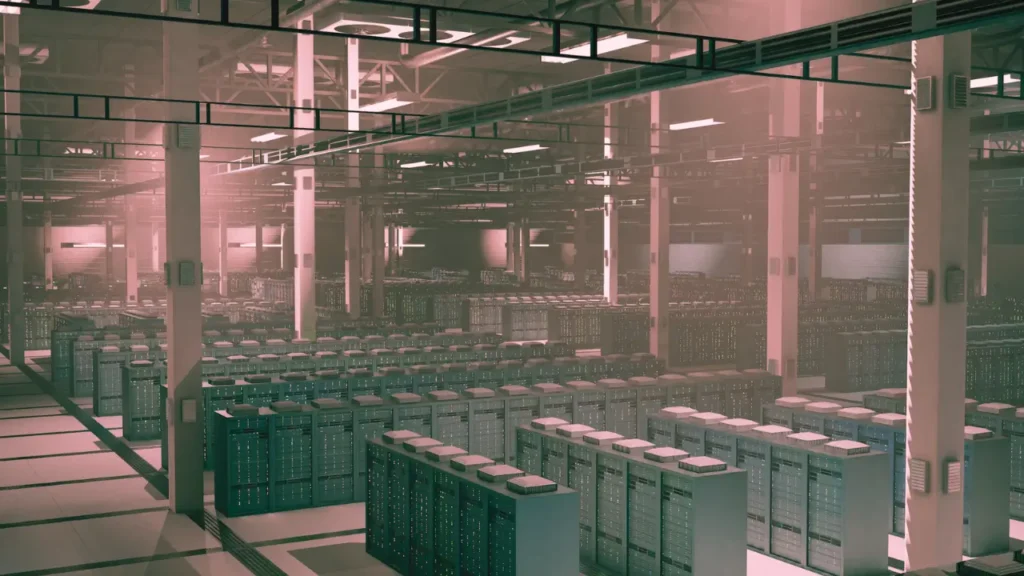
Artificial intelligence has reshaped the power profile of data centers, but not simply by increasing demand. The deeper disruption lies
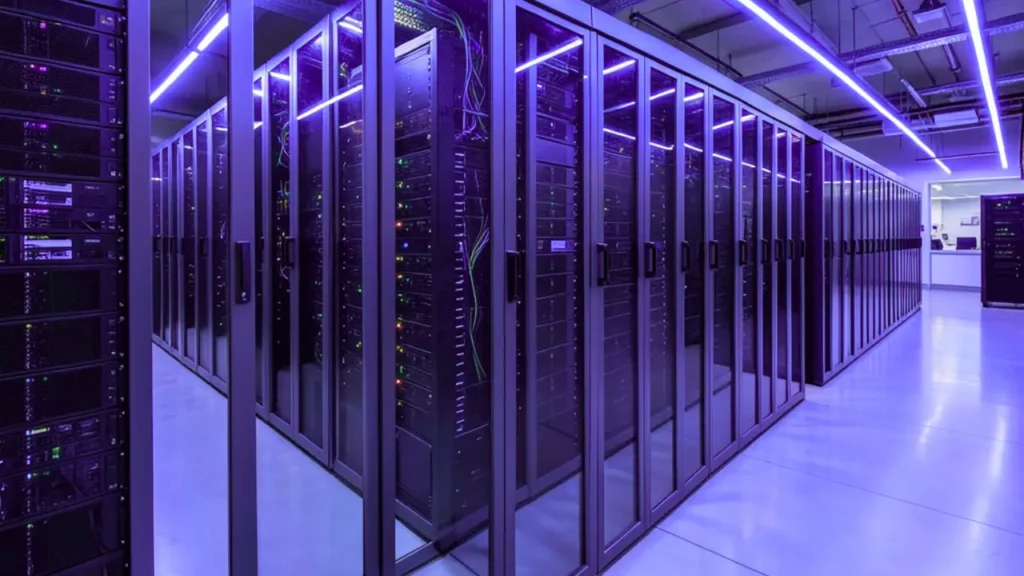
In 2026, the cloud is shrinking. For decades, massive centralized data centers in remote regions carried the weight of our
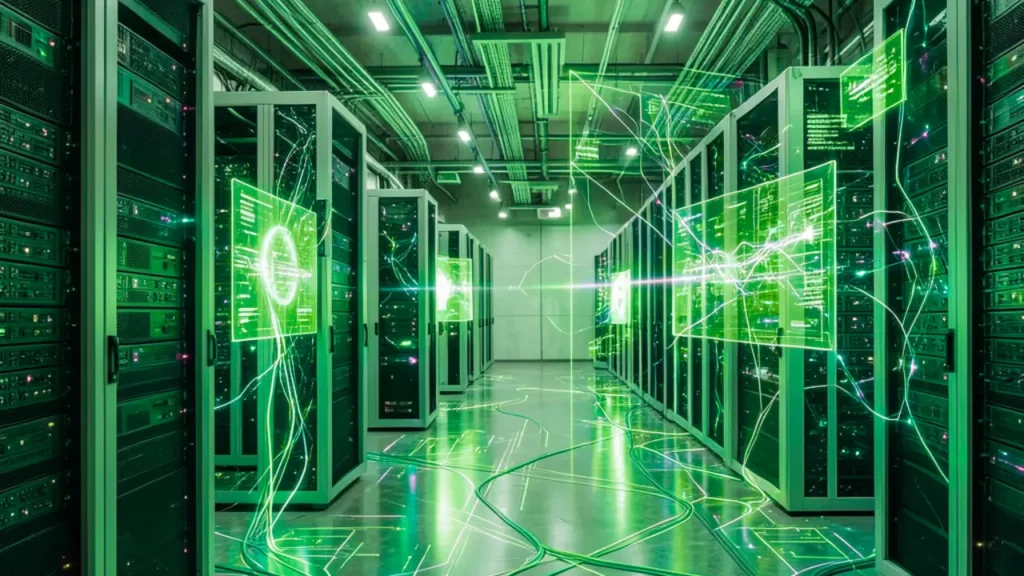
Europe may have lagged behind the United States and China in AI infrastructure, but the northern edge of the continent
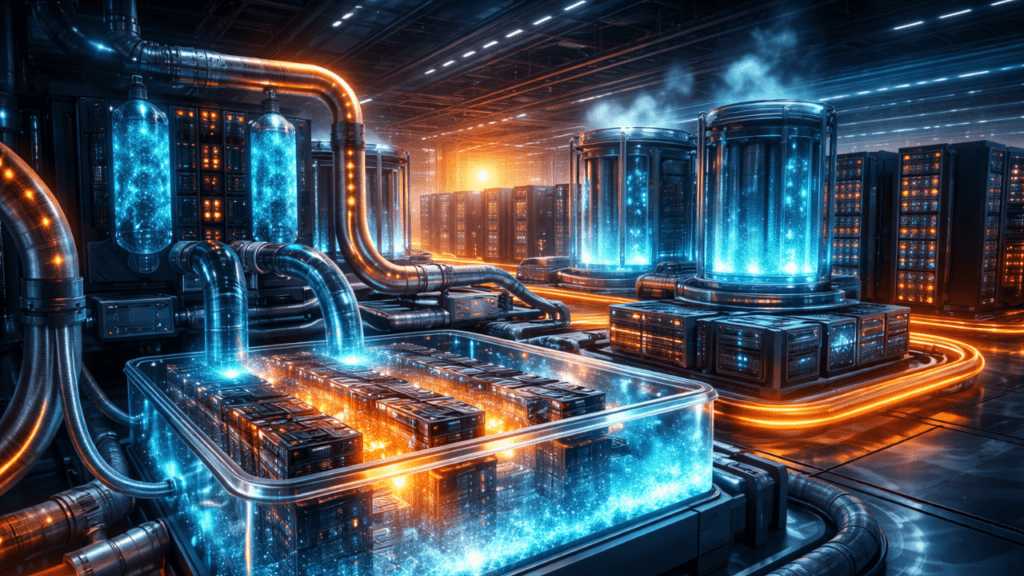
Heat no longer registers as a secondary byproduct of industrial activity, because it now shapes how modern infrastructure operates and

Data center design has entered a phase where silicon decisions shape long-term infrastructure strategy rather than incremental upgrades. Operators now

In 2026, France stands as Europe’s sovereign compute powerhouse, a title earned through a decade-long blueprint for a fully independent

The promise of Artificial Intelligence in Latin America is often framed through the lens of leapfrogging. This is the idea

The conversation around emissions has moved far beyond electricity consumption and operational efficiency in digital infrastructure. Industry leaders increasingly recognize

Modern data centers are entering an era defined by hybrid thermal architectures that integrate air, liquid, and immersion cooling within

For more than a decade, cloud-native architecture has been shaped by the principle of abstraction as a deliberate design choice.
For Texas’ Electric Reliability Council of Texas (ERCOT) grid, a system once built for predictable peak demand now sits at

When most people discuss large language model performance, the conversation usually centers on parameter counts, token throughput, or specialized model
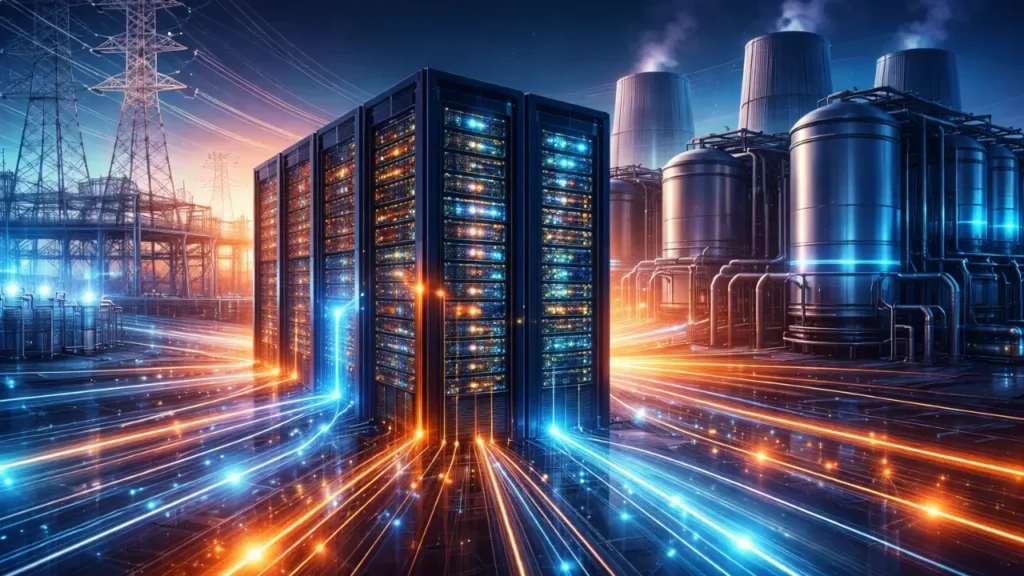
Digital infrastructure development has entered a phase where scale alone no longer determines success. Instead, the coordination of systems now

Immersion cooling is attracting serious attention for hyperscale systems, as AI accelerators and high-performance clusters push data center racks beyond

The global landscape of digital architecture reached a definitive inflection point as 2026 commenced, marking the transition from static hardware

Artificial intelligence is moving beyond purely digital applications, and Big Tech and Big Oil AI partnerships are driving this transformation.
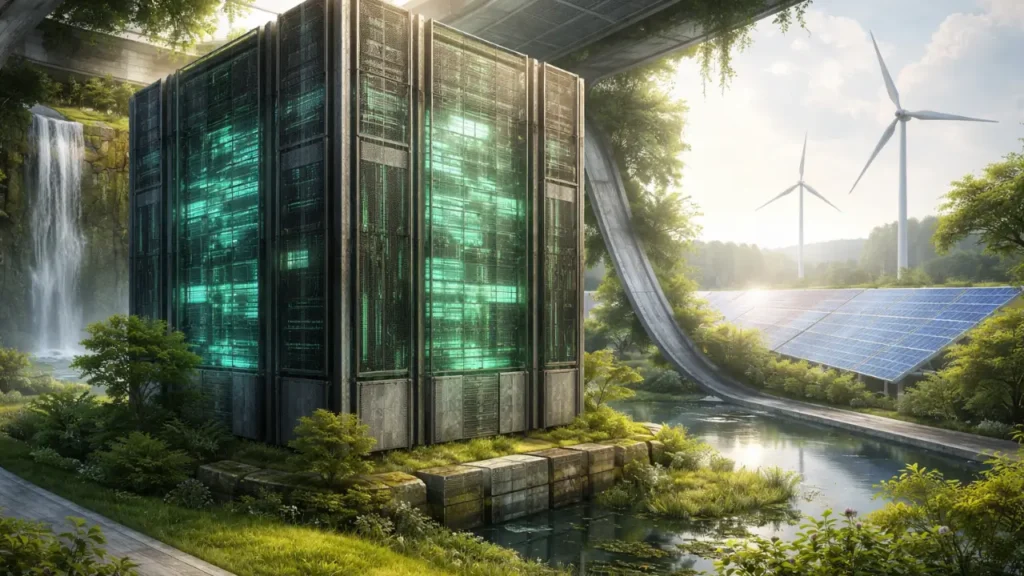
The global industrial narrative regarding sustainability has converged almost exclusively on the concept of circularity, emphasizing the endless recycling and
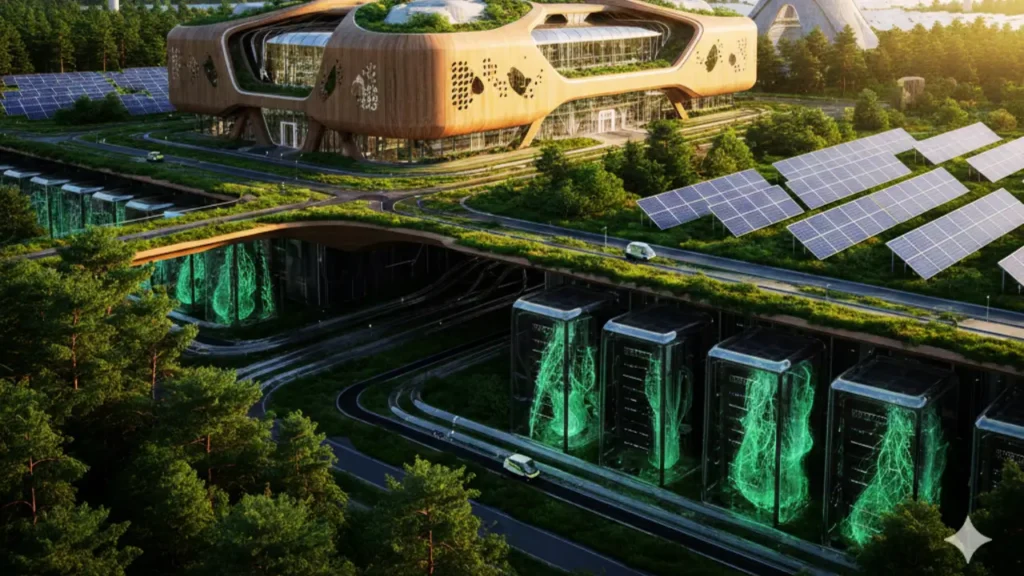
As the industry moves toward carbon-neutral data center design by 2030, incremental efficiency gains and renewable energy credits no longer

Across enterprise automation environments, intelligence is no longer treated as a contained attribute of individual machines. Traditional assumptions that cognition

In 2026, a significant shift in artificial intelligence deployment is gaining momentum, with Japan emerging as a clear leader in

Over the past few years, India’s startup ecosystem has experienced a significant shift. After years of rapid growth driven by

AI Is Stress-Testing the Rack Cloud computing has always promised simplicity: hide complexity, let users focus on applications, and treat

By early 2026, the landscape of cloud infrastructure for AI startups is shifting in unexpected ways. Western hyperscalers still dominate

Generative AI has quickly become one of technology’s most scrutinized innovations. For instance, headlines often highlight user prompts, chat experiences,

Today’s AI revolution is remarkable for its speed and breadth, powering innovations from personalized healthcare to predictive logistics. Yet as

Sustainability narratives once functioned primarily as reputational signals rather than regulated commitments. That framing has steadily eroded as authorities reframed
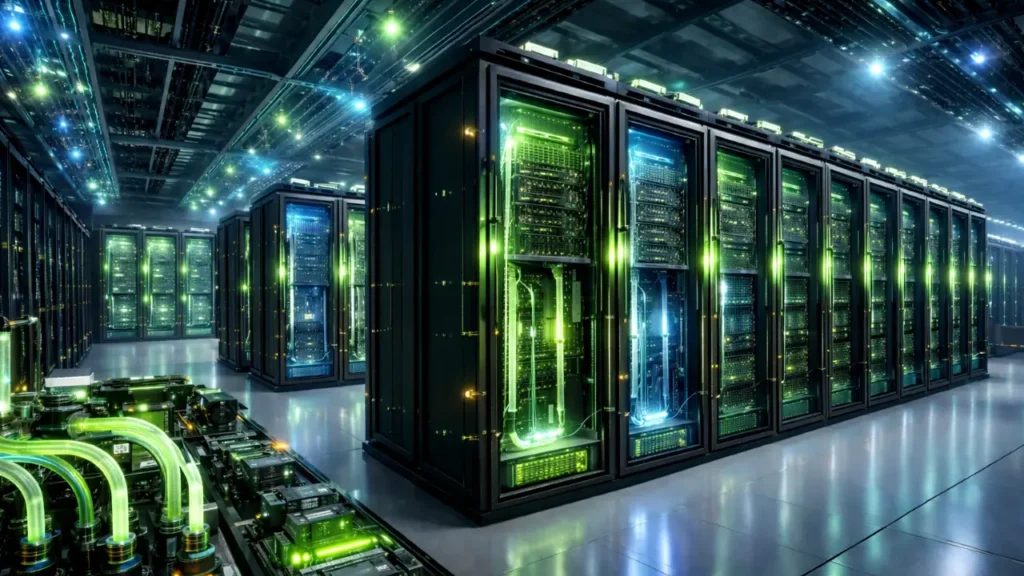
The modern data center is undergoing a structural transformation driven by accelerated computing requirements. Facilities once designed for generalized workloads now increasingly resemble specialized industrial environments. This shift reflects how AI workloads impose physical constraints that traditional enterprise infrastructure never anticipated. Consequently, building design, equipment placement, and operational logic are changing together rather than independently. The industry discussion has moved from abstract performance metrics toward tangible spatial and mechanical realities. At the center of this transition lies AI workloads are redesigning the physical data center.

Initially, digital twins developed within industrial engineering as virtual counterparts to physical systems such as turbines, assembly lines, and electrical

This year shaping up to be turning point for data center sustainability. Across the globe, regulators, investors, and local communities

There is no denying that data centers are the invisible engines of modern progress. They power the AI revolution, global
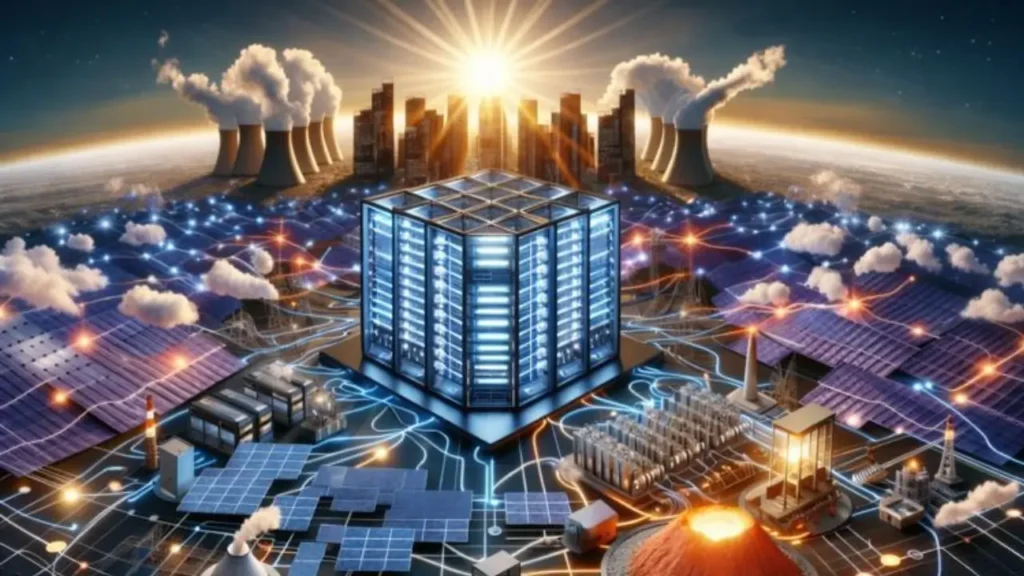
The collision between digital acceleration and physical infrastructure has become one of the defining tensions of modern industrial systems. The

The Systemic Imperative for Circularity in the Digital Age The global economy is moving away from the traditional “take-make-waste” model

Kubernetes is the de facto standard for orchestrating containerized applications in modern infrastructure. Originally developed at Google and now stewarded

Artificial intelligence development is entering a phase where geographic distribution matters alongside technical architecture. As model efficiency improves and cloud-based

Artificial intelligence is no longer confined to data centers. Advances in Edge AI are empowering devices to process and analyze

Remember the Celtic Tiger? For a generation, it defined Ireland’s rise as one of Europe’s standout economic success stories.

Cloud infrastructure felt abstract, distant from the silicon humming inside servers. Today, that distance has collapsed. Engineers now design cloud

Downtime rarely arrives as catastrophe first; it begins as friction. For global digital infrastructure, that friction carries financial, operational, and
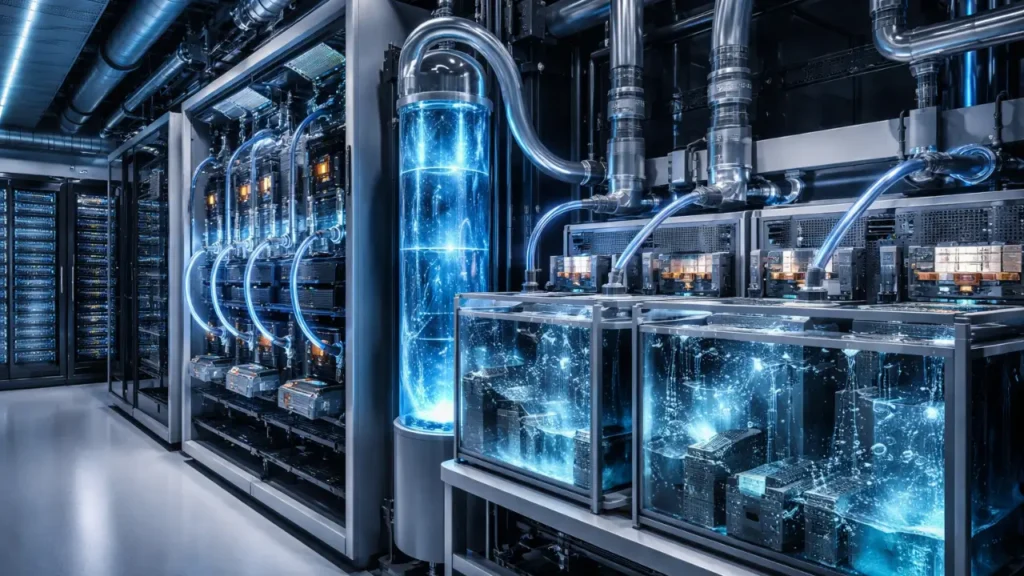
In earlier eras of computing, heat remained a manageable byproduct. Today, it sets the boundaries of deployment. Data centers now

Industry 5.0 represents a significant paradigm shift. Rather than focusing solely on automation and efficiency, it places stronger emphasis on
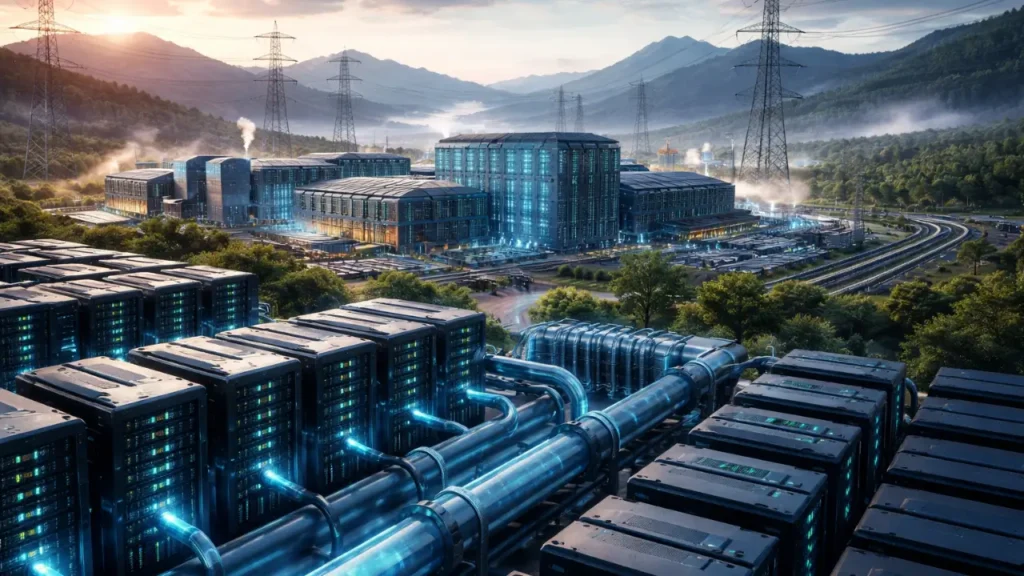
When the Cloud Touches the Ground The cloud rarely announces itself. It hums behind office walls, flickers through fiber lines
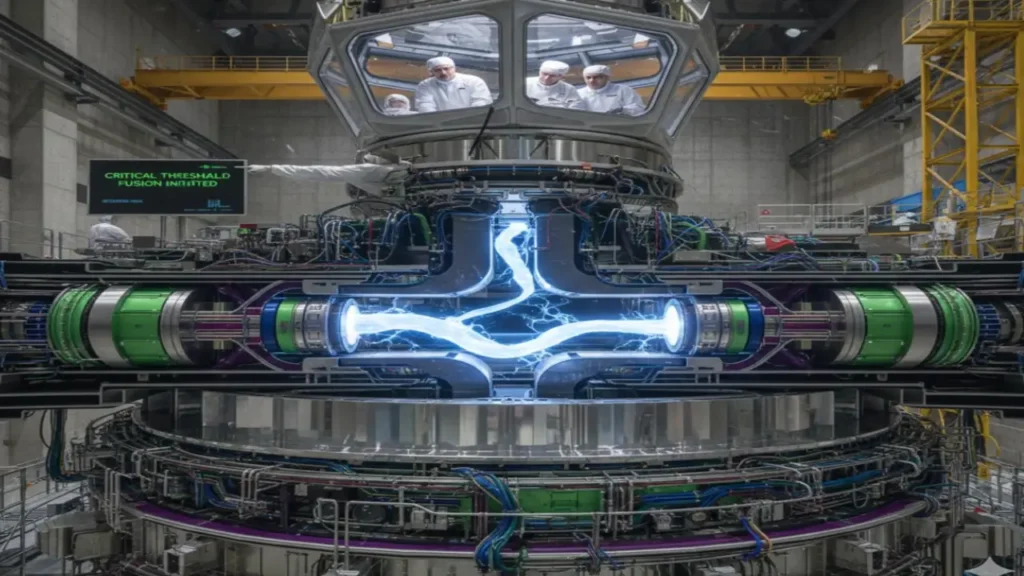
A long-planned experiment reaches its narrowest moment After decades of scientific planning, diplomatic negotiation, and industrial coordination, the ITER fusion

Neat numbers have always reassured engineers, investors, and policymakers. FLOPS scale upward, utilization charts glow green, and throughput curves rise

Cloud infrastructure is no longer spreading evenly across the globe. Instead, it is gathering momentum in specific places, often very

The gray areas WUE data centers are becoming harder to ignore as artificial intelligence reshapes the digital economy. Water Usage
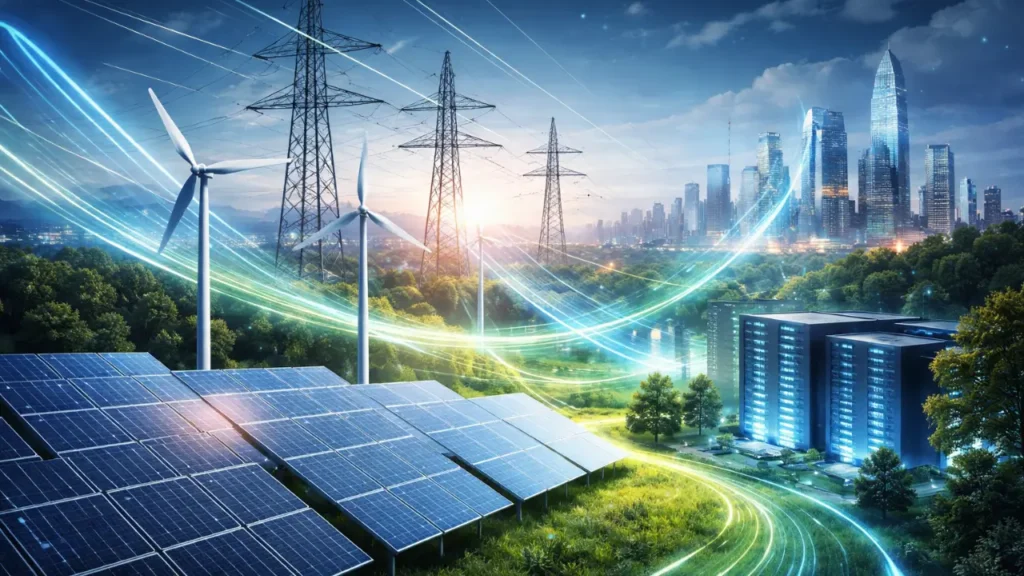
Economic growth has historically carried an electrical shadow. As economies expanded, electricity demand followed closely, driven by industrial output, urbanization, and rising household consumption. That linkage is now under pressure. Power grids across advanced and emerging economies face congestion, aging infrastructure, and localized capacity constraints, even as digital and economic activity continues to accelerate.
The central question confronting policymakers, utilities, and infrastructure planners is whether sustainability can reduce grid stress without constraining growth. The issue is no longer defined by energy scarcity alone. It is increasingly shaped by energy intensity, load flexibility, and system efficiency.
This blog studies whether economic and digital growth can be decoupled from electricity demand growth, and under what conditions that separation holds.

As technological rivalry accelerates, Europe is reassessing how digital systems shape power, autonomy, and governance. Artificial intelligence and blockchain have
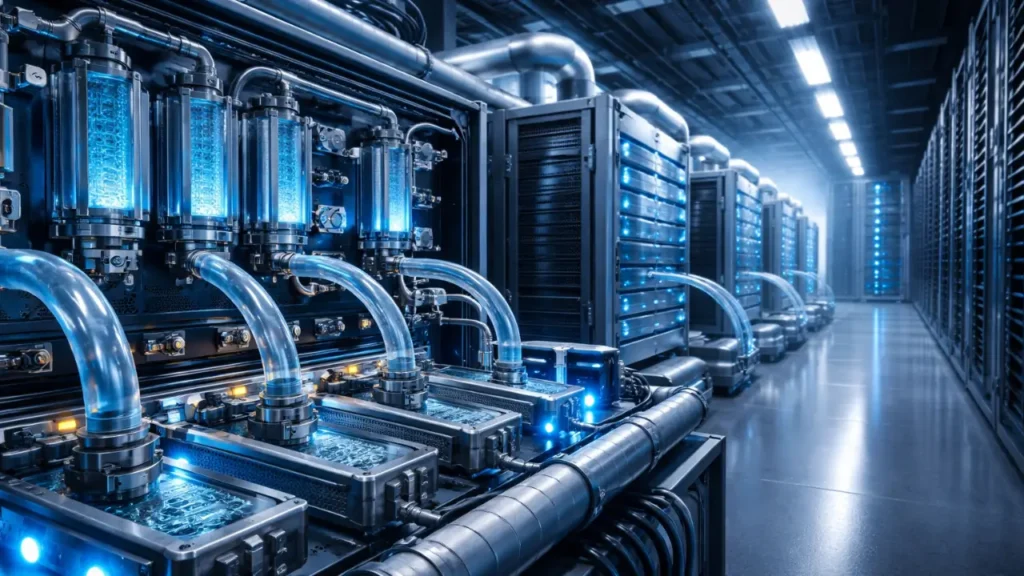
Electricity has quietly become the dominant variable shaping modern thermal infrastructure. As compute densities climb and conventional air cooling approaches
Cloud cost models once appeared deceptively simple. Compare compute prices, estimate usage, and assume efficiency gains would smooth out long-term

The artificial intelligence industry is undergoing a quiet but consequential recalibration. After years of celebrating ever-larger models with expanding parameter
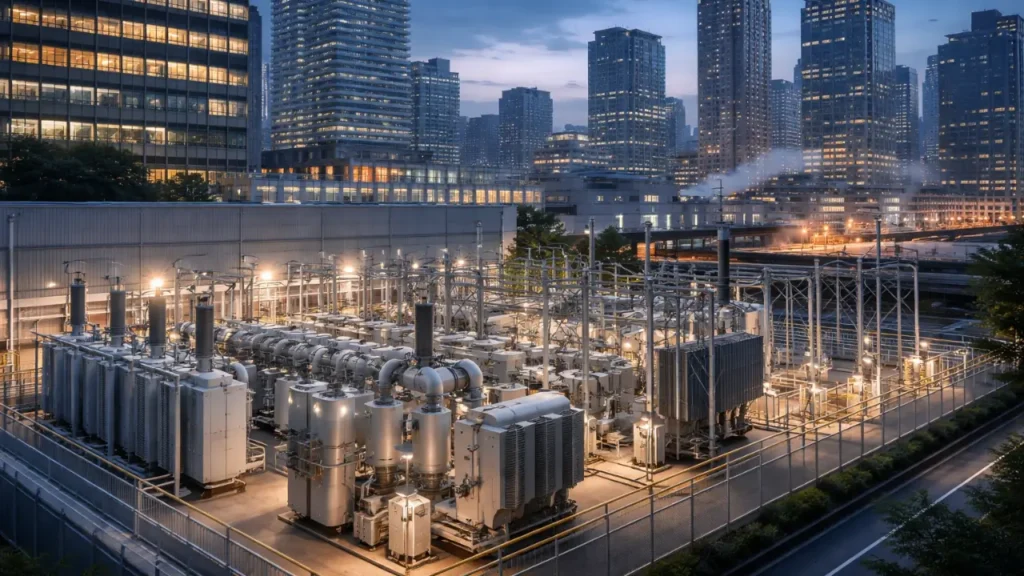
Electricity demand is no longer spreading outward, it is stacking inward. Across major cities and industrial zones, power consumption is
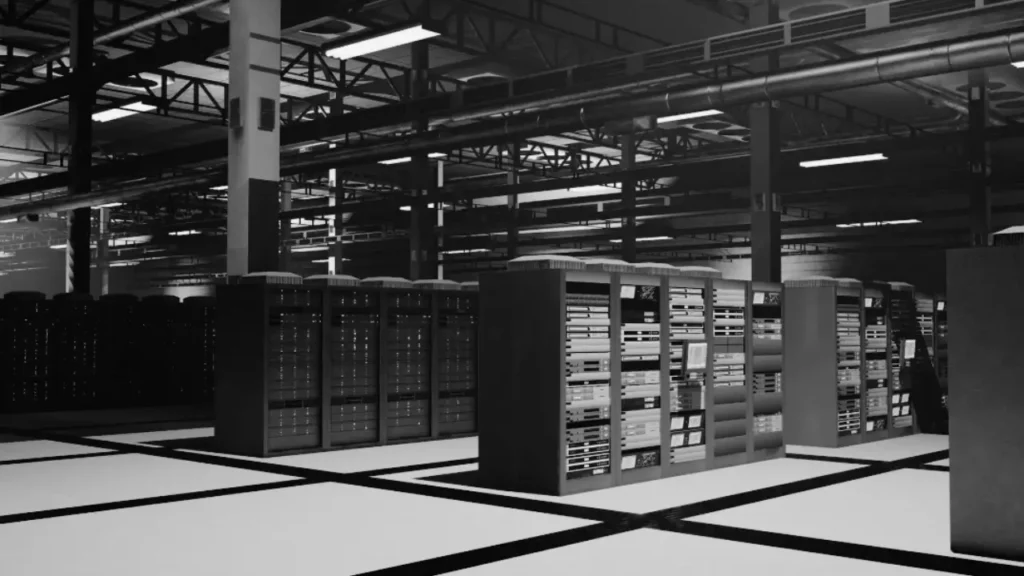
Battery storage is reshaping data center sustainability as operators contend with rising energy demand, green mandates, and the shift toward
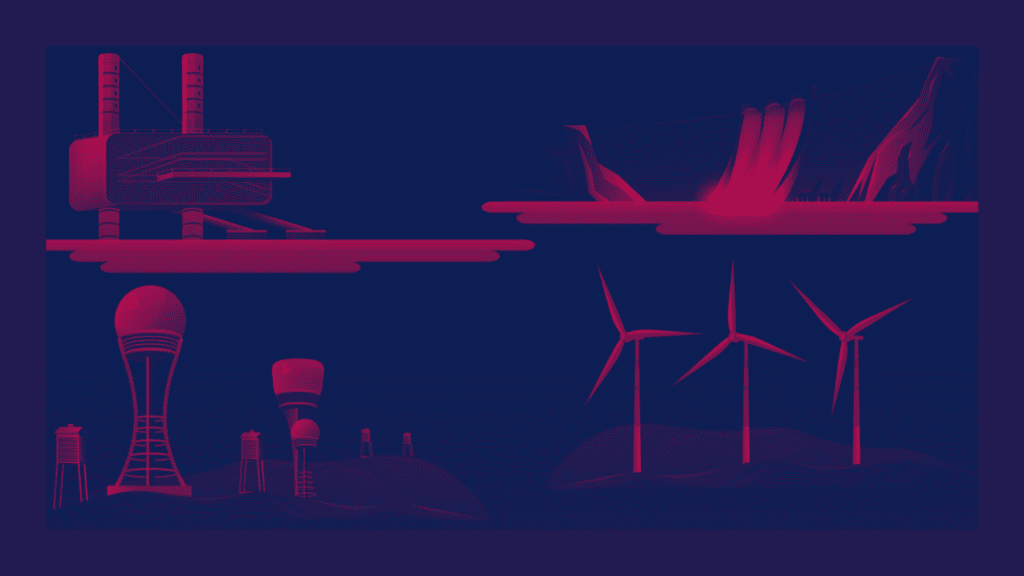
While America often dominates discussions about AI integration in power infrastructure, AI in Middle East energy systems is showing remarkable
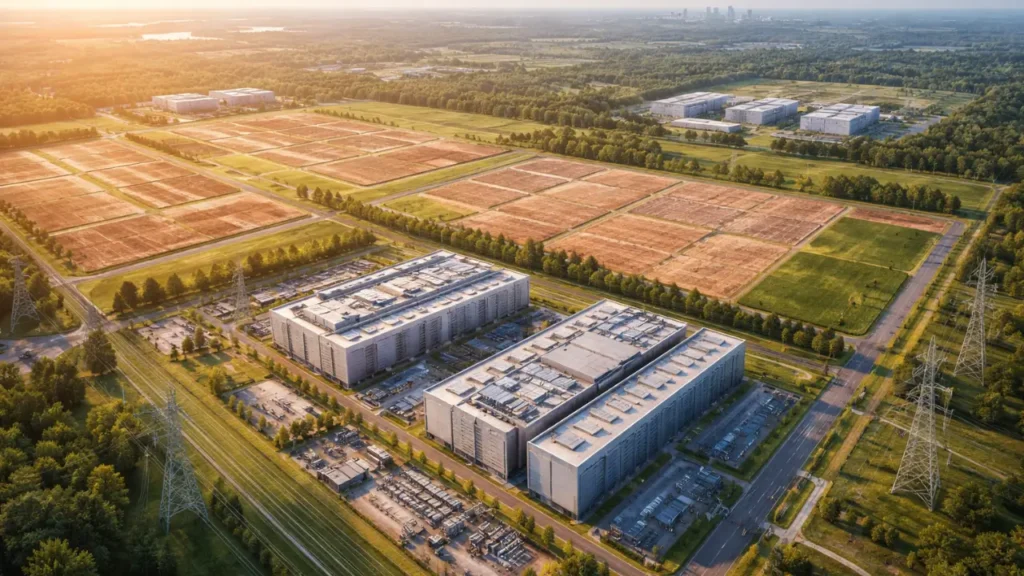
The New Front Line of Data Center Competition Land has re-emerged as one of the most decisive variables in global
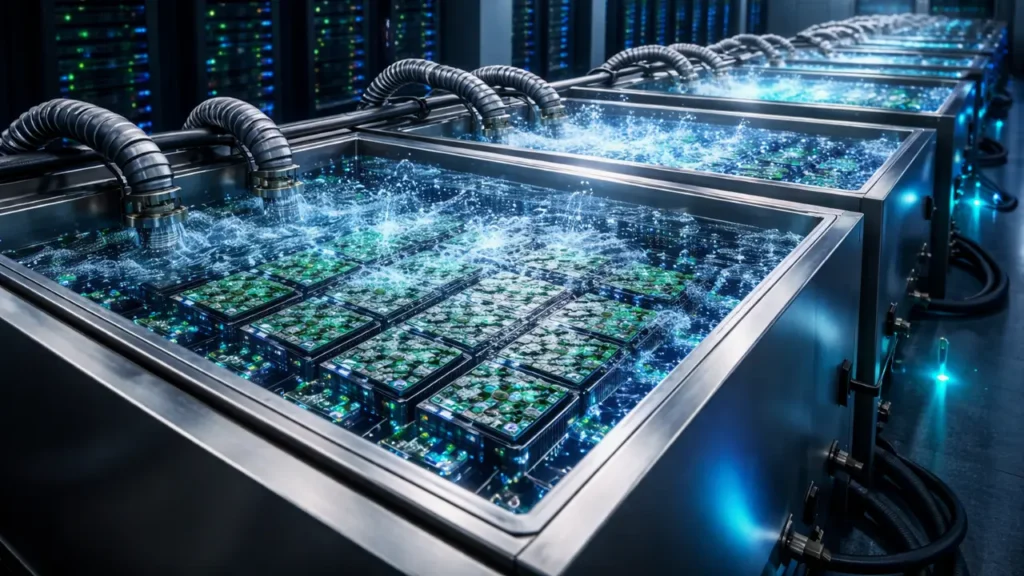
Immersion Cooling Hardware Design at the Server Level For decades, enterprise server hardware evolved around a single, largely unquestioned assumption:

In recent years, artificial intelligence (AI) has been embedded deep within China’s vast energy infrastructure, often with little public visibility.

Cloud computing was built on the premise of scale. A small number of hyperscale providers established centralized platforms capable of
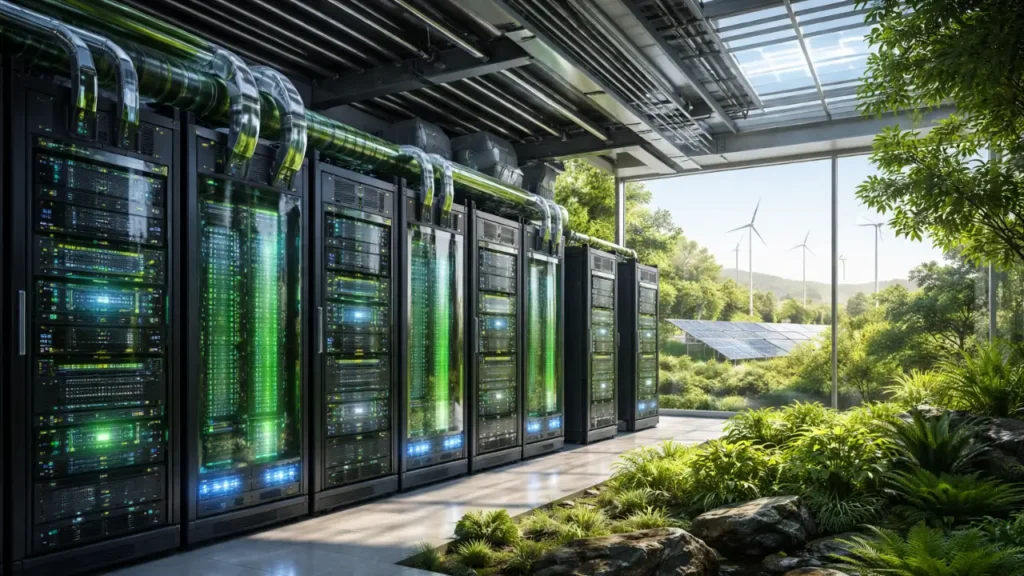
The environmental challenge of AI-scale infrastructure The rapid expansion of artificial intelligence has reshaped global digital infrastructure. Training large models

Water the era of AI being pushed into the spotlight as global growth accelerates. Artificial intelligence is re shaping industries,
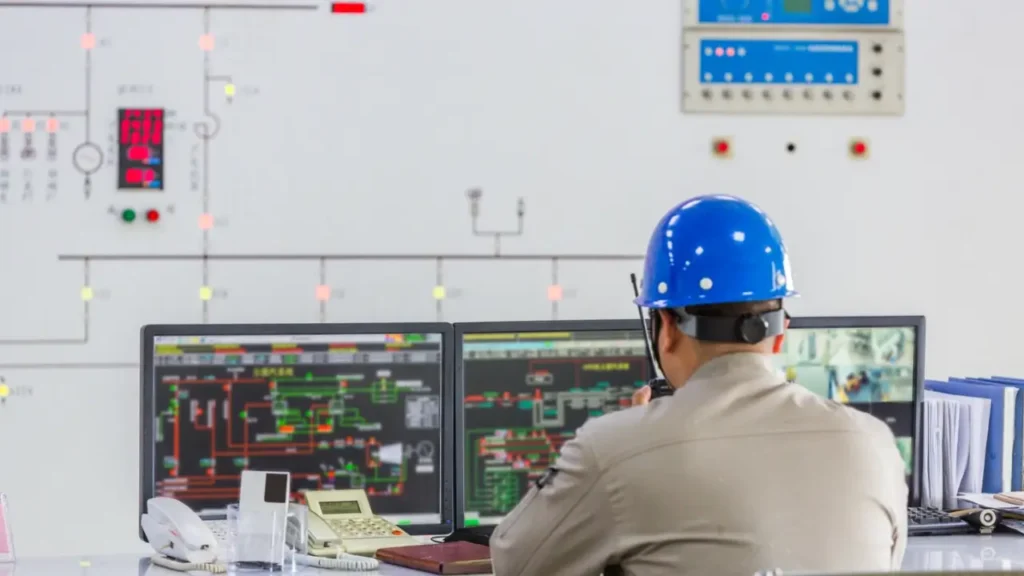
Grid software adoption has moved from a niche upgrade to a central strategy for keeping the power system afloat. What
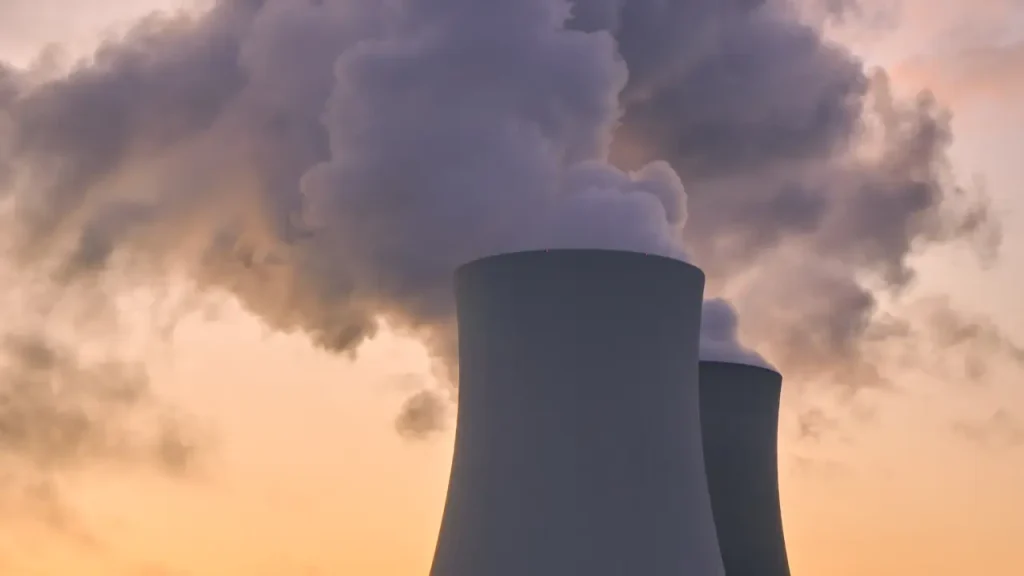
Artificial intelligence, particularly large-scale model training and inference, does not behave like traditional industrial demand. It does not peak in
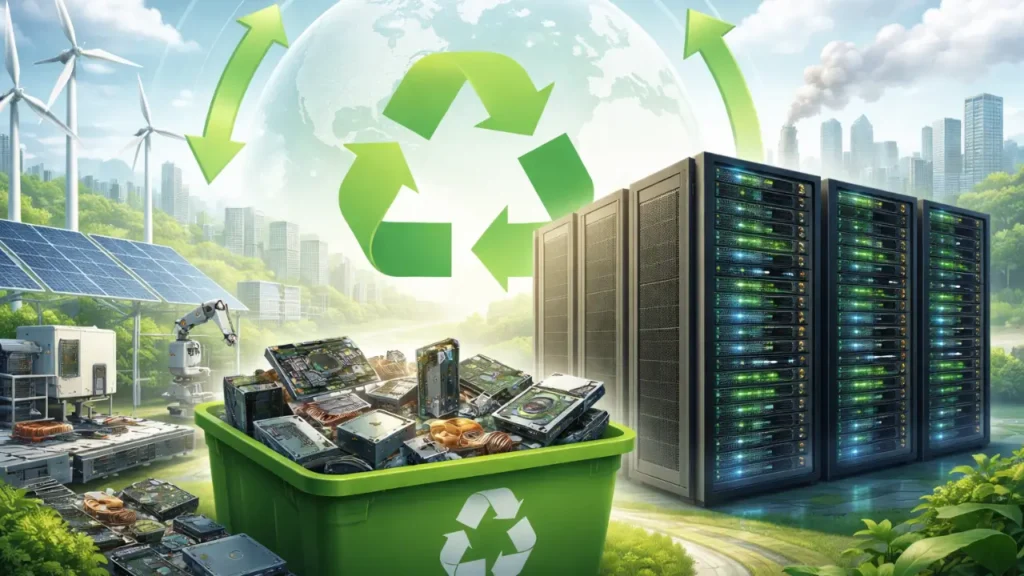
Reducing carbon impact of short-lifecycle compute hardware has emerged as a defining sustainability challenge for modern digital infrastructure. As artificial

Heat has emerged as the defining sustainability constraint for modern digital infrastructure, surpassing power availability as the primary limiting factor.
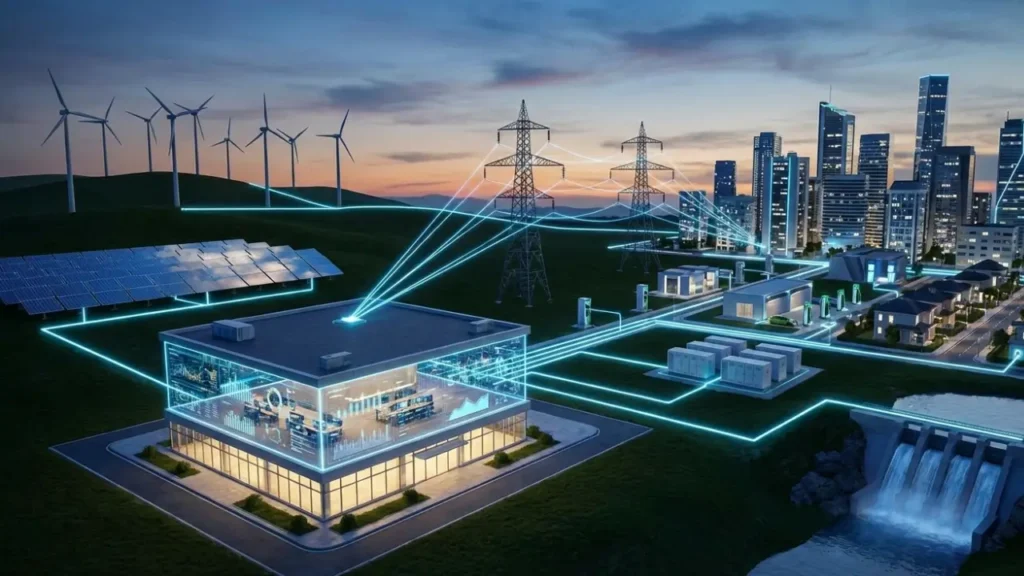
Hainan Power Grid has completed a major upgrade of its communications backbone, deploying a 100G optical transport network (OTN) in

Advances in physical AI, computer vision, edge computing, and electromechanical design are enabling machines to operate in open-ended, real-world environments
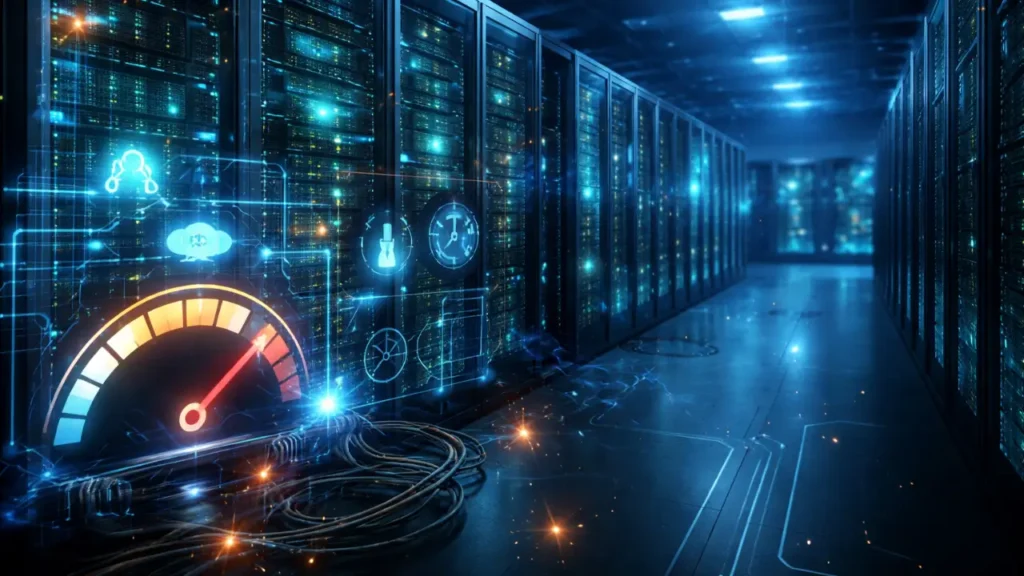
The expansion of always-on digital infrastructure has introduced a structural sustainability challenge that persists regardless of utilization levels. Across global

Hyperscale cloud architecture has been guided by a consistent set of assumptions. Massive resource pooling, statistical multiplexing, and deliberate overprovisioning

For decades, data center reliability has been framed through the language of redundancy. Power paths were duplicated, cooling systems mirrored,
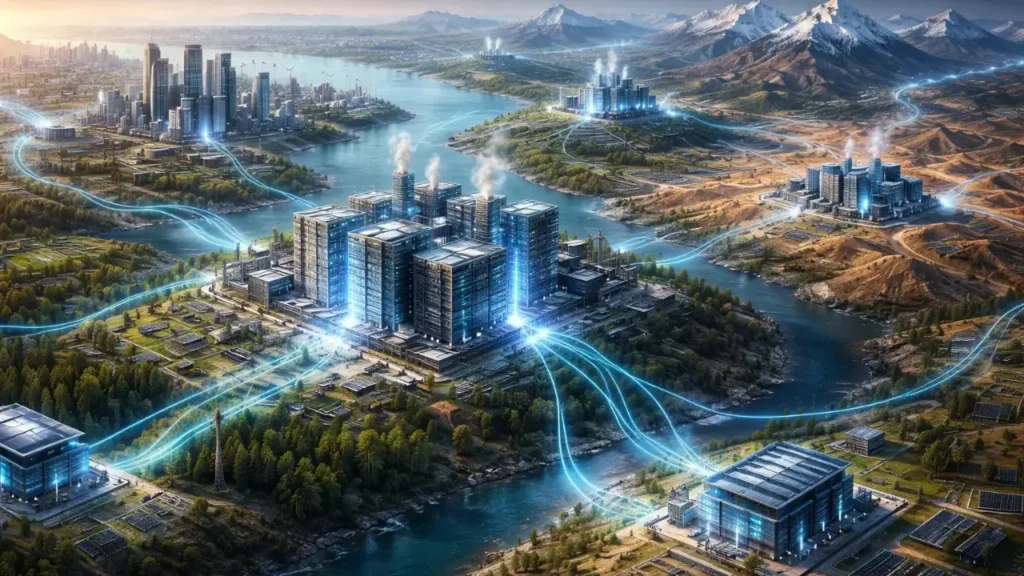
Setting the Context Across mature and emerging digital markets, physical constraints are becoming as influential as technical requirements in shaping

AI workloads are changing the thermal profile of data centres faster than air cooling can adapt. What worked for conventional

Defining the Landscape Across industries, sustainability has moved from ambition to obligation. Organizations now operate in environments shaped by regulatory

Artificial intelligence adoption across Asia Pacific, Japan and Greater China is entering a more decisive phase. What began as experimentation
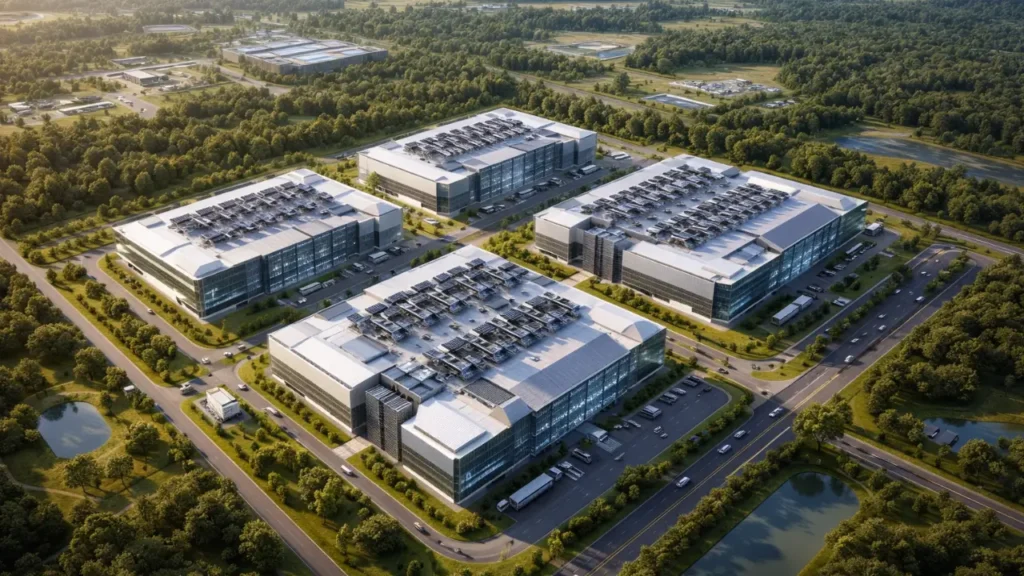
Defining the Environment As digital infrastructure expands globally, identifying viable locations for large-scale facilities has become increasingly complex. Data center

Opening Context Data center standardization breakdown has emerged as a defining structural shift in global digital infrastructure development. For years,
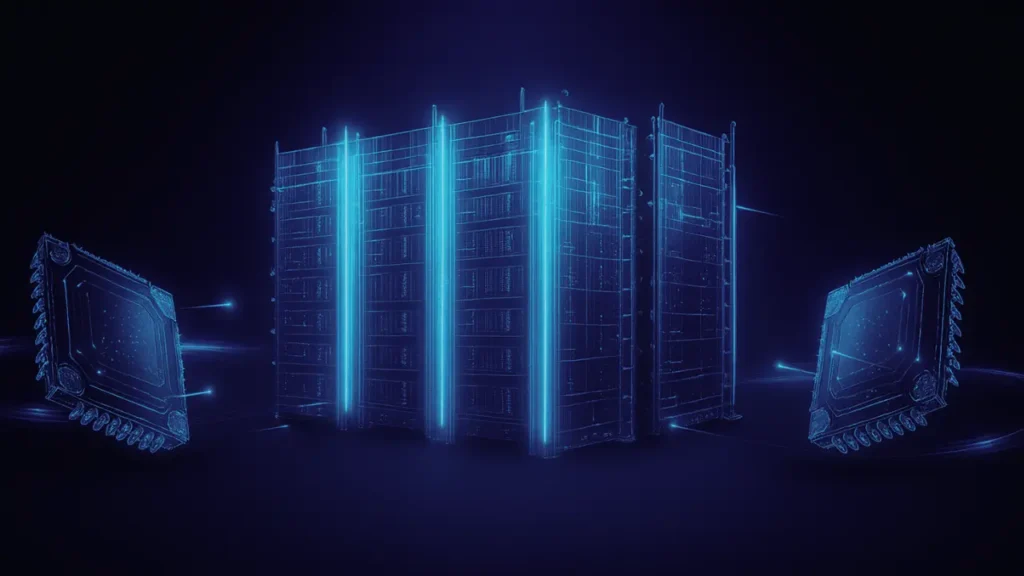
A New Chapter for Billion-Parameter Edge Models Billion-Parameter Edge Models are becoming central to discussions about on-device intelligence as organizations

Understanding Heat Reuse 2.0 in AI Infrastructure Heat Reuse 2.0 describes an approach where data center operators convert AI cluster

A quiet but decisive shift is underway across Africa and the wider Africa-Middle East (AME) region. New data shows that

AI’s soaring energy requirements have become a defining challenge for tech leaders. Google Cloud CEO Thomas Kurian recently described energy
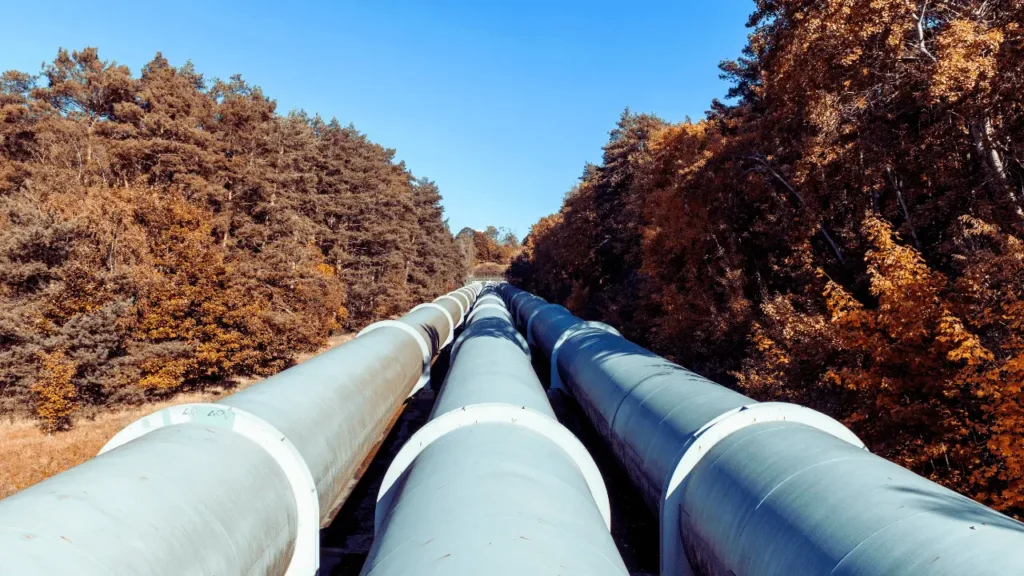
For decades, municipal water systems have done one job exceptionally well: moving water safely and reliably from source to tap.
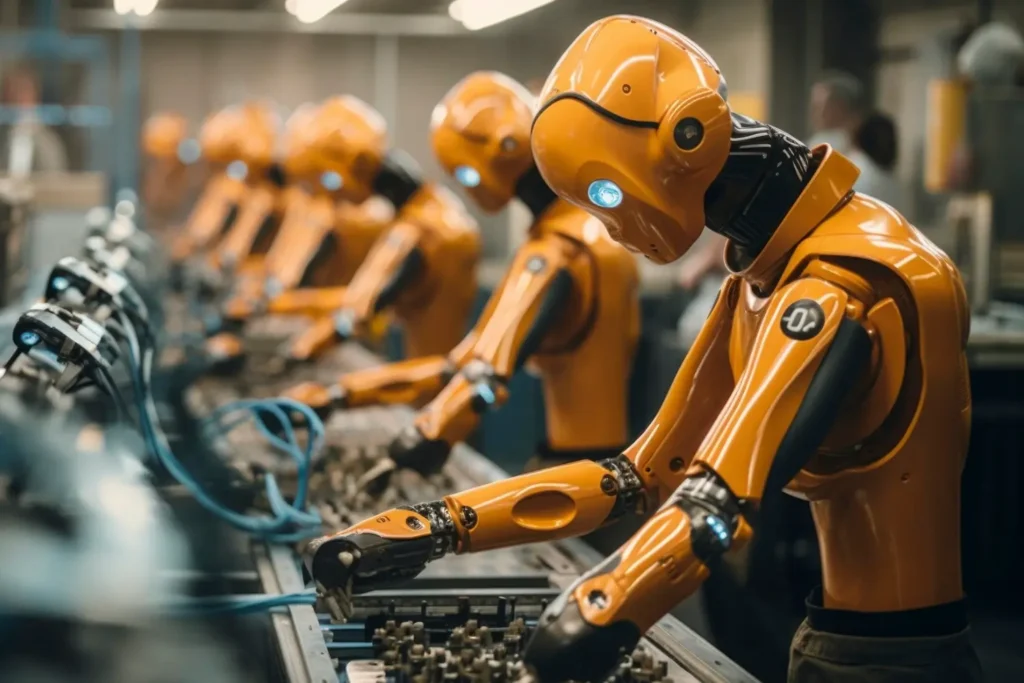
Why is the automotive industry suddenly poised for a massive financial commitment to robotics, despite their decades-long presence? Roshan Batheri