
AI Compliance Is Driving the Next Wave of Observability Tools
The infrastructure beneath AI systems is being significantly strained by increasing legal and compliance requirements, not the weight of data

The infrastructure beneath AI systems is being significantly strained by increasing legal and compliance requirements, not the weight of data
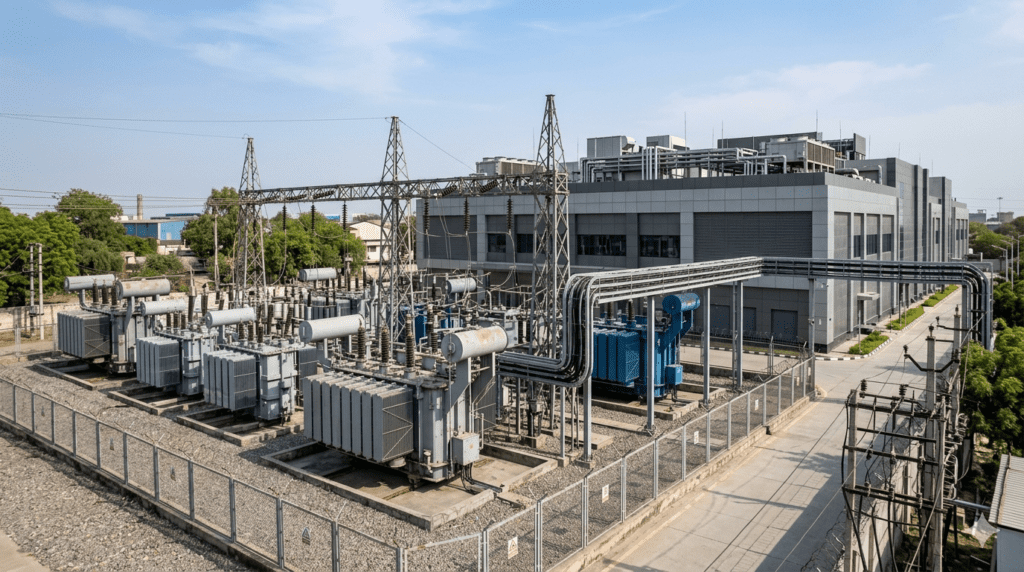
The money that is building the AI infrastructure of the next decade does not come from a single source. Hyperscalers
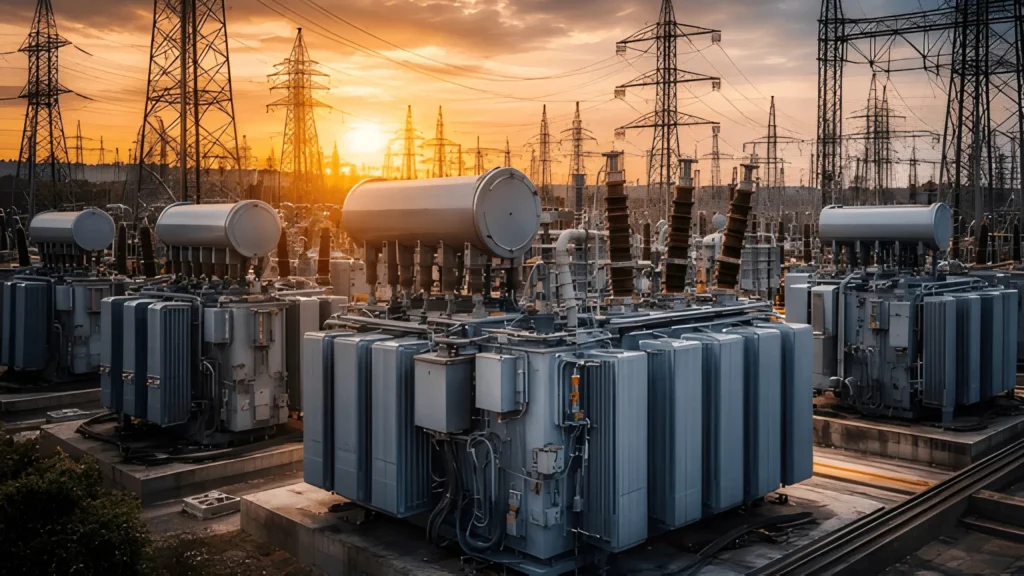
Transformers: The Missing Link in AI’s Power Chain AI infrastructure discussions often concentrate on compute density, semiconductor performance, and power
Scale Is Easy. Clean Paths Aren’t. Modern AI infrastructure expands rapidly because compute, storage, and networking resources can scale horizontally
Go-Live Is Where AI Becomes Unpredictable Deployment does not extend training conditions, it replaces them with an environment that behaves

Power Before Compute: The New Deployment Bottleneck Infrastructure deployment cycles have shifted in a way that places energy availability ahead
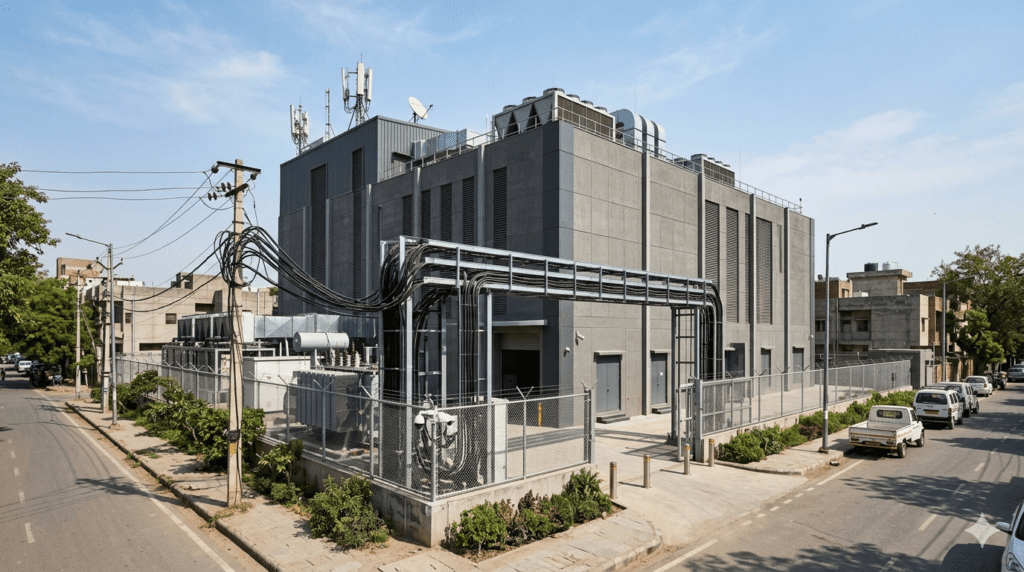
The colocation market spent the past three years watching hyperscalers self-build at a scale that left limited room for optimism.

The neocloud infrastructure commoditisation debate has moved from theoretical to operational. GPU-as-a-service providers that barely existed before 2022 are now

Google and Intel announced an expanded multiyear partnership on April 9 for Google Cloud to continue using Intel AI infrastructure
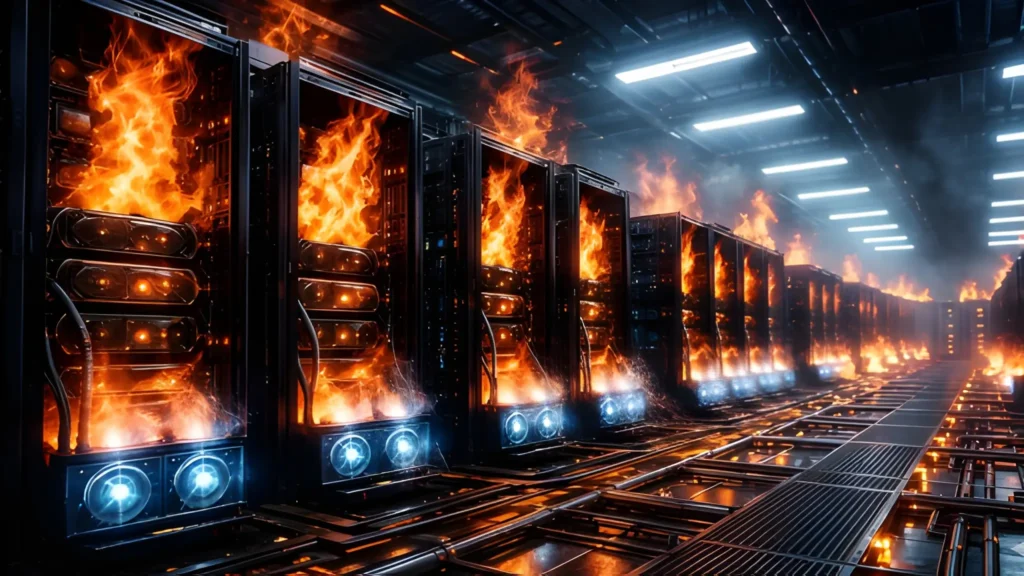
GPU density inside modern data center racks has increased at a pace that outstrips the evolution of supporting thermal systems.
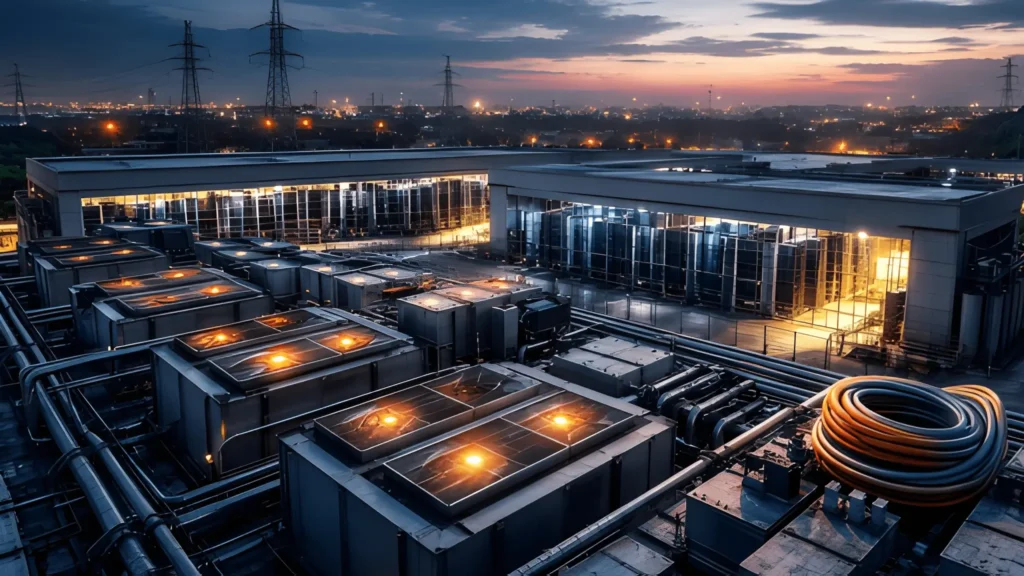
Capital deployment in data center infrastructure often begins generating financial exposure long before it produces any measurable output. Power capacity
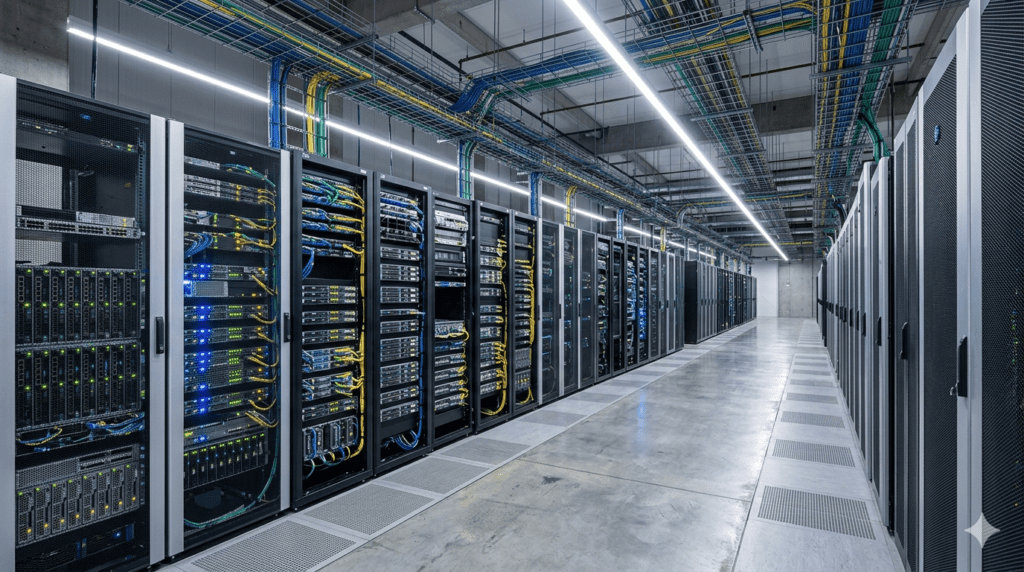
For the past three years, the data center industry organised itself around a single dominant workload profile. AI training defined

AI Can’t Run on Intermittent Power AI infrastructure operates on continuous execution cycles that demand uninterrupted electrical supply across training,
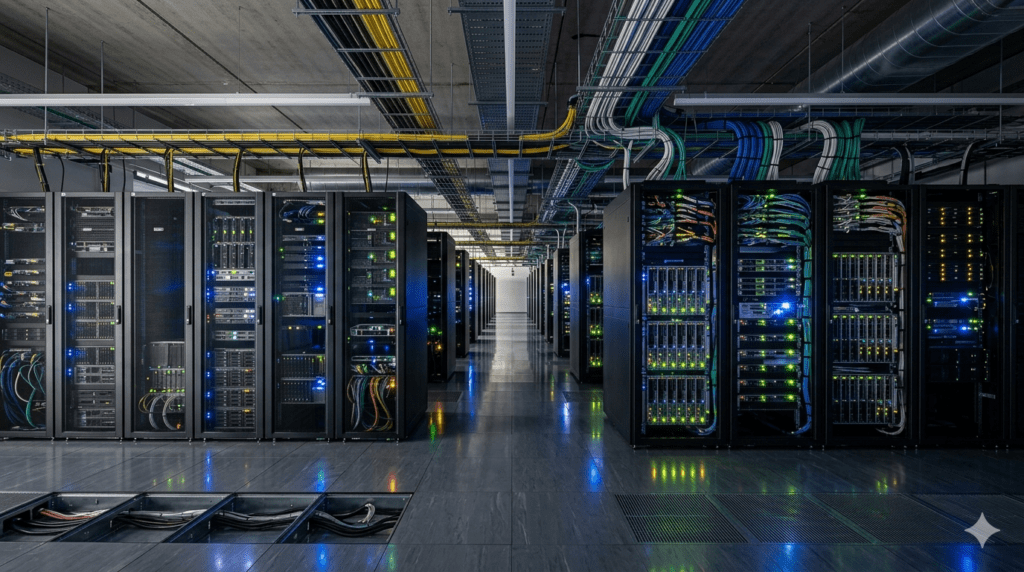
The AI infrastructure buildout is the largest peacetime investment project in human history. That phrase is not a headline. It

The nuclear narrative in AI infrastructure has never been louder. Microsoft restarted a reactor at the former Three Mile Island
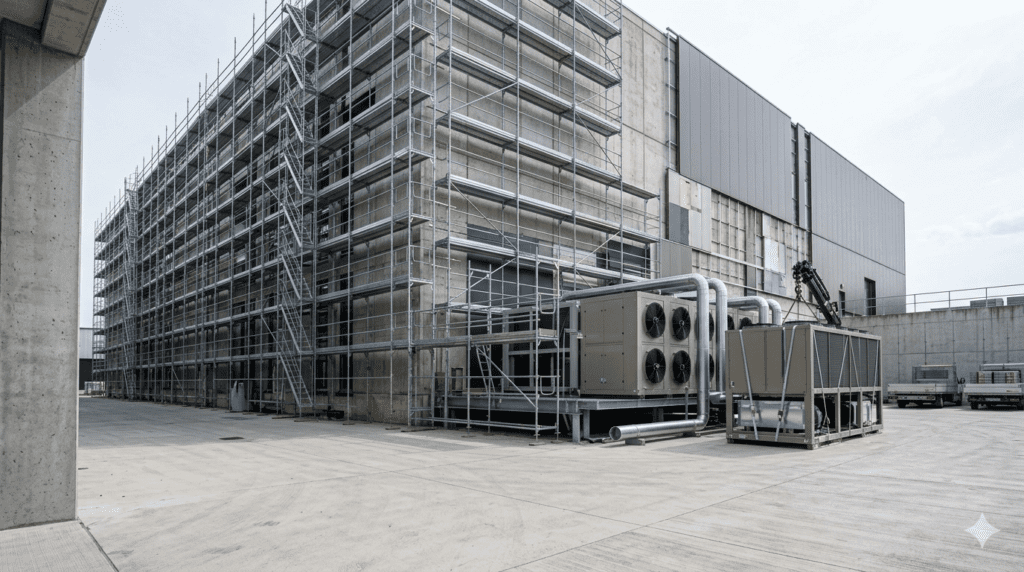
The default assumption in AI infrastructure has always favoured greenfield. Build new, build big, build for the future. When hyperscalers
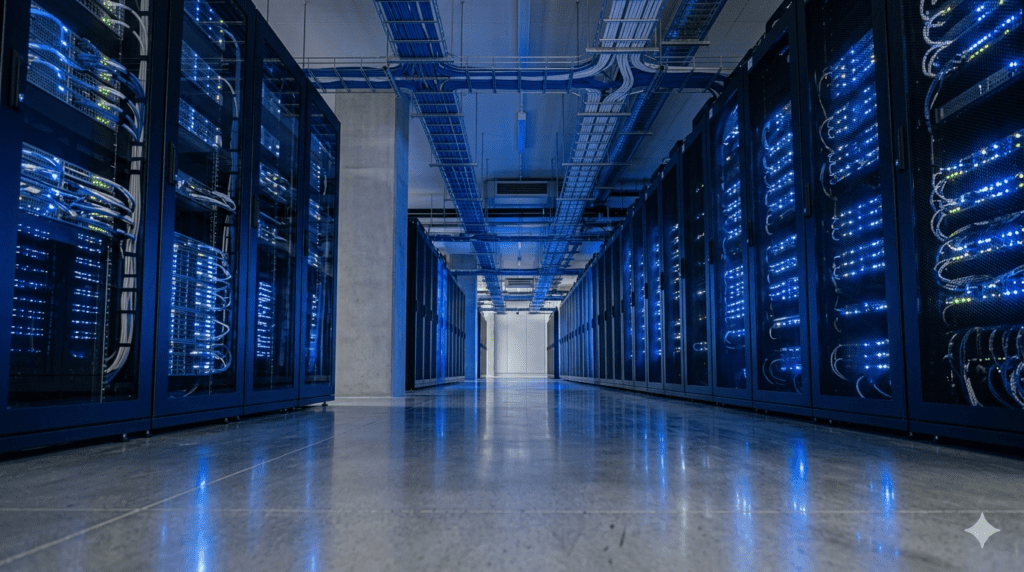
For the past three years, AI training dominated the infrastructure conversation. Building the model was the hard part. Compute clusters

Colocation once operated as a clearly bounded layer where infrastructure ownership and workload intent aligned with high visibility and operational
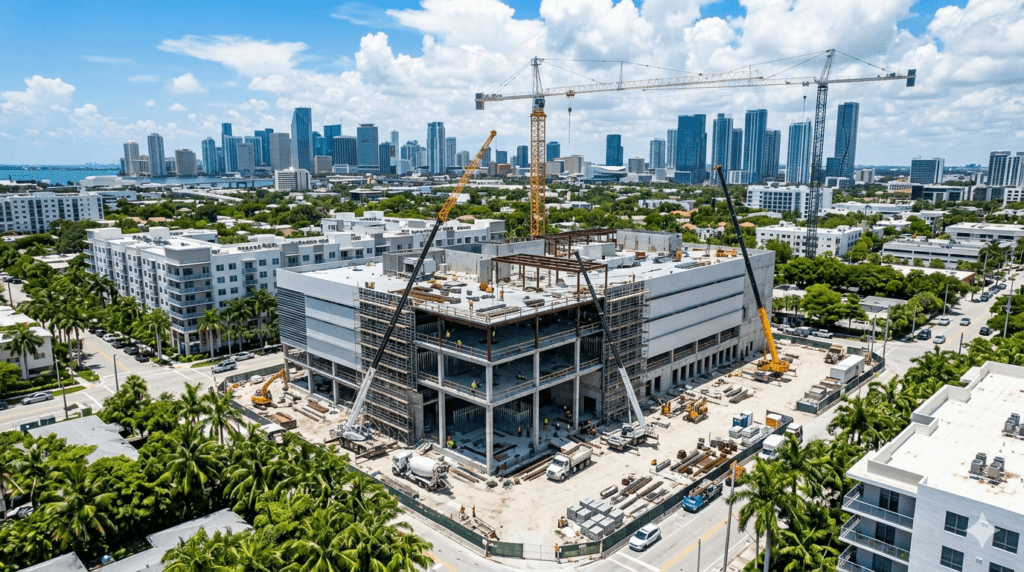
For most of the past decade, the global data center map looked predictable. North America dominated. Western Europe followed. Singapore
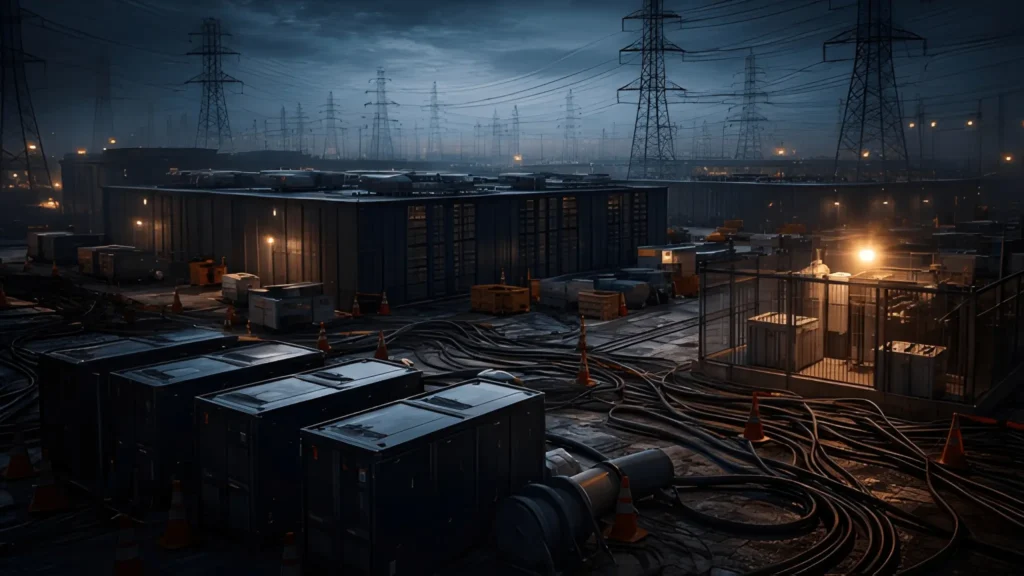
The Queue That Doesn’t Show Up in Capacity Numbers Capacity metrics in AI infrastructure often present a misleading snapshot because

Stability Is a Design Parameter Infrastructure deployment decisions in the data centre sector rely heavily on long-term predictability rather than
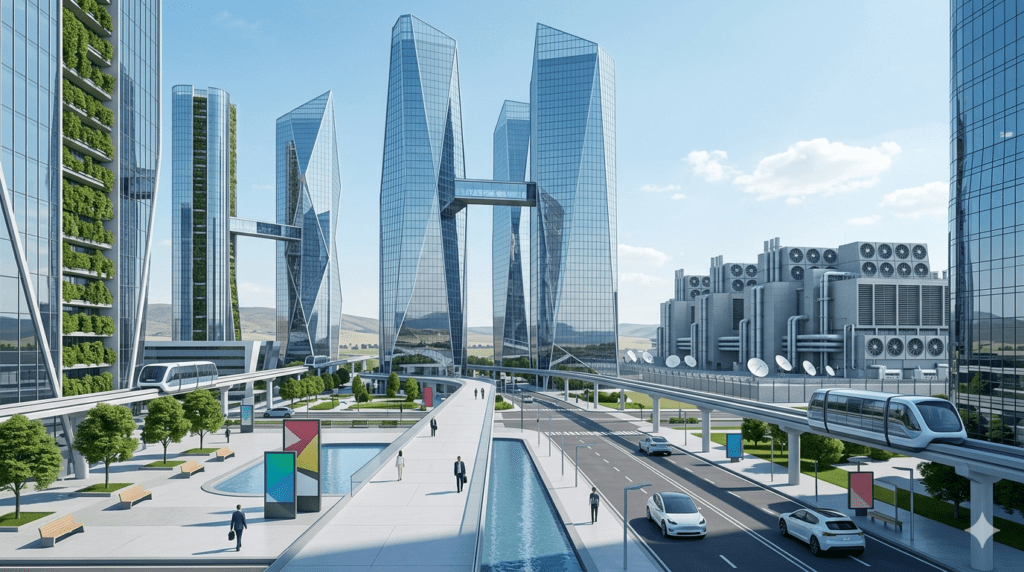
For most of the past two decades, sovereign wealth funds occupied a predictable position in the global infrastructure investment landscape.

For most of data center history, the network was the least interesting part of the infrastructure stack. It moved packets.

The data center industry has a story it tells about itself. It creates jobs, brings investment and, puts struggling municipalities
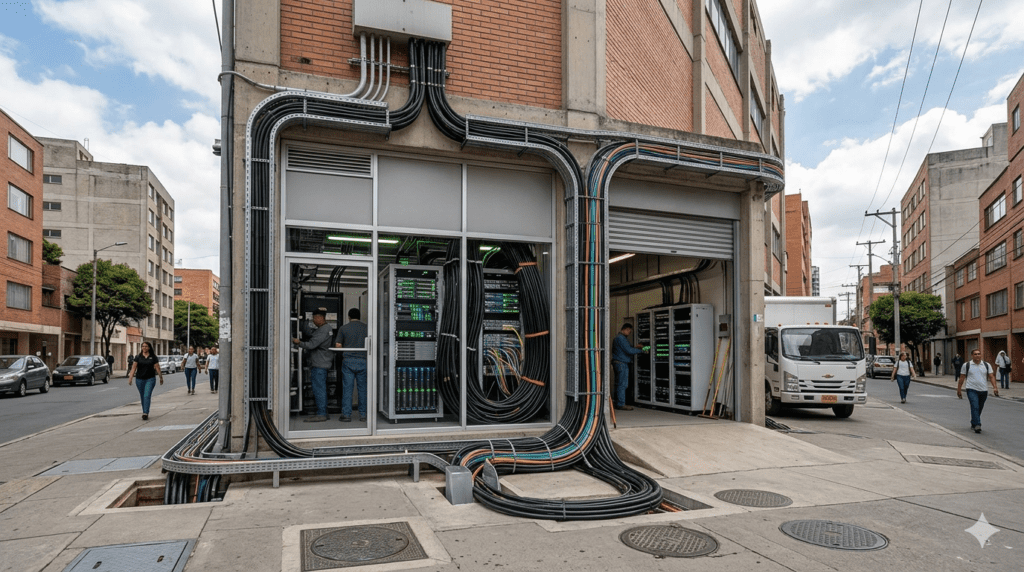
Telecom operators spent the last decade watching hyperscalers build the infrastructure that runs the internet. They provided the pipes. Someone
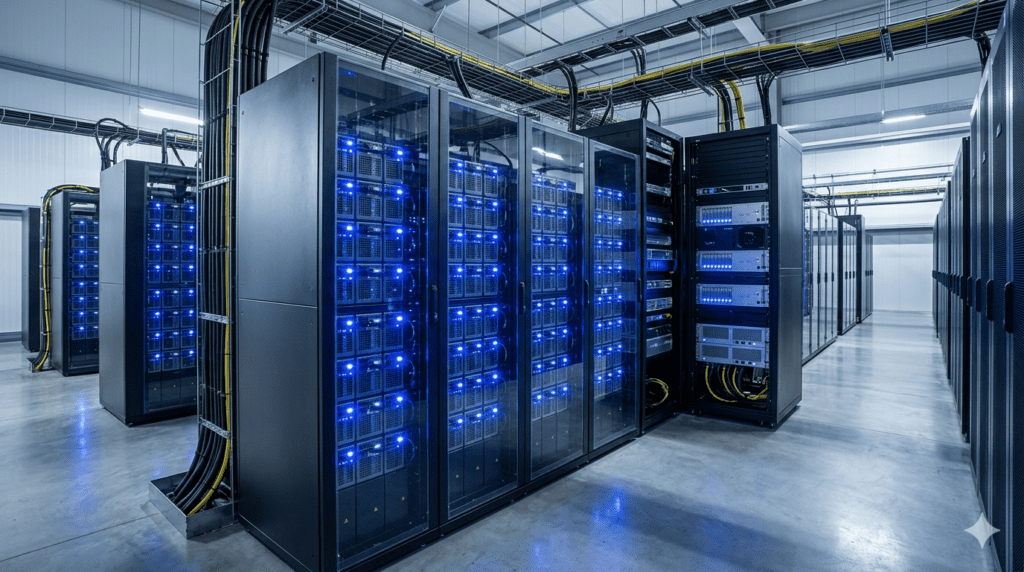
The uninterruptible power supply has not changed much in thirty years. It bridges the gap between a power outage and

As AI accelerates infrastructure demand, power delivery is becoming the defining constraint of scale. The conversation around data infrastructure is
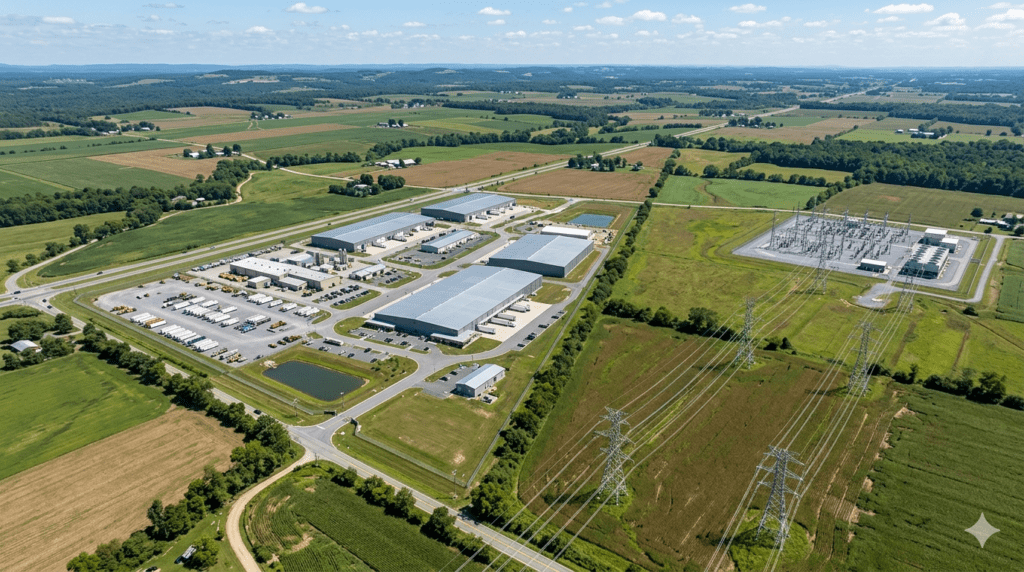
For most of the commercial internet era, data center site selection followed a logic that the industry understood well and
A new constraint has quietly taken control of AI infrastructure, and it does not come from compute scarcity or capital

The power procurement strategies that hyperscalers pursued during the first decade of cloud infrastructure buildout treated electricity as a commodity

The announcements come in waves now. Another hyperscaler commits tens of billions to data center expansion. Another sovereign wealth fund
The Myth of “Zero-Cost Cooling” The narrative around ambient cooling often positions it as a near-zero cost solution, yet operational
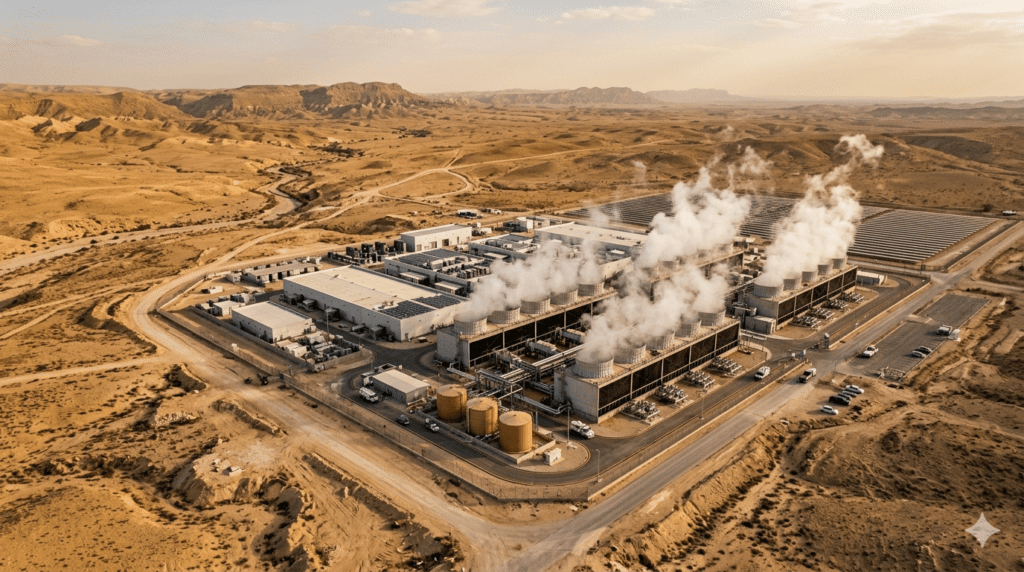
Water has never featured prominently in the public conversation about data center sustainability, but that is changing. The industry’s rapid
AI infrastructure expansion has triggered an unprecedented surge in power interconnection requests across global grids, yet not all signals reflect

The operational boundary between human oversight and machine execution has dissolved under the weight of modern AI infrastructure demands. Engineers
The architectural center of gravity in modern data centers has shifted from the perimeter to the deep interior where massive
Grid connectivity has long been treated as a proxy for stability in large-scale infrastructure, yet that assumption begins to fracture
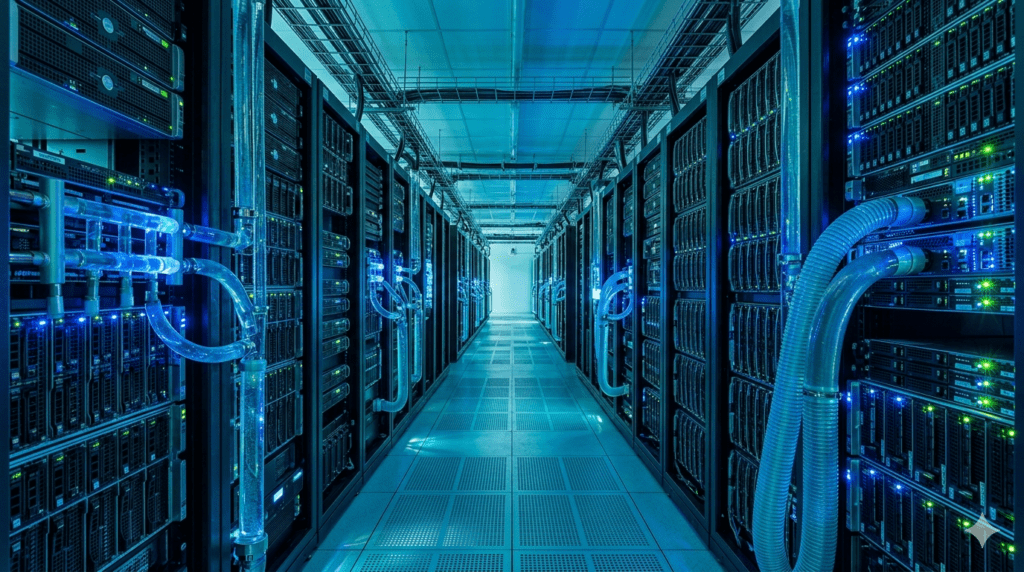
Colocation has operated for three decades as a relatively stable business model built around a straightforward value proposition. Operators build
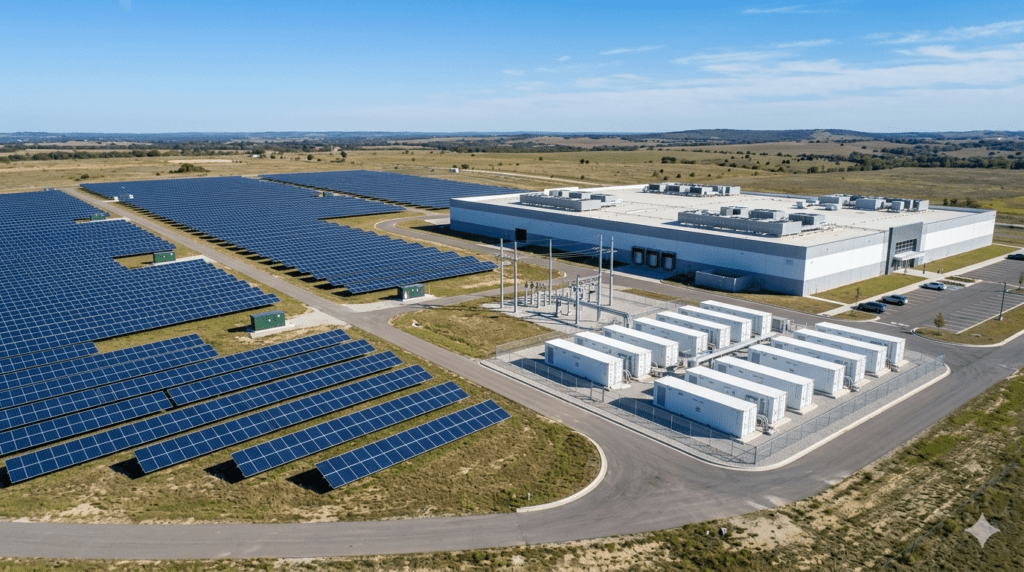
The relationship between data centers and the electricity grid has always involved a degree of financial complexity that site selection

The power infrastructure that industrial economies built over the past century to serve demand patterns that no longer exist represents
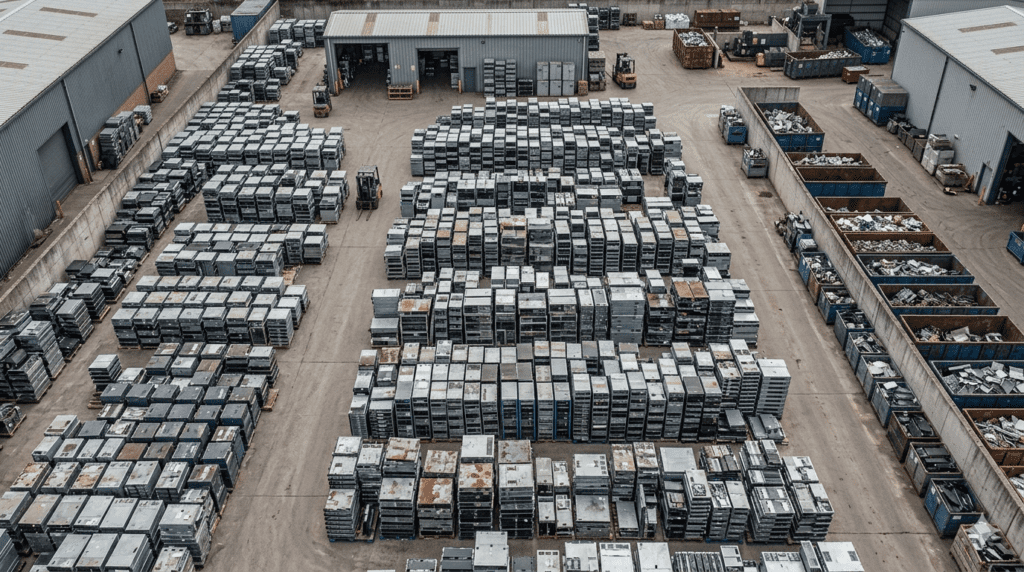
The sustainability conversation around data centers concentrates almost entirely on operational energy consumption. Power usage effectiveness, renewable energy certificates, water
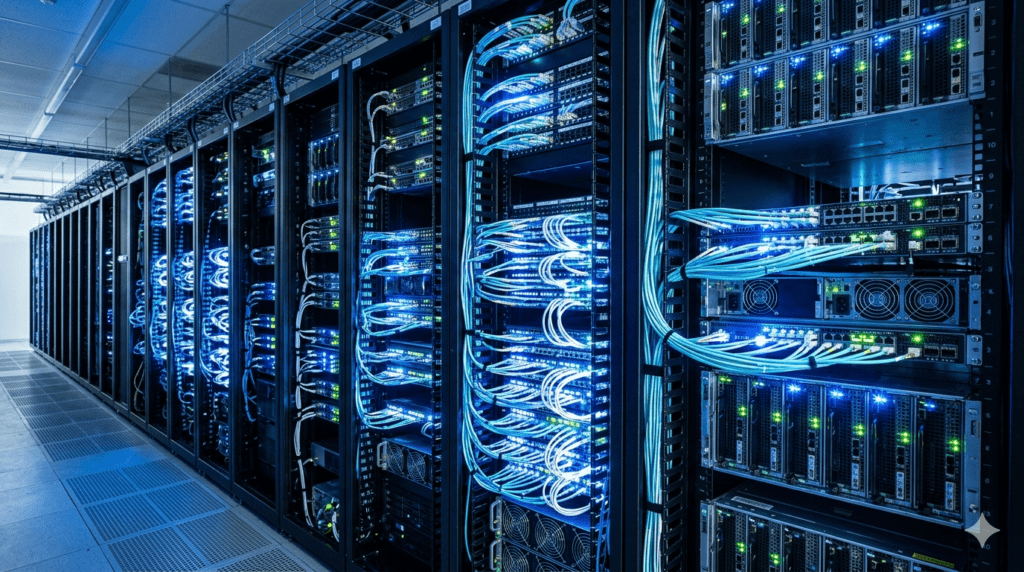
Data center network topology has historically been designed around predictable traffic patterns. Enterprise applications generated relatively stable flows between clients

The next phase of digital infrastructure growth is no longer constrained by compute capability but by the physical limits of

Artificial intelligence infrastructure has become a focal point of global policy debate, but the diagnosis guiding that scrutiny is increasingly
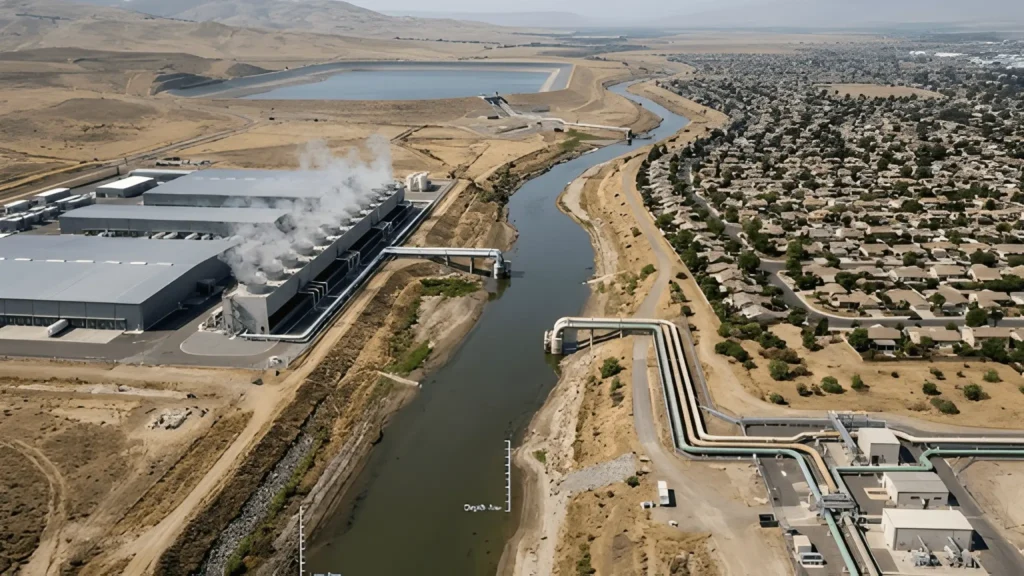
Modern metropolises no longer define their silhouettes solely by residential high-rises or commercial centers. Windowless, monolithic structures of hyperscale data

Data center site selection once followed a familiar logic. Developers sought locations with strong fiber connectivity, low latency to end
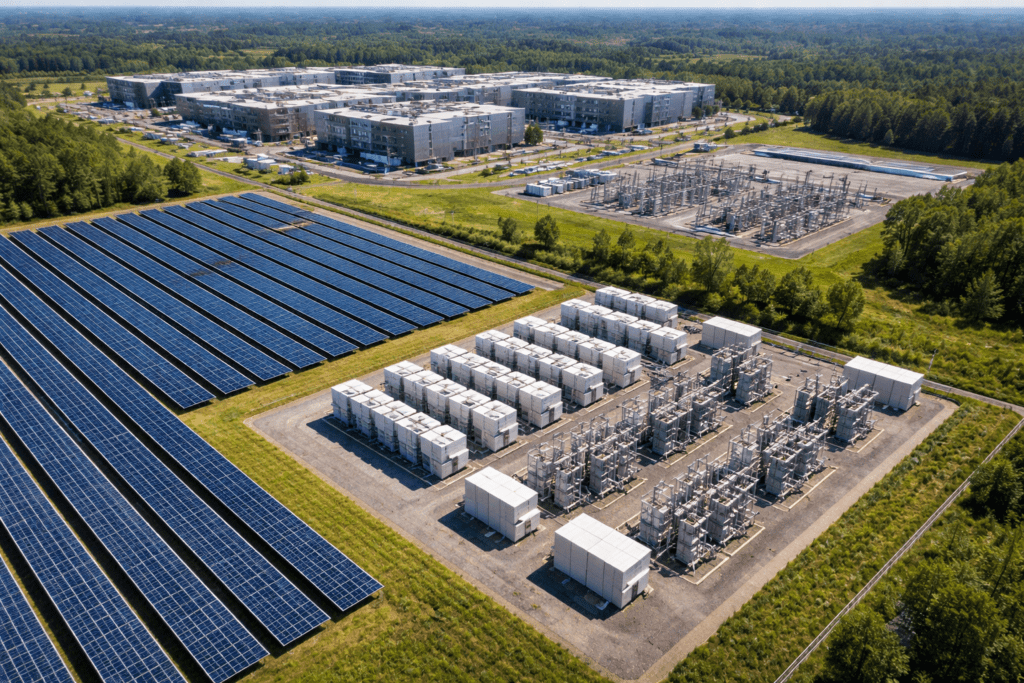
The relationship between AI infrastructure and the power grid is undergoing a structural transformation. For decades, data center developers treated
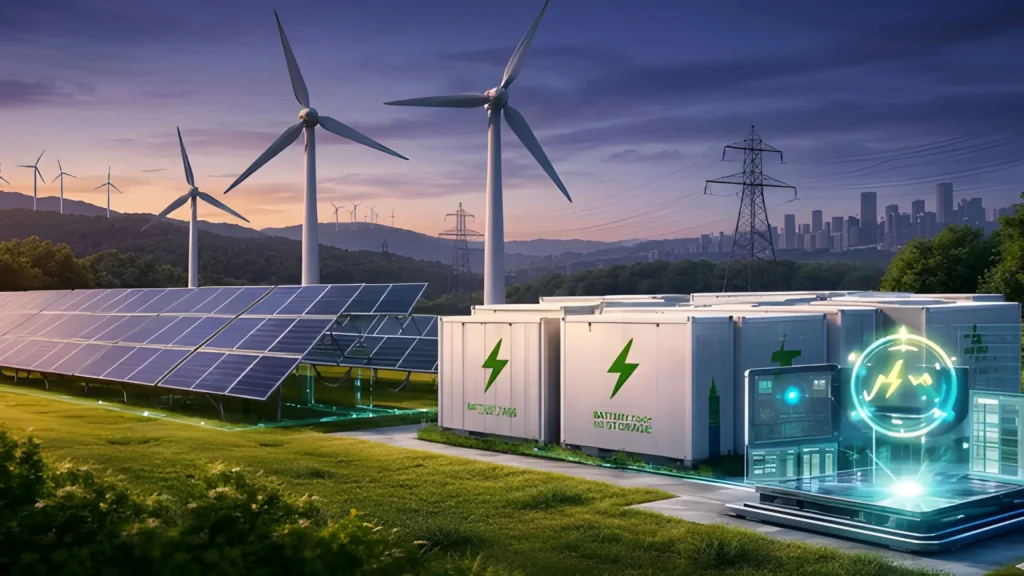
The global transition toward sustainable digital infrastructure has reached a critical inflection point where simple procurement of renewable energy is
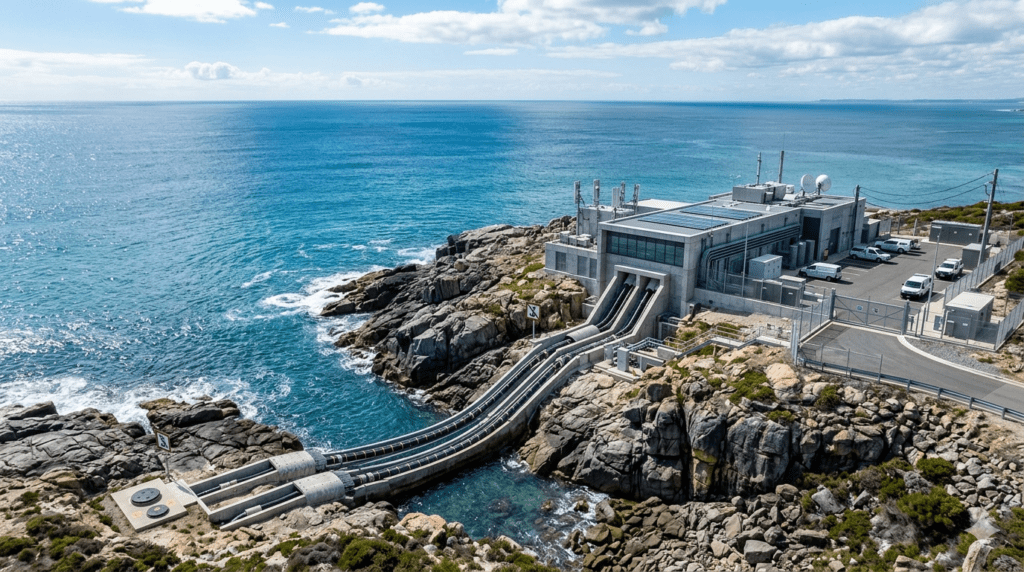
Submarine cables carry more than ninety-five percent of international internet traffic. Yet they rarely feature in mainstream discussions about digital
AI data centers once expanded based on available power capacity, but the equation has shifted toward thermal constraints that now

When JPMorgan Chase brought a $3.8 billion junk bond offering to market on behalf of an entity backed by Tract
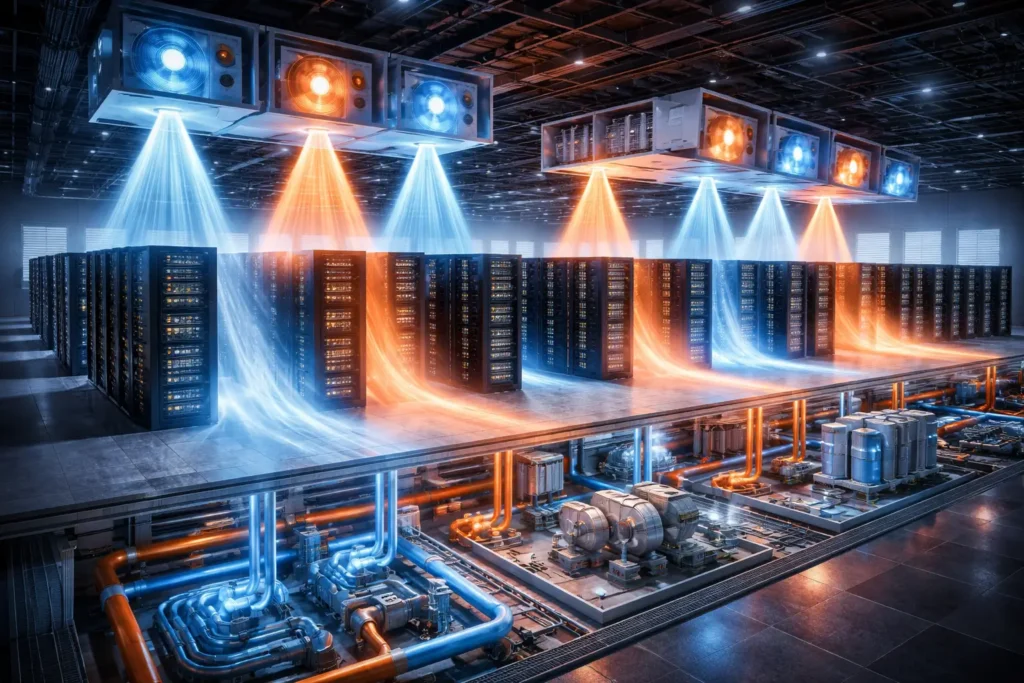
Thermal management in data centers has never been a static discipline. Each generation of compute hardware has introduced new heat
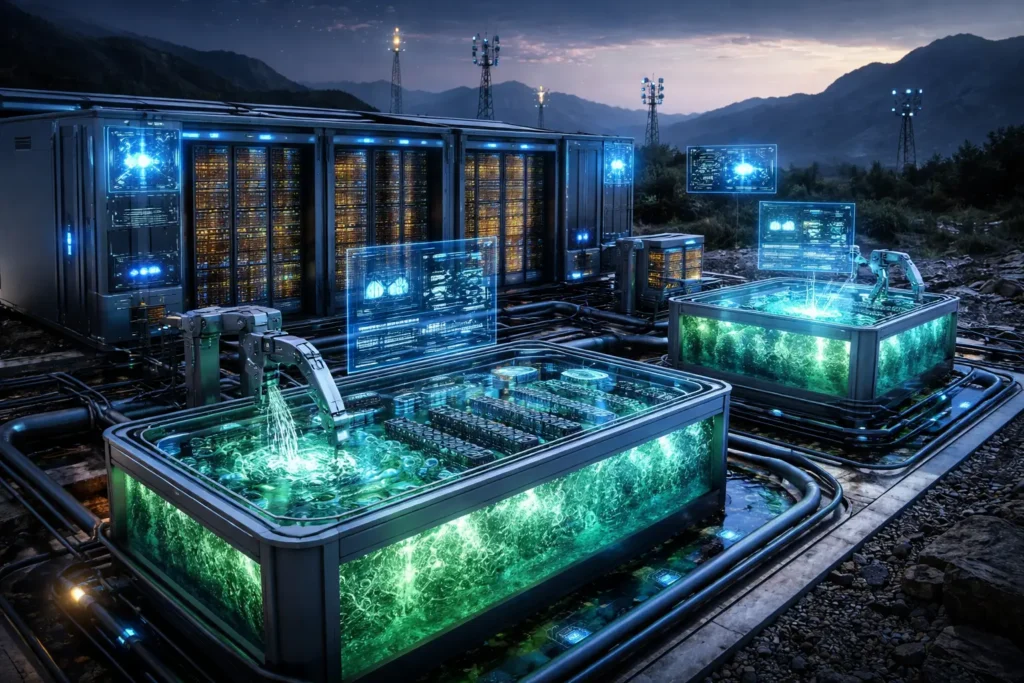
Immersion cooling has spent the better part of a decade proving itself inside hyperscale data centers, where operators building at
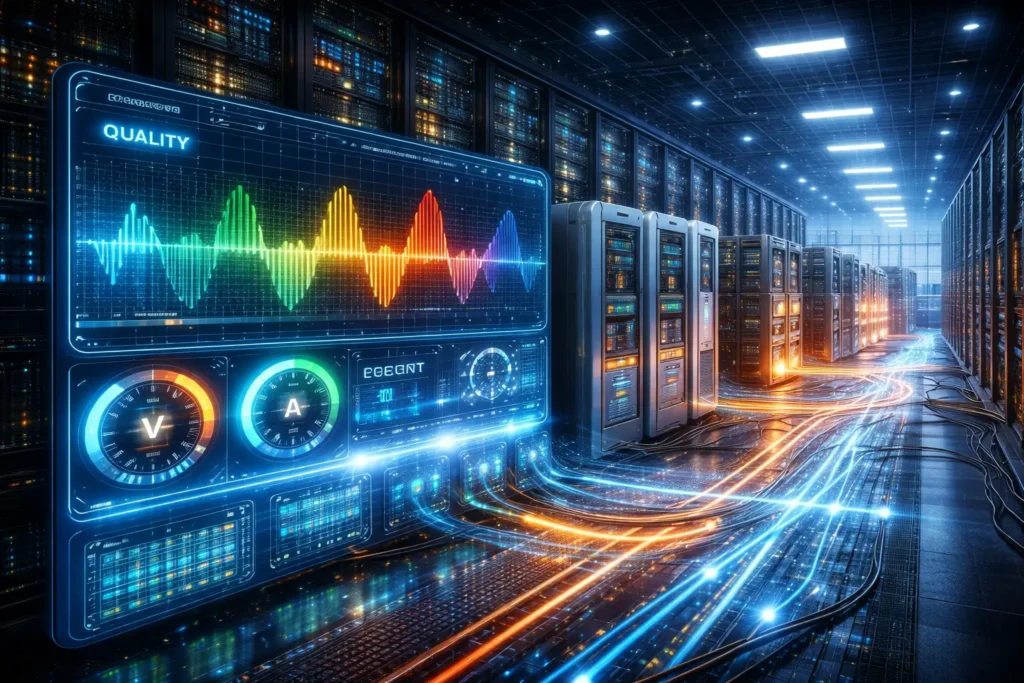
For decades, data center infrastructure planning began and ended with one question: how many megawatts can this facility draw? Capacity
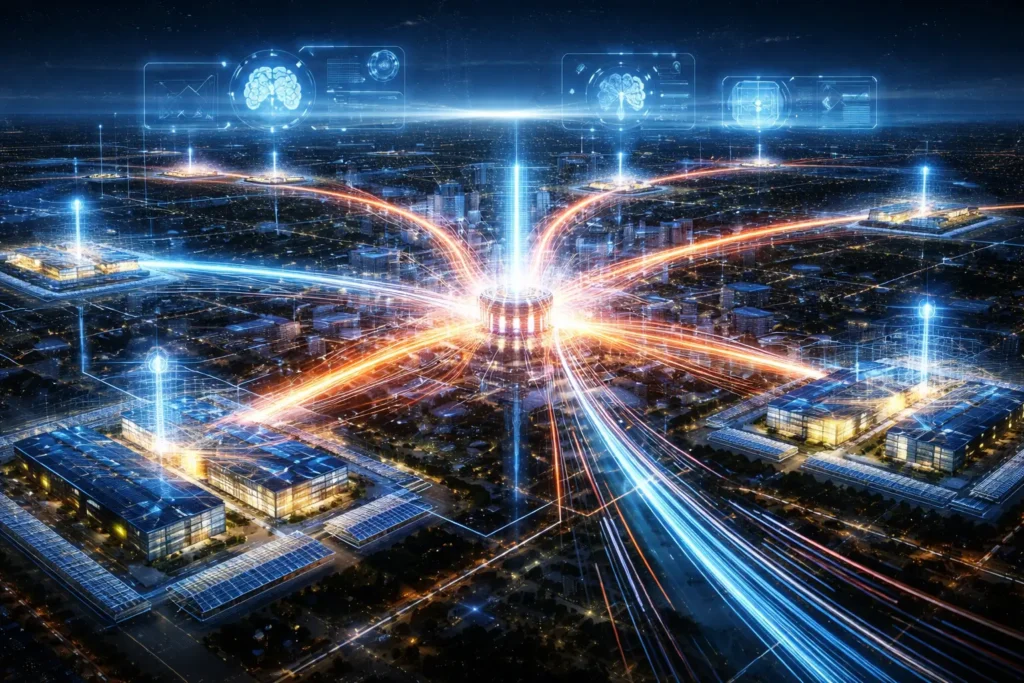
Grid interconnection has historically occupied a narrow corner of data center development planning. Facilities engineers and energy consultants managed it
The modern data center no longer exists as a passive consumer of electricity but increasingly operates as an active participant
Power delivery in data center design has long been approached as a fixed boundary condition, shaping decisions without being actively
Beyond the Site Boundary Sustainability strategies in digital infrastructure have historically centered on optimizing individual facilities, where operators focused on

The expansion of cloud infrastructure begins long before a server reaches a data center floor, as emissions accumulate during chip

Speed has become the defining currency of the AI era. But in the race to deploy faster, scale bigger, and
The idea of a single, unified data center has started to dissolve under the pressure of modern compute demands, where
Legacy data centers were designed around predictable, low-density compute patterns that rarely exceeded 10–15 kW per rack, which now contrasts
Edge computing architectures promised consistent low-latency performance by placing compute closer to end users and devices, yet real-world deployments reveal
The narrative around AI infrastructure once revolved almost entirely around compute, where GPUs defined the ceiling of innovation and scale.
AI infrastructure no longer scales along a single axis of compute or power, as the constraint landscape has shifted toward
Modern data centers no longer treat thermal conditions as a downstream concern because heat patterns now influence compute decisions directly.
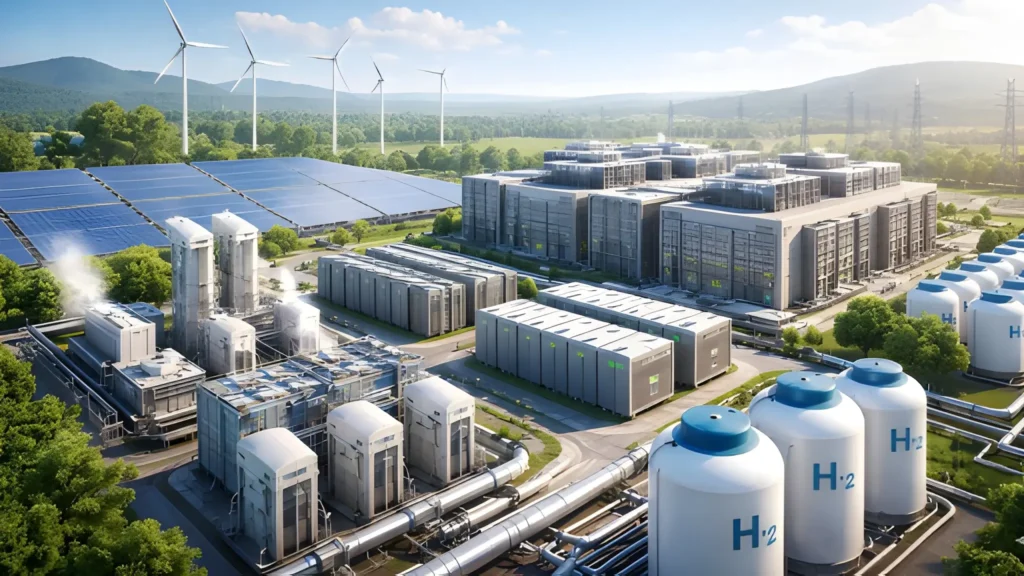
The rapid expansion of artificial intelligence workloads has elevated uptime requirements to near-continuous operational thresholds, often aligning with Tier IV-level
Cloud computing established its dominance by separating software from hardware through layers of abstraction that simplified deployment and scaling. Developers
AI-scale datasets introduce new constraints that traditional compute-centric models cannot absorb efficiently. Large training corpora, continuously updated embeddings, and high-frequency
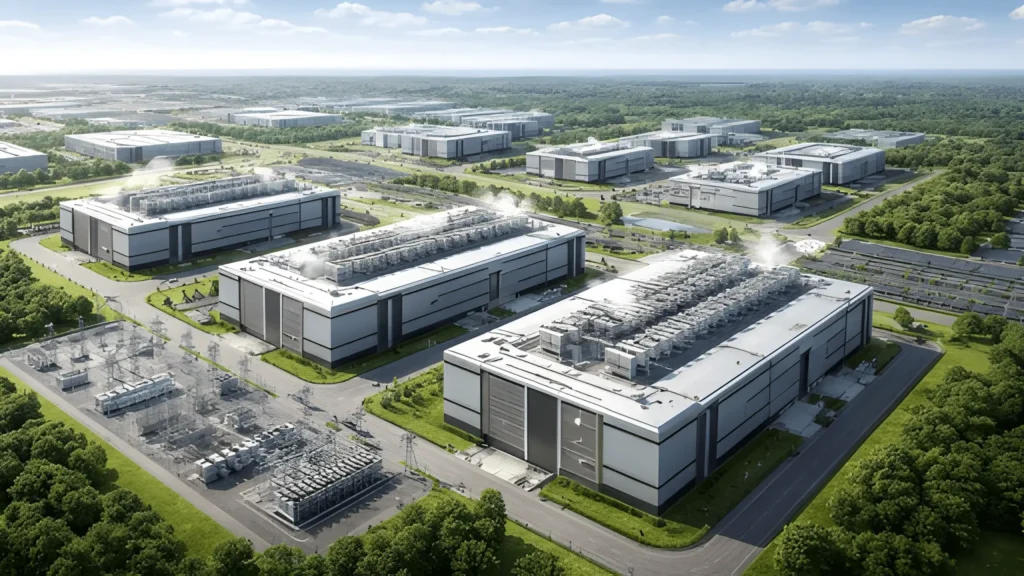
The emergence of ultra-large AI campuses has shifted infrastructure planning toward modular expansion strategies that prioritize adaptability over immediate scale.

From Facilities to Production Systems Traditional data centers emerged as environments optimized for uptime, redundancy, and service continuity, where reliability
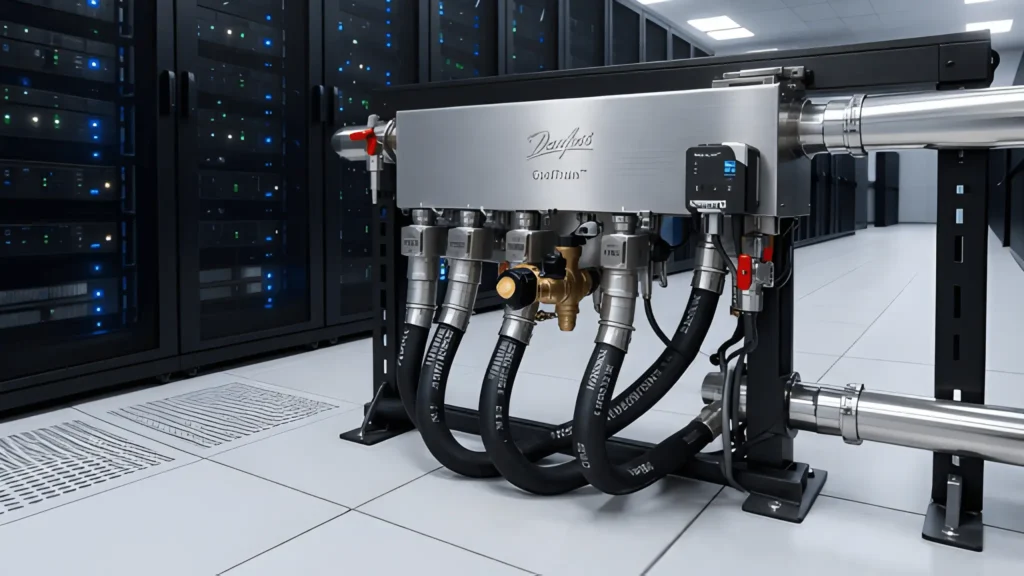
As AI infrastructure scales beyond conventional thermal limits, Danfoss has introduced a modular subsystem designed to remove one of liquid
The race to scale artificial intelligence infrastructure has triggered a wave of innovation across compute architectures and cooling systems, yet

Site selection for digital infrastructure has entered a phase where power availability defines the initial feasibility of any project. Developers
Design-to-Deploy Pipelines: Owning the Chip Lifecycle Hyperscalers have moved beyond traditional procurement cycles by integrating silicon design directly into infrastructure

Lightweight data center cooling is increasingly shaping how engineers approach structural efficiency and infrastructure planning. Engineers quantify the cumulative weight
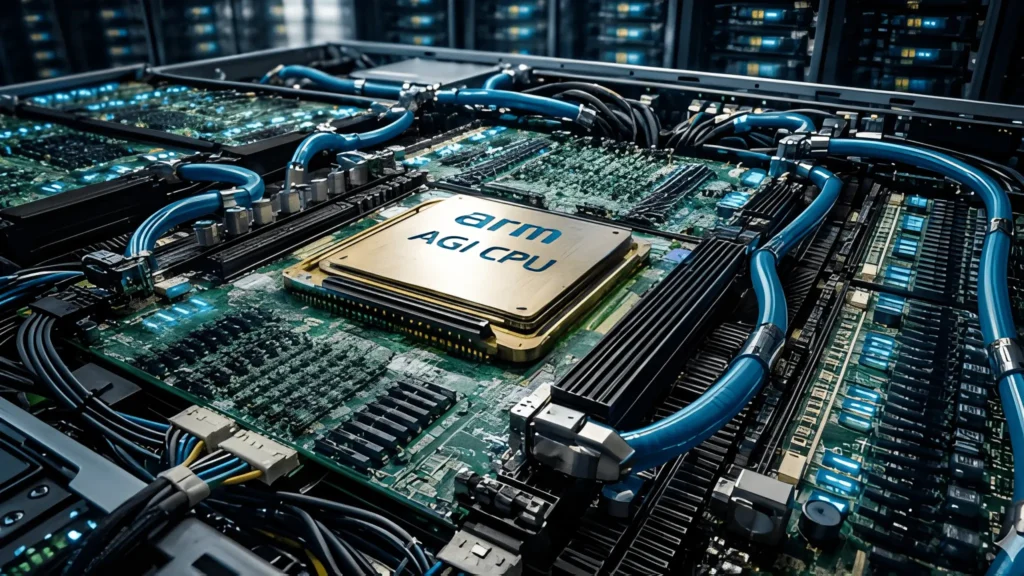
Arm has introduced its first in-house silicon for AI data centers, the Arm AGI CPU marking a structural shift in

Traditional data center security relied on clearly defined perimeters that segmented defense into outer boundaries, facility interiors, and rack-level protections.

A silent architectural shift is unfolding beneath the surface of modern AI infrastructure, where centralized GPU clusters increasingly face scaling

Artificial intelligence workloads are reshaping electricity demand patterns by introducing sustained, high-density consumption profiles that differ sharply from legacy enterprise
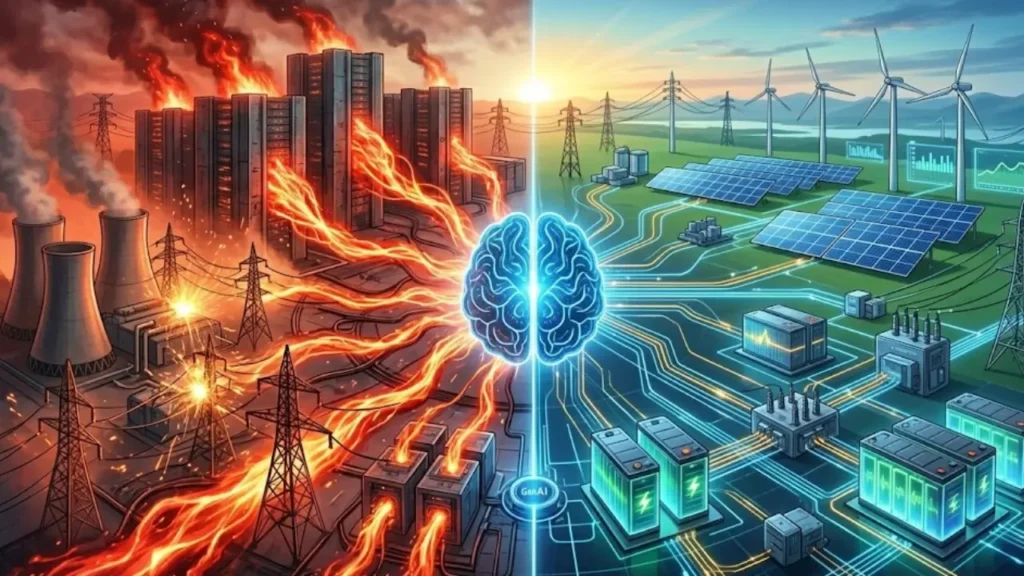
The Paradox at the Core: GenAI as Both Load Multiplier and Load Manager Generative AI does not enter infrastructure ecosystems
Traditional data centers evolved around uniform cooling strategies that assumed consistent heat output across all workloads and hardware configurations. This
The race to scale artificial intelligence has moved far beyond silicon and software, yet the constraint shaping its future remains

The logic that once governed digital security has begun to fragment under the pressure of distributed compute and continuously moving
NeoCloud providers are increasingly incorporating energy efficiency into infrastructure design decisions alongside traditional priorities such as flexibility and scalability, rather

Electric utilities increasingly face conditions where supply flexibility cannot match the speed at which large-scale compute loads connect to the
Data centres have historically treated uninterruptible power supply systems as insurance layers designed to activate only during outages, leaving vast
JinkoSolar has introduced a new class of photovoltaic modules engineered specifically for data center environments, signaling a sharper alignment between

The architecture of modern computing no longer evolves through simple scaling or incremental abstraction, as a deeper structural shift now

Centralized data vaults once simplified storage management, yet they now impose measurable latency penalties on modern AI workloads. Physical separation

The past decade saw remarkable improvements in data center efficiency, driven by better cooling architectures, advanced silicon design, and optimized

Artificial intelligence infrastructure operates within far narrower electrical tolerances than conventional data center environments, making power quality a defining parameter

The Illusion of Infinite Compute the technology industry expanded on the back of sustained gains in compute performance and declining

To address the escalating energy demands of artificial intelligence infrastructure, Hitachi, Ltd. has introduced an 800-volt direct current architecture designed
Electricity no longer struggles at the point of generation, yet it consistently encounters friction within the networks designed to deliver
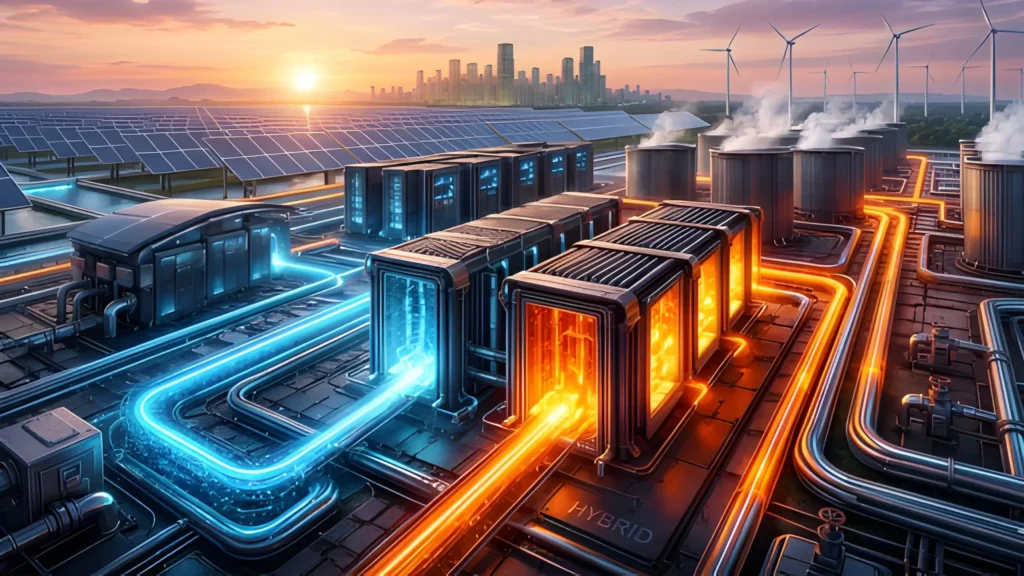
Energy optimization conversations in data centers often revolve around advanced cooling technologies, yet the underlying physics of heat movement receives

Operators have moved beyond once-through cooling toward recirculation systems that promise reduced withdrawal and improved efficiency. Yet the idea of

The ambition driving today’s artificial intelligence industry is no longer subtle. It is expansive, accelerated, and increasingly self-reliant. The latest

Modern AI deployment strategies no longer follow a binary model of centralization or localization, as enterprises now design layered intelligence

Energy availability has moved from a supporting variable to the primary gating condition in modern data center site selection strategies.
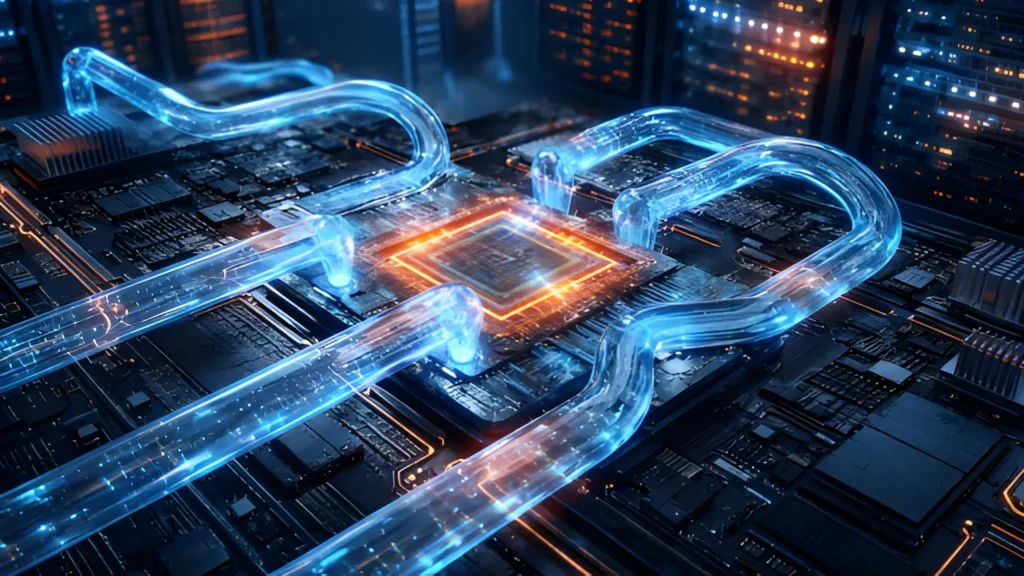
The physics of heat has quietly become the dominant force shaping the future of computing, and that shift now begins

Modern AI workloads rely on tightly coupled GPU clusters that operate with precise synchronization across nodes. Training frameworks distribute model
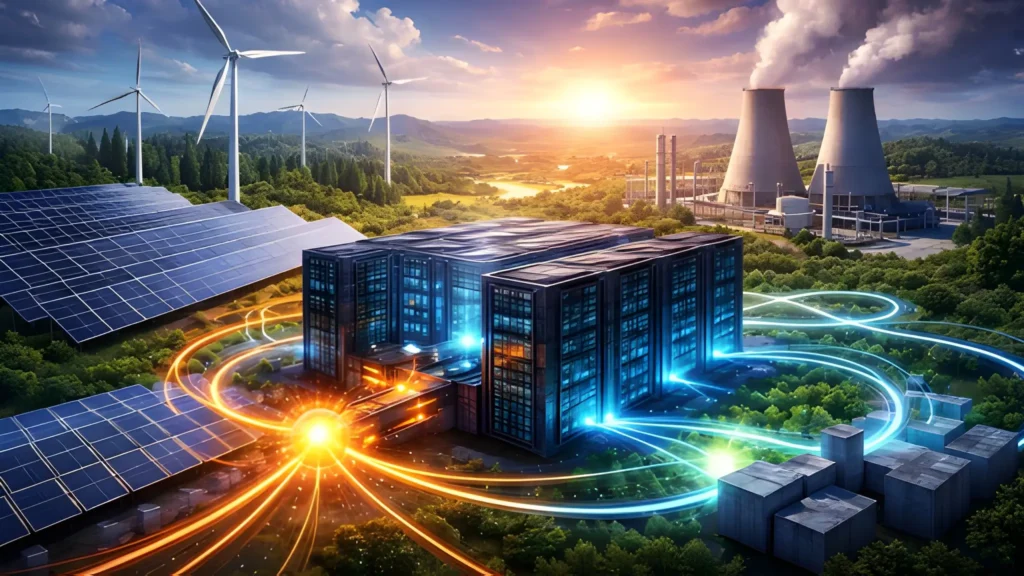
Modern AI systems no longer operate in episodic bursts that align with traditional enterprise workloads, because their training and inference

Robotics simulation environments aim to approximate physical reality, yet they often rely on simplified assumptions that cannot fully capture environmental

Oceans have long supported subsea cable networks, and recent experimental deployments suggest their potential to extend beyond connectivity into early-stage
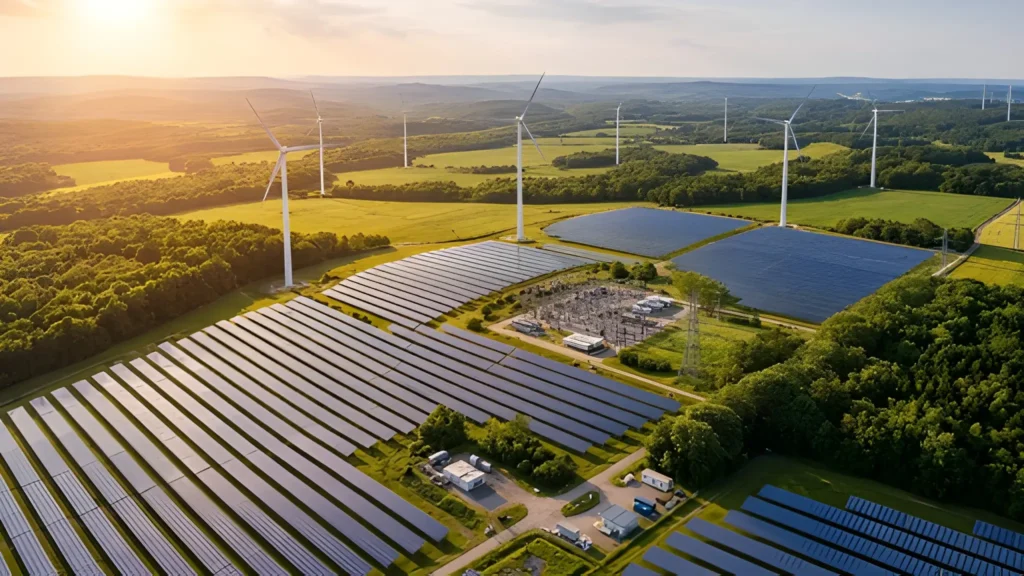
Co-located renewable energy projects have emerged as a practical response to this challenge by combining multiple renewable technologies within a

The Expanding Physical Footprint of AI Infrastructure Large-scale computing facilities increasingly occupy expansive tracts of land as organizations build clusters

The expansion of artificial intelligence computing has begun to reshape the physical geography of digital infrastructure. Training clusters for large

The growth of artificial intelligence workloads has intensified the thermal constraints that shape modern semiconductor design. As transistor densities increase

Lanner Electronics will unveil its next-generation AstraEdge™ portfolio at NVIDIA GTC 2026, positioning edge infrastructure as a critical enabler for

Artificial intelligence is no longer just software. It is infrastructure. And at the heart of that infrastructure lies silicon. For
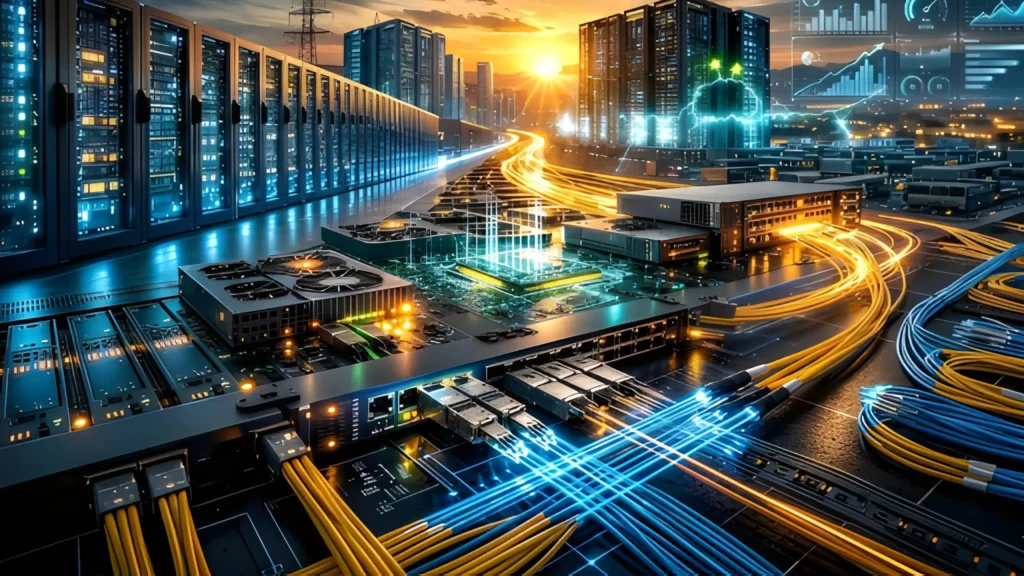
Modern data centers now move staggering volumes of internal traffic as artificial intelligence reshapes computing infrastructure. Training clusters distribute workloads
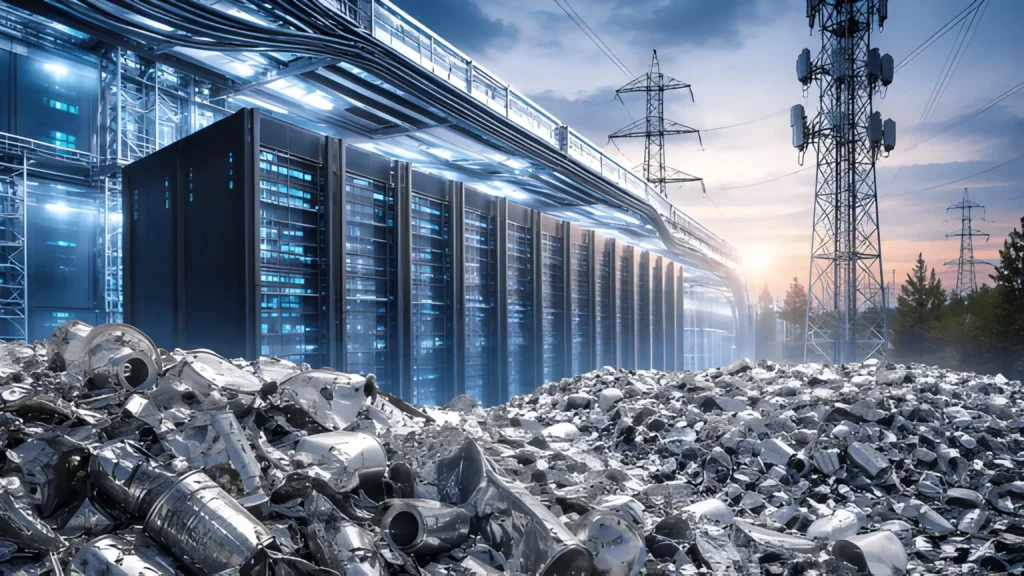
Expanding cloud platforms, artificial intelligence clusters, and distributed telecommunications networks require enormous quantities of electrical and structural materials that support
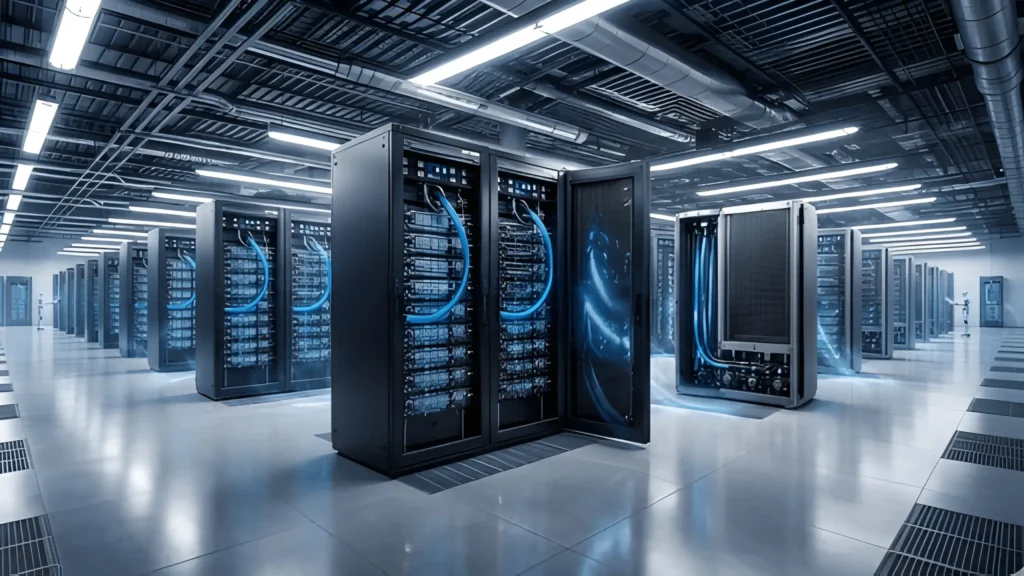
Thermal management now sits at the center of modern data center design as computing density rises across artificial intelligence, machine

Artificial intelligence has introduced infrastructure requirements that differ fundamentally from the architecture of conventional enterprise data centers. Facilities once treated

When Clean Energy Capacity Outpaces Grid Adaptation National energy strategies across many regions increasingly prioritize large-scale renewable deployment targets as

Cloud portability has become a strategic priority for enterprises that want to avoid provider lock-in and maintain architectural flexibility across

The Comforting Narrative of Human Control Military officials and policymakers often repeat a familiar assurance: humans remain in control of

As artificial intelligence evolves from experimental deployments into foundational digital infrastructure, the conversation is increasingly shifting beyond model performance toward
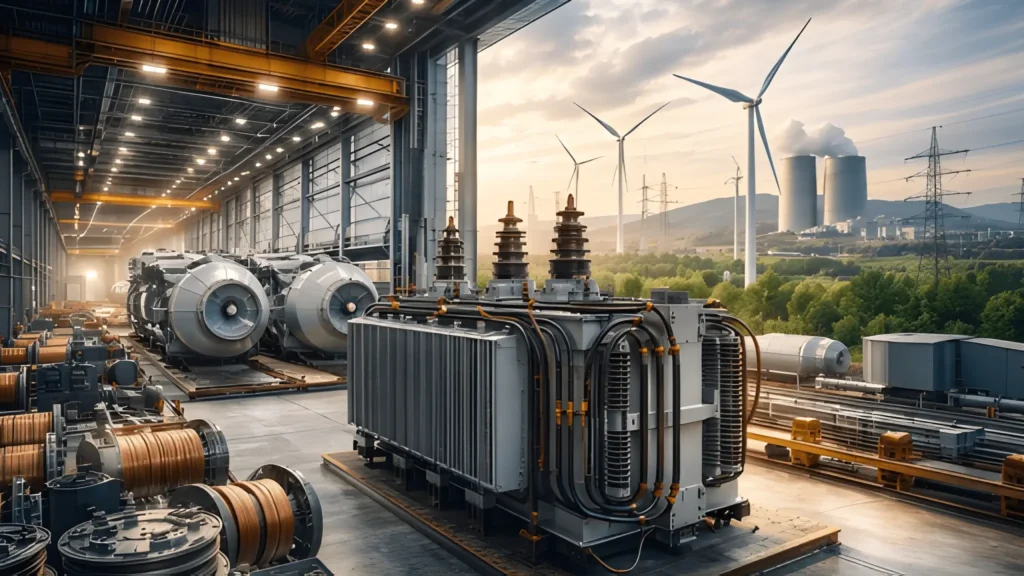
Power generation technologies, grid infrastructure, and electrification systems depend on heavy electrical hardware that requires complex manufacturing ecosystems and long

Environmental pressures increasingly influence how enterprises define competitiveness and long-term viability across global markets. Climate policies, regulatory mandates, and investor
Modern data centers operate under increasing pressure to support high-density compute environments driven by artificial intelligence workloads, cloud services, and

Global cloud infrastructure historically concentrated within North America and Western Europe because early internet exchange points, fiber routes, and enterprise

Google’s completion of its acquisition of Wiz marks more than a routine corporate expansion. It signals how seriously the company
Facilities originally optimized for airflow management now encounter thermal conditions that expose the limits of traditional cooling design. Hardware generations
Artificial intelligence infrastructure no longer behaves like conventional computing environments, and this divergence has created a widening structural gap between
Modern facilities that host large-scale artificial intelligence clusters demand infrastructure that behaves as an integrated architecture rather than a collection
For more than two decades, the colocation industry revolved around a relatively stable commercial structure built on space, power, and

Cooling infrastructure sits at the center of modern data center engineering because servers continuously convert electrical energy into heat during
Autonomous machines increasingly rely on continuous streams of data, computation, and communication to function safely within complex environments. Robotics platforms,
Modern hyperscale facilities emerged from architectural principles developed during an earlier phase of enterprise computing growth. Designers optimized these environments
Modular data centers emerged to accelerate infrastructure deployment by shifting significant portions of construction into controlled manufacturing environments. Prefabricated modules
Artificial intelligence infrastructure is entering a phase where responsiveness begins to outweigh raw training scale as the primary architectural priority,

Why “Plug-and-Play” Power Design Is Often an Illusion Modular data centers gained attention because prefabricated units promise rapid deployment and
ABB Robotics has partnered with NVIDIA to accelerate the deployment of physical AI robotics across industrial environments. The collaboration integrates

Artificial intelligence research has long associated progress with larger neural networks and increasing computational scale. Technology companies invested heavily in
Semiconductor megafabs increasingly act as anchor loads within regional electricity systems because they demand continuous, ultra‑stable and large‑scale power that
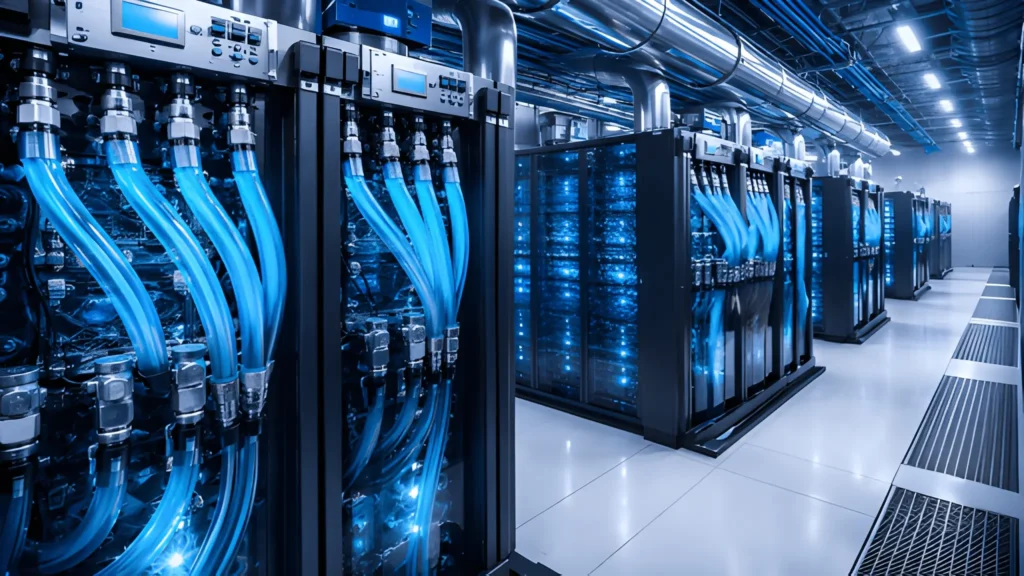
The thermal management systems inside modern data centers no longer operate quietly in the background of computing infrastructure. Artificial intelligence

Digital services now underpin commerce, finance, healthcare, and communication across global economies. Organizations delivering these services increasingly treat uptime as

From Parallel Cooling to Cascaded Thermal Architectures Traditional data center cooling systems evolved around parallel architectures where multiple cooling loops
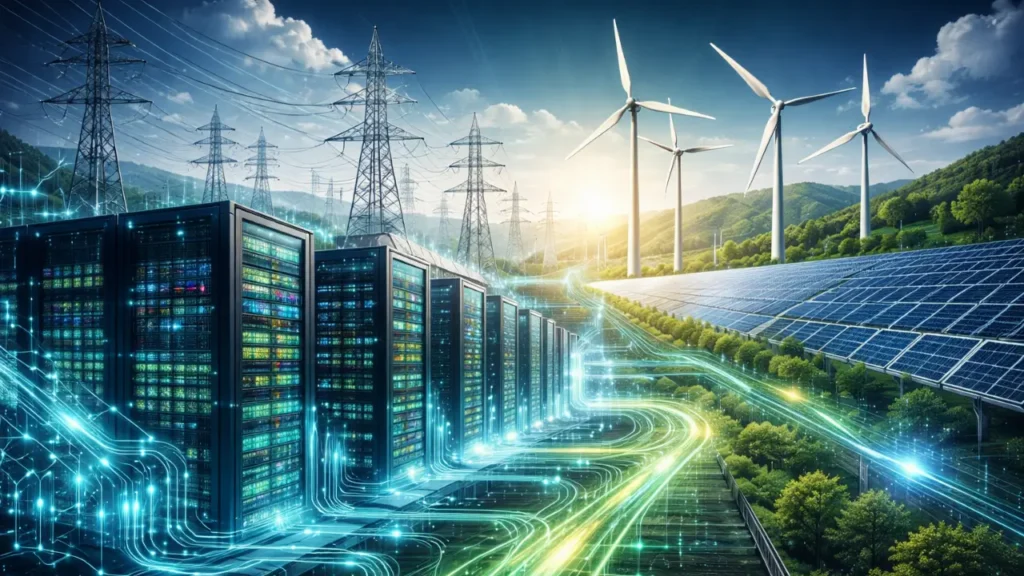
Electric power systems across the world are encountering a structural shift as digital infrastructure becomes one of the most energy-intensive
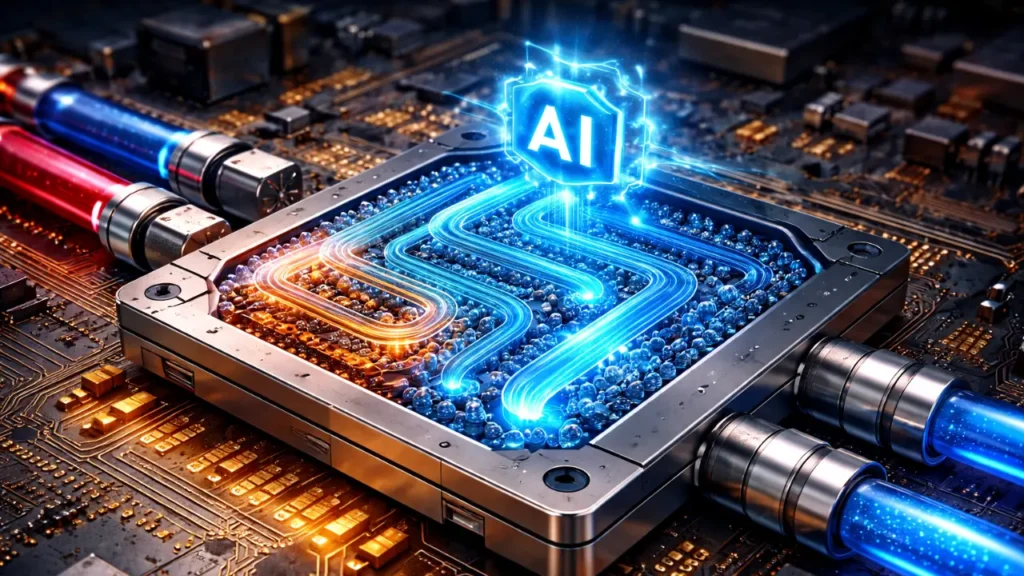
Artificial intelligence computing continues to push semiconductor hardware toward unprecedented thermal densities, forcing engineers to reconsider how heat moves through
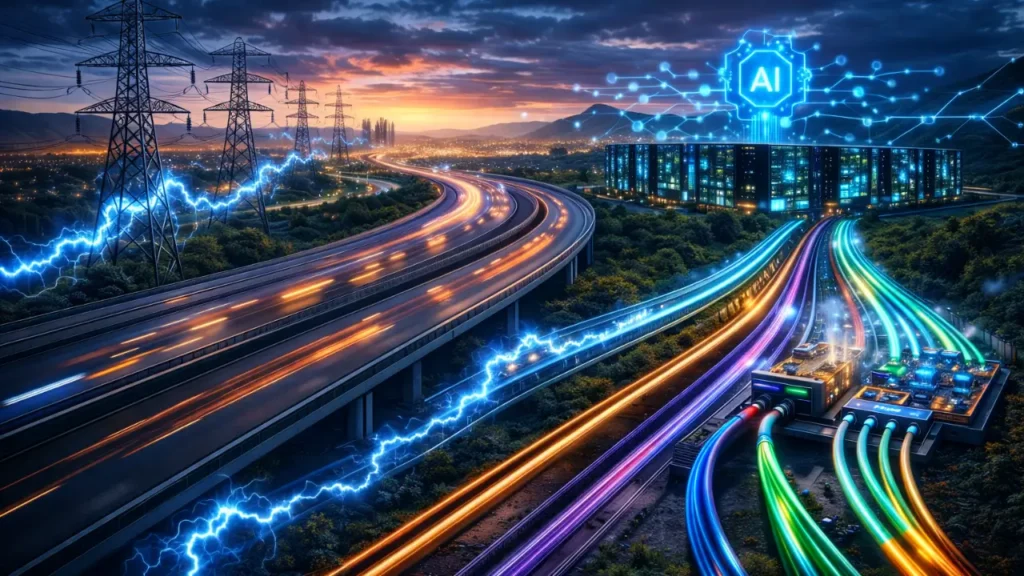
Why AI Infrastructure Is Moving Beyond Data Centers Artificial intelligence infrastructure is entering a scale phase that no longer fits
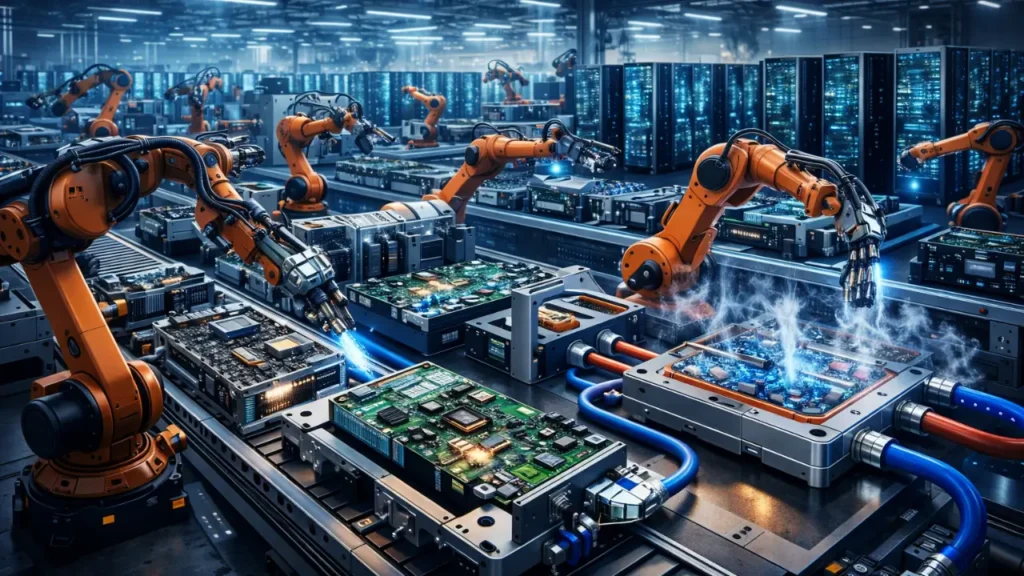
Modern artificial intelligence systems rely on massive computing clusters that require highly specialized hardware built with exceptional precision. Manufacturing of

Artificial intelligence infrastructure now scales at a pace that reshapes the global electricity landscape and forces operators to reconsider how
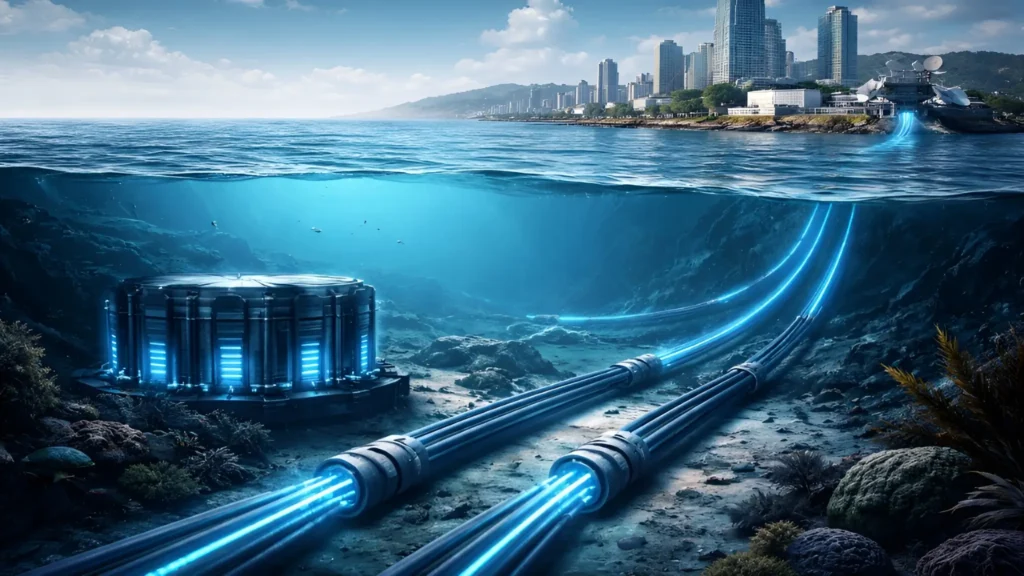
Ocean infrastructure is entering a new phase where computing systems no longer remain confined to terrestrial facilities. Coastal waters increasingly
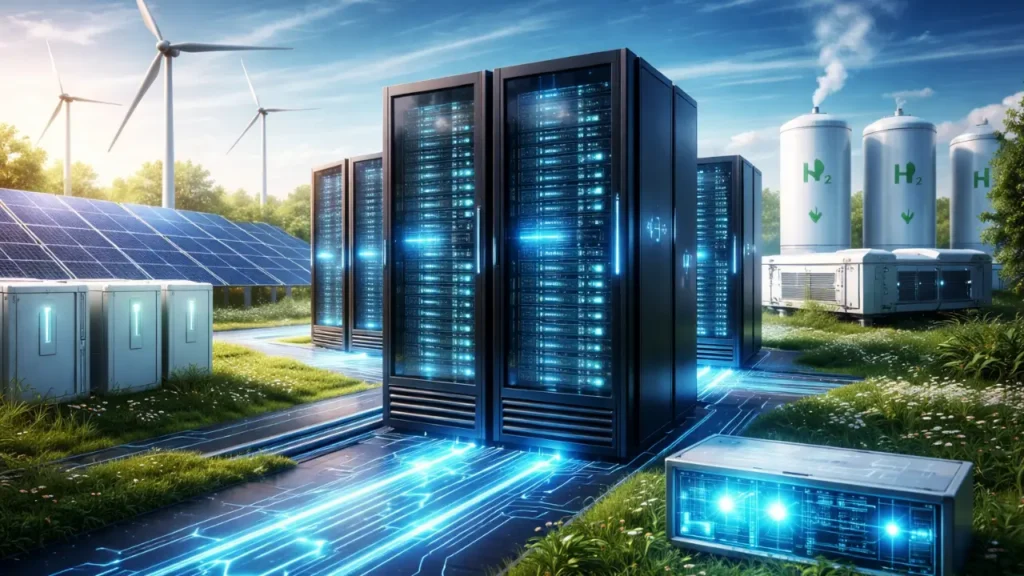
Digital infrastructure now operates in an environment where computation never pauses and electrical reliability shapes the boundaries of technological progress.
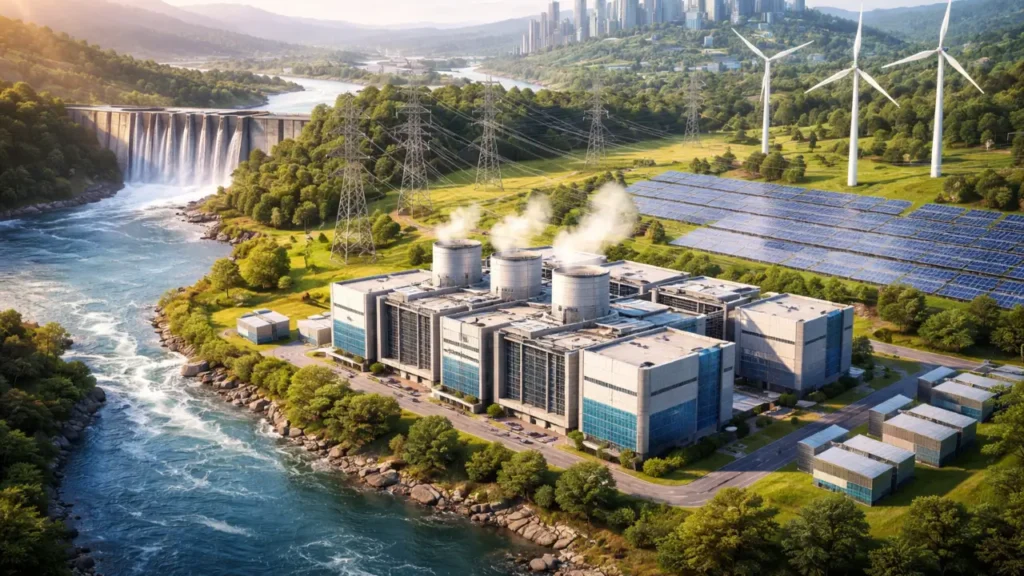
Digital infrastructure expansion increasingly depends on a complex relationship between energy production, thermal management, and water availability. Modern computing environments

The global digital landscape is undergoing a seismic shift as nations reevaluate their reliance on centralized foreign technology providers. Governments

Traditional data halls emerged during a period when most enterprise IT environments deployed hardware with relatively predictable power and thermal

Artificial intelligence training and inference workloads are reshaping infrastructure priorities across modern cloud environments. Large language models, recommendation systems, and
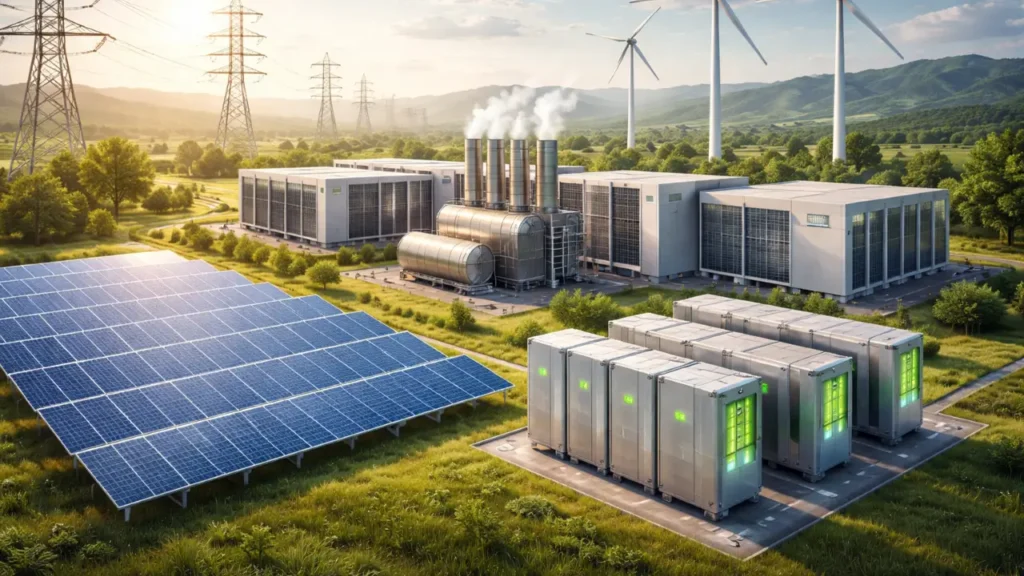
Understanding Hybrid Power in Data Centers Large digital infrastructure facilities require uninterrupted electricity because compute workloads operate continuously across distributed
Digital culture often describes the cloud as something intangible, a seamless layer of software that floats above everyday life. That
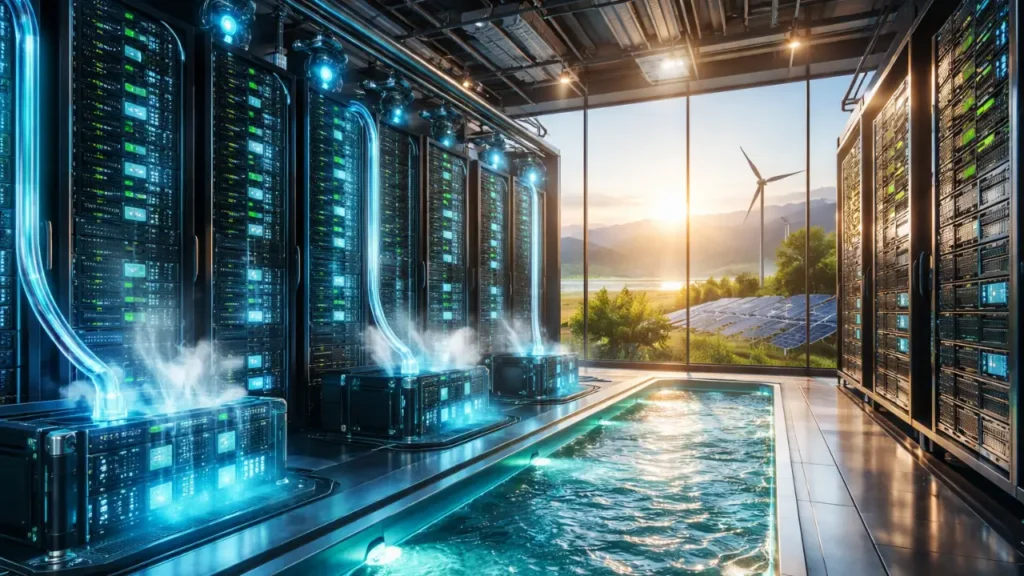
The Invisible Infrastructure Behind Artificial Intelligence Artificial intelligence often appears to users as a seamless layer of digital capability, yet

Artificial intelligence has entered a phase where ambition expands faster than the infrastructure that sustains it. Organizations pursue large-scale models,

Artificial intelligence no longer hinges on who writes the smartest code. It hinges on who writes the largest checks. The
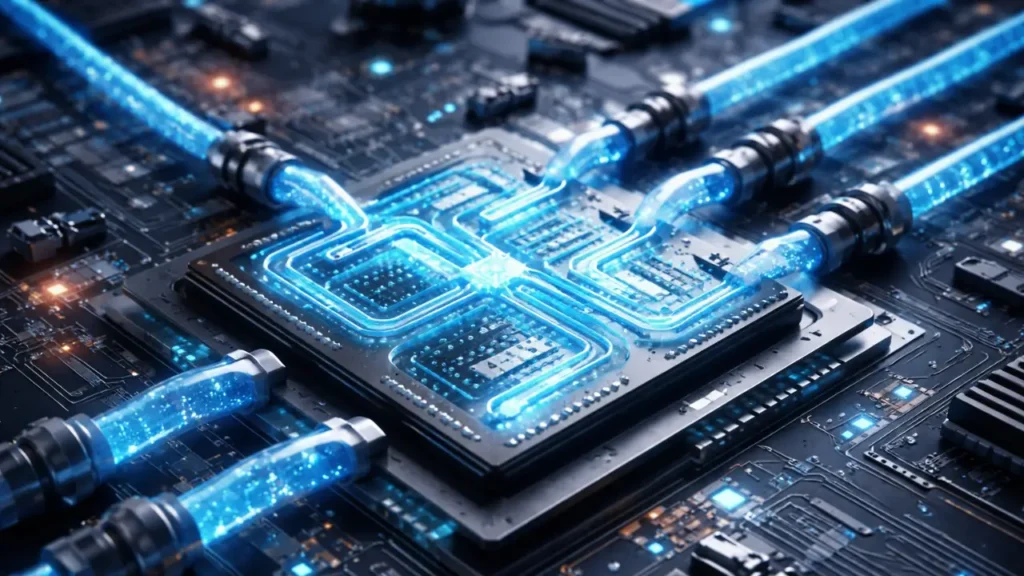
Why Rack-Level Cooling Is No Longer Enough for AI Processors Modern artificial intelligence accelerators operate at power densities that challenge
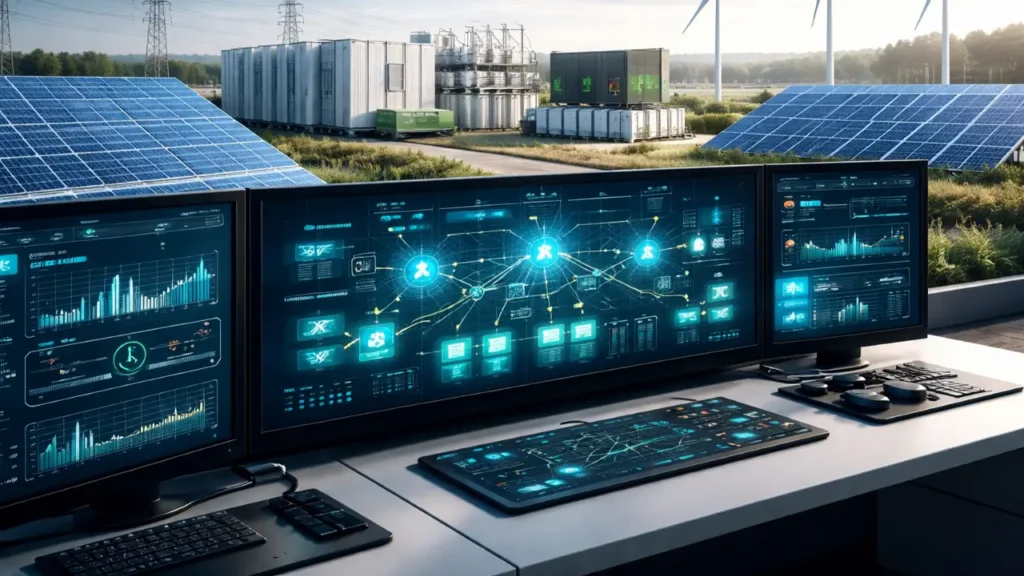
Critical infrastructure facilities now operate in an environment where energy continuity defines operational credibility and financial stability.Utilities once delivered predictable

The future of AI infrastructure isn’t being built in isolation. It’s being shaped in conversations between technologists and policymakers, in
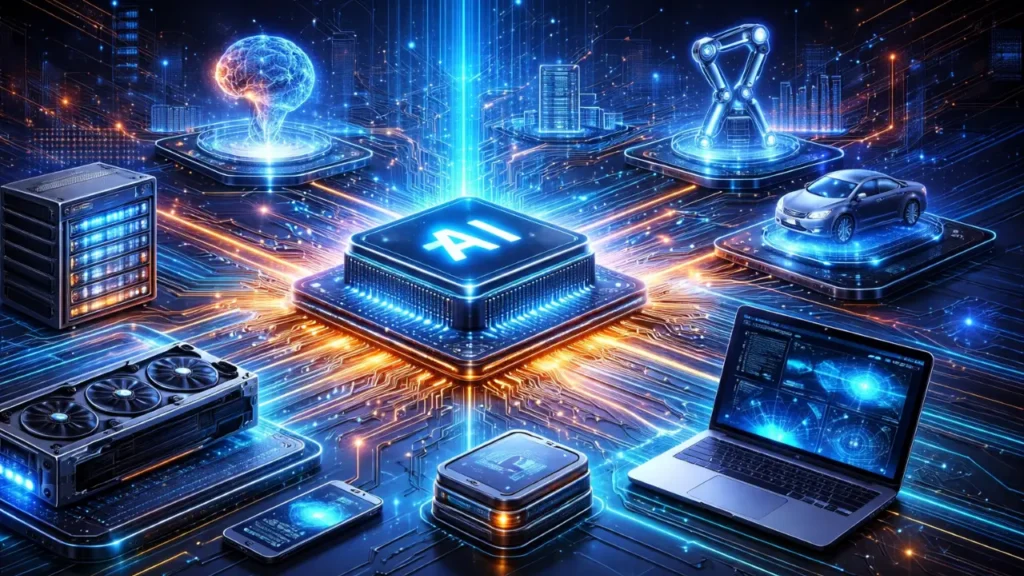
Modern AI applications demand more than just raw computational power; they require instantaneous decision-making and minimal delay between input and
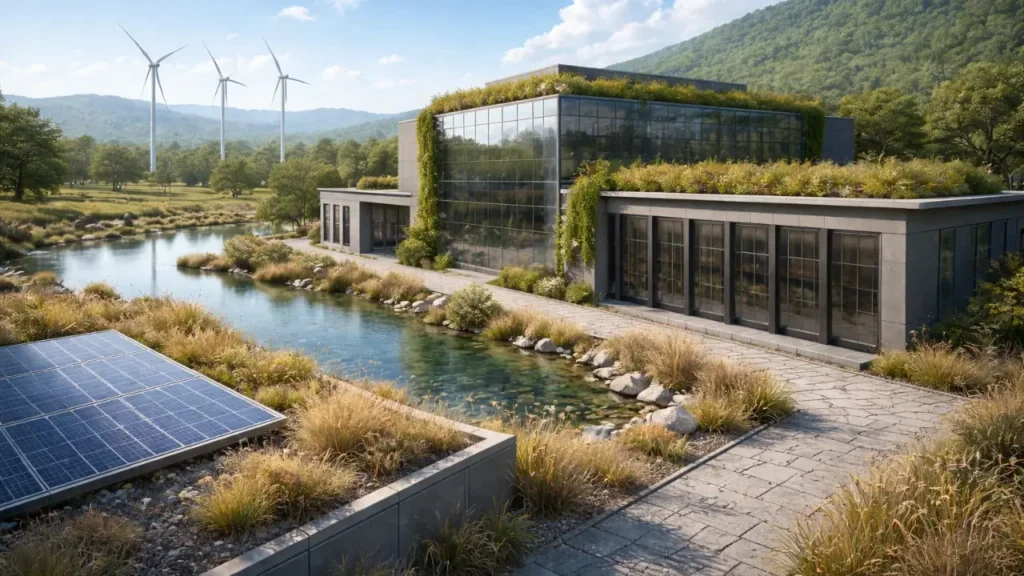
Digital infrastructure now shapes economic systems, urban planning decisions, and the global exchange of information at unprecedented scale. Data centers,

Artificial intelligence initiatives rarely begin in a single environment, because business units often select cloud platforms that align with immediate
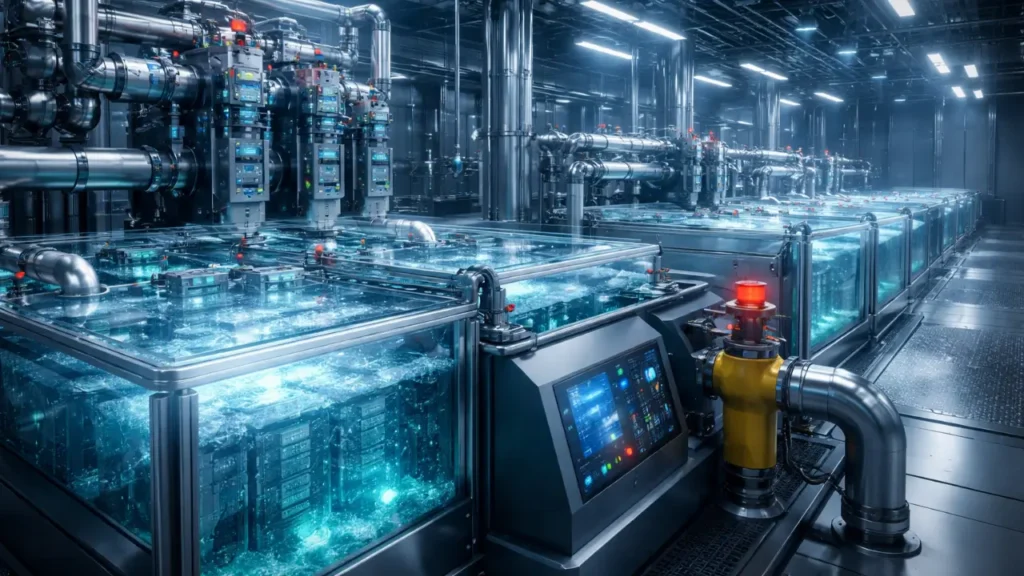
Modern fluid‑based infrastructure, including immersion cooling ecosystems, demands a redefinition of resilience that transcends simple uptime metrics. Immersion environments must

On-site gas generation has moved from niche backup architecture to a primary energy strategy for hyperscale and edge facilities seeking

If AI is accelerating the demand curve, sustainability and operational intelligence are redefining the rules of growth. Modern enterprises no

As artificial intelligence becomes more deeply embedded in enterprise systems and business processes, the limitations of traditional monolithic AI architectures

For decades, utilities viewed data centers as static, always-on loads. They were seen as giant power consumers that required uninterrupted
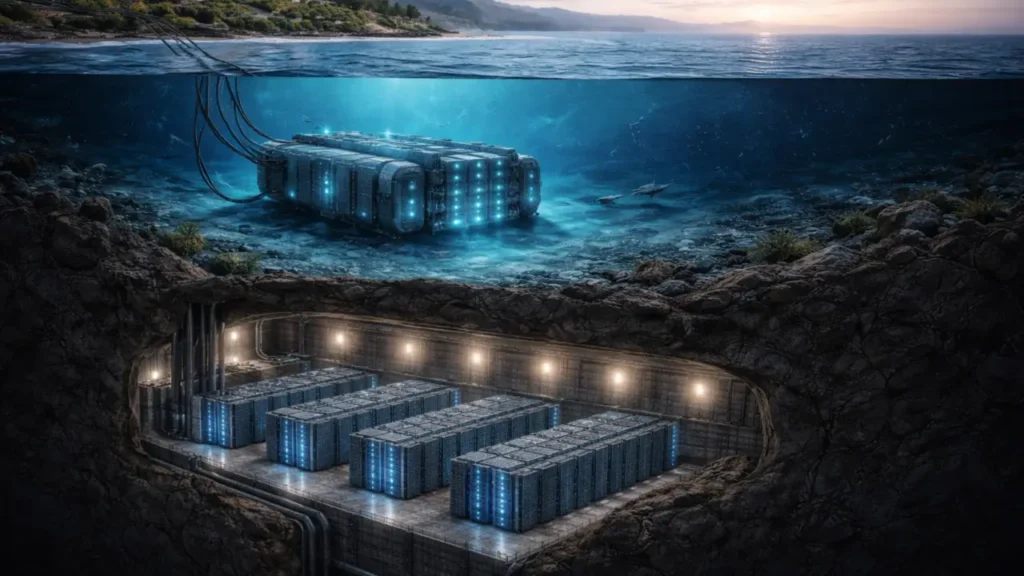
Digital infrastructure is no longer constrained to conventional landscapes. As urban density intensifies and environmental sensitivities rise, data centers are
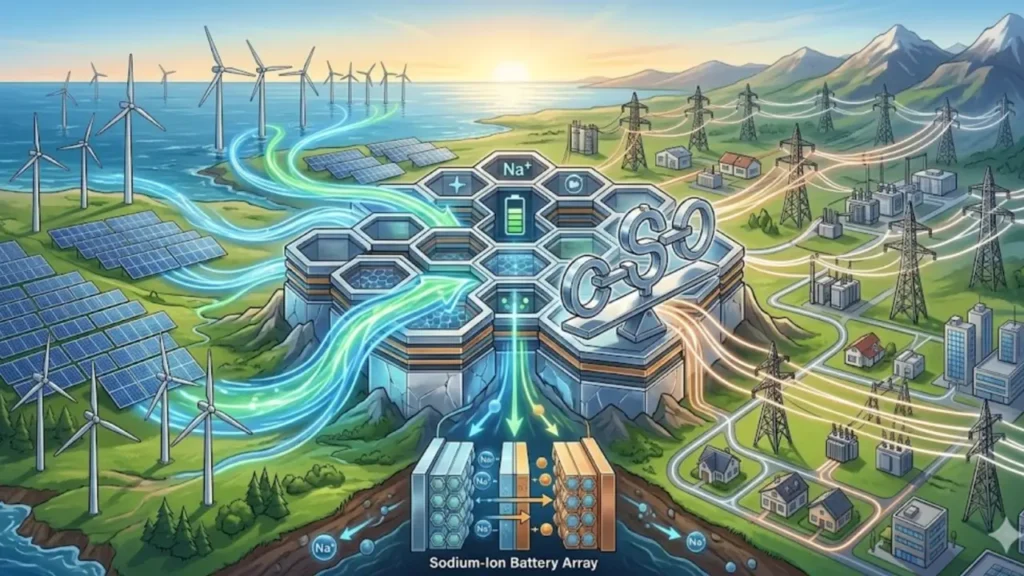
As countries and utilities accelerate the shift to wind and solar power, one persistent challenge remains: energy intermittency. Renewable generation
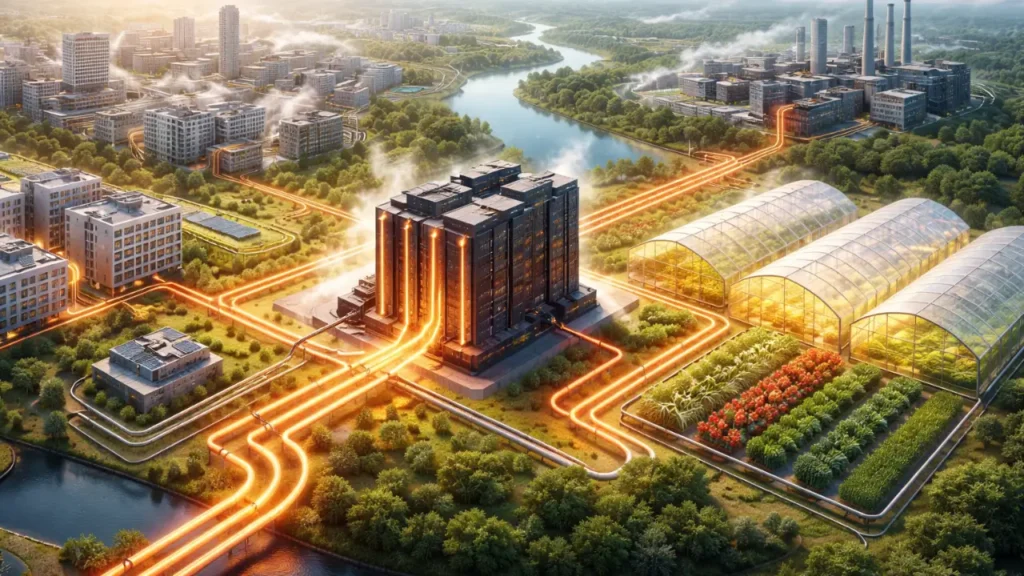
Digital infrastructure expands across metropolitan and industrial landscapes with an intensity that mirrors the acceleration of cloud computing, artificial intelligence,

A single stalled training run can erase weeks of progress, disrupt product roadmaps, and expose hidden weaknesses inside sophisticated AI
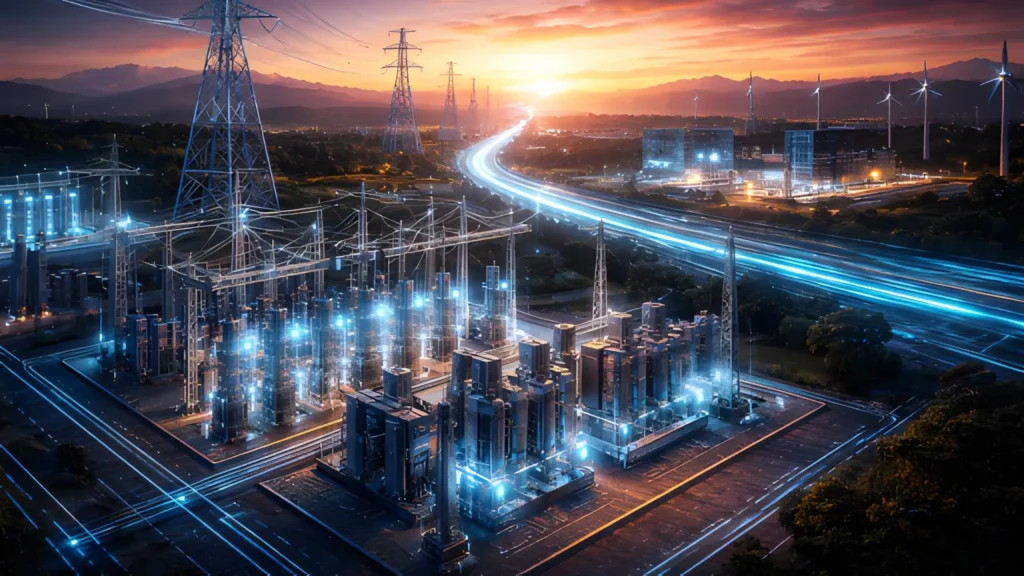
Artificial intelligence has introduced an unprecedented electricity load to power grids once designed for predictably slow demand growth. Modern data
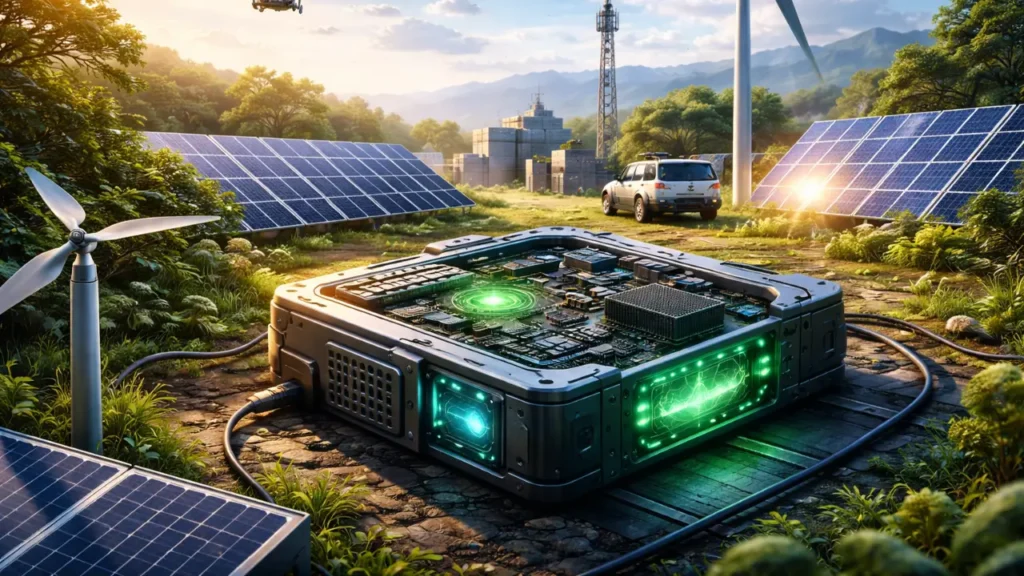
Edge intelligence no longer operates within the forgiving boundaries of centralized data centers, where redundant power feeds and industrial cooling

When multinational corporations speak about sustainability, the language often floats above the factory floor and far from the balance sheet.

The world runs on infrastructure few people ever see. Yet today, that foundation is under more pressure than ever before.
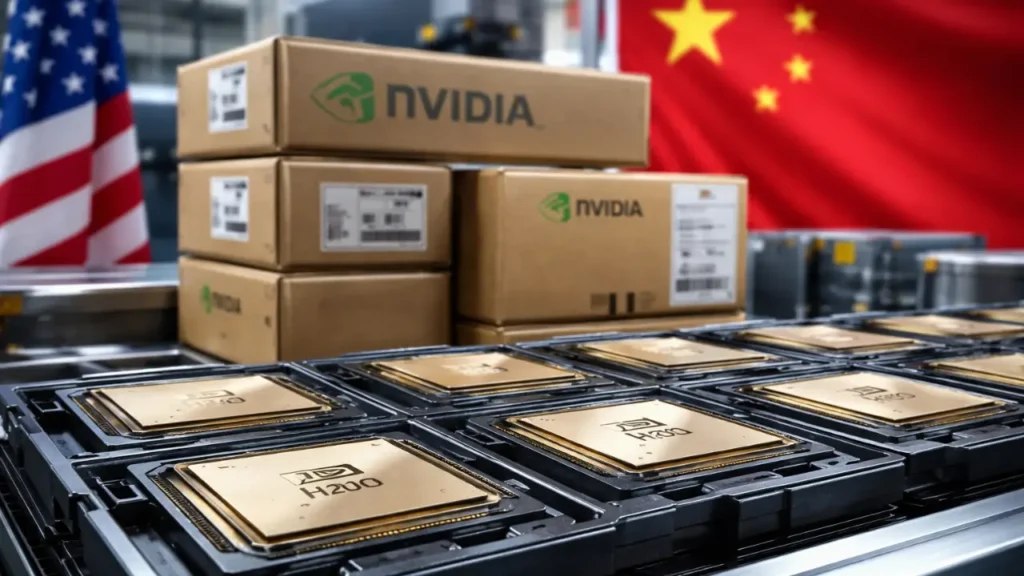
Nvidia Corp has secured a restricted US government licence to export a limited volume of its H200 artificial intelligence accelerators

The term ‘AI supercycle‘ reflects a structural, multi-year investment trend driven by unprecedented global spending on artificial intelligence infrastructure, hardware,
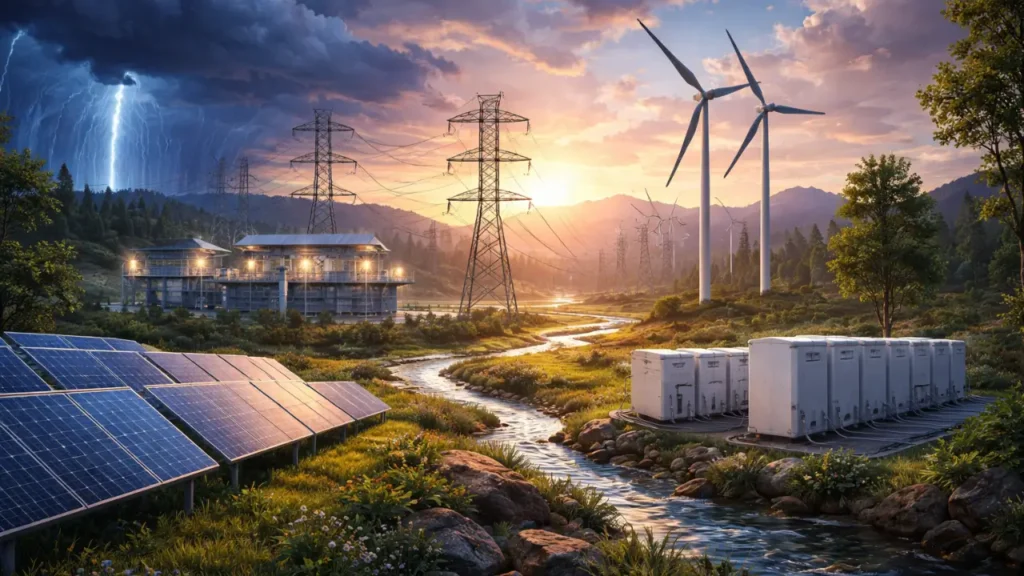
The era of climate volatility has exposed the vulnerability of energy infrastructure once designed primarily for efficiency and cost optimization;

Modern efforts to decarbonize electricity systems depend on how efficiently renewable energy and storage can deliver usable power to the
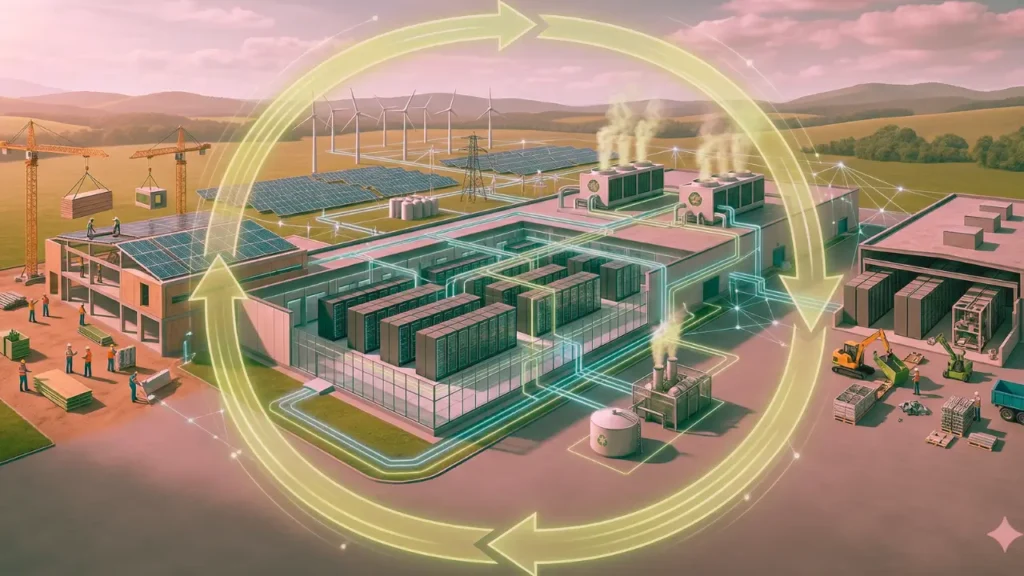
Data centers rank among the world’s most critical infrastructure assets. They power digital economies, cloud computing, artificial intelligence, and enterprise
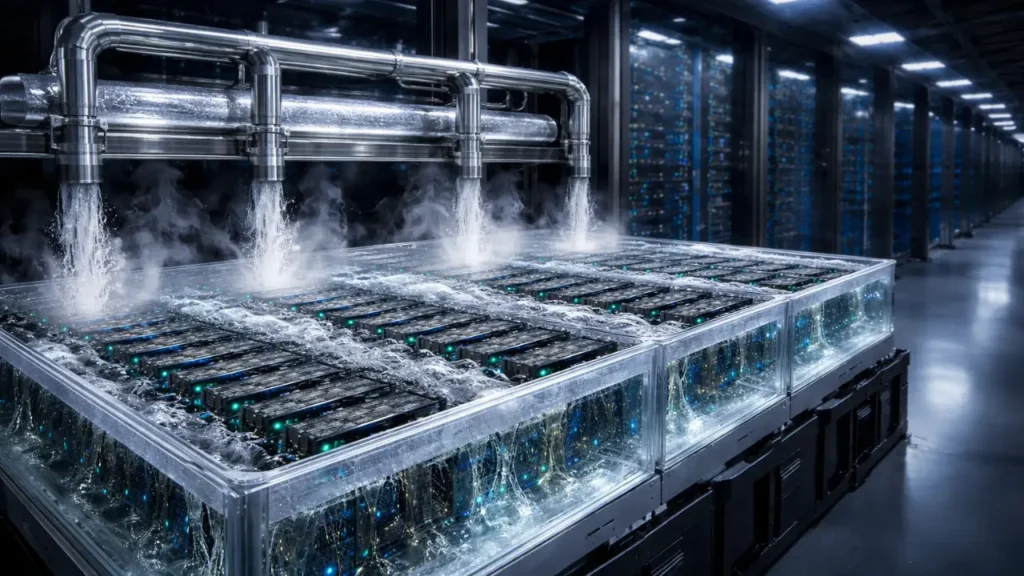
The modern data hall no longer whispers beneath raised floors and humming fans; instead, it pulses with concentrated energy as
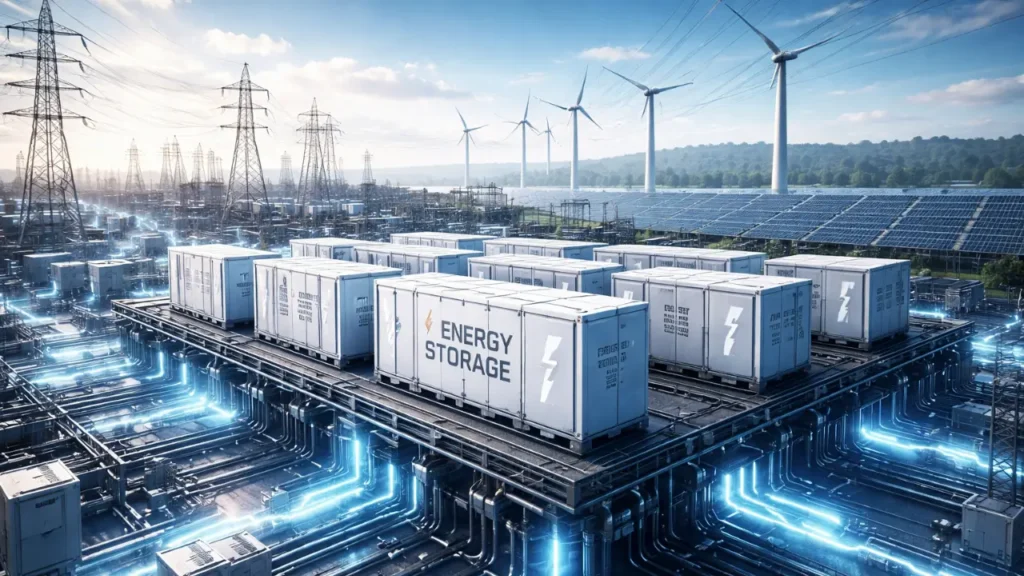
The modern power grid is undergoing transformation at a pace that was once considered radical only in theory, where the

AI compute clusters and data centers are viewed as massive, inflexible electricity consumers. The dominant narrative has been straightforward: AI

I. Rethinking the Bigger-Is-Better Narrative Over the past decade, artificial intelligence has advanced under a dominant narrative of bigger, faster,
The next transformation is unfolding inside the world’s most advanced computing environments, and it does not begin with new hardware

The modern economy operates with quiet intensity, driven not only by factories, ports, and highways, but also by expansive server
Armada has joined the VAST Cosmos Community through a partnership with VAST Data. The companies aim to accelerate the rollout
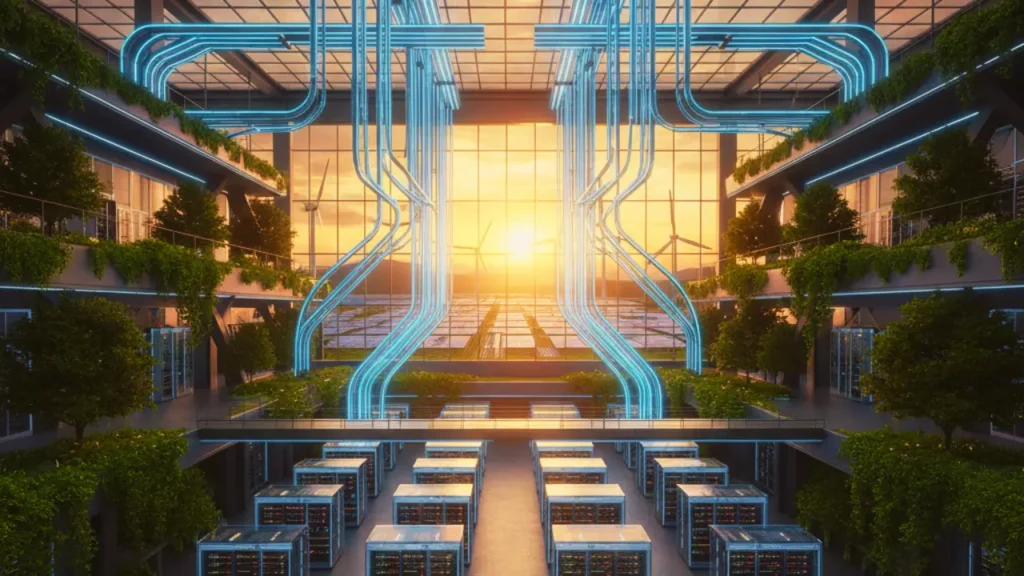
Colocation data centers are central to the global digital economy, and the shift toward clean energy colocation data centers is

As artificial intelligence workloads scale exponentially, the energy demands of large AI clusters are becoming a major challenge for electric
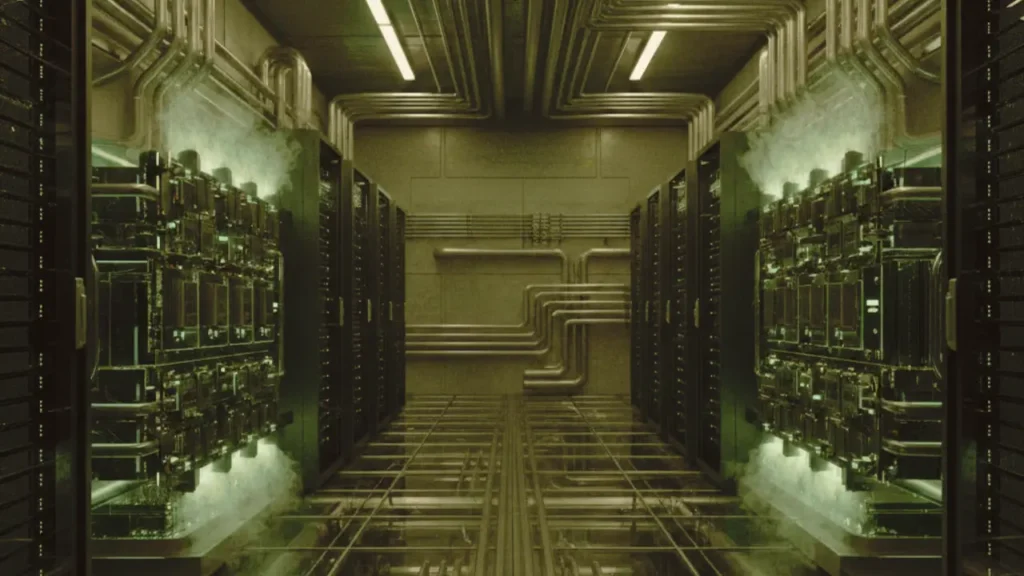
As data centers evolve to support generative artificial intelligence and high-performance computing, the thermal management challenge is moving beyond incremental
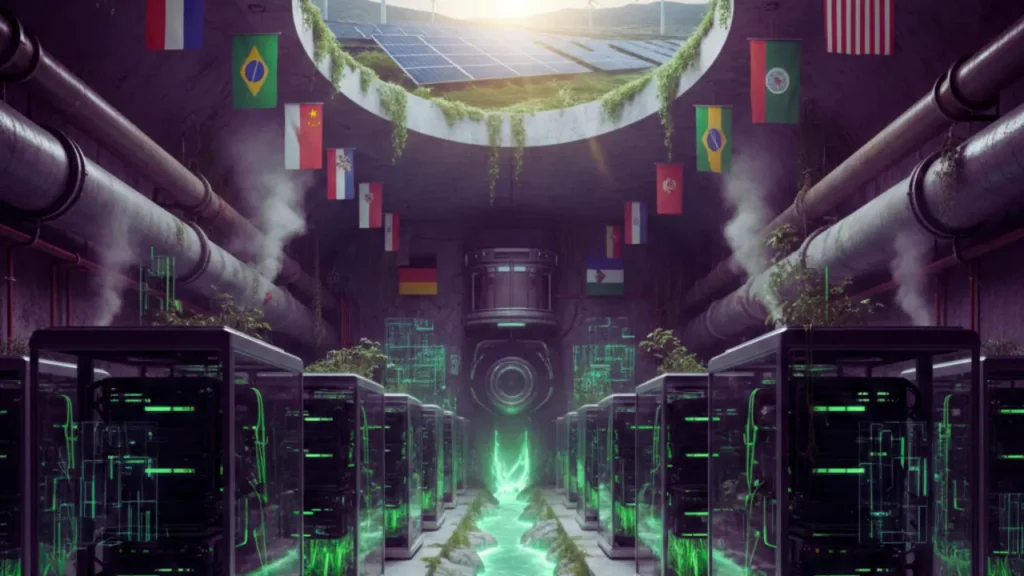
In 2026, the global map is changing through “compute corridors”. Artificial intelligence has evolved from a Silicon Valley novelty into

The recent expansion of the Agentic AI Foundation under the umbrella of the Linux Foundation has generated headlines about collaboration,
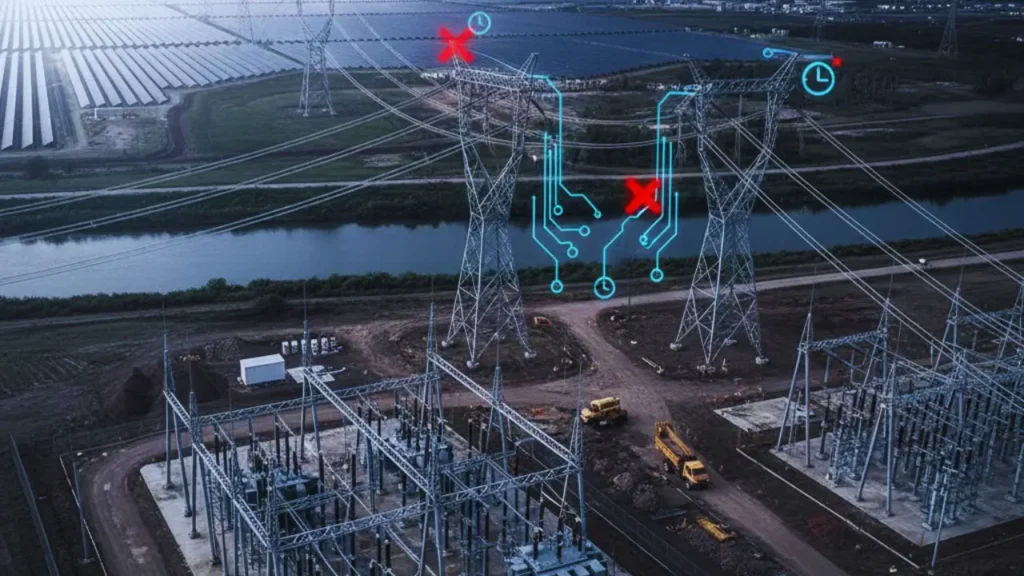
Companies can secure funding, land, construction crews, and multibillion-dollar commitments for new data centers. However, a new reality has emerged:
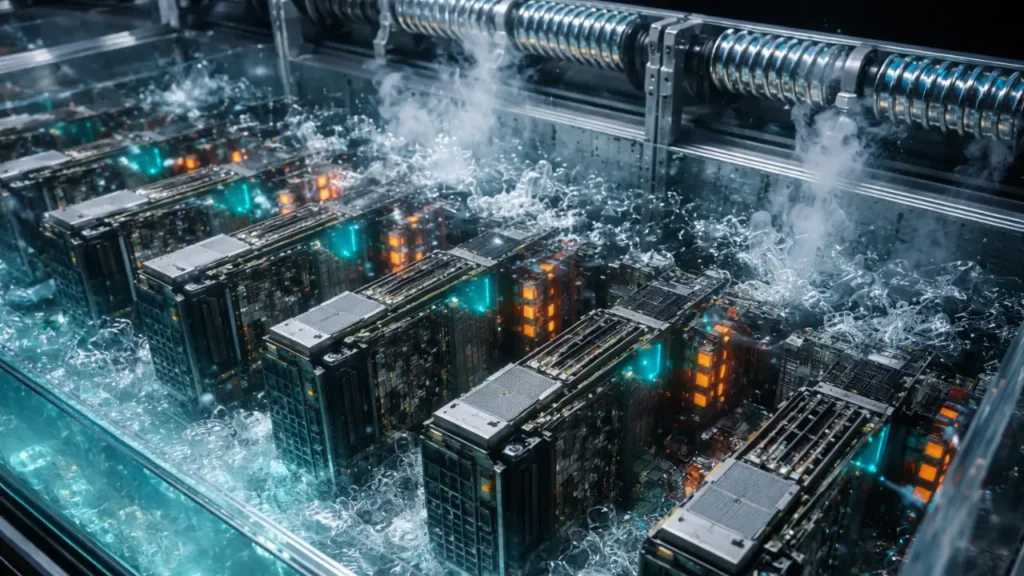
Modern compute systems confront a rising imperative: neither chips nor racks willingly endure the heat generated by escalating workload complexity

The Myth of the Infinite Cloud Grounded Cloud Computing challenges the notion of cloud as a limitless, abstract resource, emphasizing
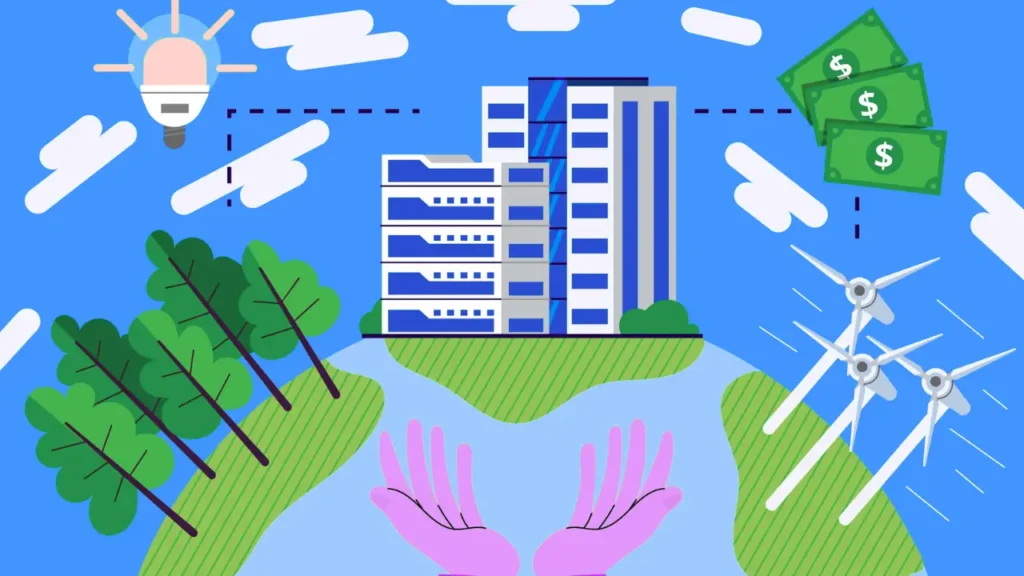
Major technology companies have set ambitious renewable energy goals and often claim to operate with “100 percent renewable energy.” On
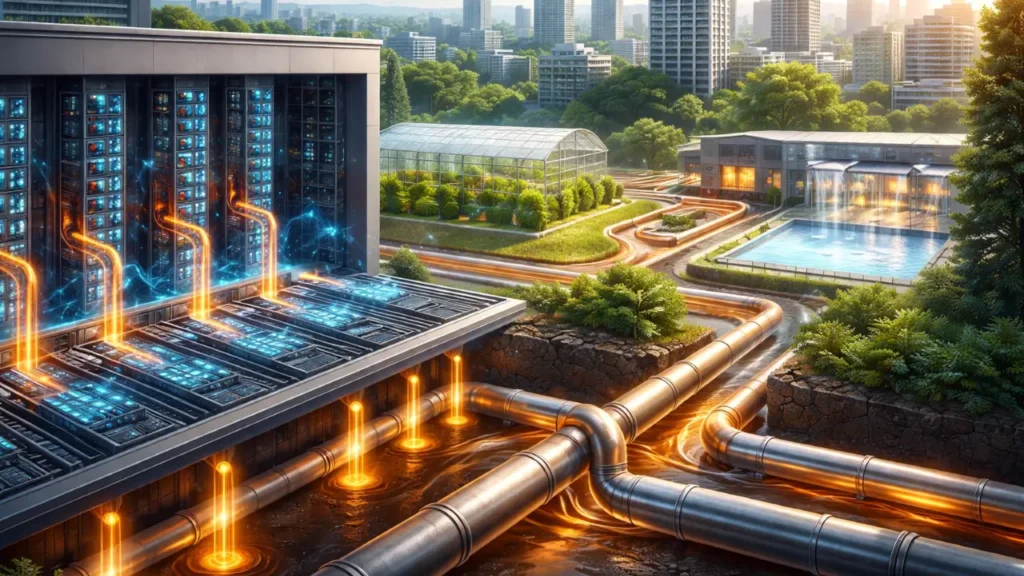
Cities rarely notice the invisible exchange taking place inside their digital backbone, yet every search, simulation, and streamed interaction generates

As models grow larger and training cycles intensify, the physical limits of infrastructure are becoming impossible to ignore. High-density GPU

Engineers exploring physics-inspired computing for AI observe nanoscale materials as electrical currents reshape internal states in ways that resemble learning.

The inner workings of AI infrastructure seldom headline board meetings, though their environmental consequences reach far beyond the server racks.