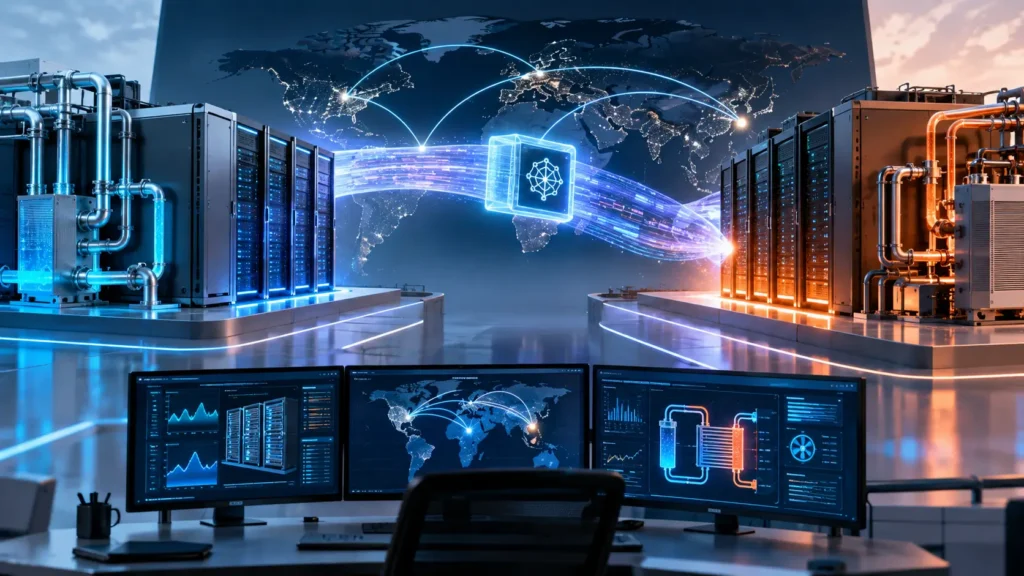
Can Your AI Provider Move Your Workload Without Moving Its Cooling?
A workload can look remarkably portable from a software console, right up until someone asks what happens to the heat

A workload can look remarkably portable from a software console, right up until someone asks what happens to the heat

The hardest part of scaling AI may no longer sit entirely inside the processor. It is moving into the material
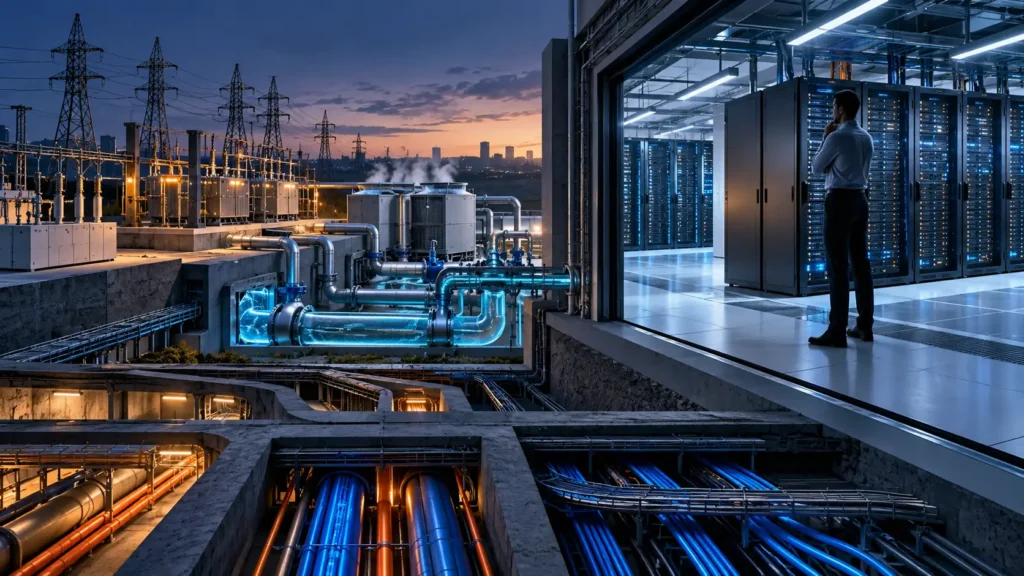
AI capacity can look available long before the surrounding infrastructure is ready A customer can see empty rack positions, available
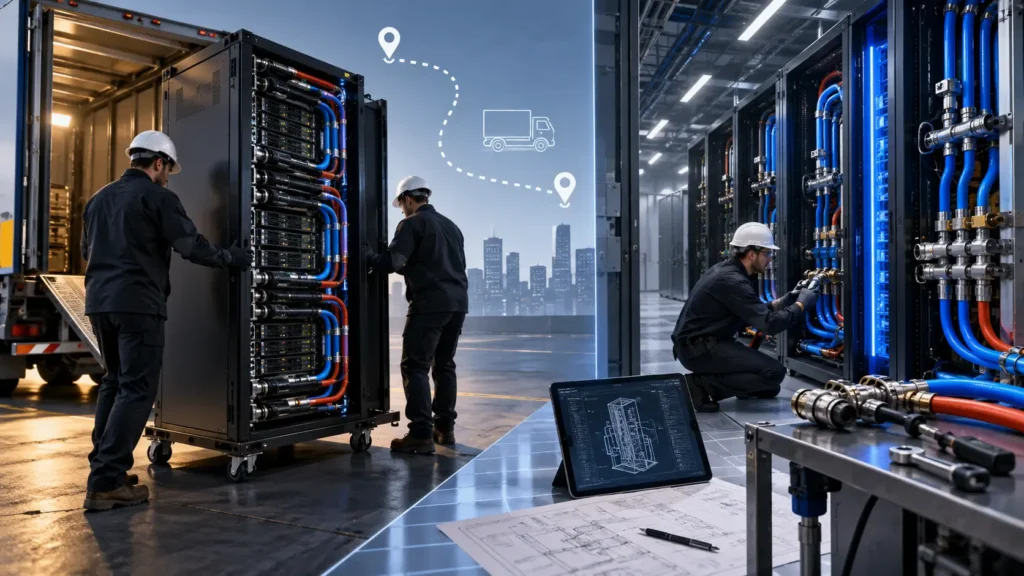
An AI infrastructure contract can appear portable while the physical deployment tells a different story. A customer may control its
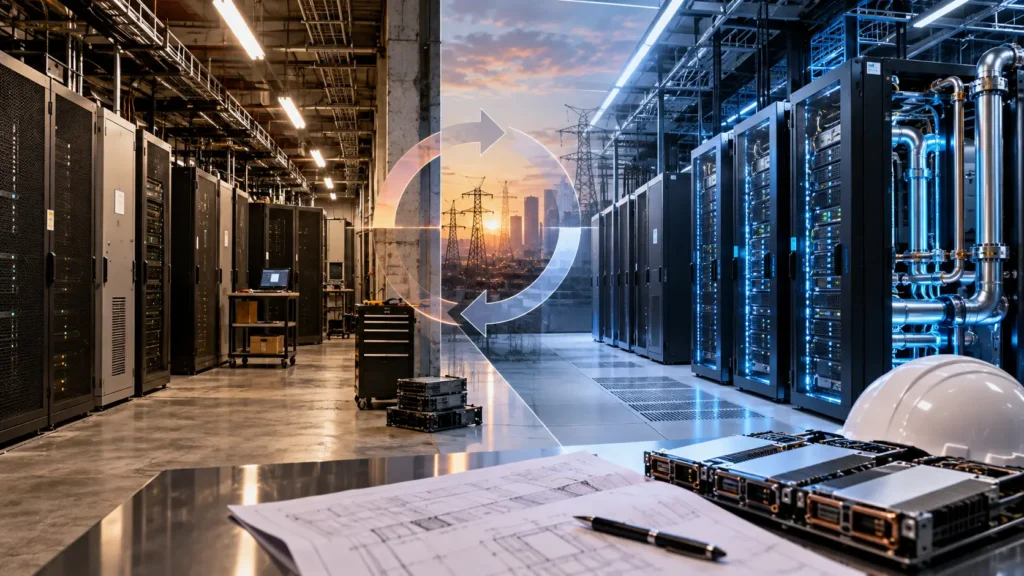
A new facility can offer efficient cooling, dense compute halls, updated electrical systems, and infrastructure designed for accelerated computing. That

A large compute site no longer begins its relationship with the power system at the utility meter. The electrical architecture
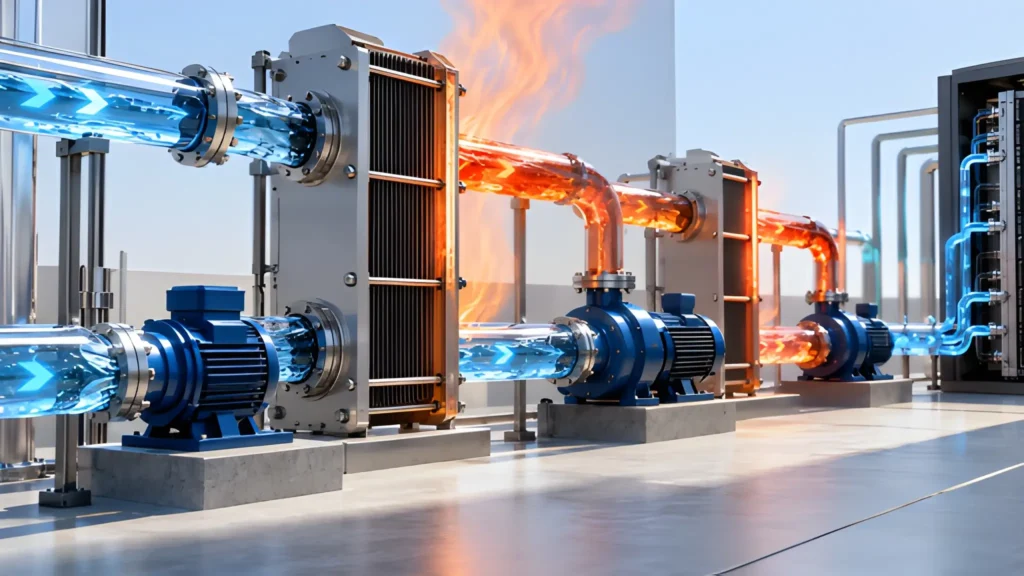
A liquid-cooled rack can look remarkably simple when its thermal path runs from silicon to coolant and from coolant to
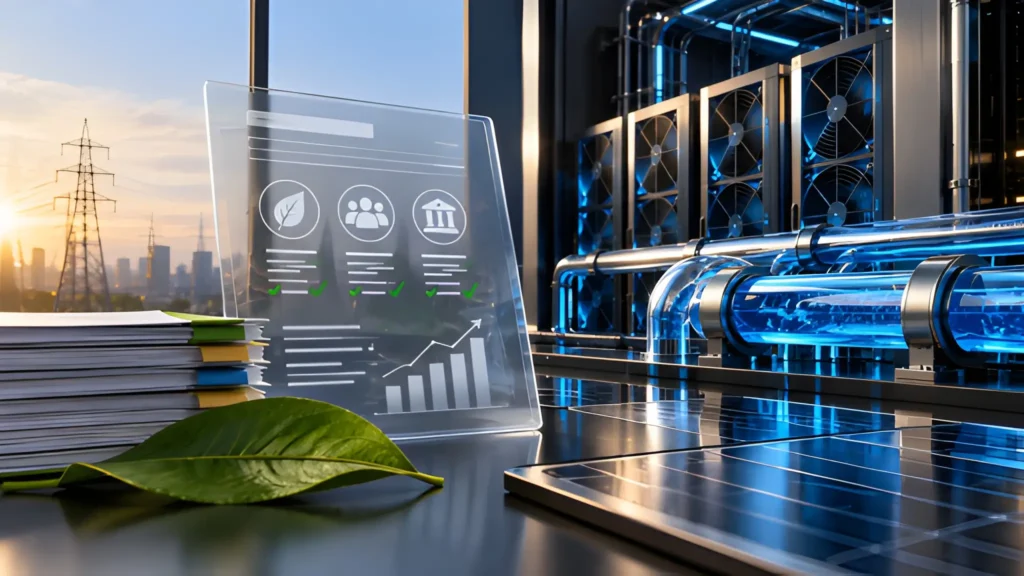
A high-density rack changes more than the electrical design around it; it changes what sustainability data needs to explain. When
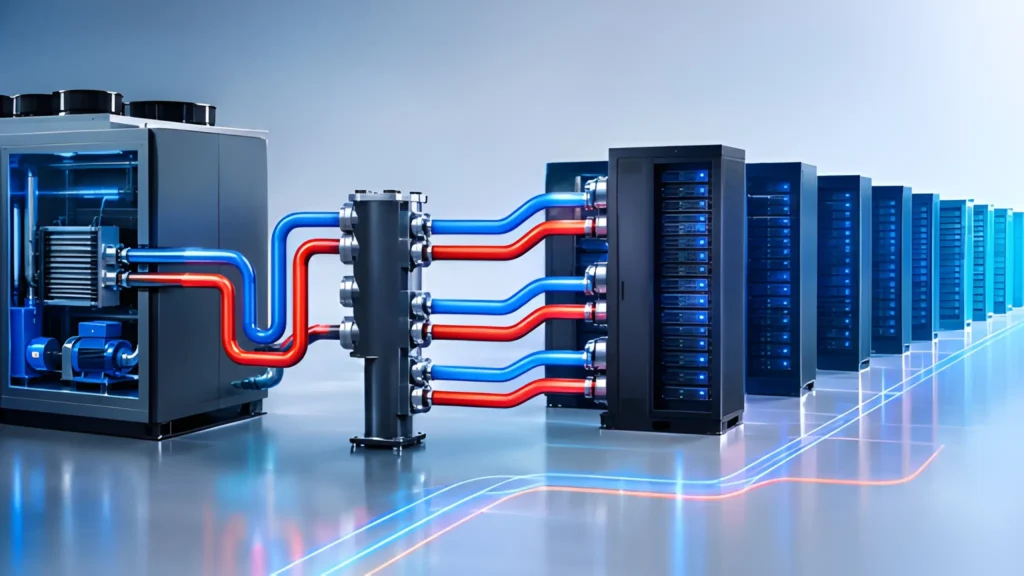
The next GPU cluster does not arrive alone. It enters a cooling loop that already has its own resistance, pressure
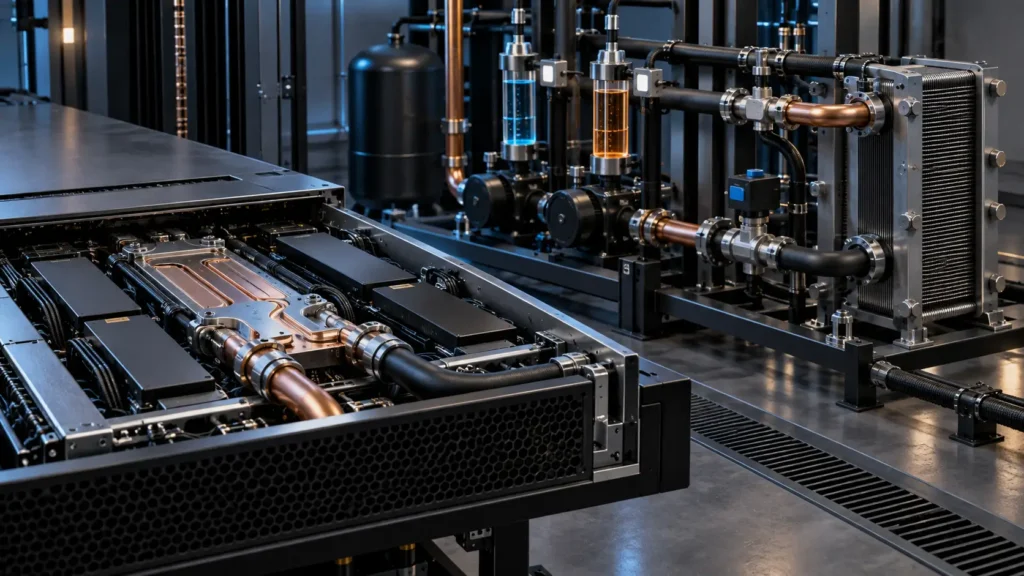
The Upgrade Begins Before the GPU Arrives The purchase order may describe processors, memory, interconnects, and software licenses, yet a
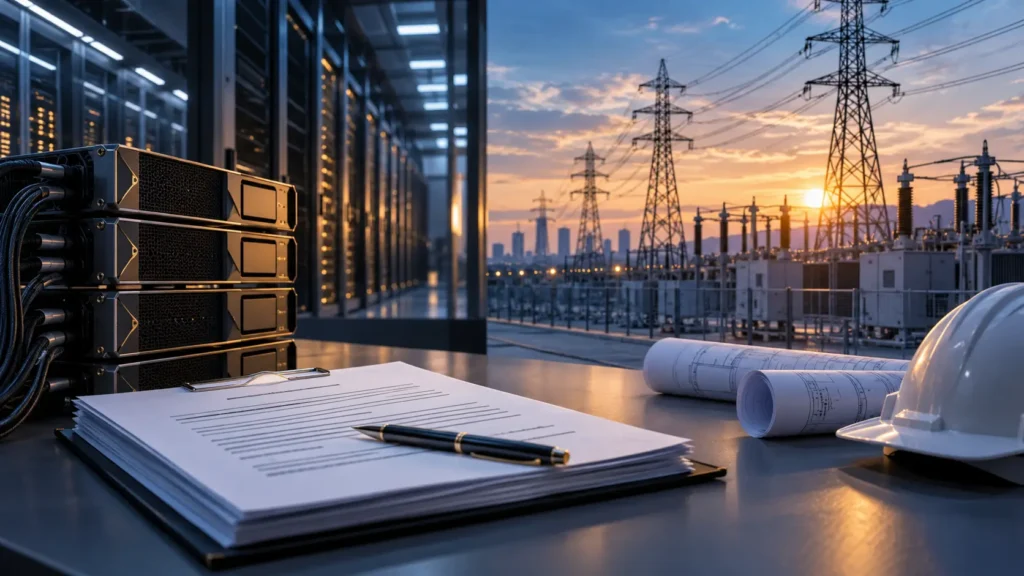
The compute contract may be moving faster than the electricity system AI infrastructure procurement can require customers to commit to
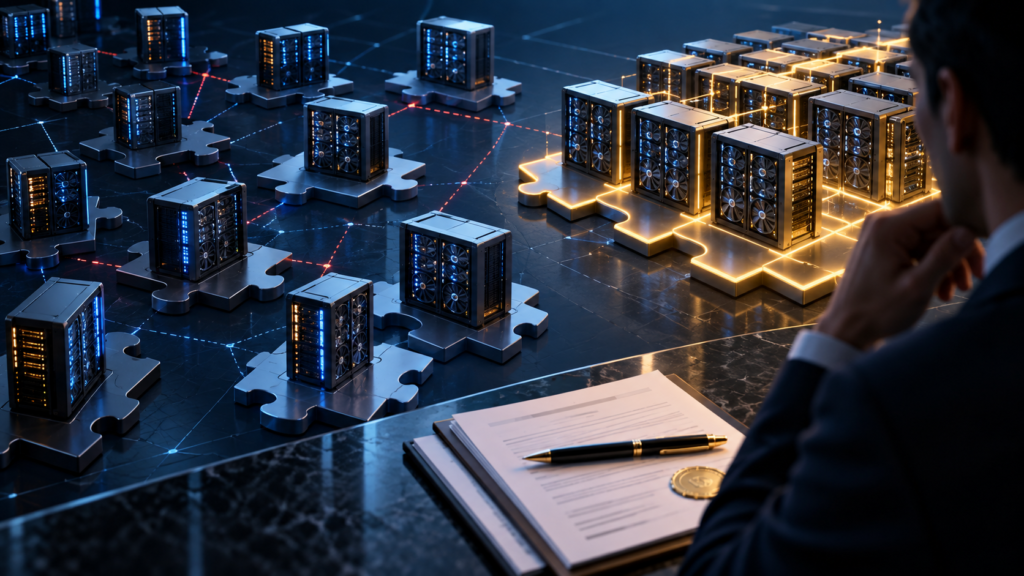
A customer can have access to thousands of GPUs and still face a placement constraint. The problem emerges when a

A number can look enormous before anyone asks what it is being measured against. That is increasingly true in debates

An AI infrastructure contract can look efficient while leaving an important sustainability question unanswered. How much physical capacity sits available
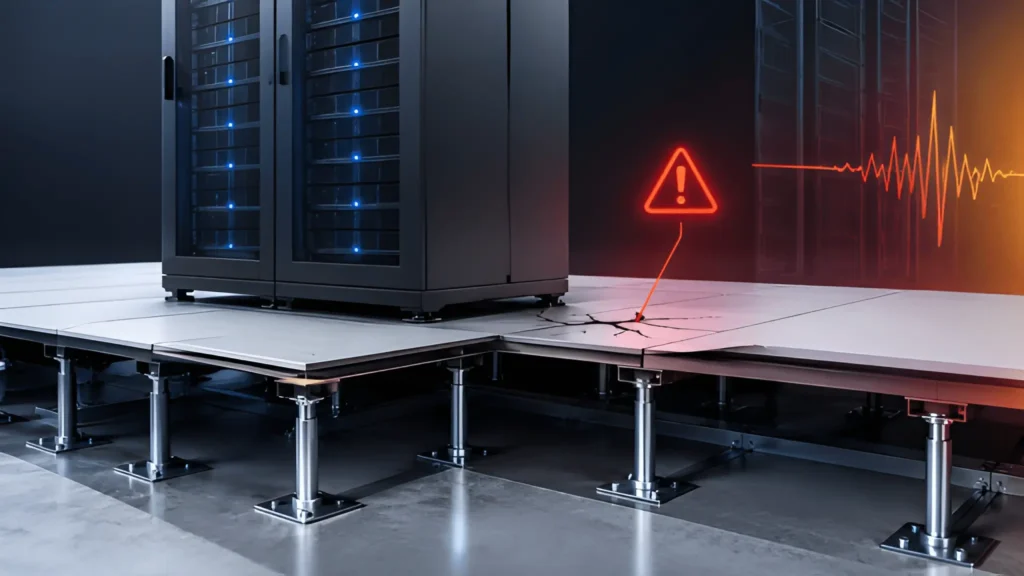
AI retrofit discussions often begin with megawatts, cooling capacity, network density, and available white space, yet the structure beneath the

The Most Valuable Part of a Summit Is Rarely on the Invoice A conference ticket can buy admission, a badge,
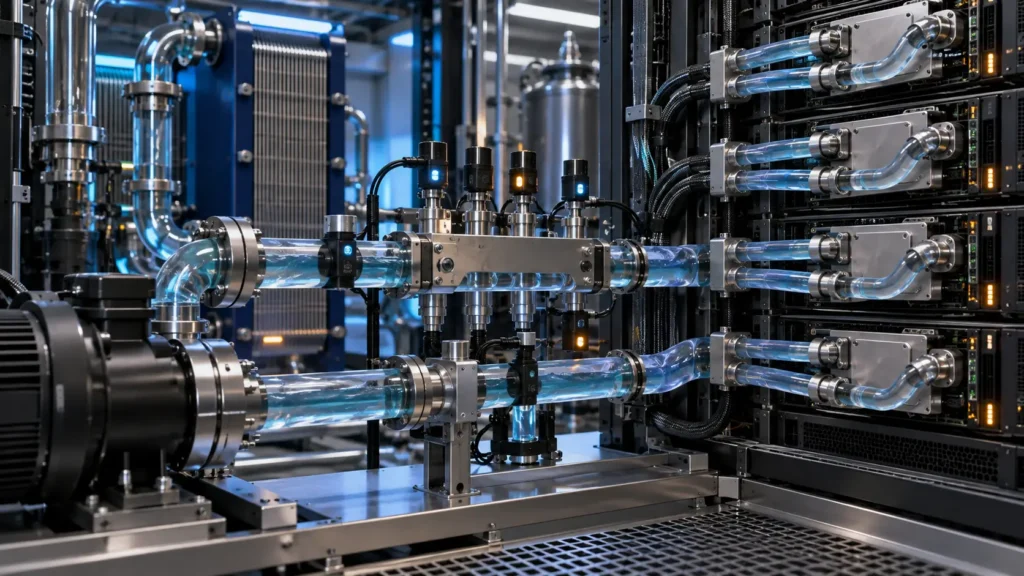
An AI customer can reserve accelerators, network capacity, and storage without receiving a clear promise about cooling performance. That gap

AI infrastructure is entering a phase where the most expensive component is no longer necessarily the component that defines the
Arc faults become difficult engineering problems when electrical systems combine high energy, long conductors, switching electronics, and connections that must
A PUE target can look like a straightforward number on a performance sheet, yet the engineering choices behind that number
An inference invoice looks deceptively simple when it shows a GPU-hour, a token rate, or a monthly commitment. The number
An AI data center can remain structurally useful even as much of the computing equipment inside it becomes commercially outdated.

A neocloud announcing another campus or GPU cluster can sound like straightforward good news for existing customers. More infrastructure creates
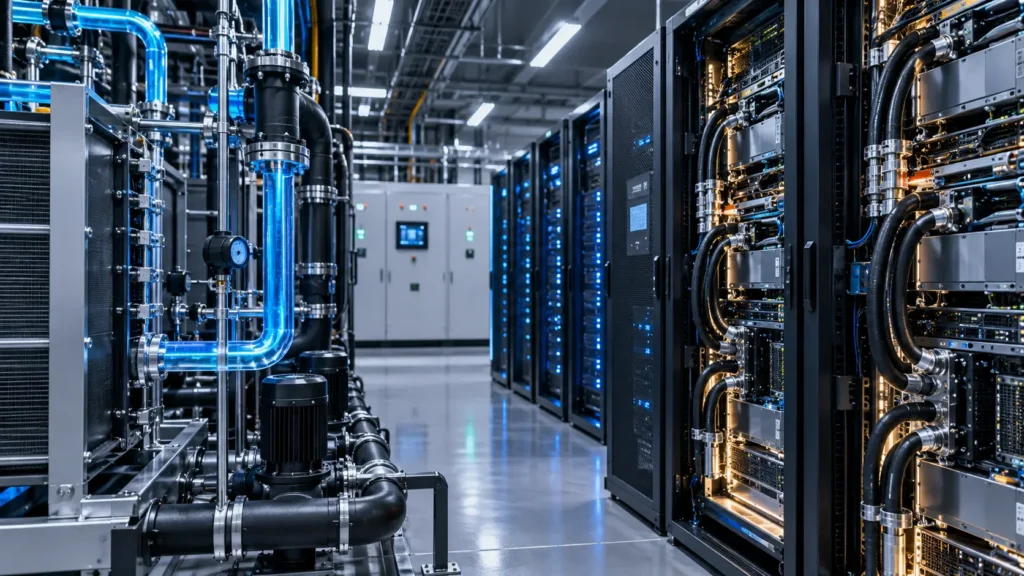
An AI buyer can reserve racks, secure GPUs and sign for megawatts, yet still face a basic infrastructure question. Can
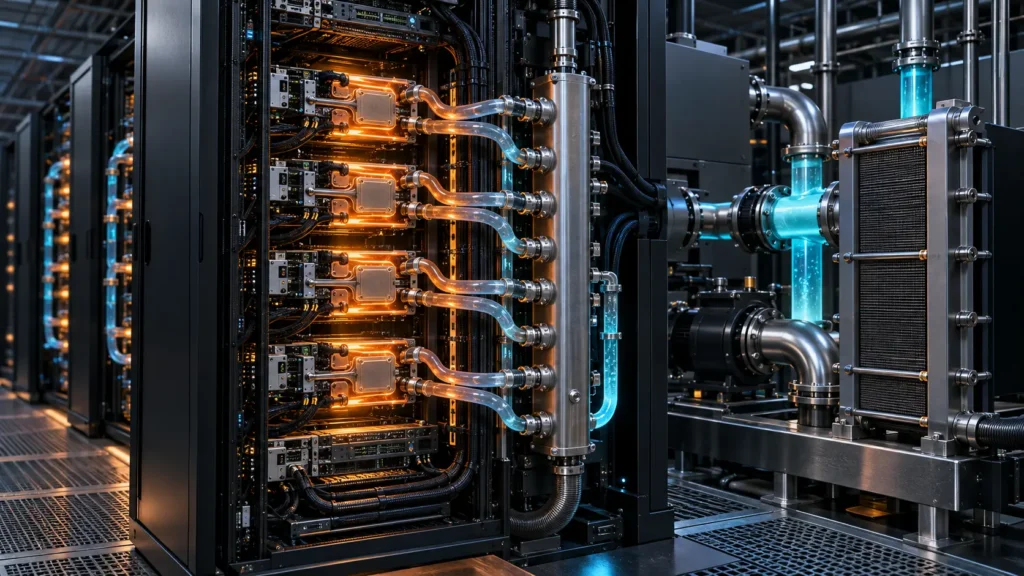
A compute contract can appear complete while leaving one major operating boundary undefined. That boundary covers the heat the contracted
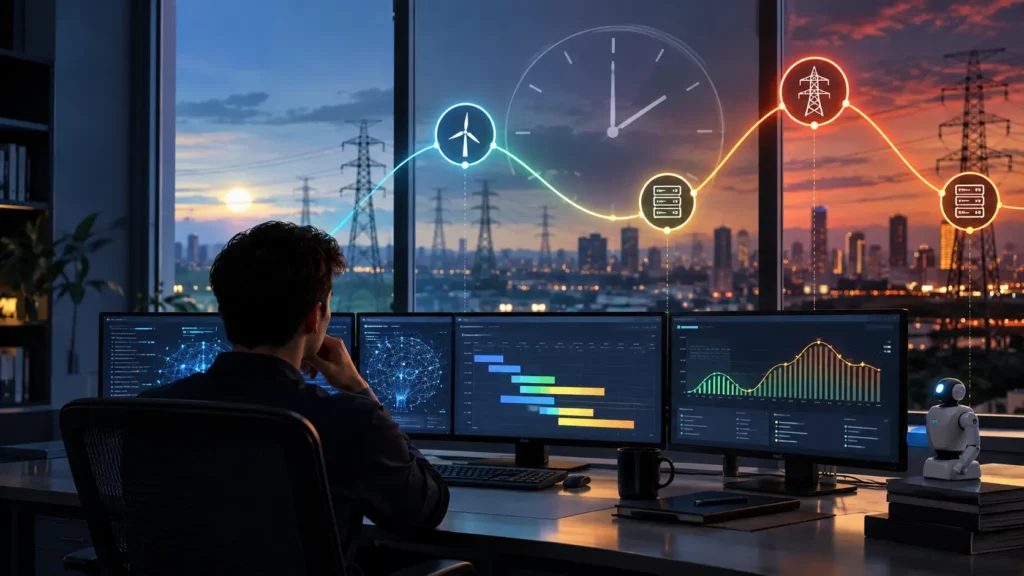
The AI Compute Bill May Need a Clock AI customers have become accustomed to thinking about compute through familiar commercial
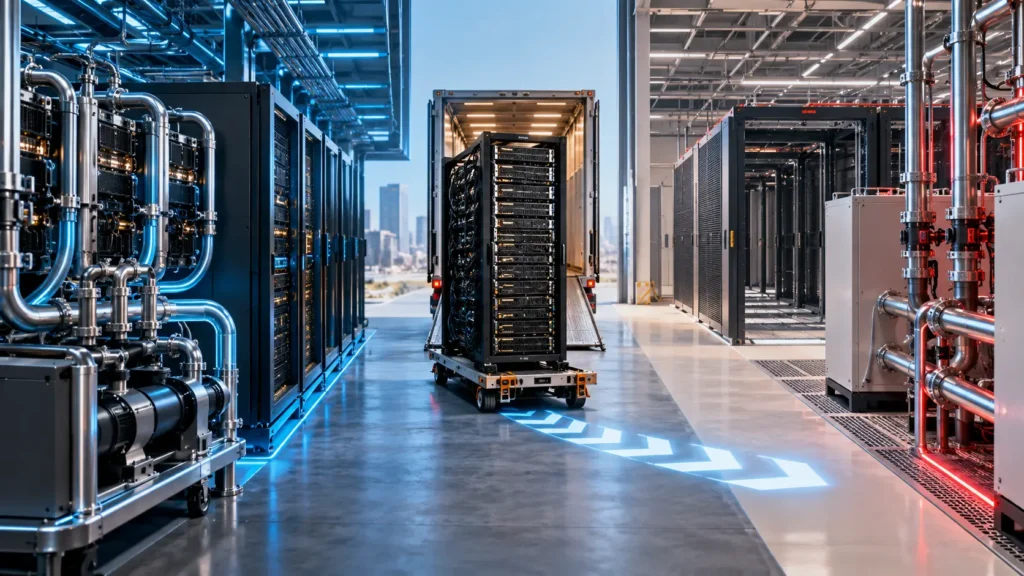
Cloud infrastructure has changed how technology buyers think about moving compute when business requirements shift. Applications can move between clusters,
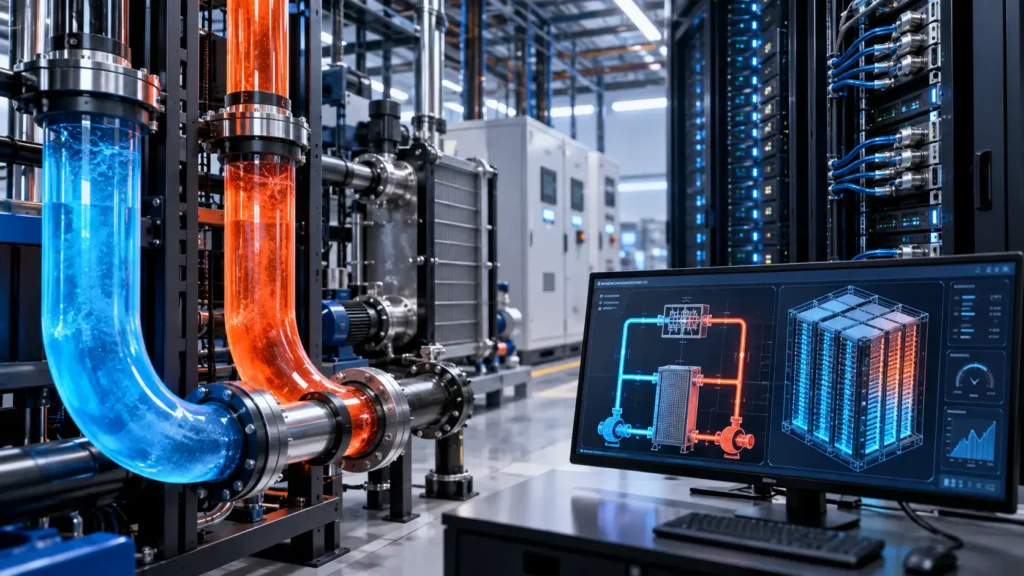
AI buyers often negotiate GPU availability, network performance, power commitments, deployment dates and service levels first. Yet another constraint can
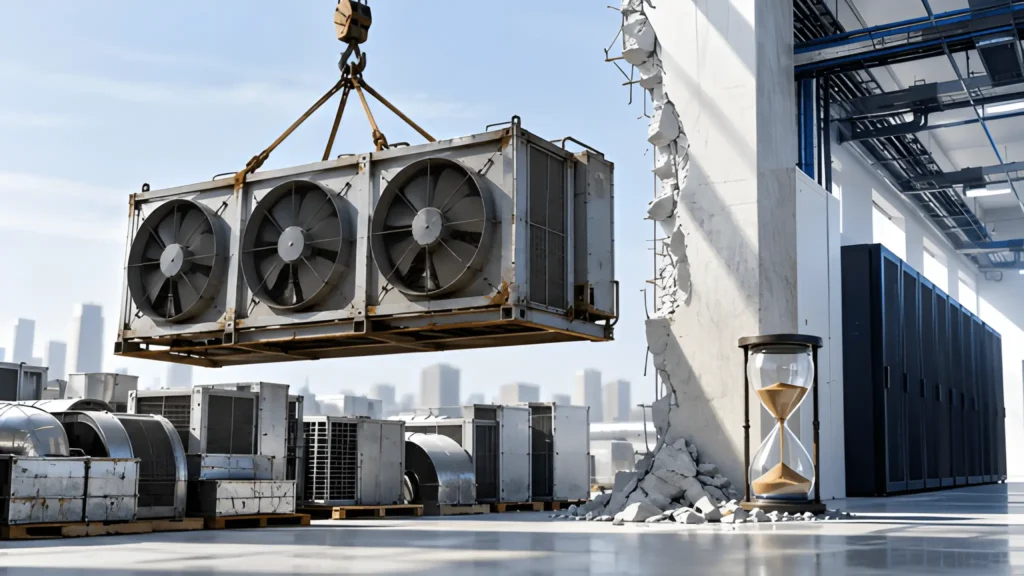
A data center does not become obsolete only when its fans stop turning or its chillers refuse to start, because
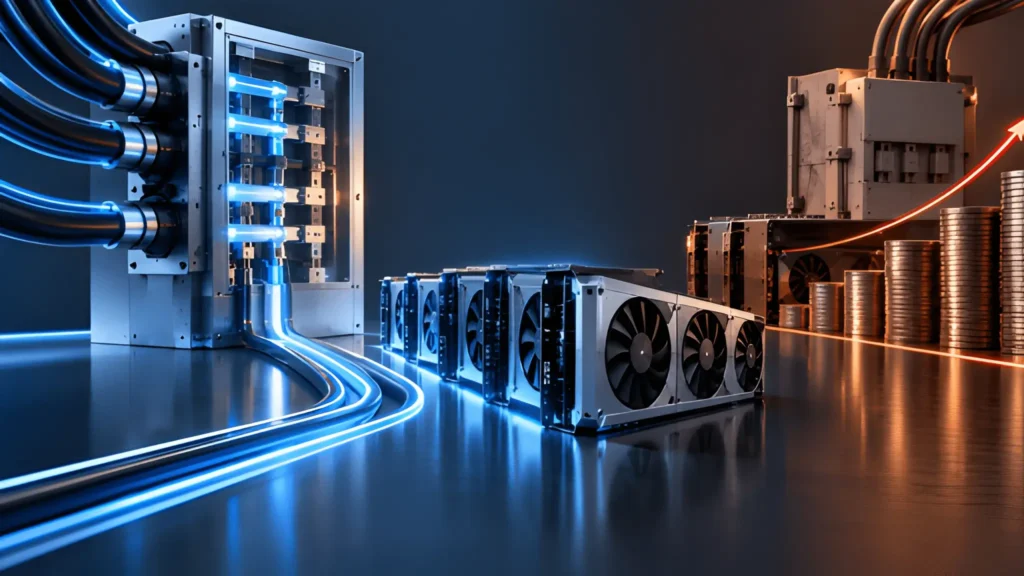
A power architecture decision can carry costs beyond initial equipment pricing because the selected topology affects conversion equipment, distribution infrastructure,
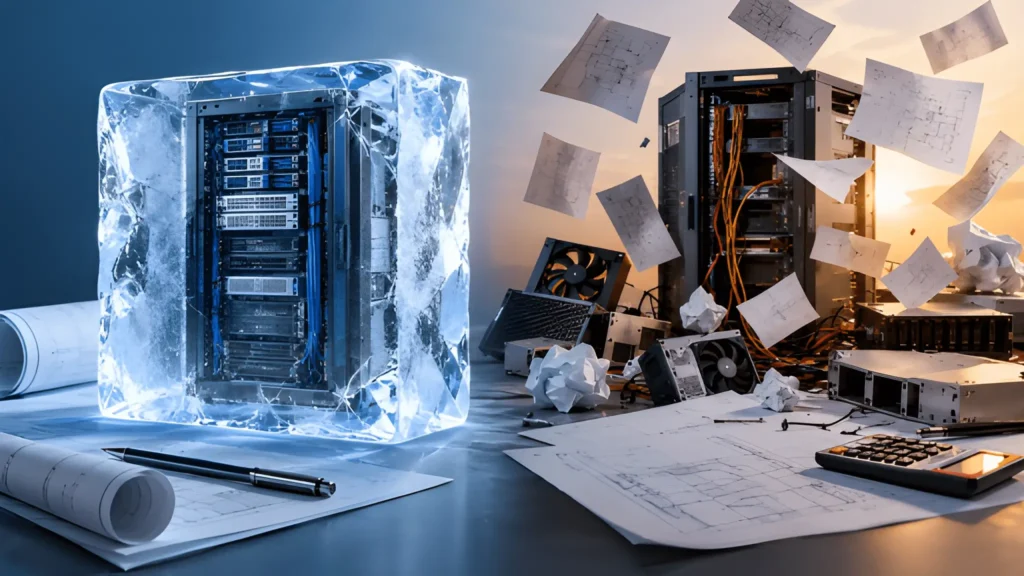
A rack specification can change on paper in minutes, while the infrastructure supporting it may take months to catch up.
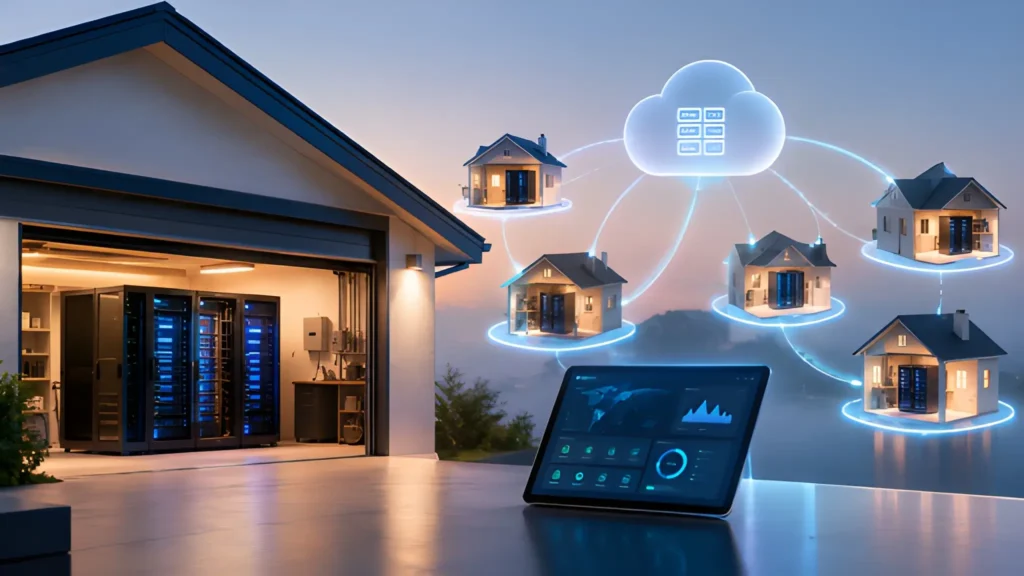
A compute node sitting behind a garage door can perform the same basic computational work as equipment inside a purpose-built

The most difficult question facing the data center industry may not be how much power, water or land computing consumes.
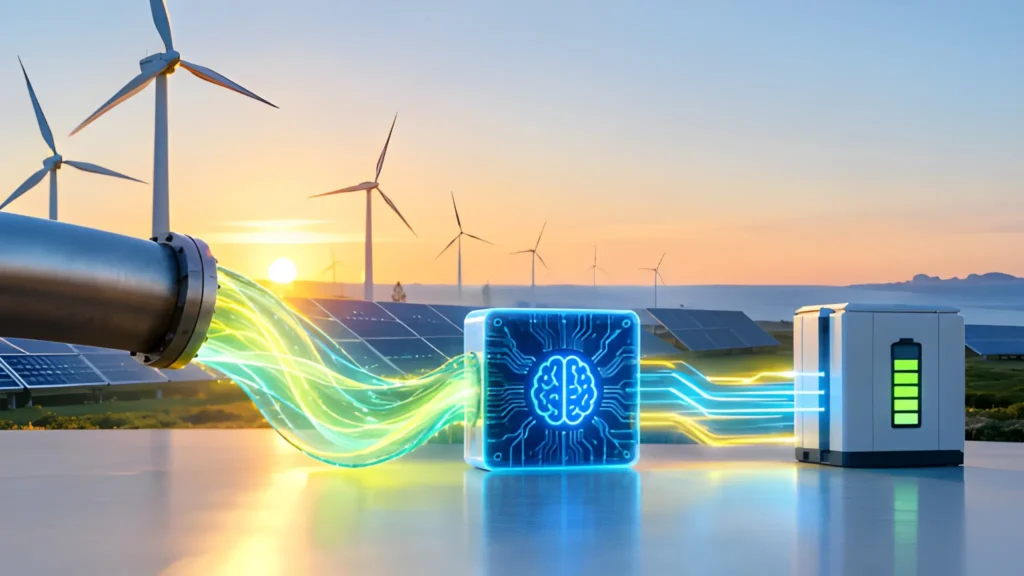
A growing body of research is examining electricity availability as a computing variable rather than treating data-center demand as entirely
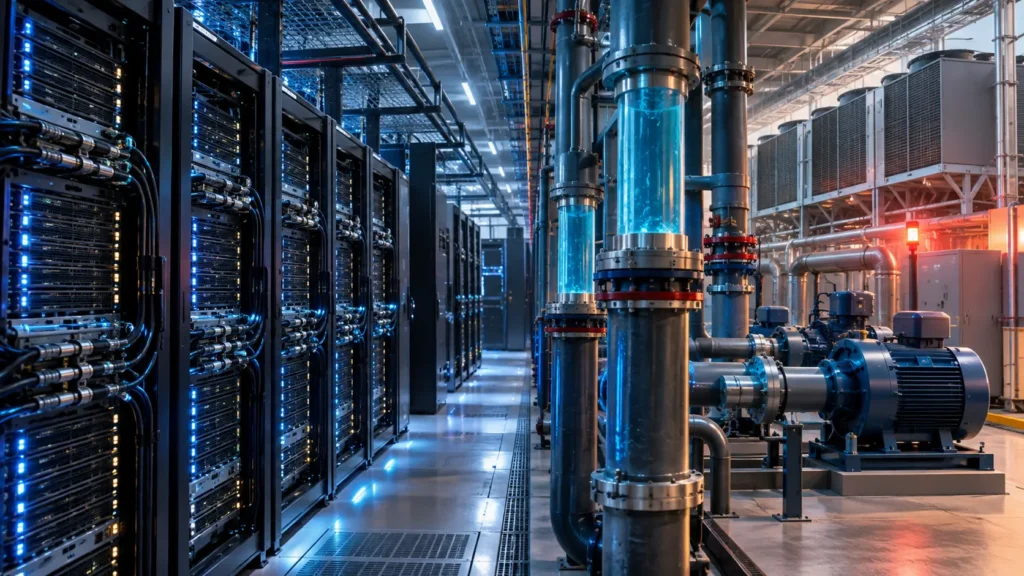
AI Resilience Is Becoming a Thermal Architecture Question A customer can buy redundant compute and still discover that the supporting
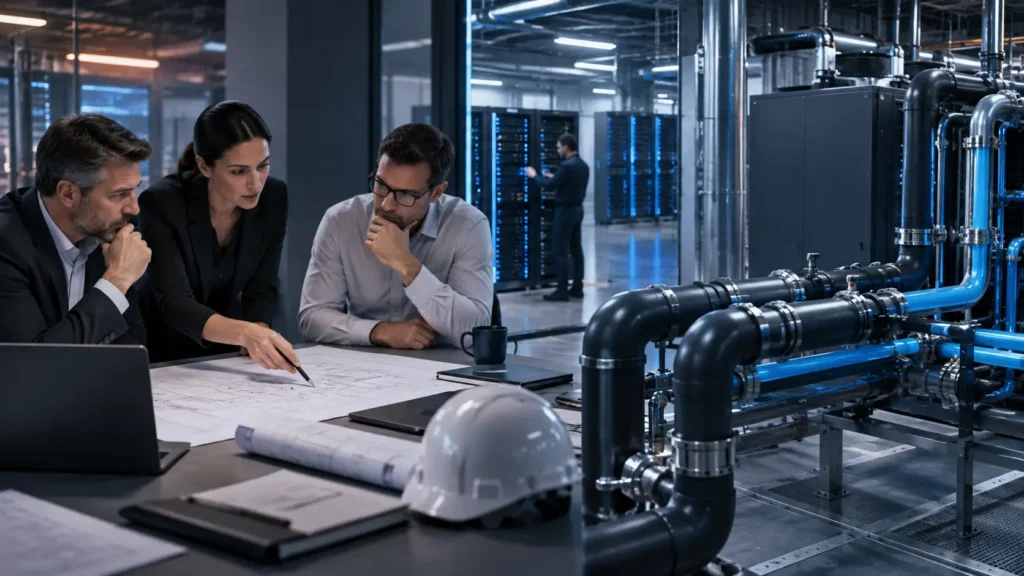
A compute contract can remain valid while the physical system beneath it becomes harder to operate. The problem begins when
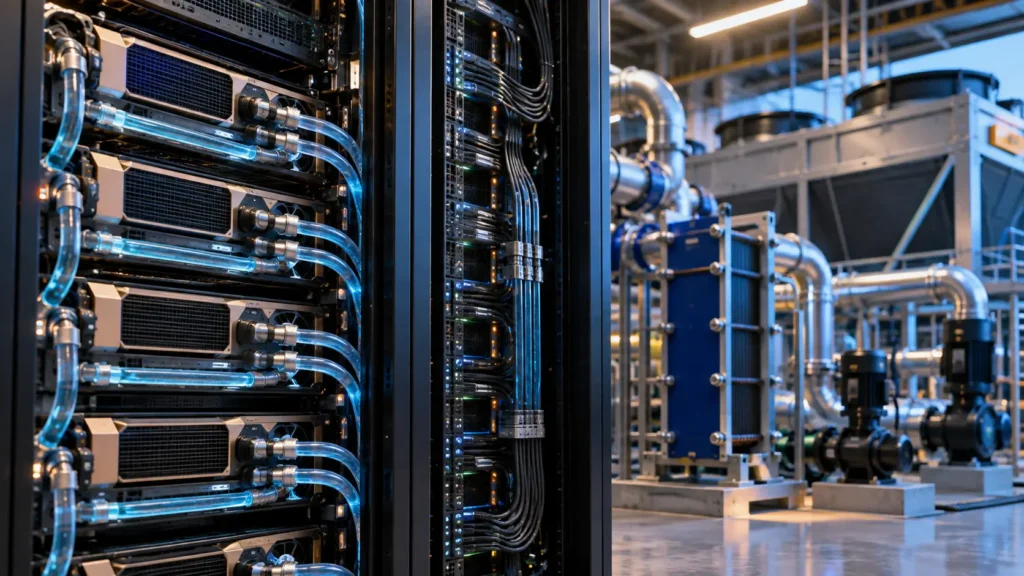
A contracted GPU count does not establish how much compute a facility can actually deploy. High-density accelerator systems also depend

A cooling system can look stable from the outside while its most chemically important material keeps moving through a much
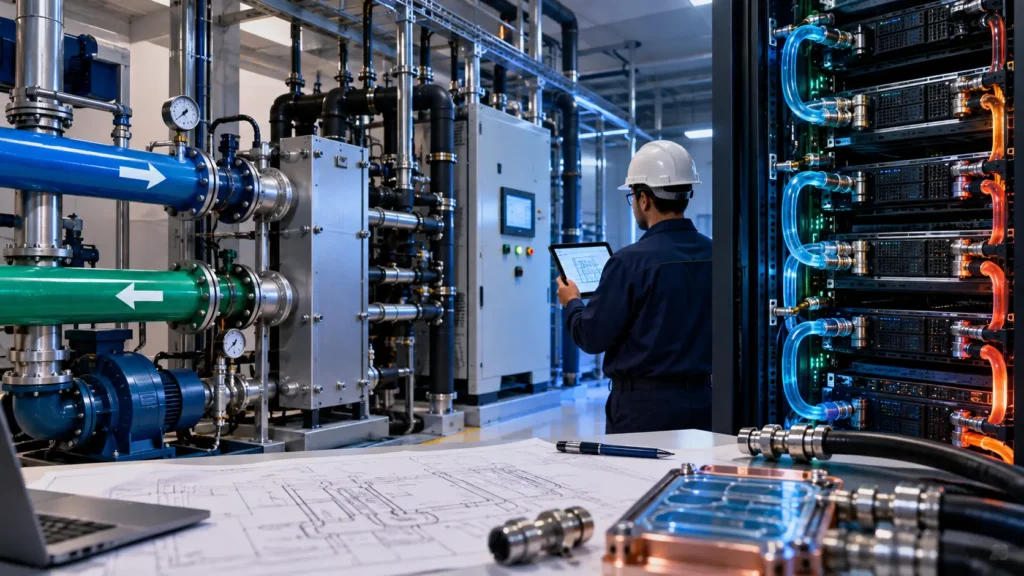
A liquid-cooled AI data center can reach an uncomfortable point even when every major component appears technically sound. The CDU
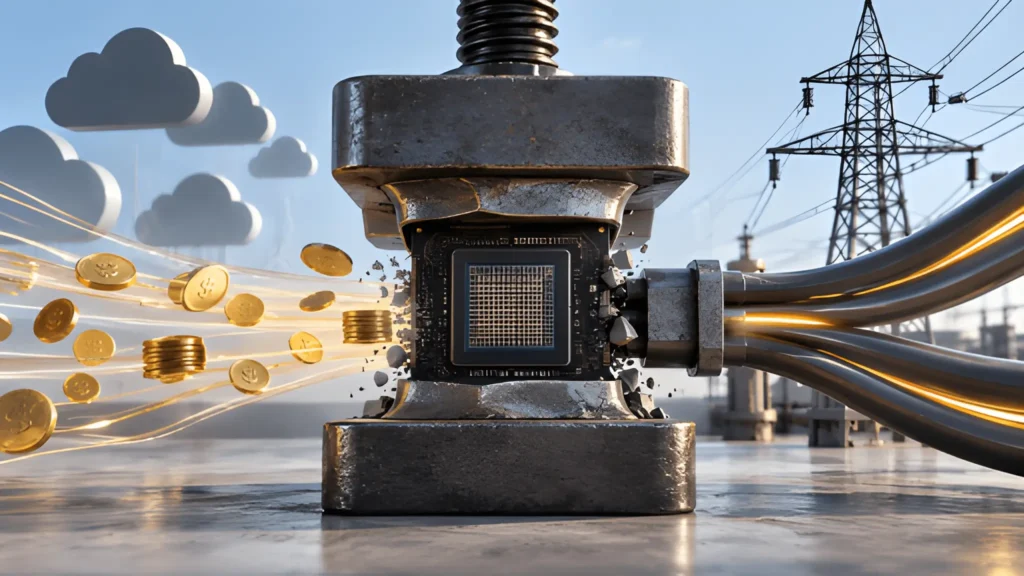
A GPU price can fall on a website without the economics underneath it becoming cheaper. That is the first problem
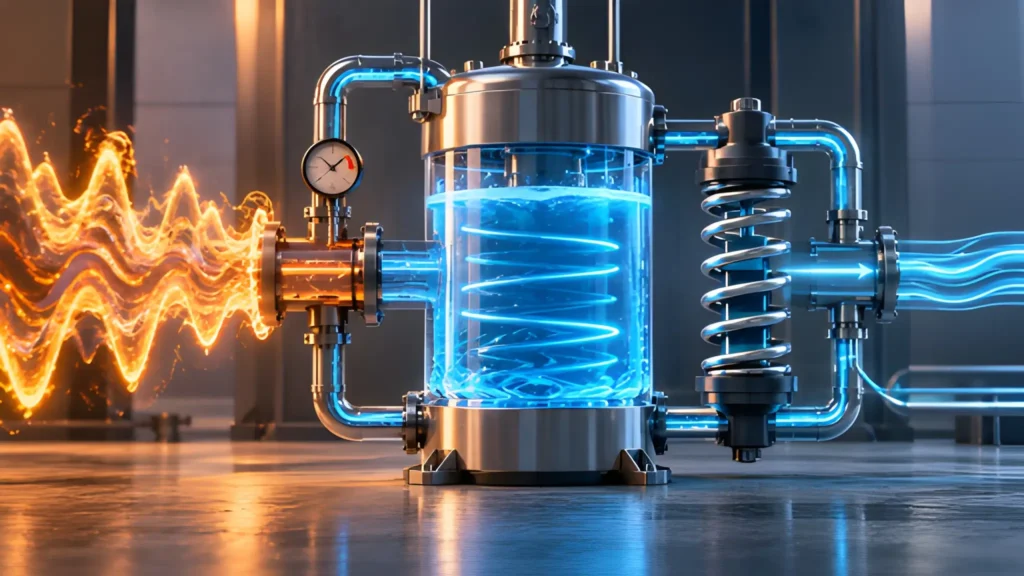
AI cooling failures are increasingly shaped by timing rather than simply by the amount of heat a system must reject.
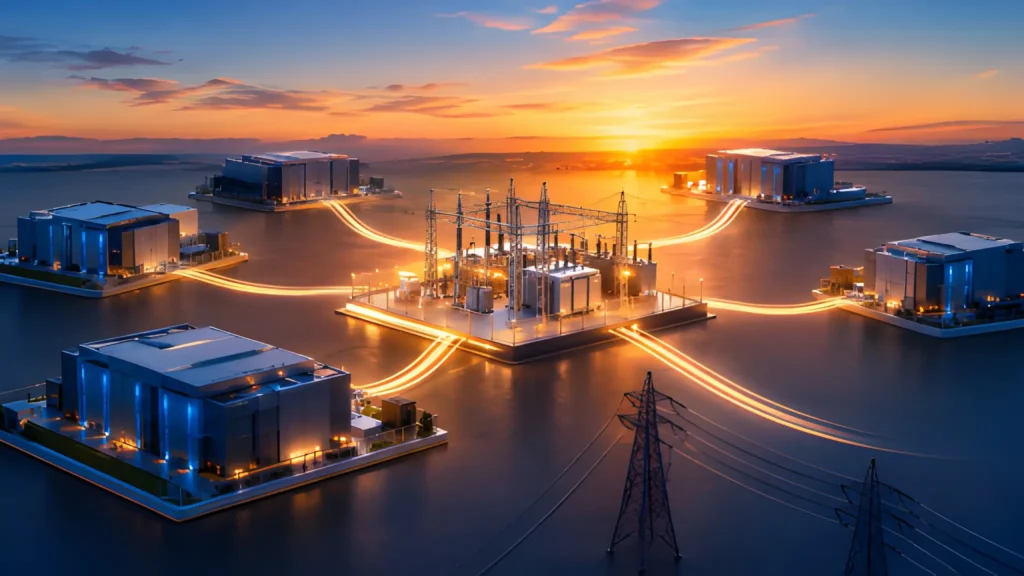
The Cluster Effect at the Substation Level ACA parcel can look electrically ready long before the grid around it is
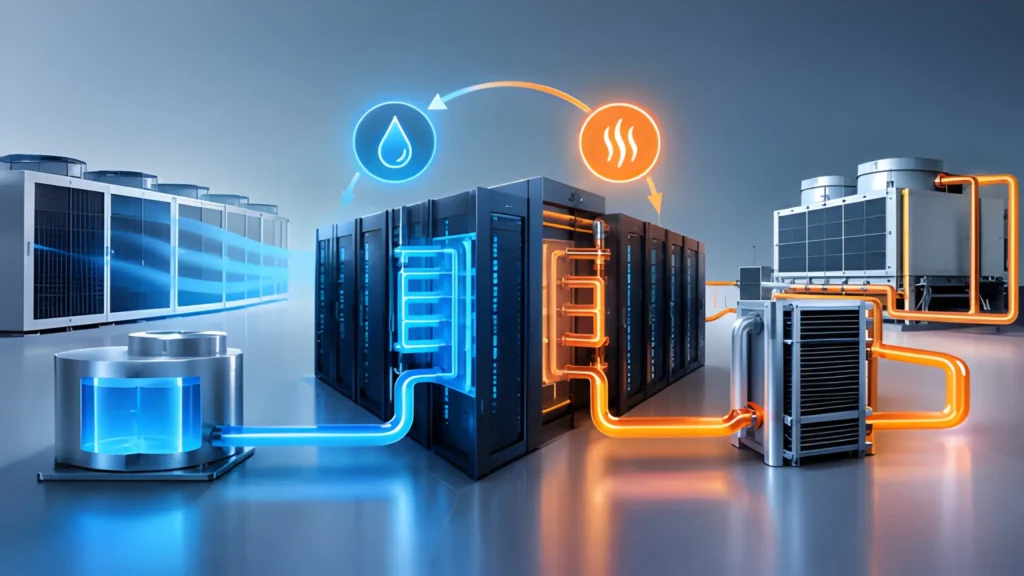
Air-side infrastructure became an easy target once rack heat densities began moving beyond the practical range of room-level cooling, but

The most difficult part of slowing artificial intelligence may no longer sit inside the models themselves. It sits in the
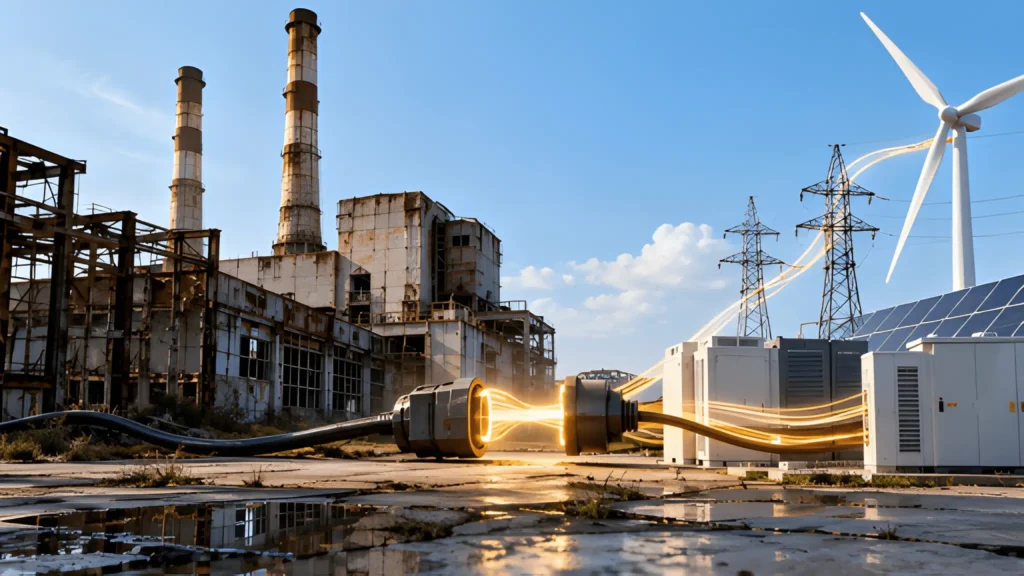
The most strategically relevant power site may not always be the one that still produces power. Across former industrial landscapes,
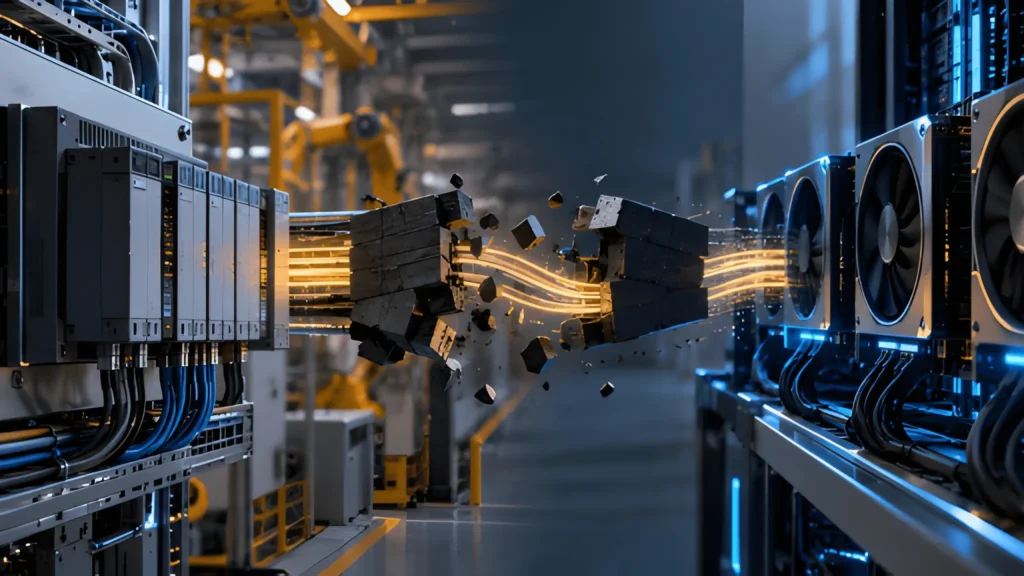
The first sign of a failed industrial AI deployment may not appear on the GPU at all. A model can
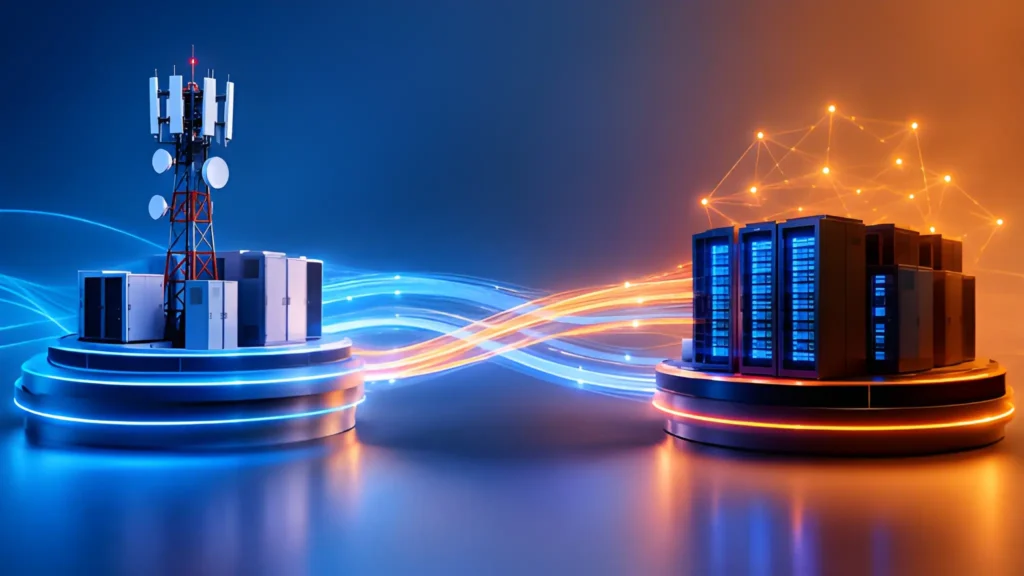
The most important change inside a telecom building may be the one that no longer looks like a telecom project.

Owning advanced compute can create the appearance of control long before an organization actually possesses it. A country can secure
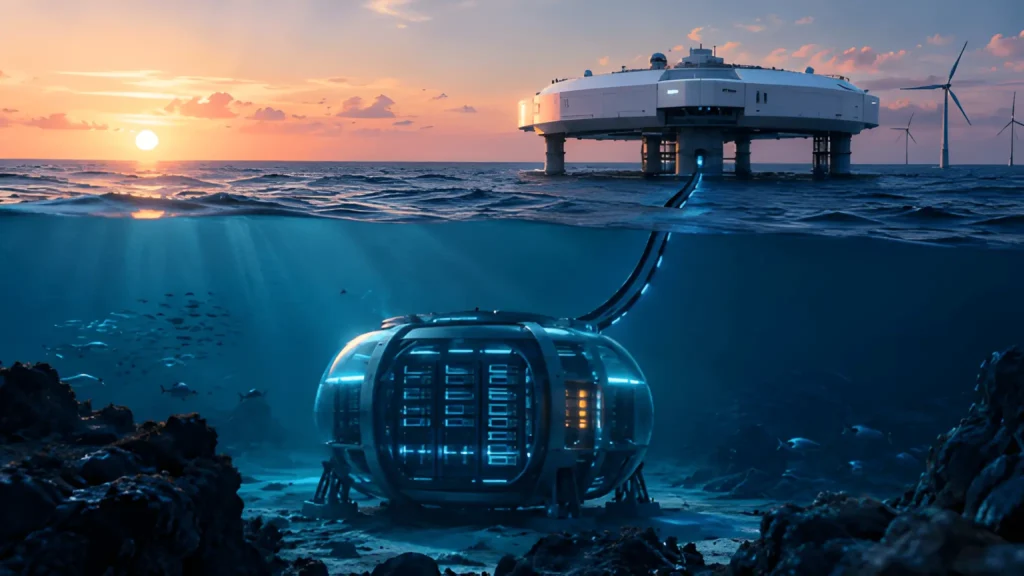
The most intriguing question about putting computing infrastructure in the ocean is not whether engineers can make a server room

A visible shift is emerging around data centers as some operators now provide controlled physical or guided tours that expose
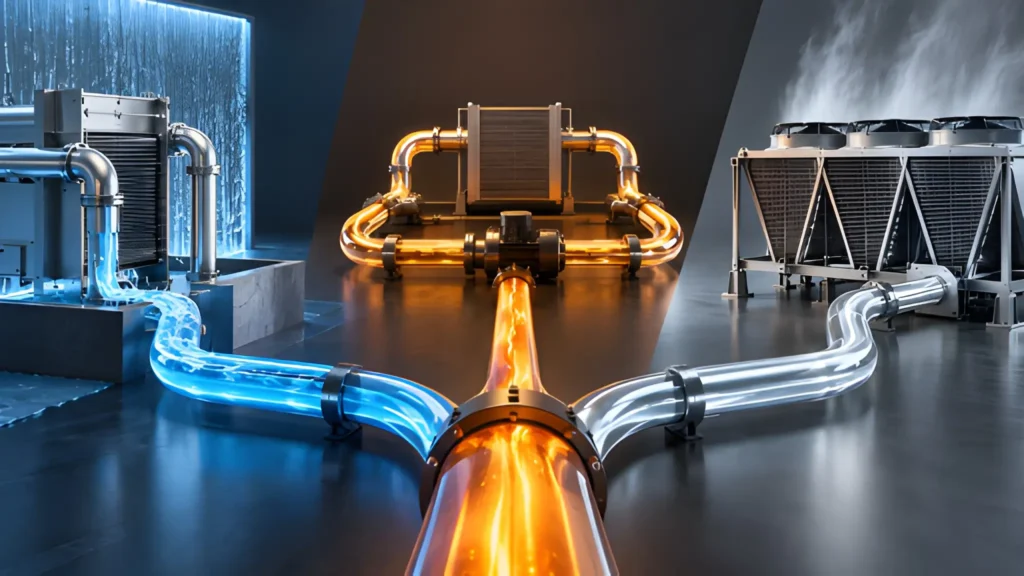
Rack density creates a thermal obligation that the rest of the cooling system must continuously satisfy, and the limiting factor
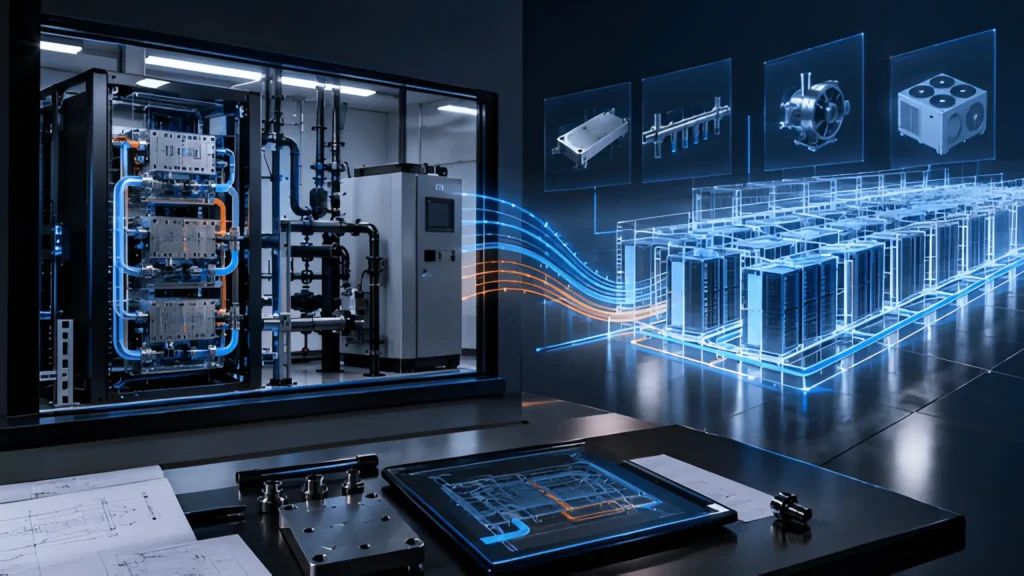
An AI factory can reach an advanced stage of construction before its cooling system has been validated as an integrated
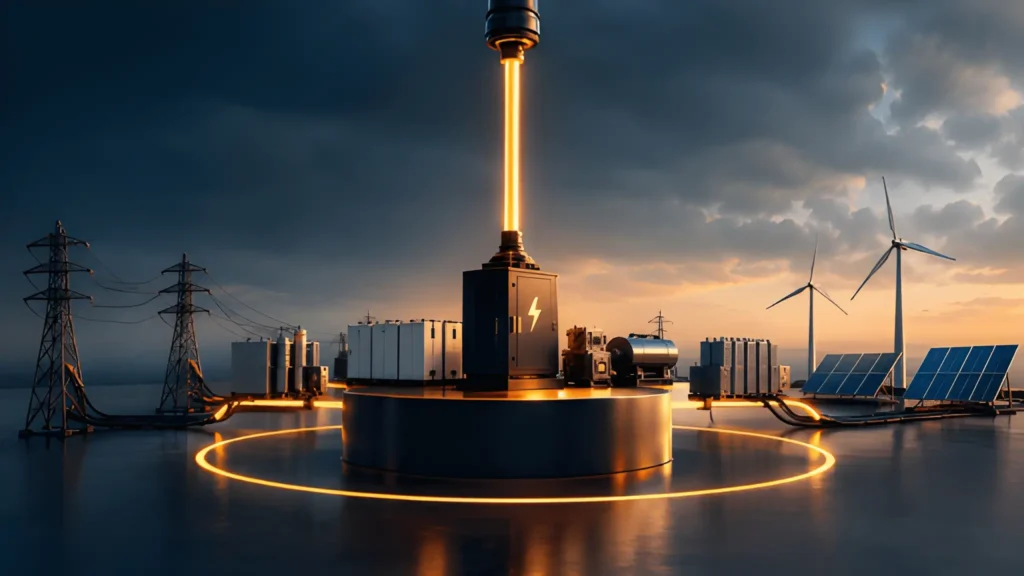
The moment an AI deployment depends on a power architecture that has never operated at its intended scale, the definition
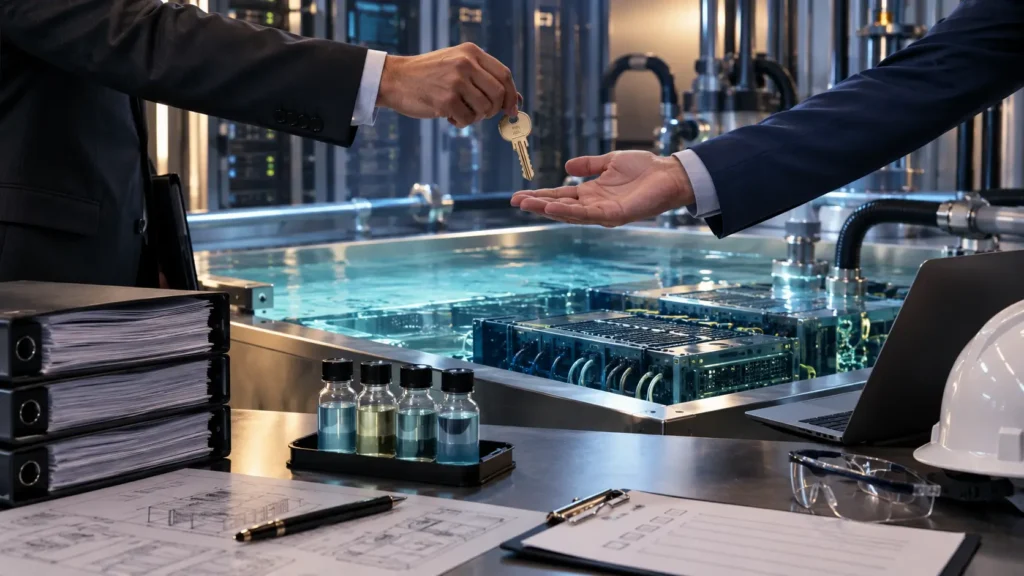
An immersion cooling system can change operators without moving a tank, server, pump, pipe, or container. Yet the transfer can
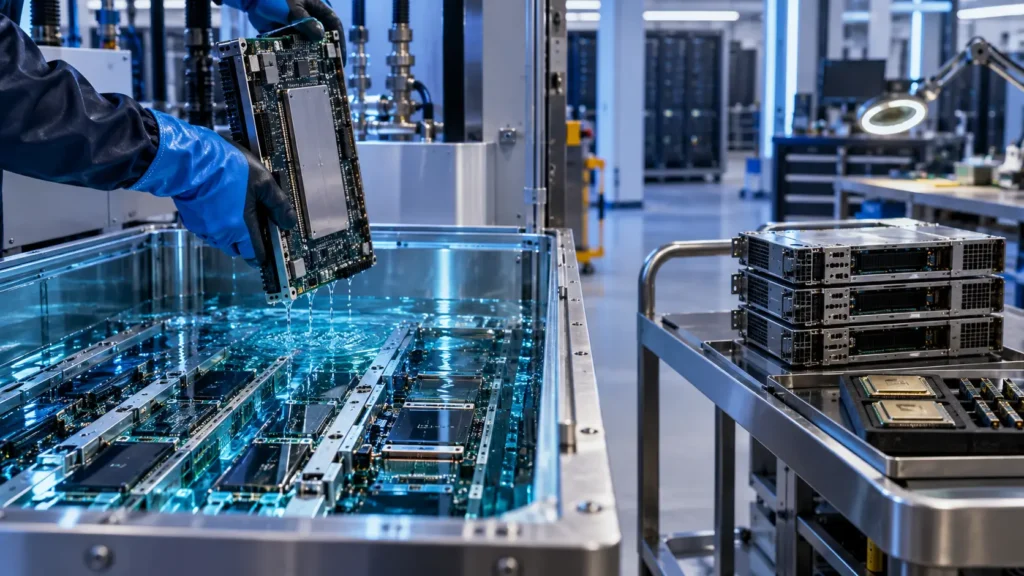
AI Hardware May Need a New Definition of Used A high-value GPU server can remain useful after its first workload
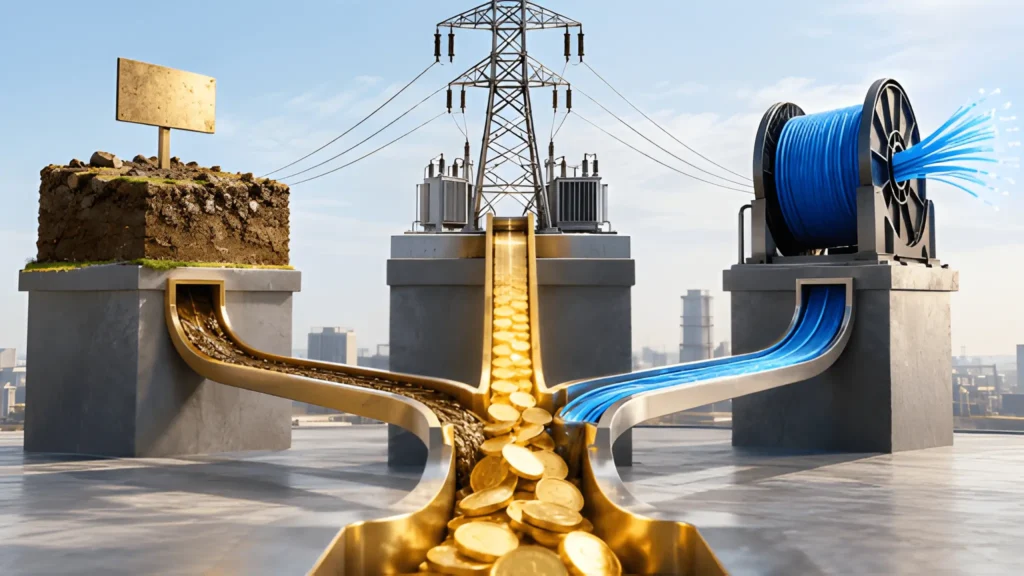
The most valuable part of a data center site can exist long before concrete reaches the ground. A site can
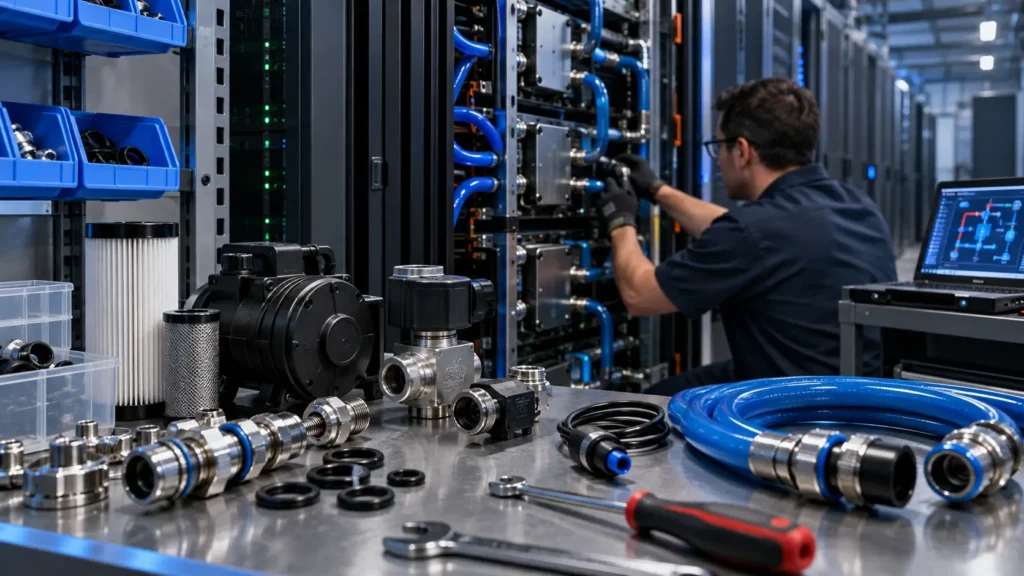
AI infrastructure buyers have spent plenty of time asking whether a data center can cool increasingly dense compute. They may
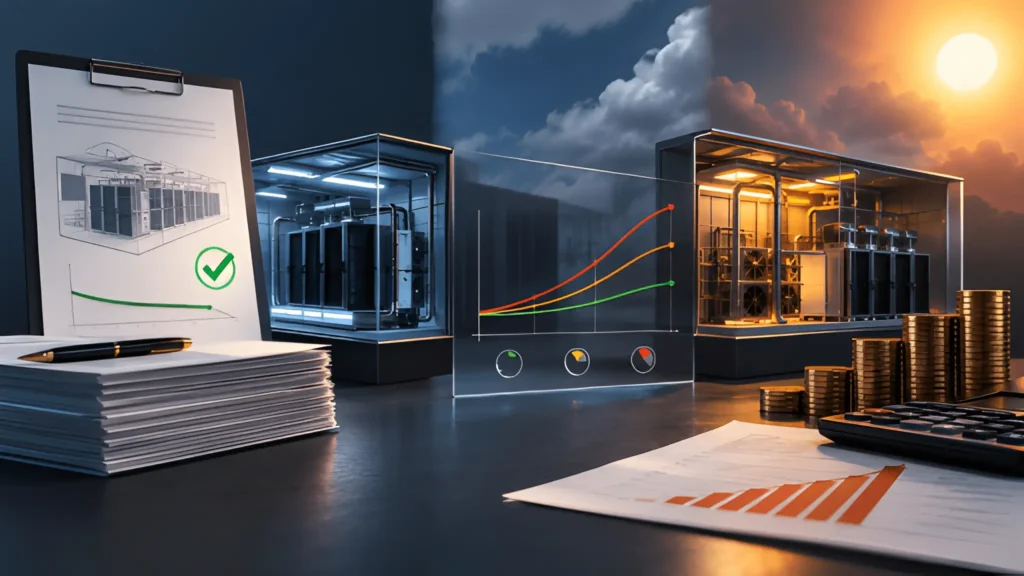
A procurement team can approve a data center because its proposed PUE fits neatly into a financial model, only to
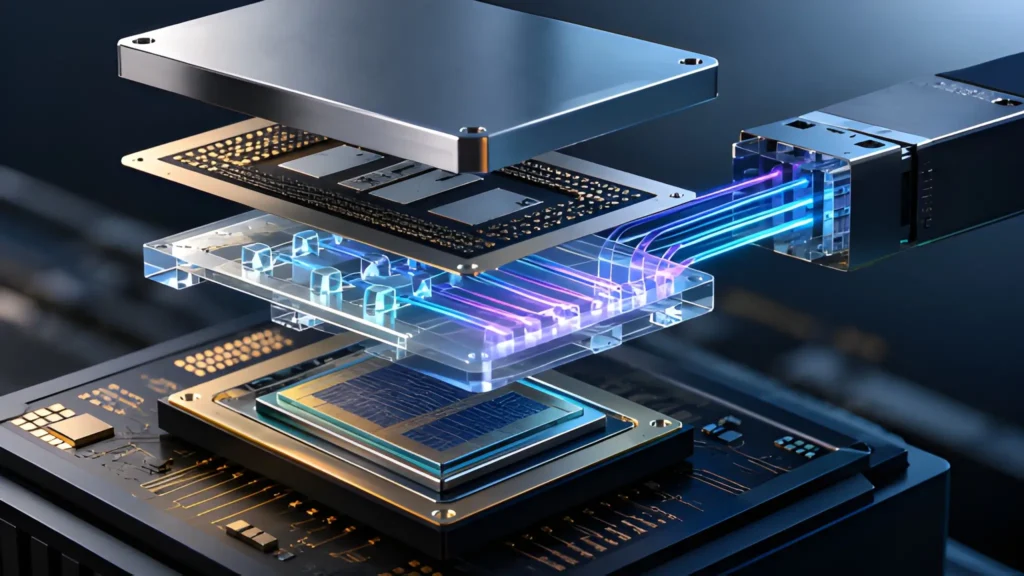
Co-packaged optics does not fail because the optical concept lacks merit; it fails when the package cannot hold every physical
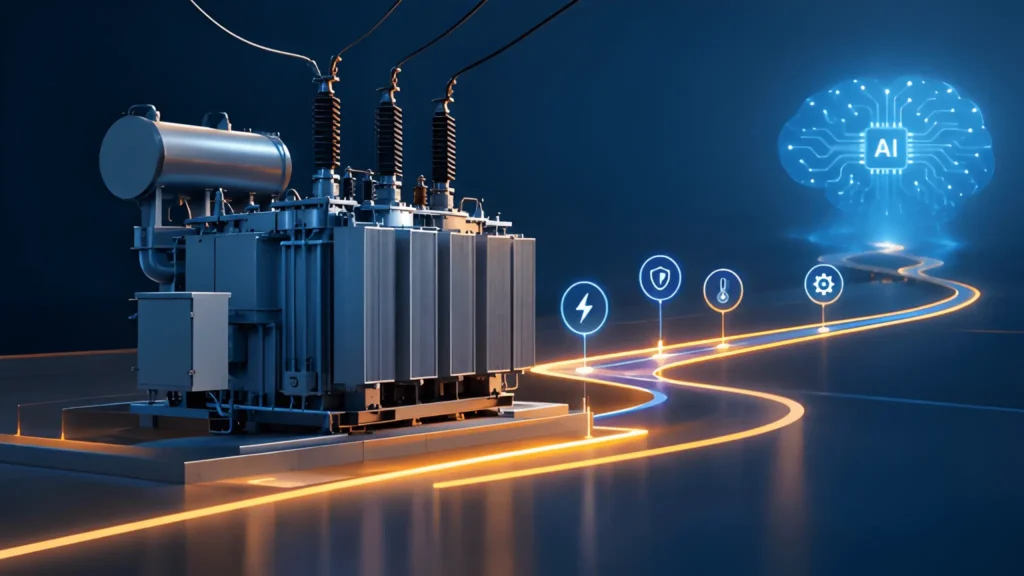
AI training capacity can appear abundant on a procurement spreadsheet while remaining physically unavailable at the site. GPU orders, networking
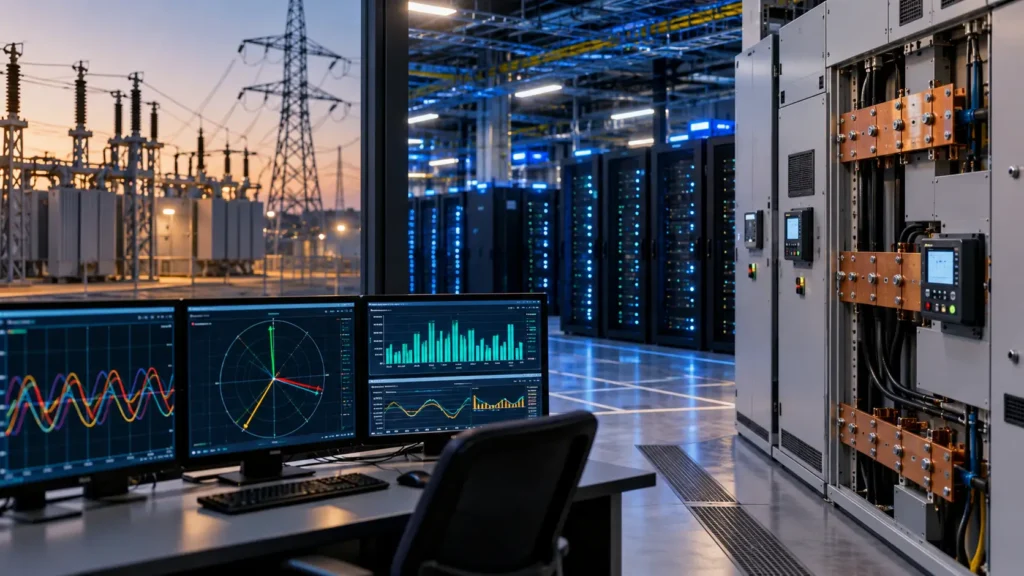
Electrical planning for artificial intelligence facilities has focused heavily on securing enough megawatts for expanding compute capacity. Yet available capacity

The financing question around accelerated compute is moving away from whether the machines can generate revenue and toward whether that
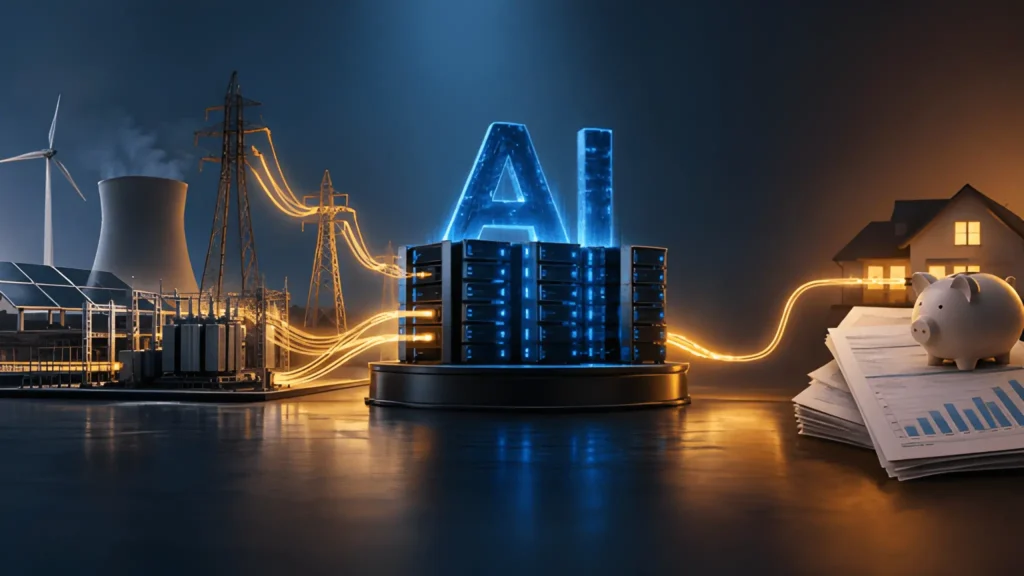
The most consequential number behind an AI data center may not appear on its electricity bill. A hyperscale facility can
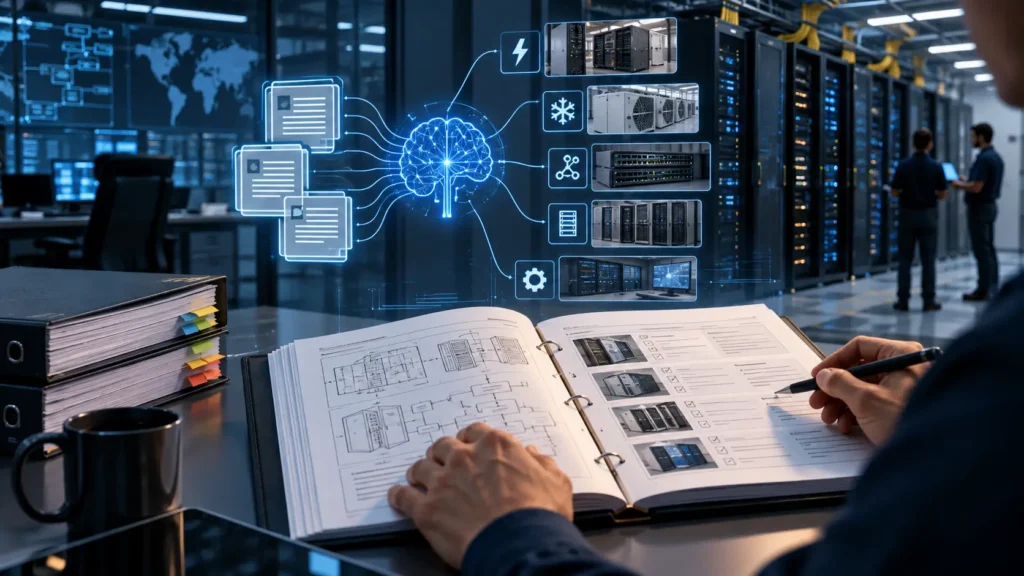
A data center operating manual once served mainly as a practical reference for equipment, maintenance activities, operating procedures, and abnormal
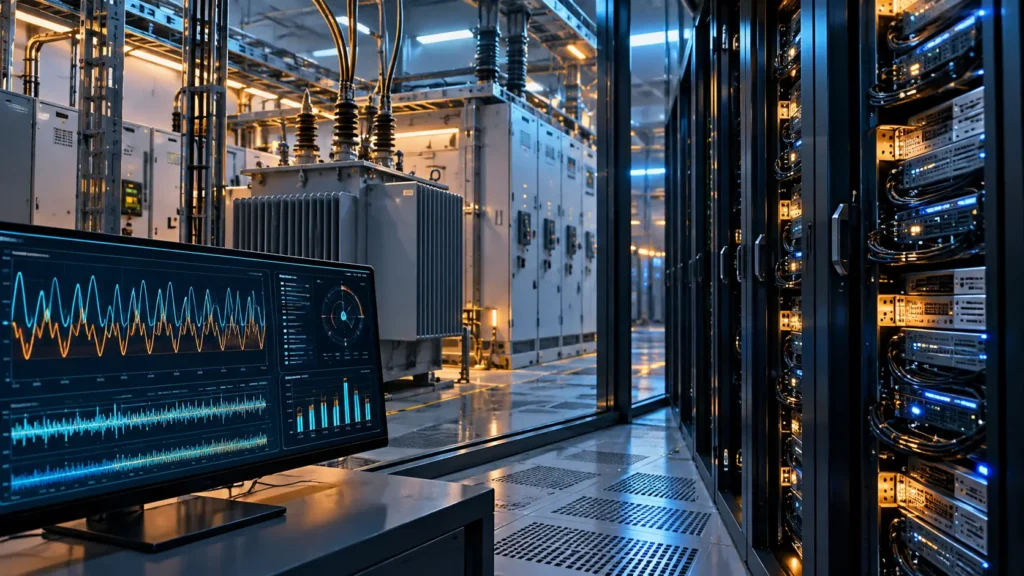
AI Compute Changes What Electrical Reliability Means An AI facility can have enough contracted megawatts while still facing electrical conditions
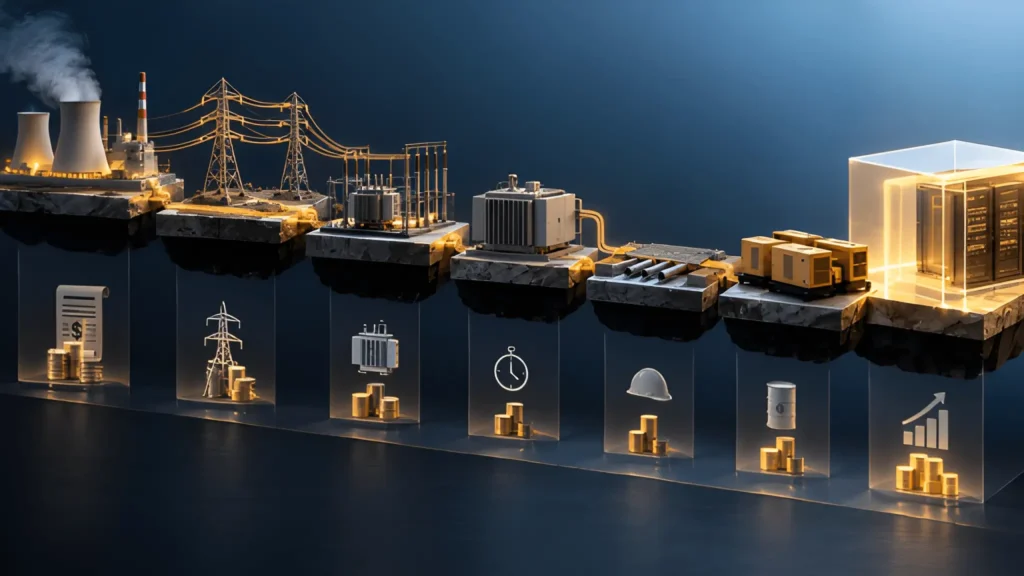
A power quote can look complete while leaving the most consequential part of the calculation unfinished. The first number usually
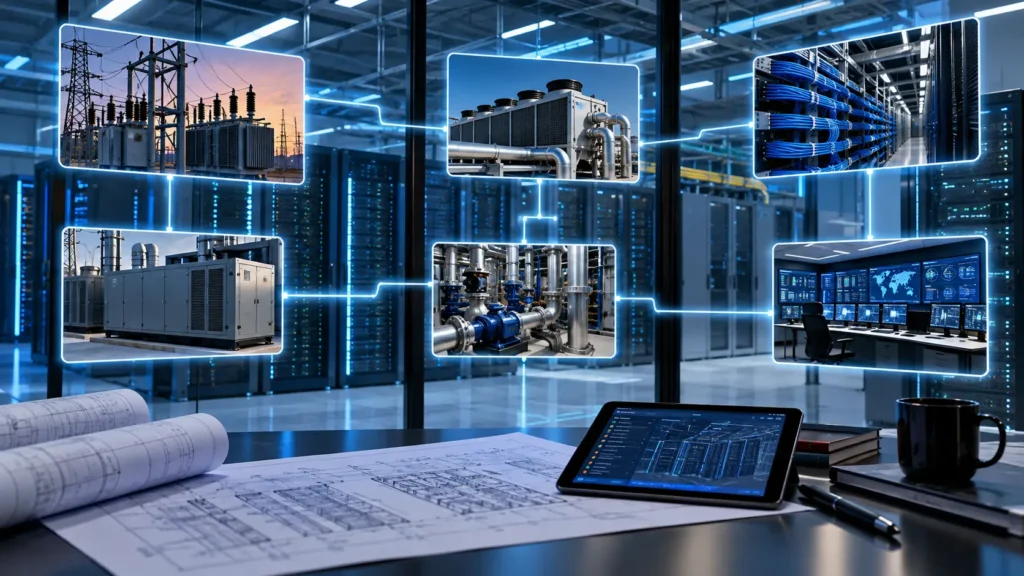
An AI cluster can appear healthy on a capacity plan while sitting on top of physical relationships that nobody has
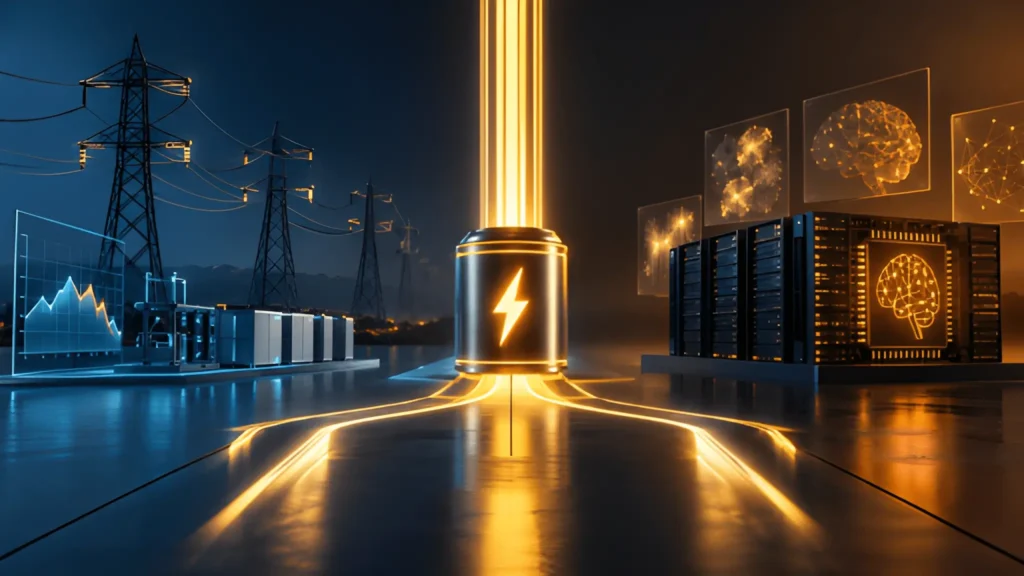
A megawatt inside an AI facility can have competing economic uses because the same electrical capacity can support computation or,
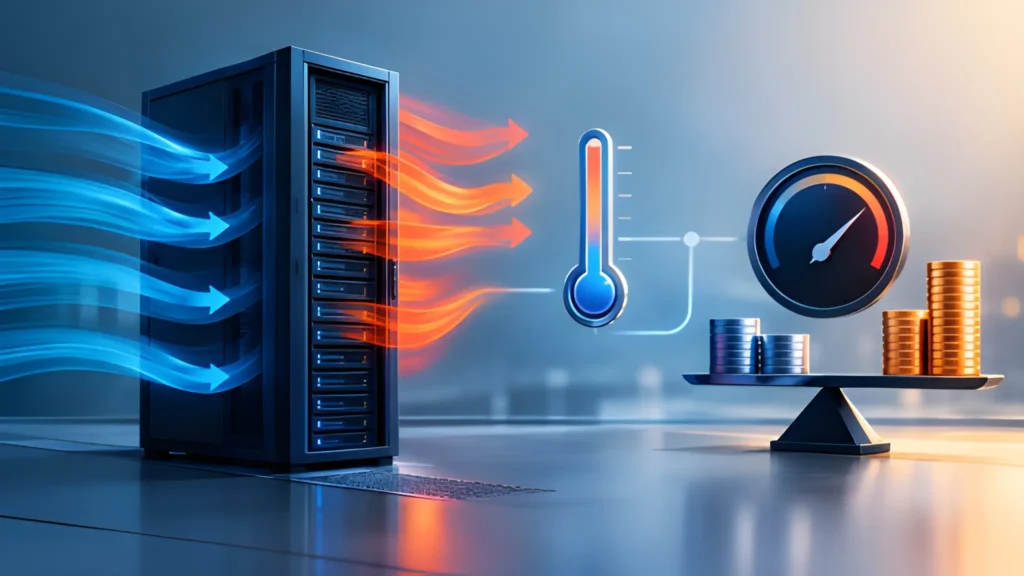
A hall can hold a comfortable average temperature while individual racks operate with a weak thermal rise. That gap changes

A small configuration change can carry a large operational consequence. The change may start with one firmware setting, network rule,
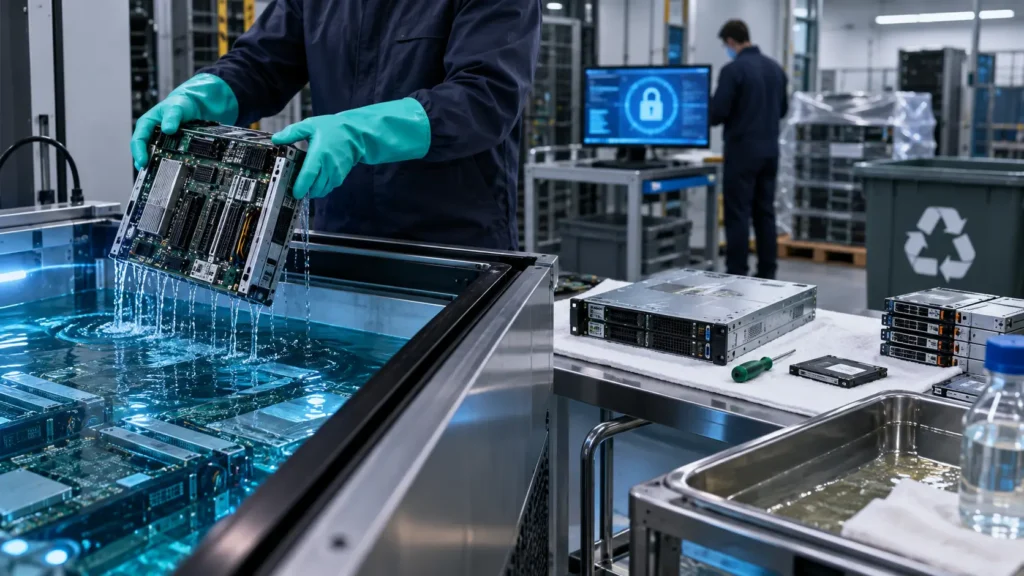
Immersion cooling changes more than the way a data center removes heat from high-density computing equipment. It can also change
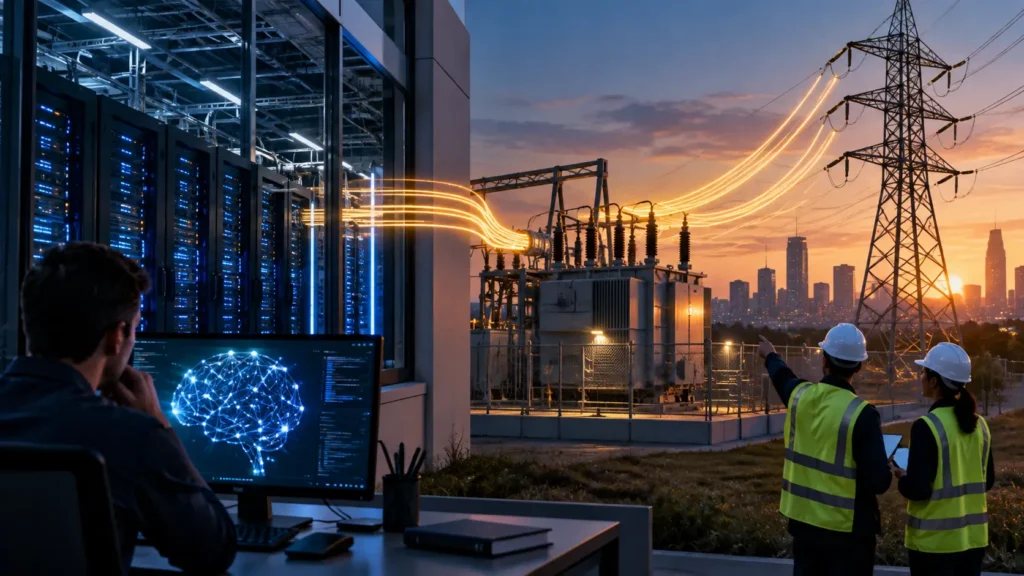
AI Compute Is Turning Peak Demand Into a Business Question A data center can negotiate GPU prices, cooling equipment and

An engineer walking through a modern AI data hall today might notice something odd: the cooling loops can carry water

A green claim can survive a commissioning ceremony with almost no friction. The harder test begins when the doors close,
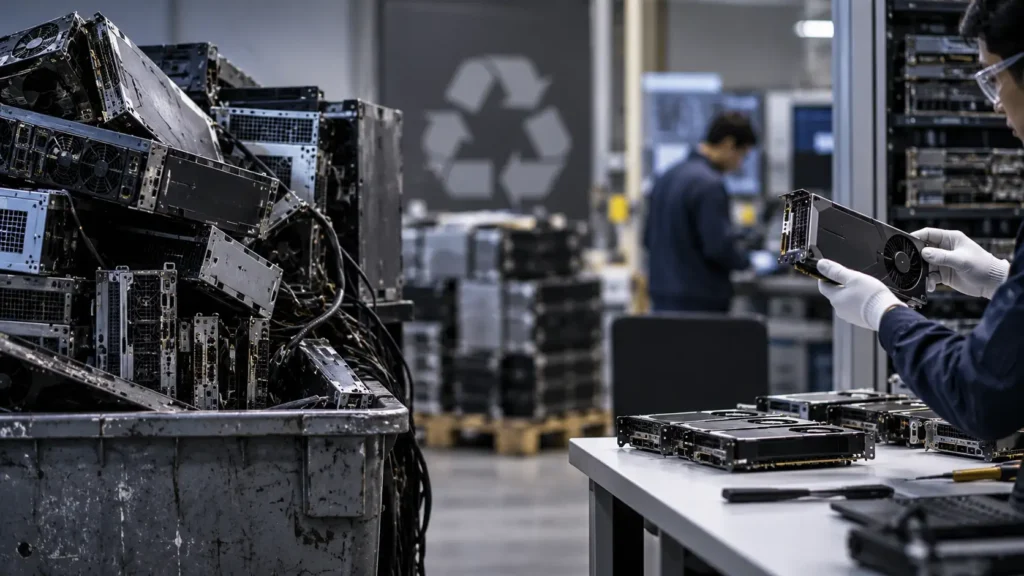
The sustainability conversation around AI infrastructure usually becomes loudest when electricity enters the room. Megawatts, grid constraints, cooling efficiency and
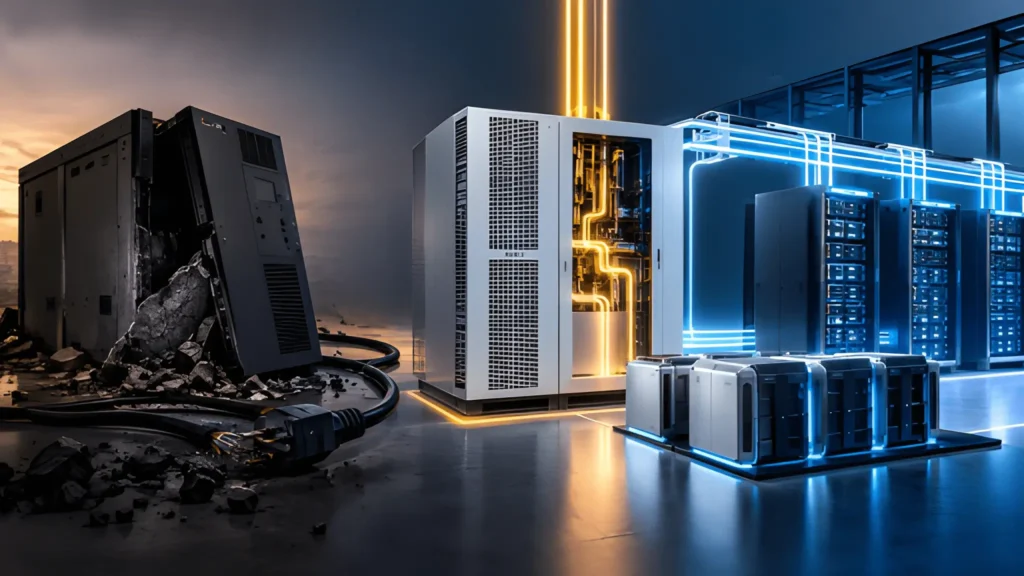
There is a moment in electrical architecture when a familiar component stops solving the problem it originally addressed. The component
A training run rarely announces its most expensive failure when the damage begins, because the first sign may be a
The bill for artificial intelligence rarely shows every physical cost behind the compute. Buyers see capacity prices, while operators see
GPU infrastructure can look commercially healthy long before it proves economically durable, especially when customers compete for scarce accelerator capacity
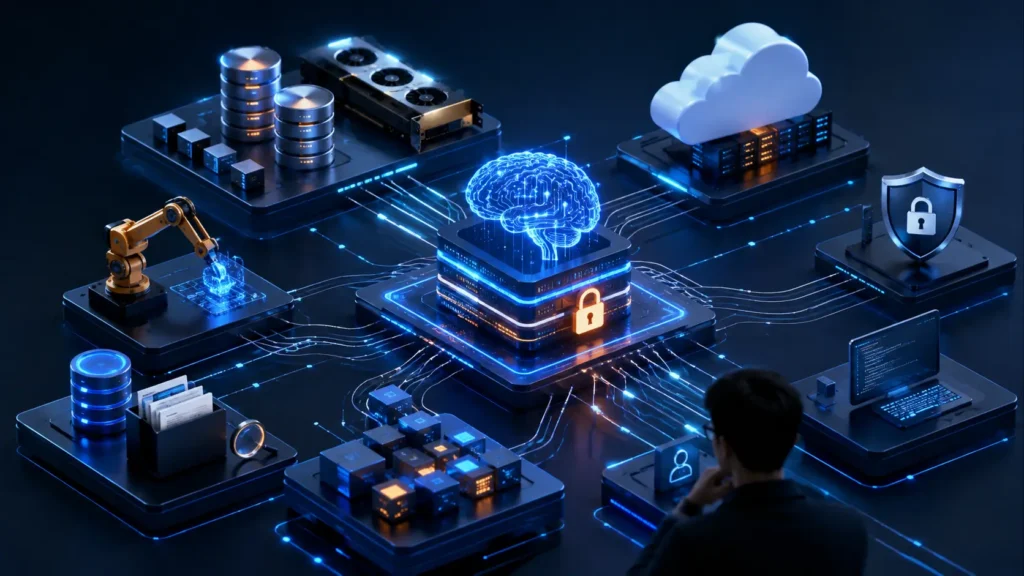
The next wave of AI capacity will not be decided by accelerator availability alone. Developers, cloud providers, governments and infrastructure
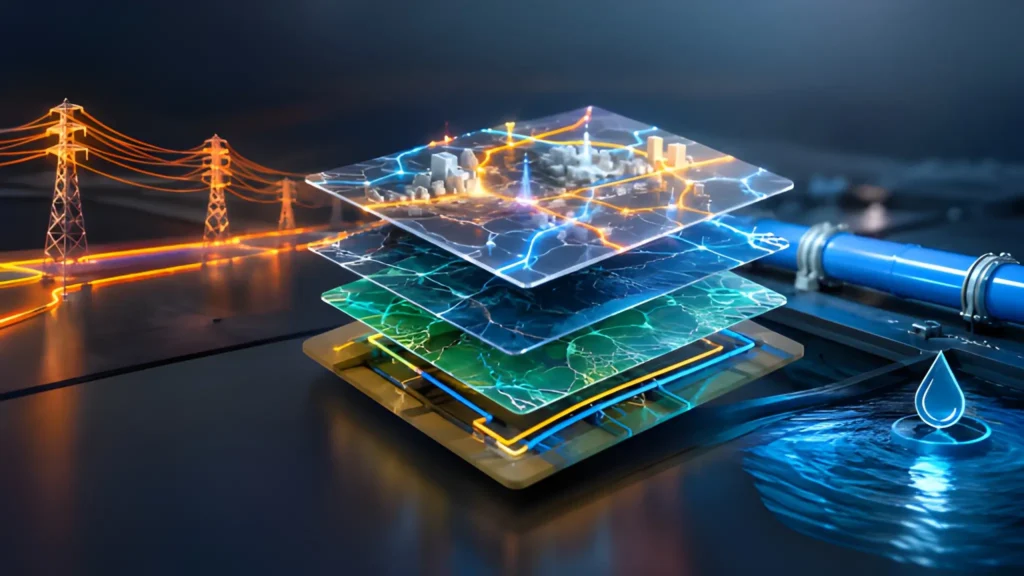
Site selection increasingly requires teams to identify infrastructure that does not appear on a land survey or utility schedule. Power

A large computing load does not need to change its average demand dramatically to become a dynamic grid problem. The
A GPU cluster can remain technically available while something important underneath the workload has changed enough to alter its behavior.
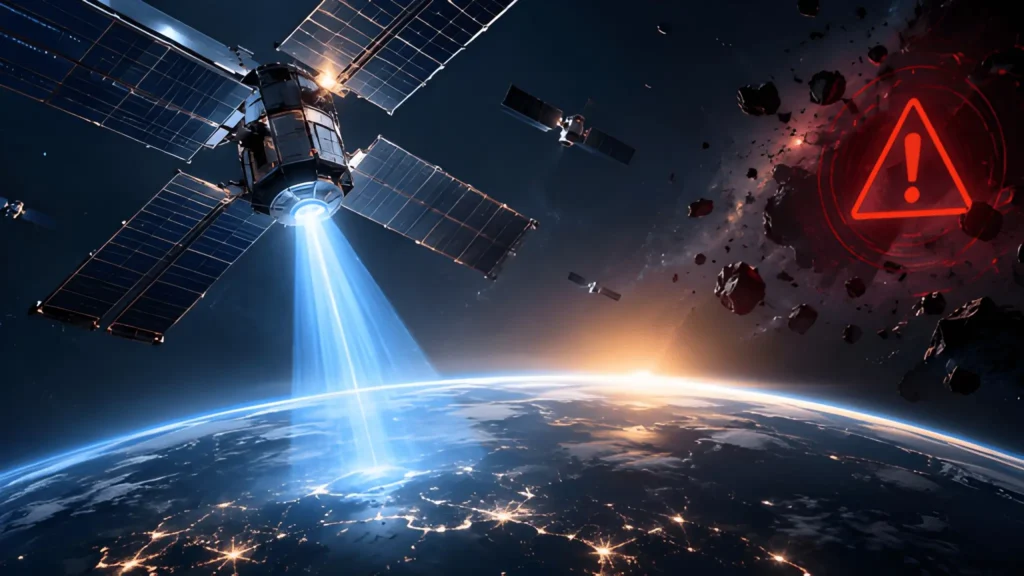
The most interesting part of orbital computing may begin precisely where its biggest sales pitch ends. Space-based AI data centers
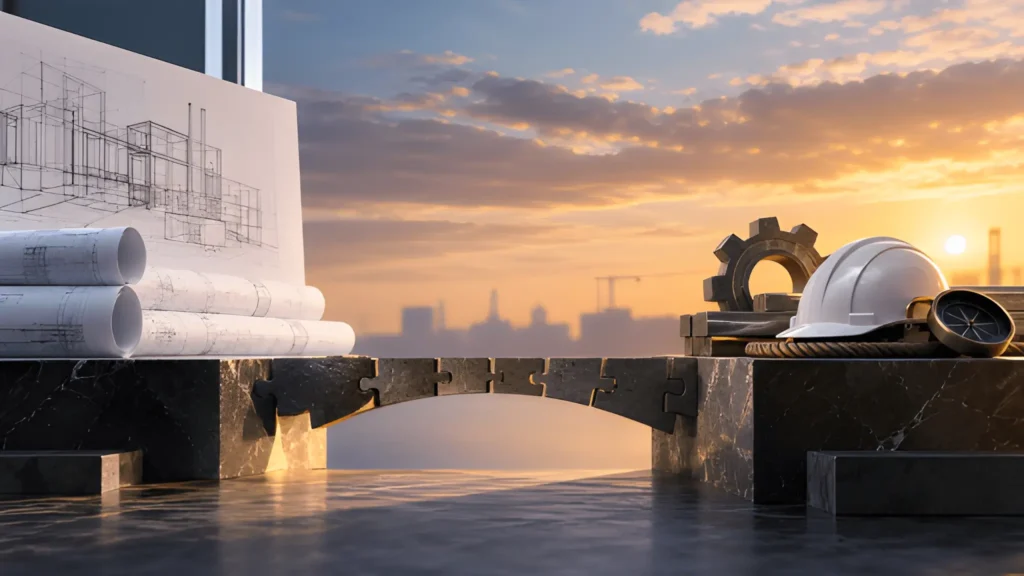
A project rarely reveals its real difficulty while drawings remain clean, assumptions stay neatly organized, and every interface appears to
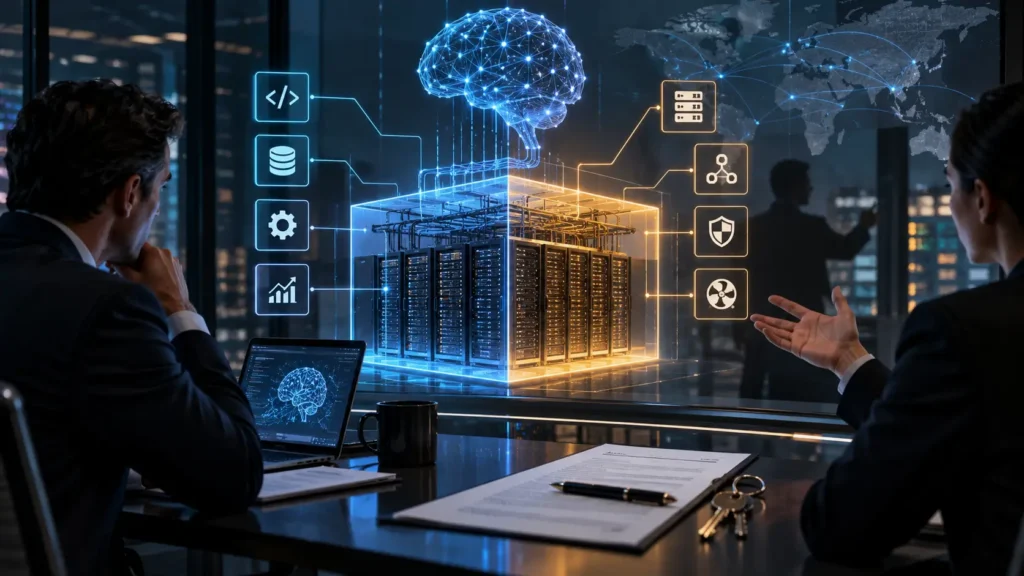
A compute contract can appear precise while leaving one important question surprisingly open. The buyer may know which accelerators, storage
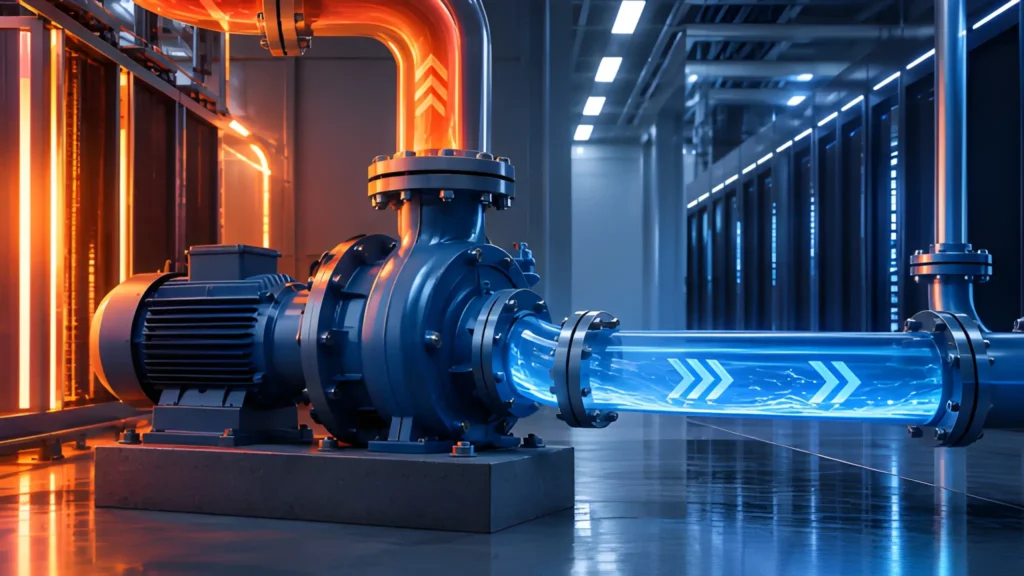
High-density computing changes what cooling failure looks like because the heat-removal mechanism becomes more concentrated as thermal loads rise. Air-cooled
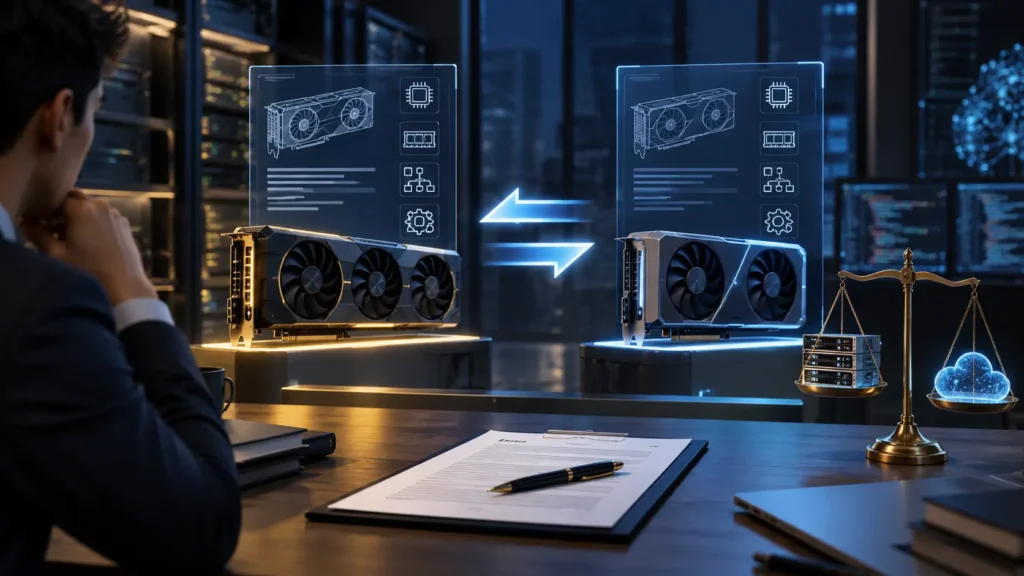
A reserved GPU can look reassuringly tangible on a procurement sheet. Accelerator procurement commonly specifies GPU type, quantity, configuration, deployment
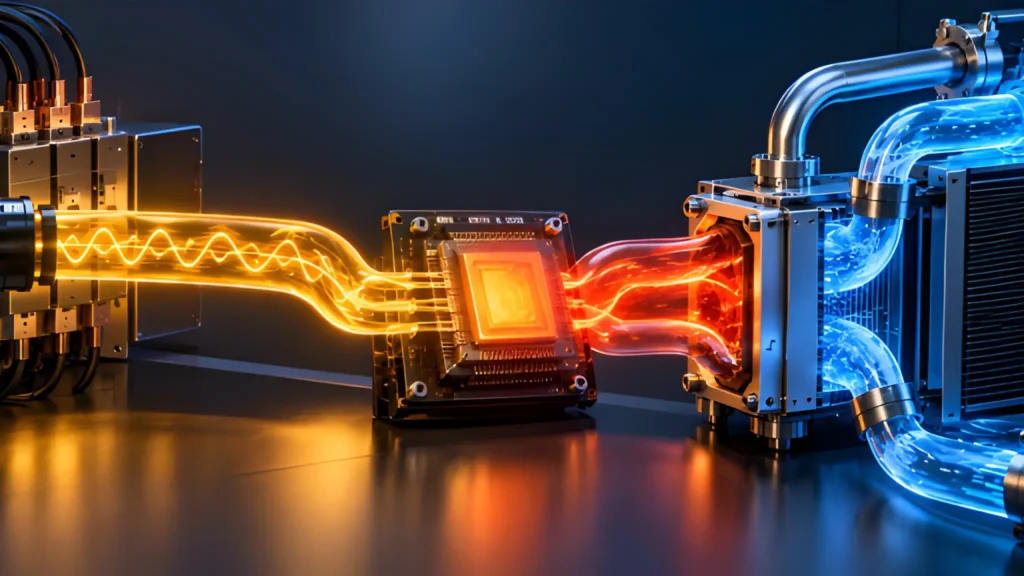
A data center does not experience a watt as an accounting unit. A processor consumes electrical power measured in watts,
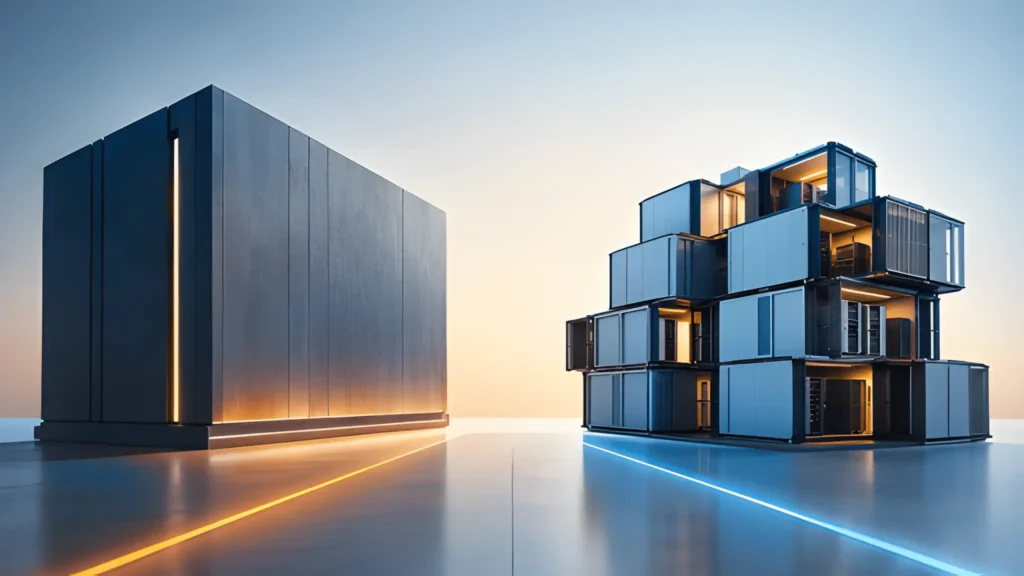
A data center can look remarkably successful on the day it opens and still become a constraint for the customer

A multiyear GPU commitment can look reassuring when an AI team needs predictable access to scarce infrastructure, yet the same

Telecommunications infrastructure is entering a different investment cycle. Carrier capital spending and data center networking demand are now moving on

A cooling system can look complete on an engineering drawing while one critical component remains almost invisible. The coolant sits

The next generation of AI infrastructure will not necessarily begin where the last generation became established. A site that once
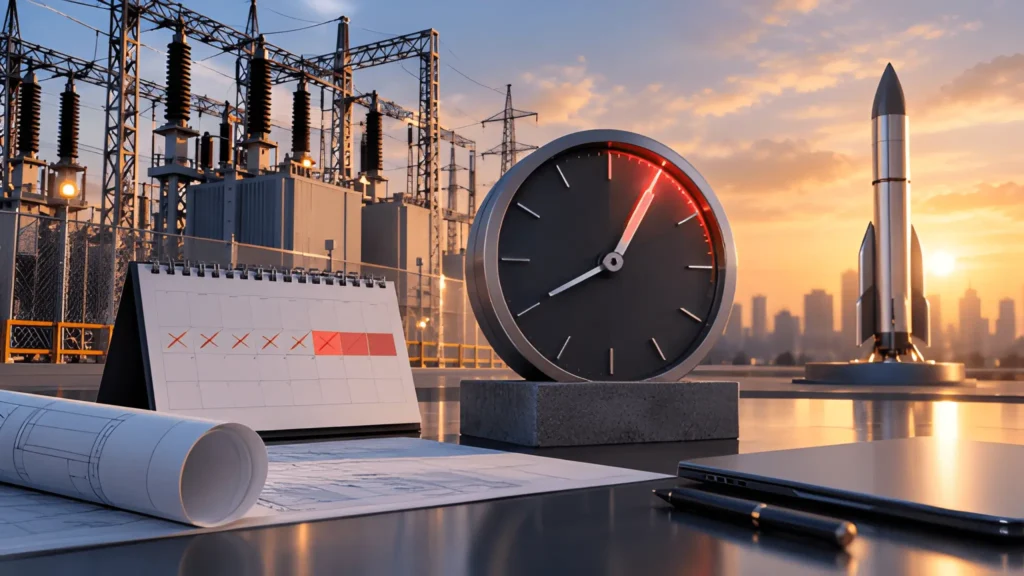
An AI feature can be technically complete while its commercial release remains tied to equipment sitting outside the company’s control.
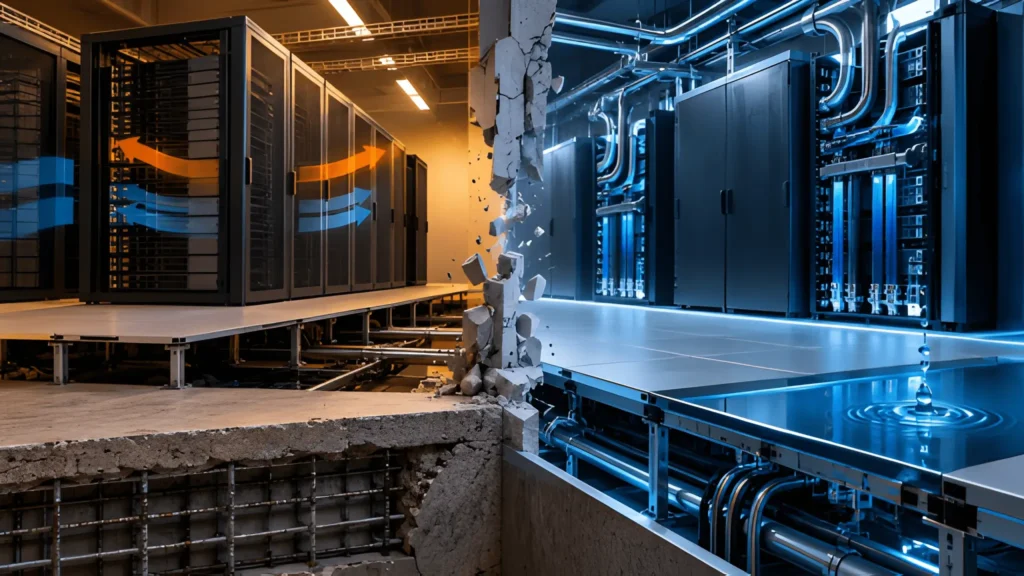
A data hall can look remarkably healthy while already carrying the limitations that will decide whether its next workload fits.
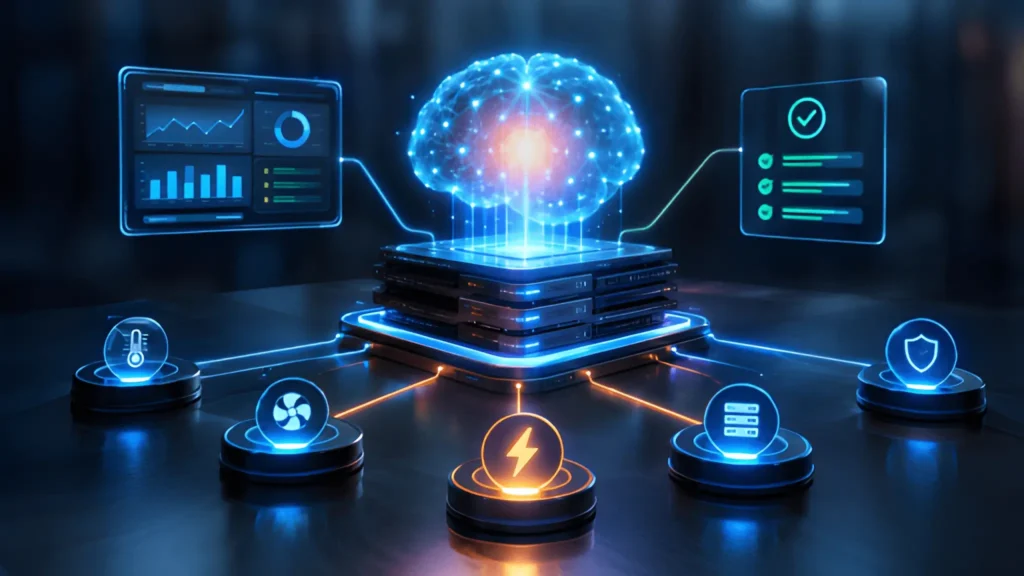
A control room can look exactly the same on the day a machine begins making decisions that once belonged to
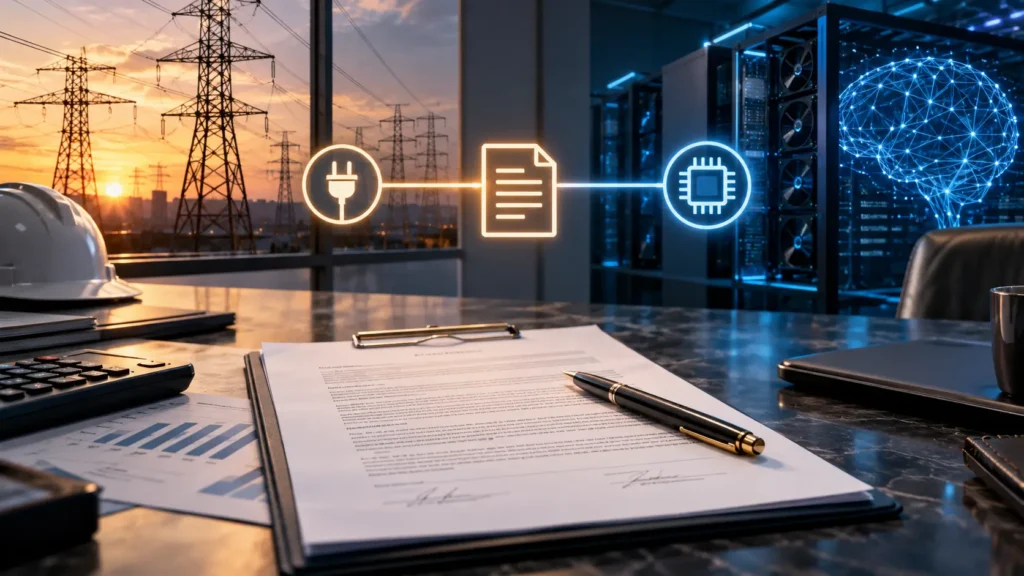
Getting the megawatts may turn out to be easier than living with the contract behind them A company can secure
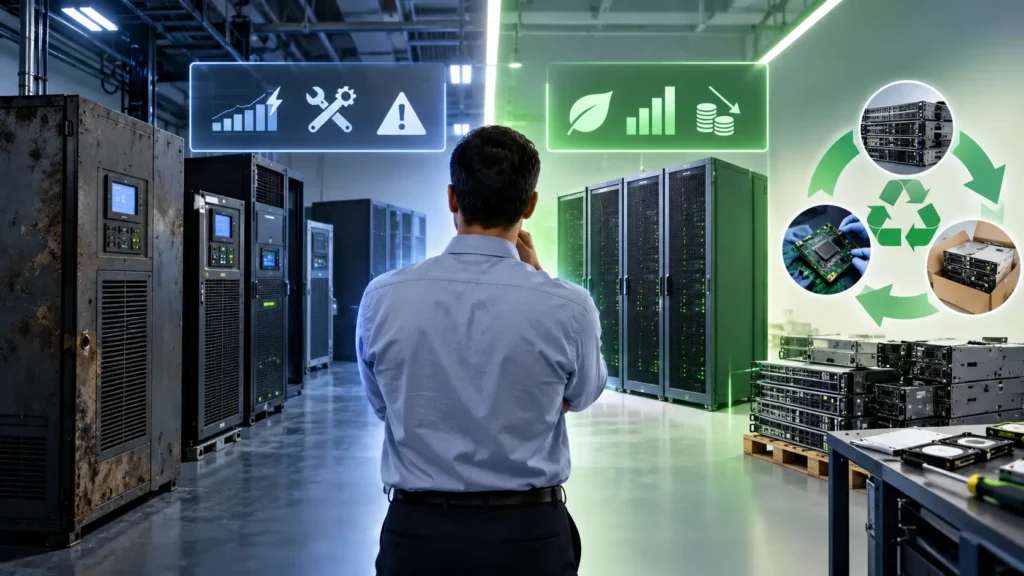
A piece of infrastructure can still operate correctly and become the wrong asset for the facility around it. That distinction
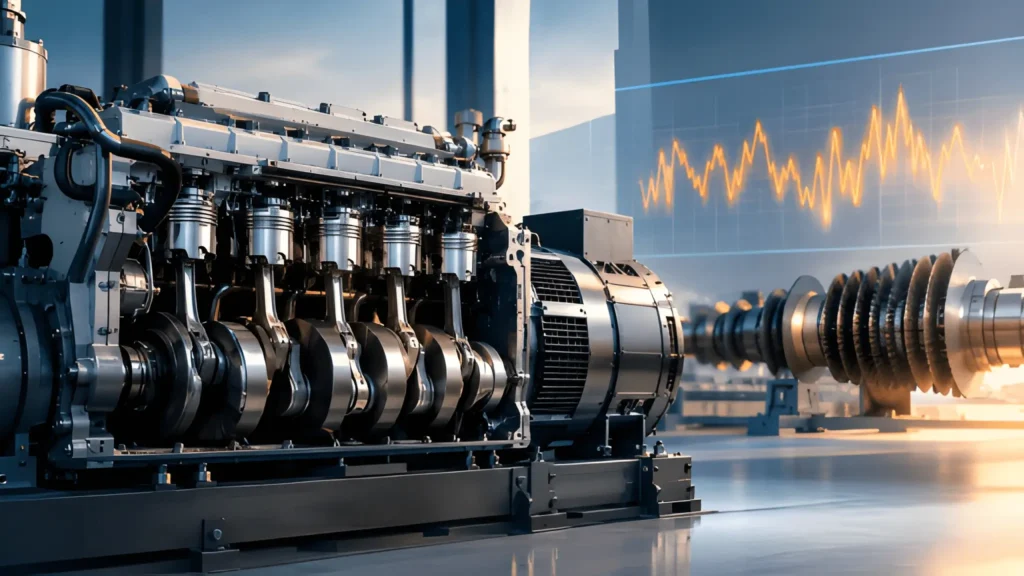
An engine can run within its rated speed and still experience a mechanical duty cycle that its original application never
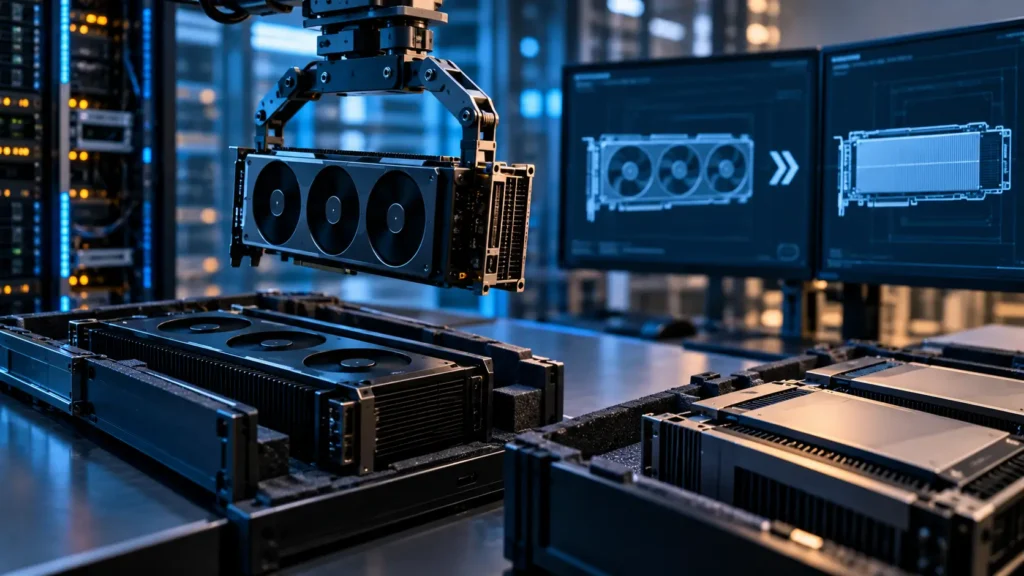
Why Accelerator Substitution Changes the Customer’s Risk A neocloud customer may sign a contract that names a specific accelerator generation
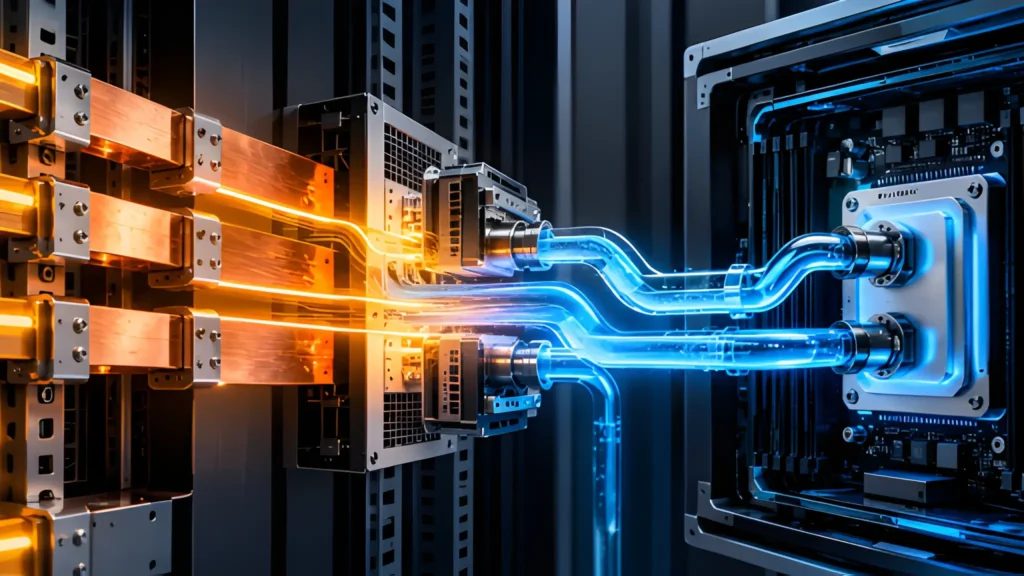
High-density computing is changing a basic assumption in facility engineering: electricity enters a rack through one infrastructure path while heat
AI infrastructure is often discussed through numbers that make expansion appear almost abstract: accelerator shipments, model sizes, gigawatts of planned
The AI upgrade question is becoming a replacement question A data center can be technically functional and still become strategically
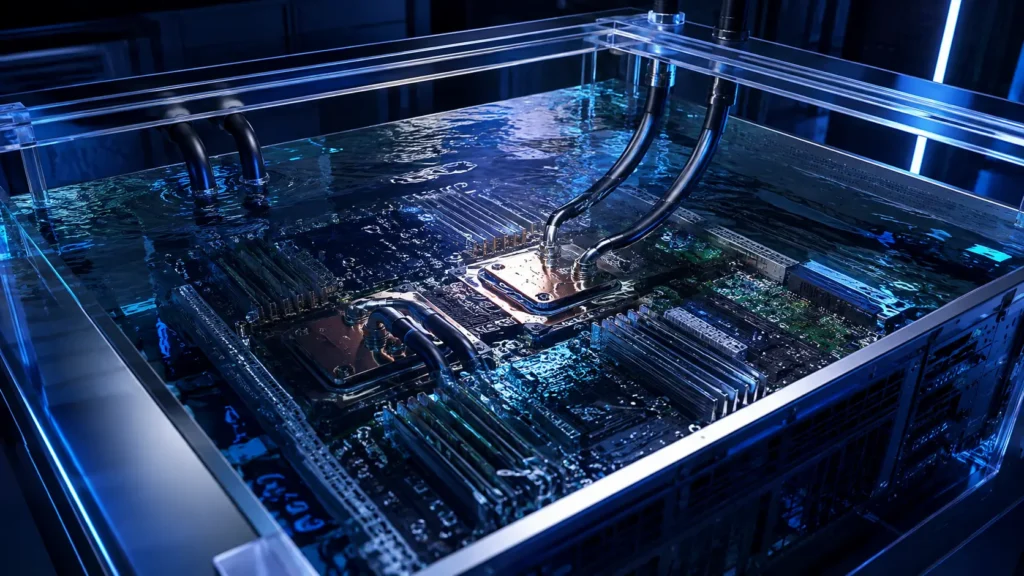
A server warranty can become much harder to interpret when the machine moves from air into liquid. The change involves
A large AI cluster can deliver enormous compute capacity while still losing efficiency when data cannot move between resources quickly
A grounding system can look exceptionally orderly while behaving very differently once a high-density AI hall begins operating as a
A battery does not know whether the next electrical event matters more to the grid or to the customer. It
The first question at a new AI site is increasingly not which accelerator will fill the racks. It is whether
Cooling performance usually draws attention to the equipment boundary, where servers reject heat and mechanical systems remove it. That framing
A large computing site can look like a single new customer from the utility’s perspective, yet its arrival can alter
Cooling projects can encounter problems when equipment choices ignore the building, workload, power path, or maintenance model. The same issue
A failed cooling loop rarely begins with the moment an alarm appears on an operator’s screen. The useful warning may
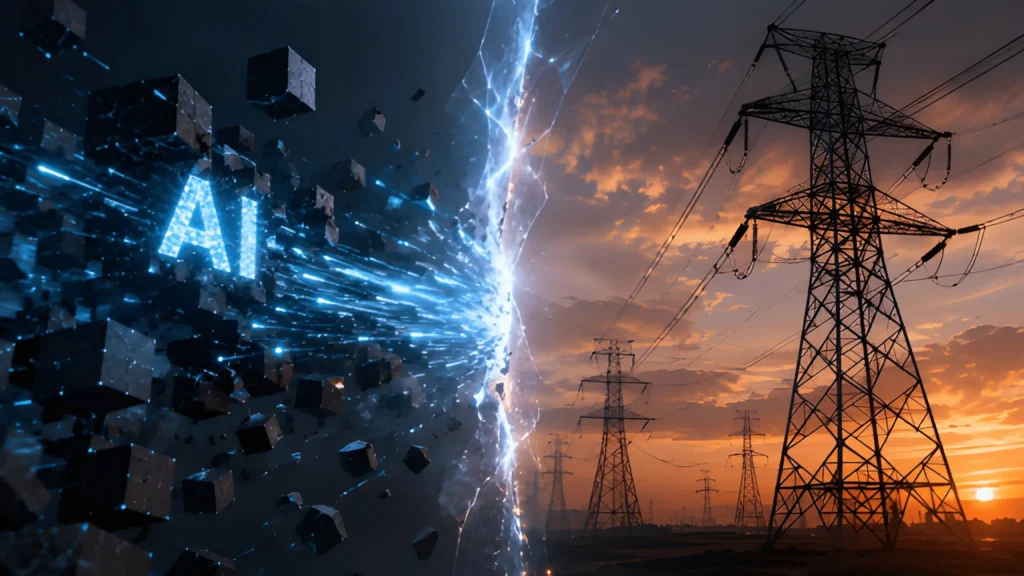
A 500-megawatt AI facility can represent a substantial engineering undertaking, but its resilience depends on how its electrical infrastructure distributes
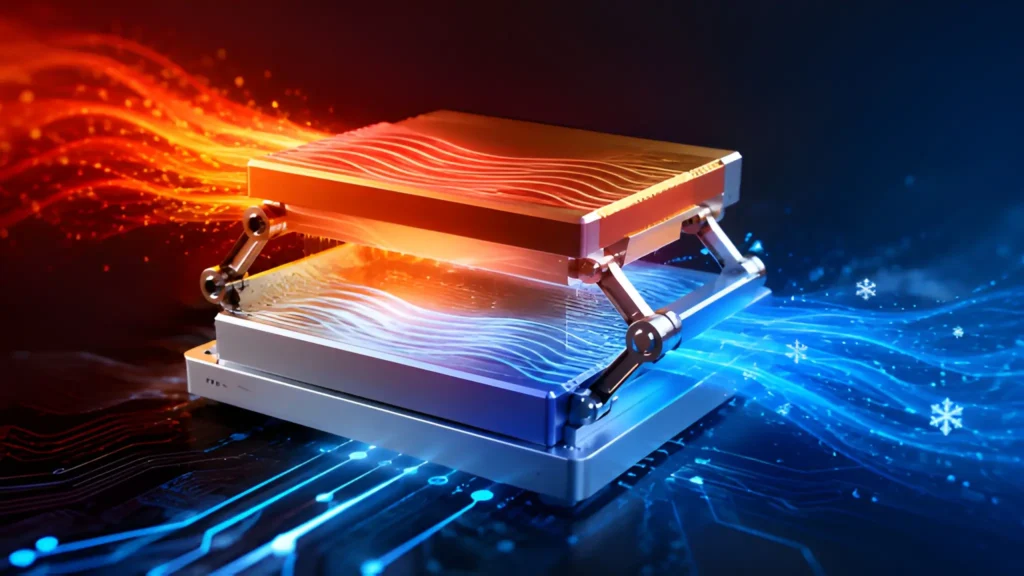
A joint research effort out of Germany and Japan has produced a working prototype that replaces the electrically powered actuator
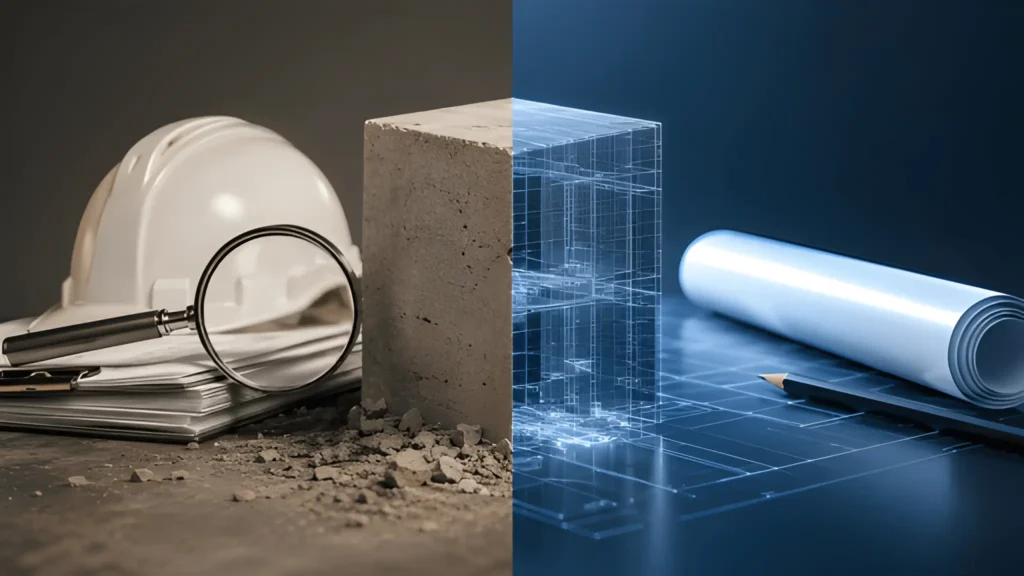
A rendered campus can answer almost every question before anyone walks the ground, which is precisely why a CTO should

A government can place servers inside its own borders and still discover that someone outside the country controls what happens

The cooling system can be perfectly engineered and still encounter a boundary it cannot redesign: the water receiving its heat.
A data center can have substantial contracted or announced power capacity while its actual electrical demand remains below that level
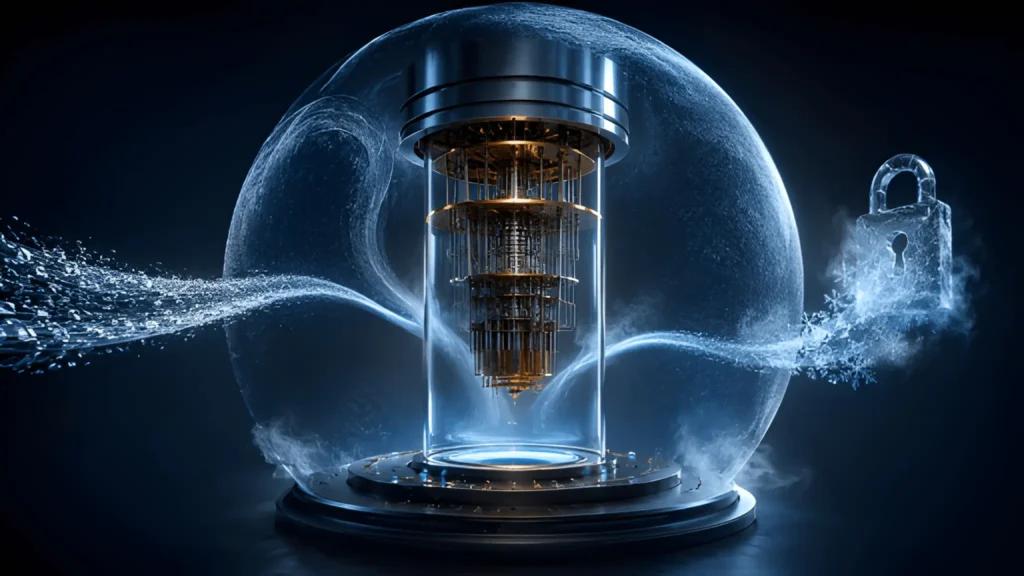
A quantum workload can look like software from a distance, but its legal operating boundary increasingly begins somewhere much colder
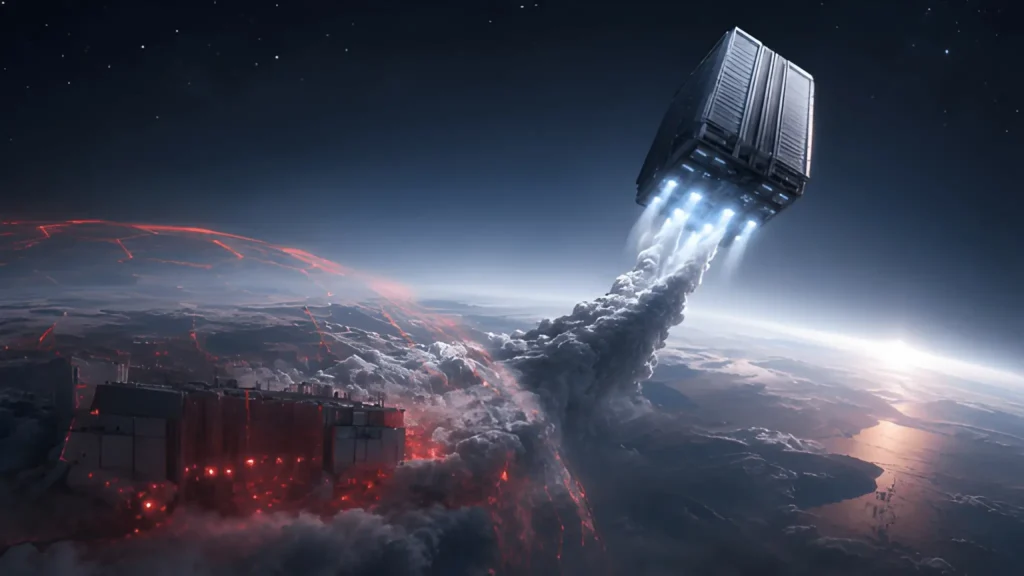
The most revealing question about putting AI infrastructure in orbit is not whether it can be done. Engineers have already
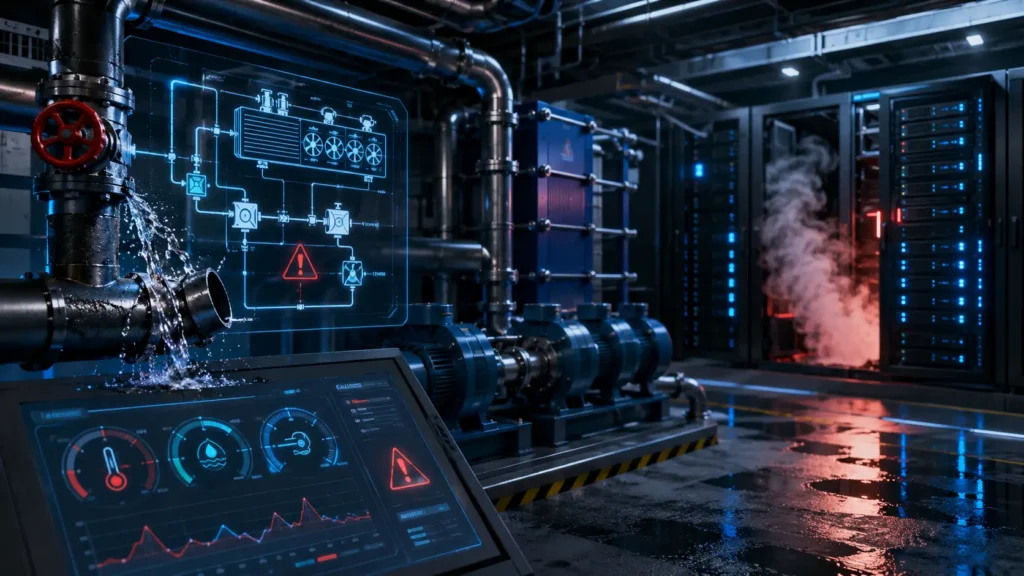
AI infrastructure can remain electrically healthy while its most immediate operational threat develops somewhere else. A GPU cluster may continue
AI infrastructure creates a peculiar measurement problem before it creates a technical one. A system can contain substantial compute capacity

A data center can report its water consumption precisely while still leaving important aspects of its broader water footprint outside
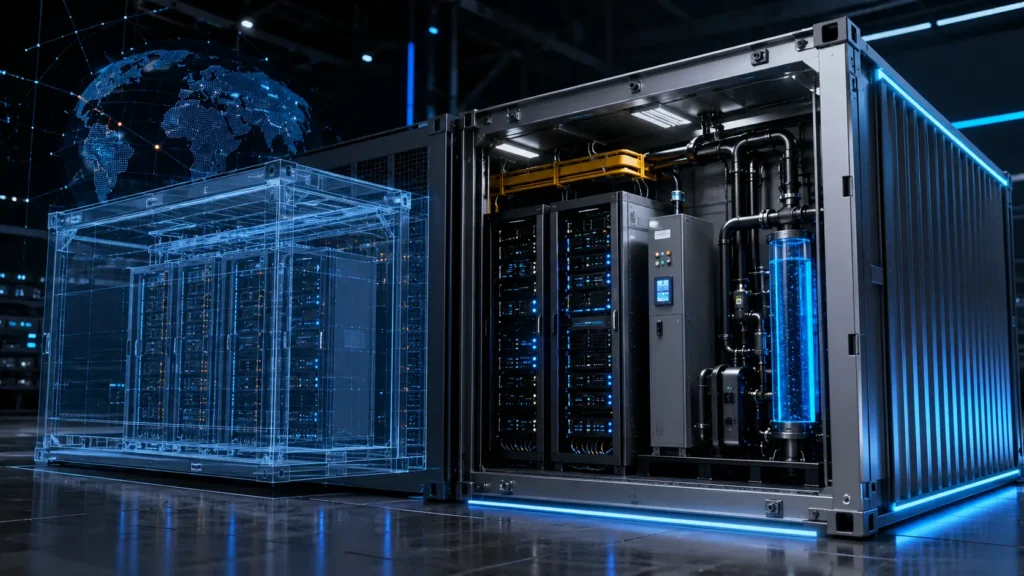
VCI Global positions modular infrastructure around AI compute demand VCI Global has introduced Galatron AI Factory as a prefabricated platform

A power rating printed on a nameplate describes what equipment can support, but it does not describe how equipment behaves
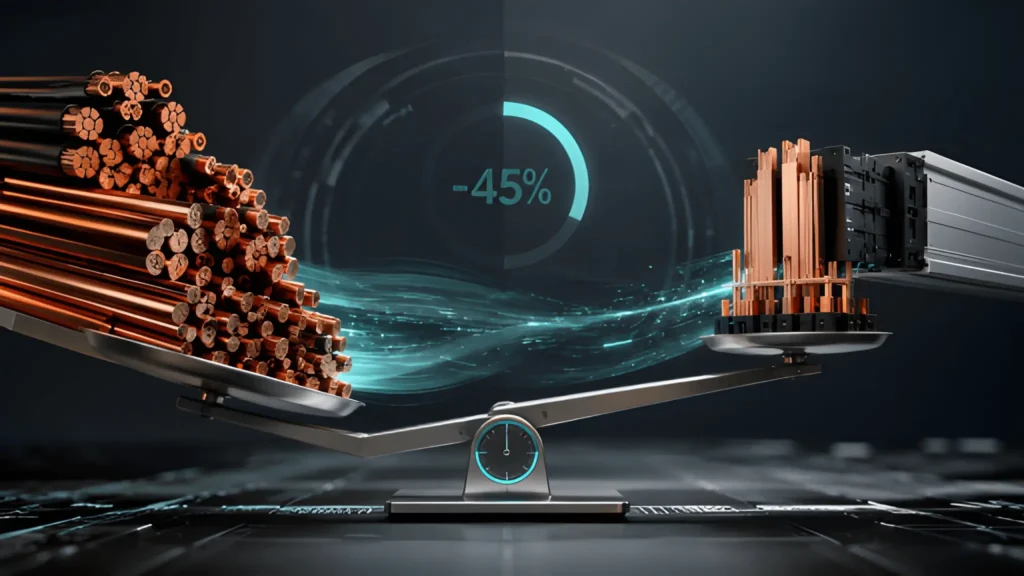
Copper rarely appears in the architectural drawings executives use to understand a data center, yet it quietly determines how much
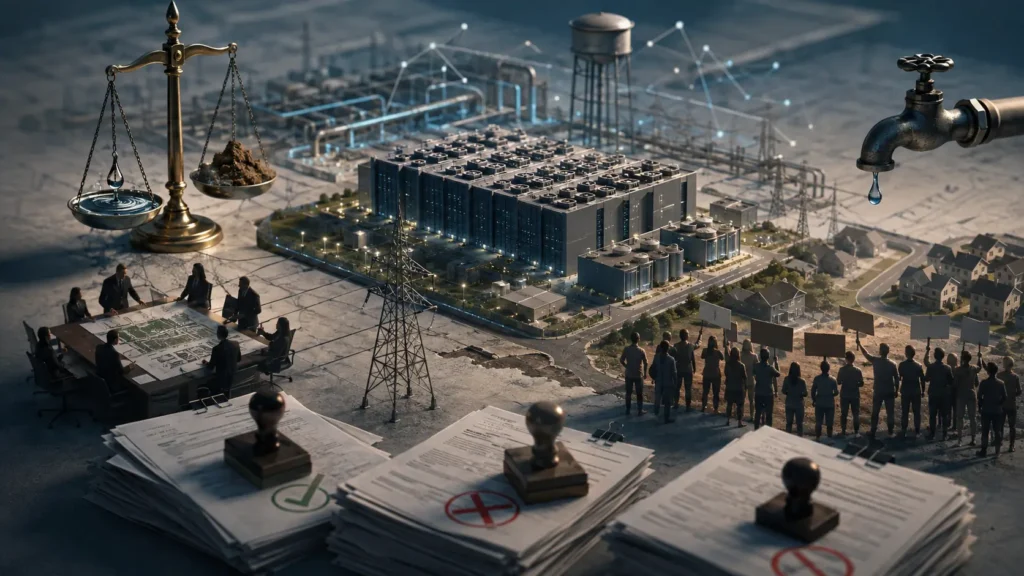
An AI campus can dominate a business announcement long before anyone knows whether construction can begin. The headline usually focuses
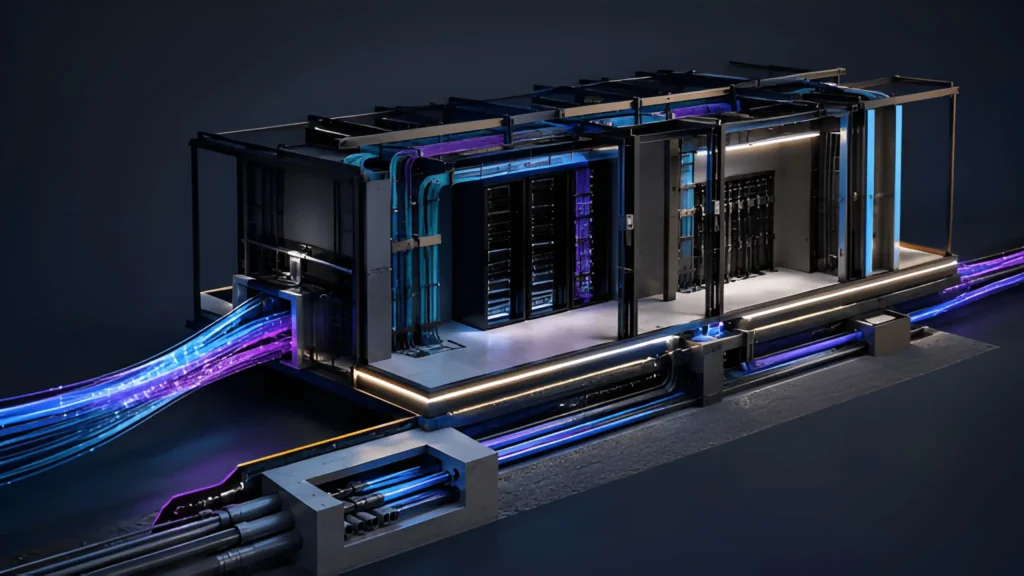
A data center can become more difficult to expand when existing communications pathways lose the physical space or accessibility needed

Compute is beginning to acquire a financial characteristic that hardware procurement teams rarely had to manage before: strategic scarcity can
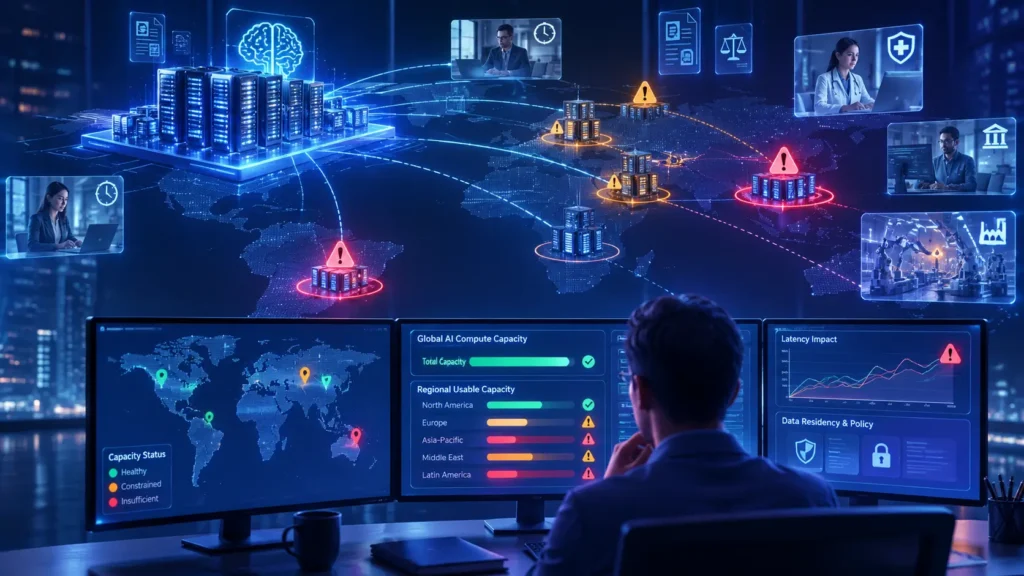
When Total Compute Hides a Local Capacity Problem Enterprise AI infrastructure planning tracks accelerators, storage, networking, power and cooling. These

The infrastructure decision is becoming a financial decision AI infrastructure now sits closer to corporate finance than many technology plans.

An AI campus can advance its electrical design substantially and still remain operationally unready because the network entrance sits in
A data center master plan can establish a defined technical basis before all future operating and deployment conditions are known.

AI infrastructure rarely becomes difficult because one component is impossible to replace. Problems emerge when several dependencies connect hardware, software,
The data center industry has spent years refining the precision of infrastructure engineering. Operators measure temperature, airflow, power draw, vibration,

A large computing site can operate within its permits, meet its engineering targets, and still lose control of the public

AI Infrastructure Planning Still Starts With the Wrong Question Construction cost remains a central financial consideration in AI infrastructure planning.
Why AI Data Center Insurance Risk Is Different An insurance underwriter does not begin with a server rack. The real
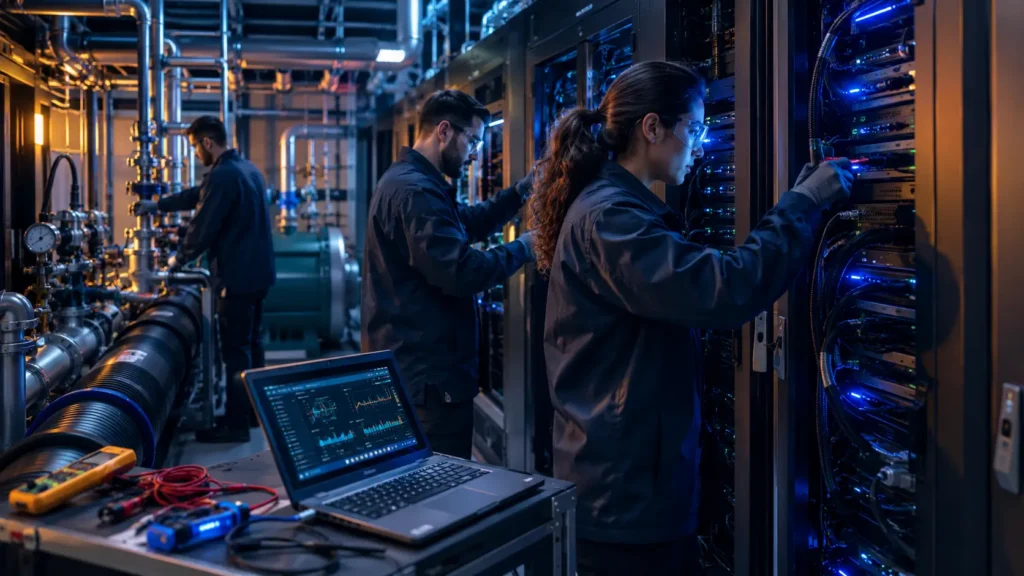
AI Infrastructure Is Changing the Data Center Operations Job The rapid expansion of AI infrastructure is changing what data center
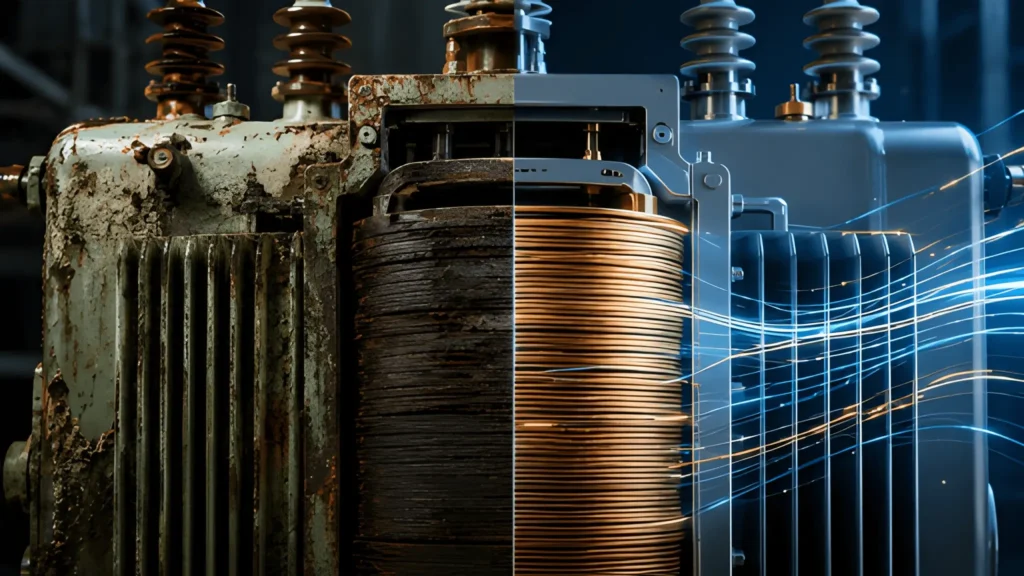
A transformer can leave a refurbishment shop looking almost indistinguishable from a new unit, yet its electrical history remains inside
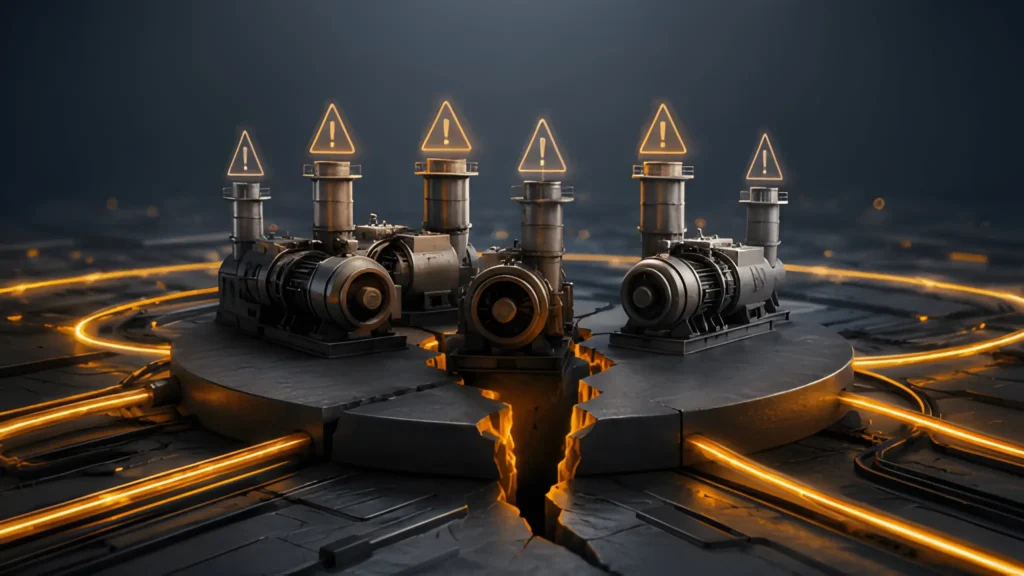
A self-powered AI site can appear electrically independent until the machines supplying its power begin competing with the workload for
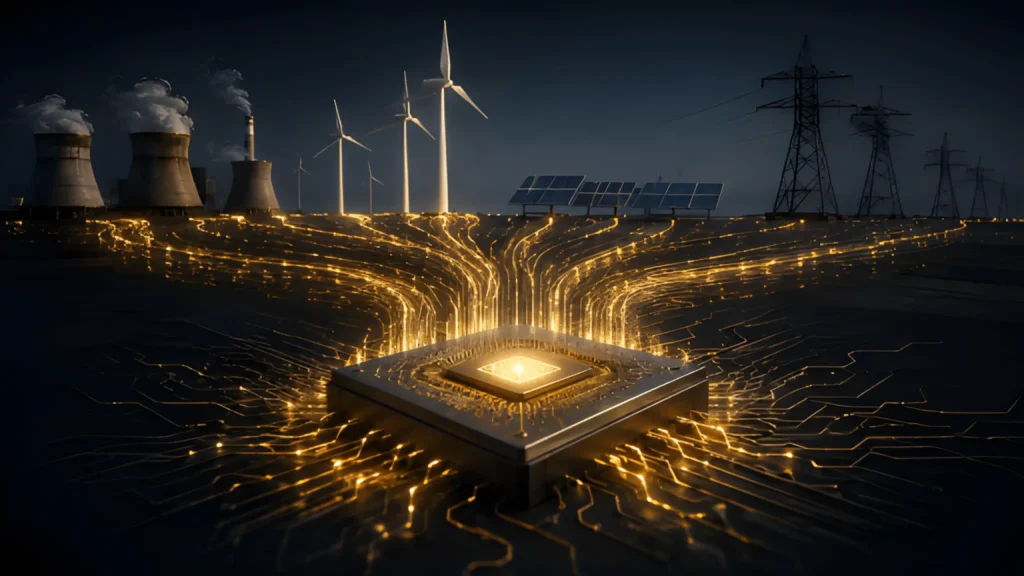
AI infrastructure is beginning to change the economics of electricity in a way that extends beyond the question of whether
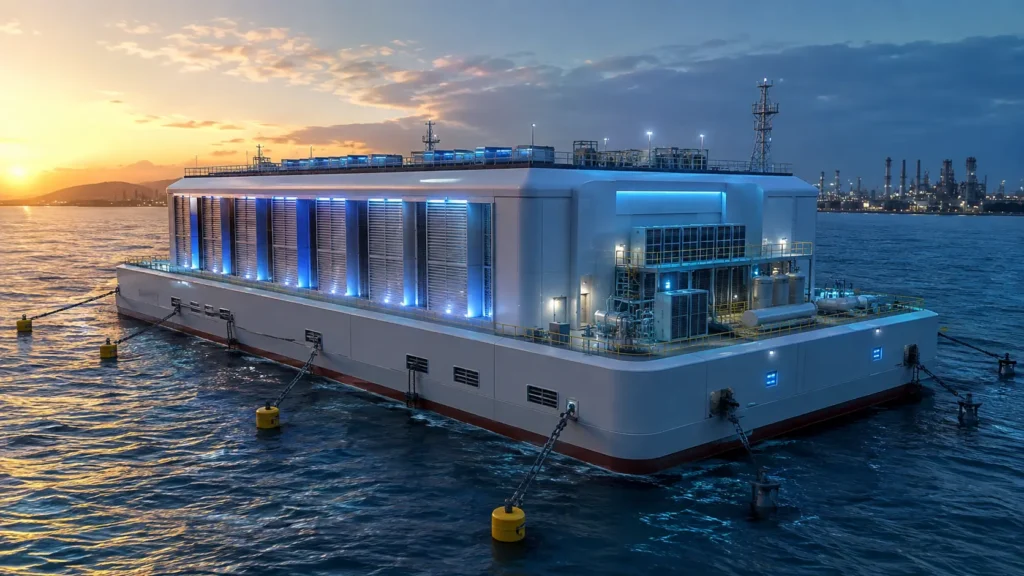
Why Samsung Is Taking AI Infrastructure Offshore AI infrastructure now faces a practical challenge beyond processor availability. Suitable sites also
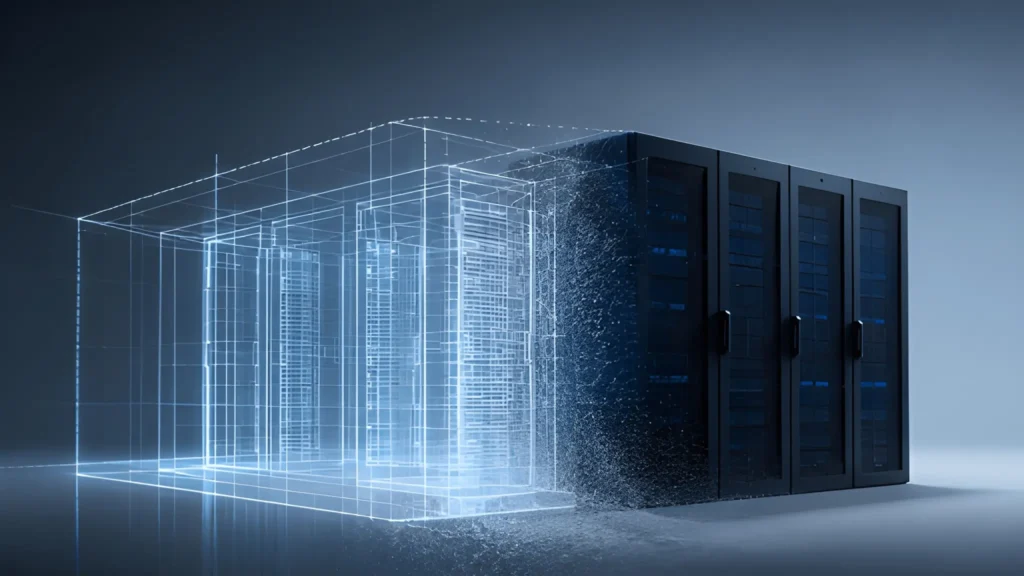
Data center development pipelines can contain projects whose developers secure commercial and grid commitments well before facilities reach physical completion.
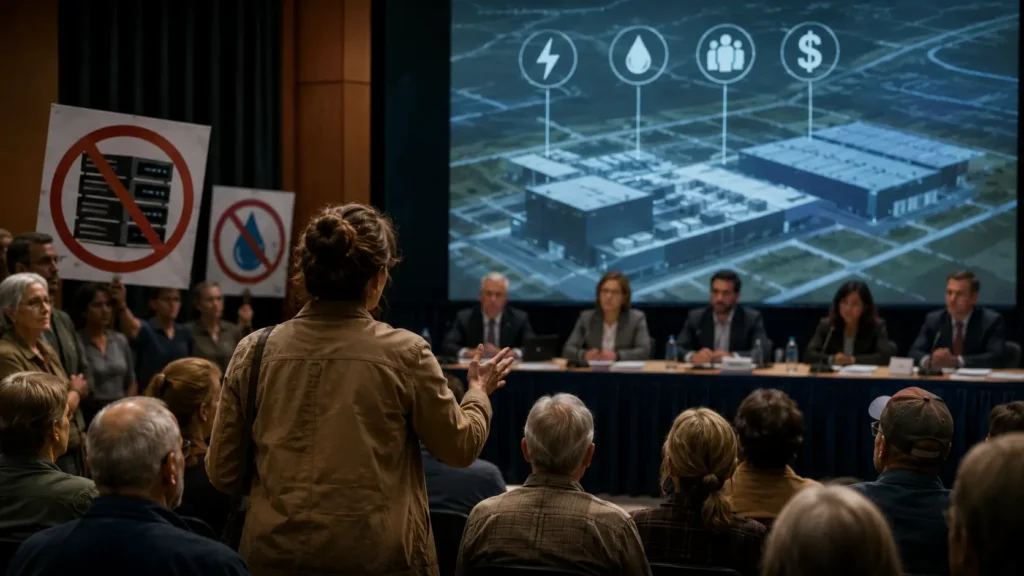
Governments and developers are increasingly pursuing faster and more streamlined planning processes for AI and data-center infrastructure. The argument sounds
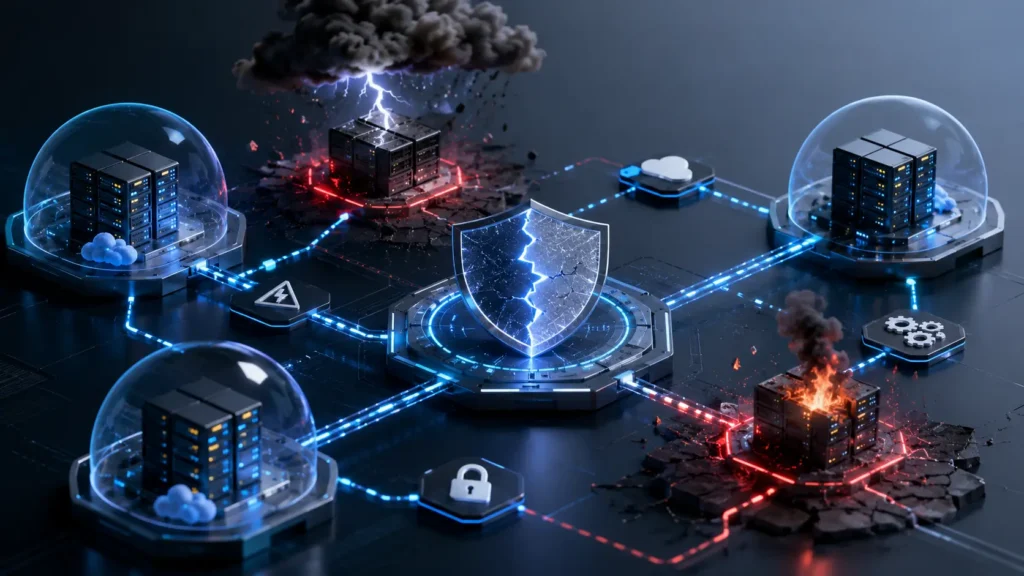
A map can make an infrastructure strategy appear safer than it really is. Two distant locations suggest separation, recovery, and
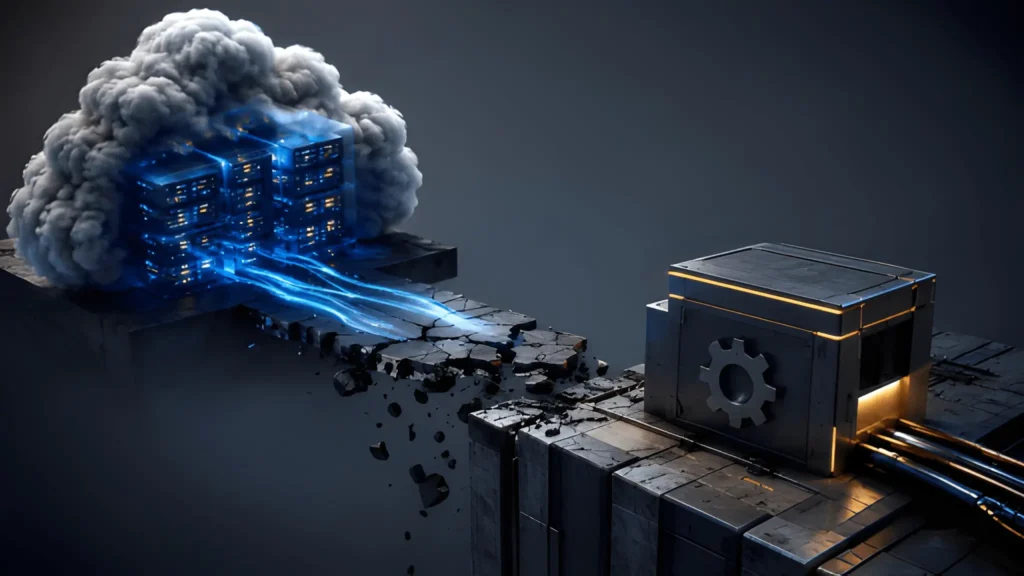
Moving a workload from a hyperscale environment into an enterprise data center can look straightforward when planners view infrastructure as
Capacity Is No Longer Just an IT Procurement Question A CIO can spend months securing cloud commitments and reserving GPU
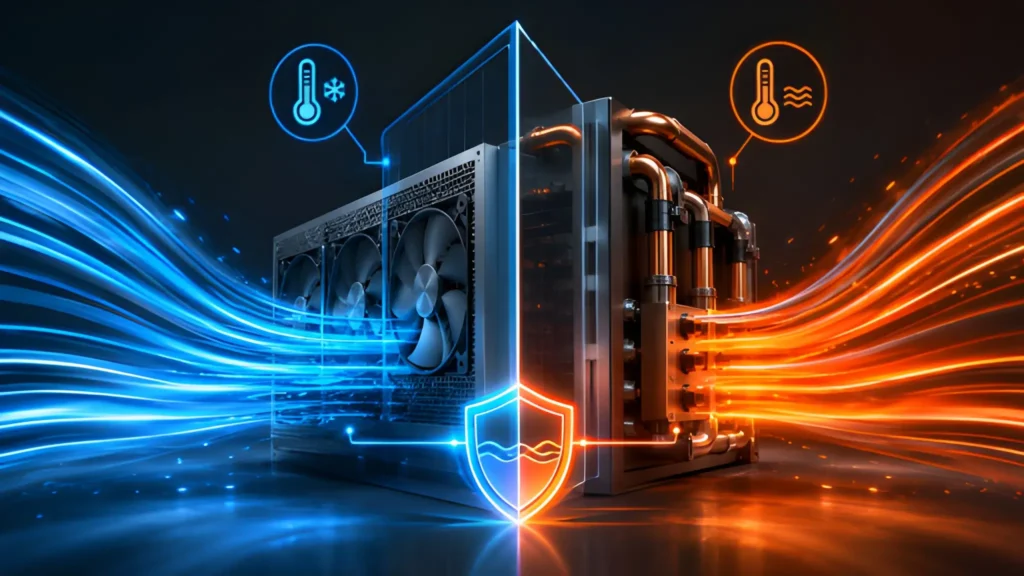
Cooling commitments become difficult to enforce when one room contains equipment that rejects heat into air and equipment that rejects
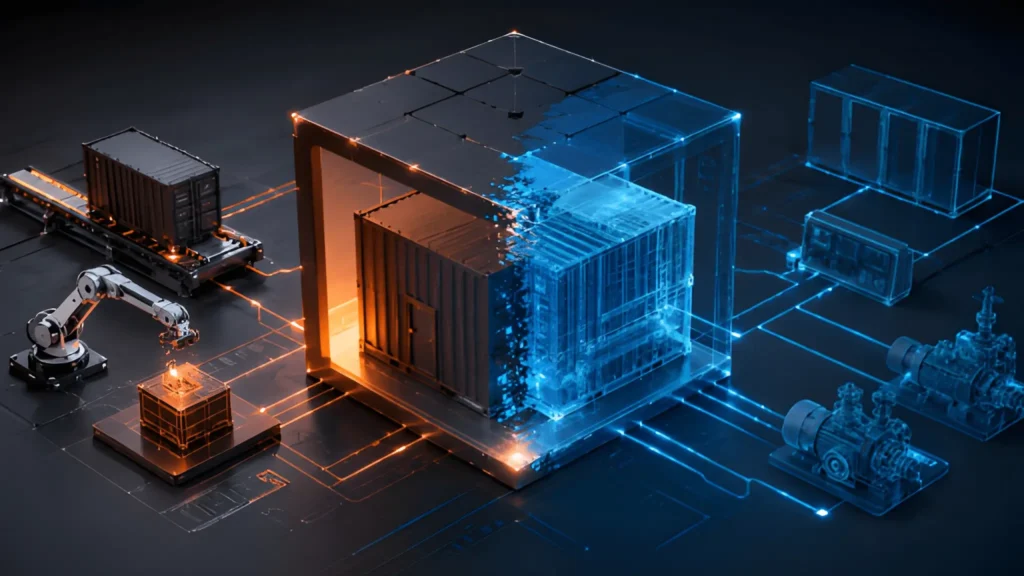
A module can leave a factory looking finished, documented, energized, and ready for shipment, yet none of those conditions answers
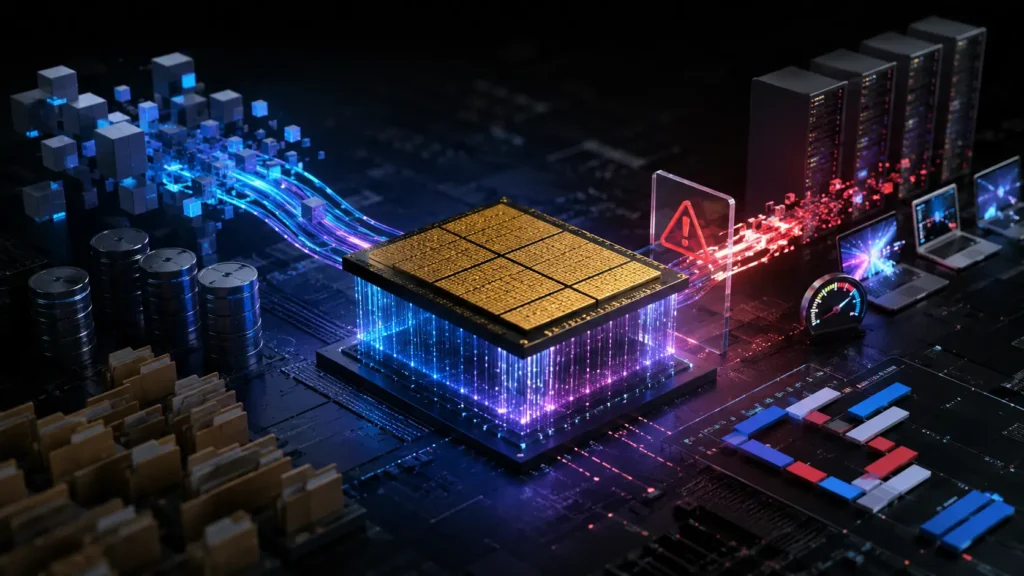
Buying more GPUs can look like a straightforward answer when AI demand starts rising across an organization. Procurement teams see
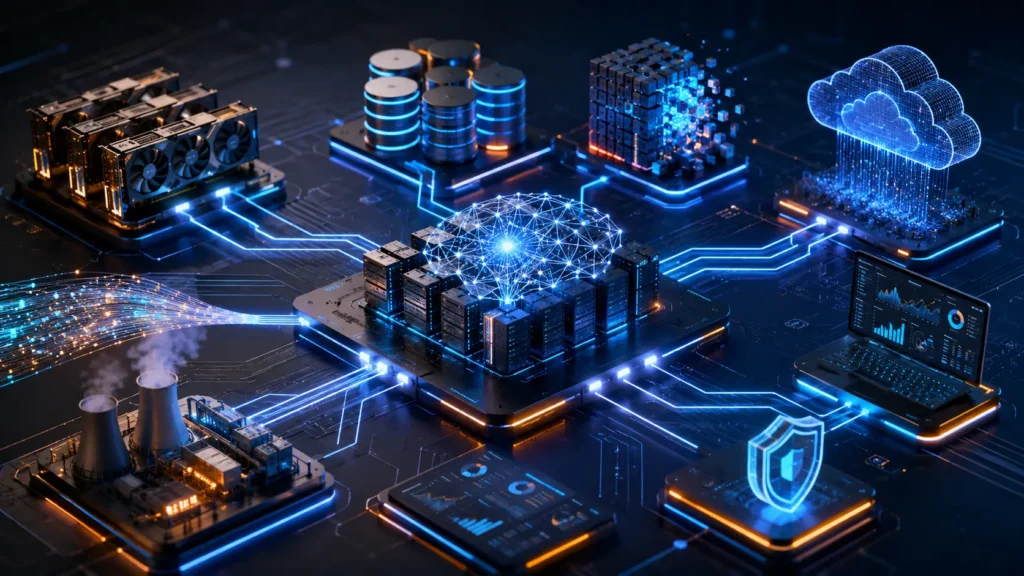
The accelerator invoice is often the easiest number to identify in an AI budget. It can also provide an incomplete
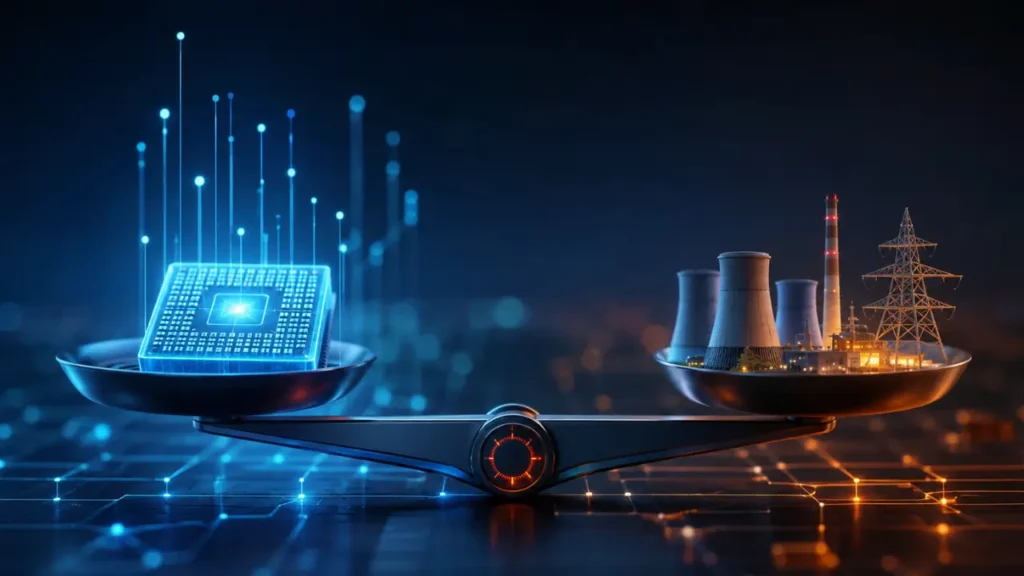
A power request tells a utility how much capacity a site wants, but it does not reveal how productively that

The first sign of infrastructure trouble is not always an alarm. Sometimes, the workload simply begins taking longer than it
A building can look remarkably close to becoming an AI-ready data center while remaining fundamentally incapable of supporting the infrastructure
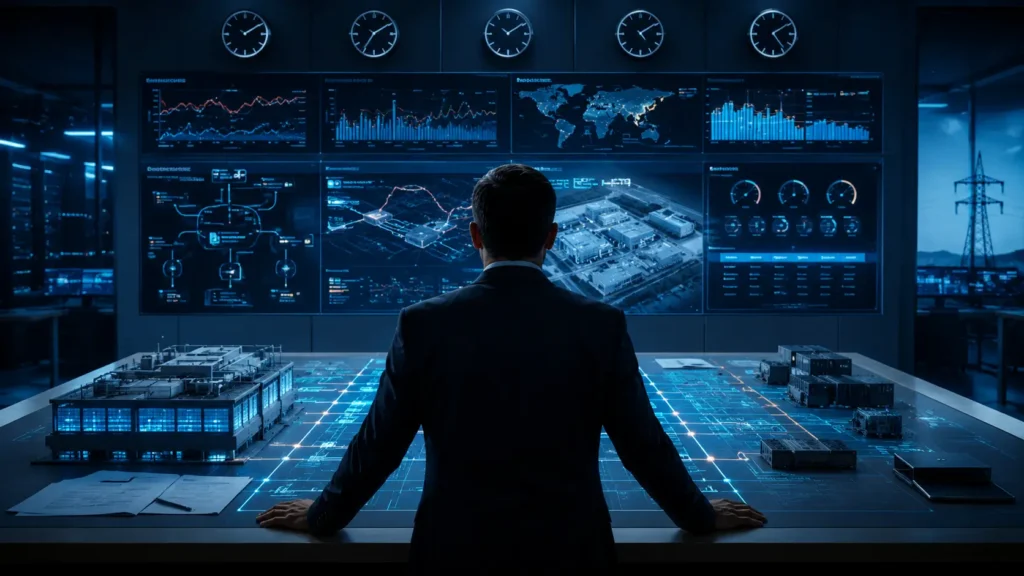
The data center industry has traditionally measured advantage through physical resources. Available power has remained a major consideration. Land cost

AI infrastructure decisions increasingly begin with a practical question. How much of the environment should follow a repeatable design? Enterprise
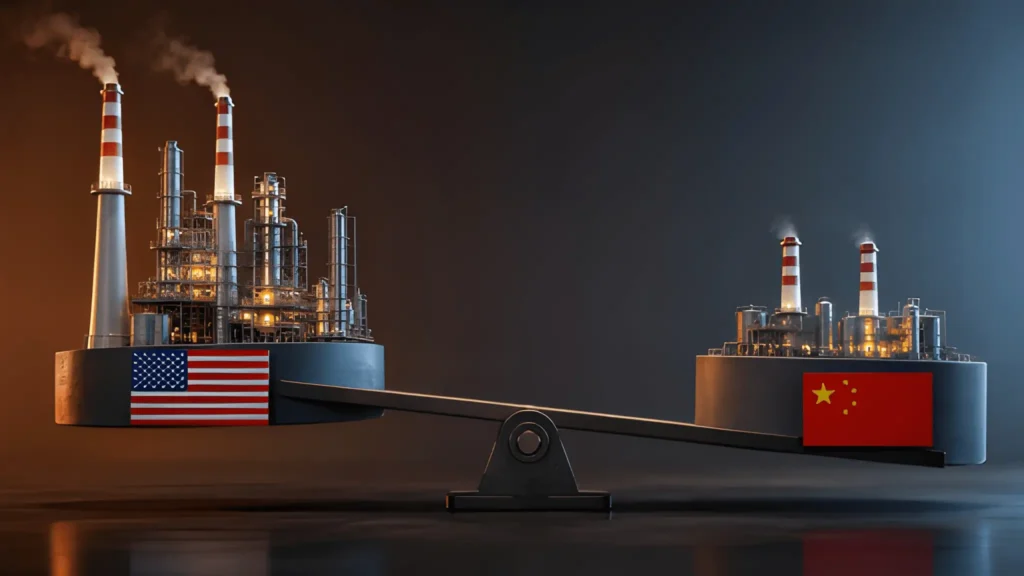
The United States has entered a new phase in the global power race, where the speed of artificial intelligence infrastructure

Cloud region selection used to look like an engineering exercise built around power availability, fiber routes, land, tax treatment, and
An AI system can appear ready to scale until its workload changes enough to expose limitations that the original deployment
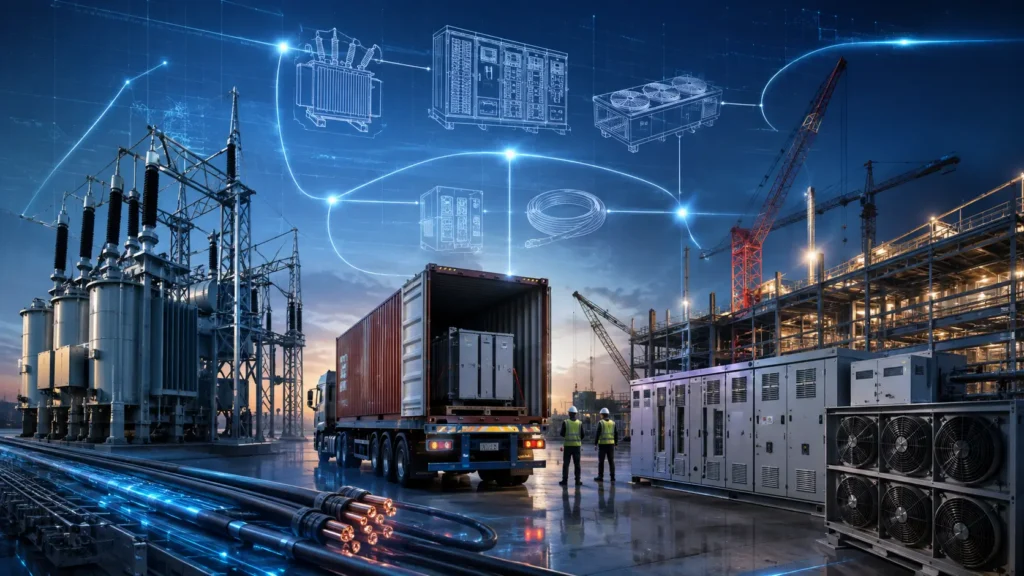
The modern AI data center faces a problem that does not fit inside a server rack. A company can secure
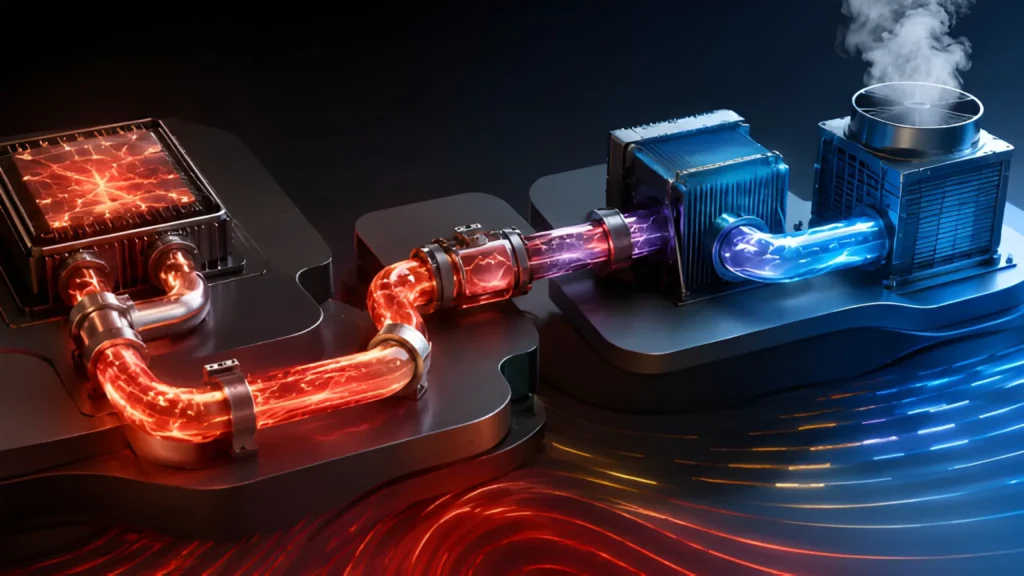
A thermal problem can arrive at the operations desk looking deceptively small, because a rack return temperature can rise, a
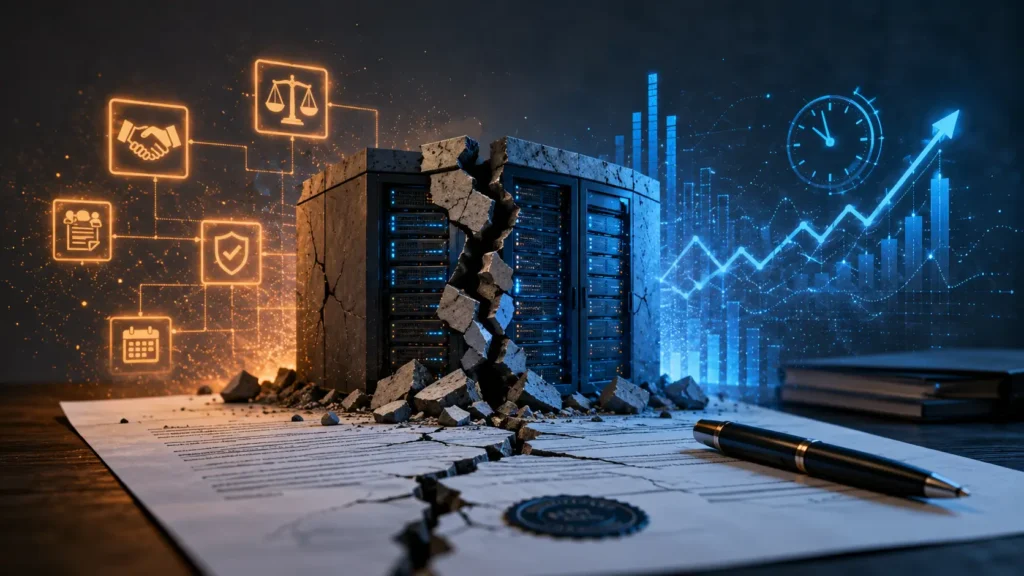
The Contract Can Become the Constraint A capacity contract can look sensible on the day it is signed. Months later,
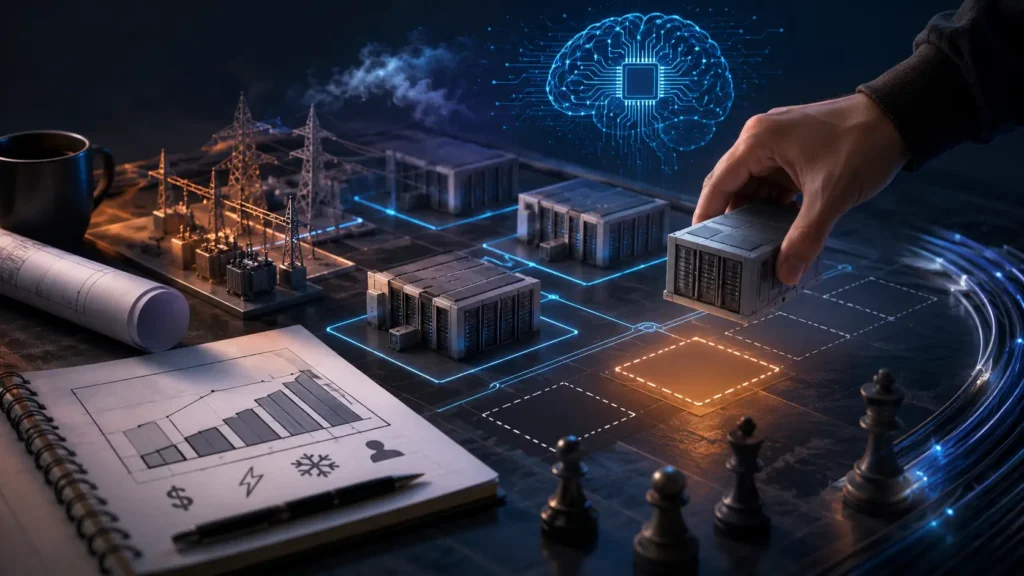
The traditional logic behind data center development has long favored scale. Larger campuses can spread shared infrastructure costs across greater
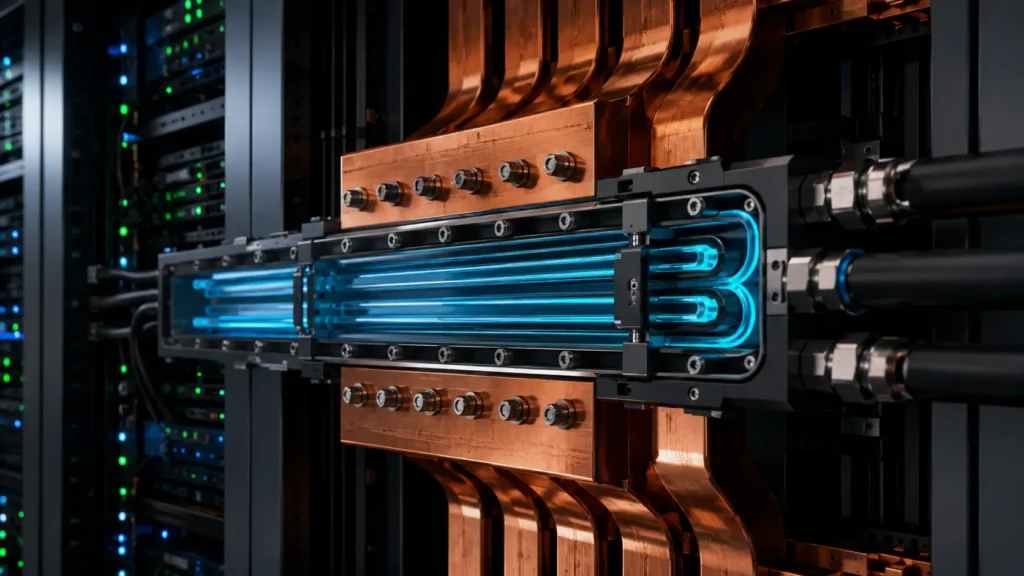
AI infrastructure decisions for high-density deployments increasingly involve what happens after electricity enters the rack, not simply the processors consuming
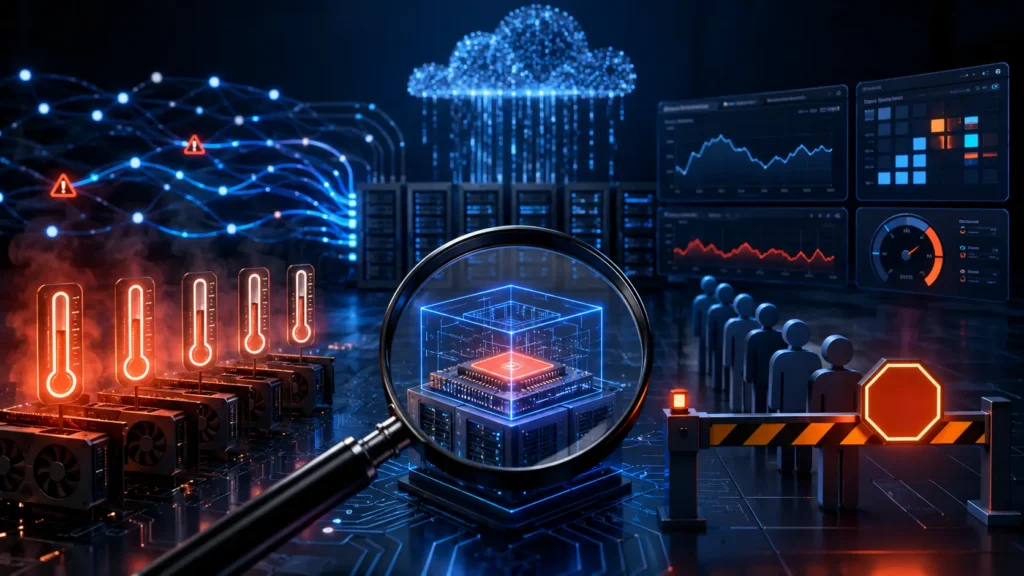
A training job does not need to crash to become less useful. It can remain active while its progress slows,
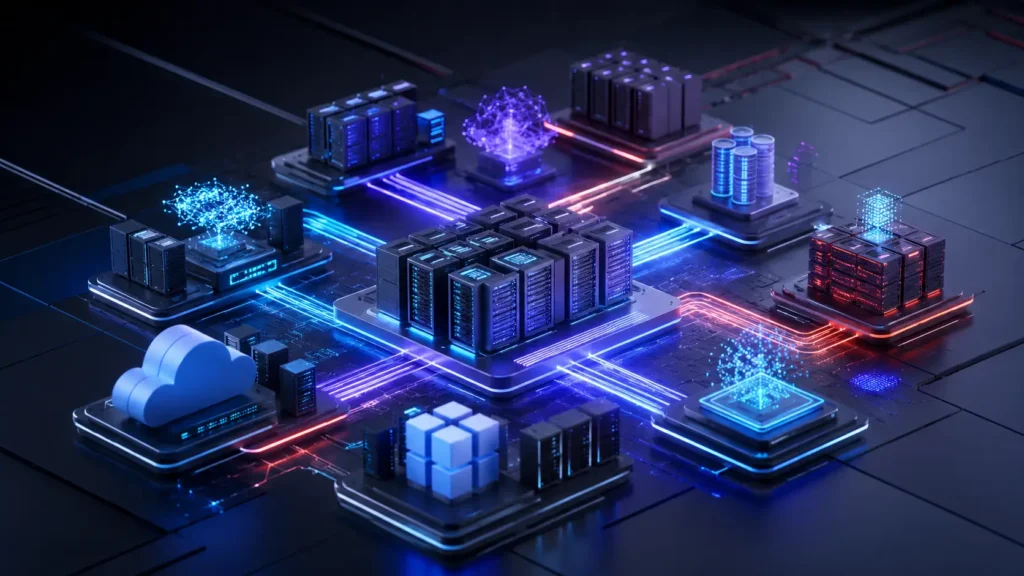
AI campuses increasingly support workloads with different compute and infrastructure needs. They no longer serve only one uniform type of
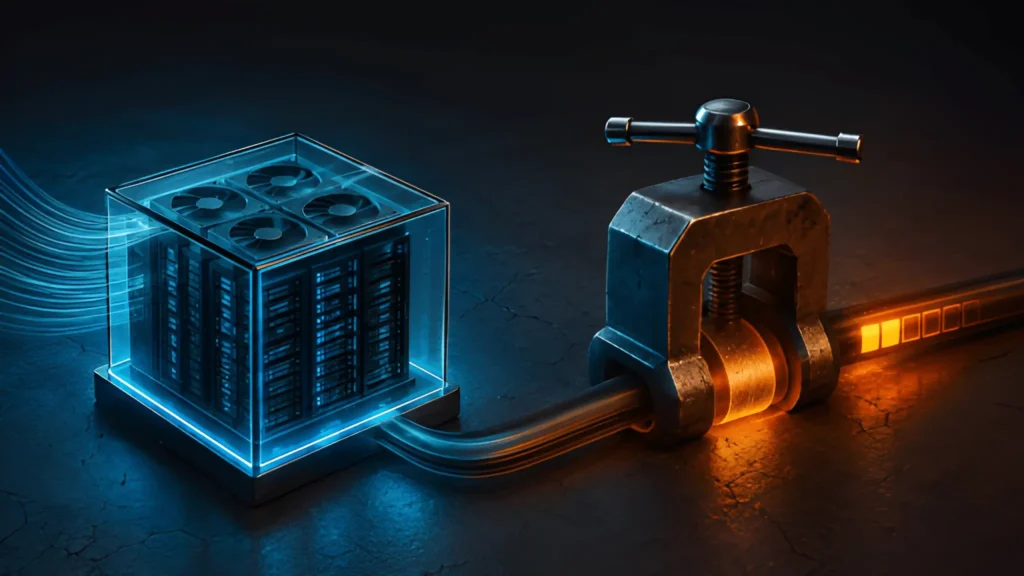
The most revealing sustainability problem in an AI environment may not appear where the sustainability team normally looks. A site
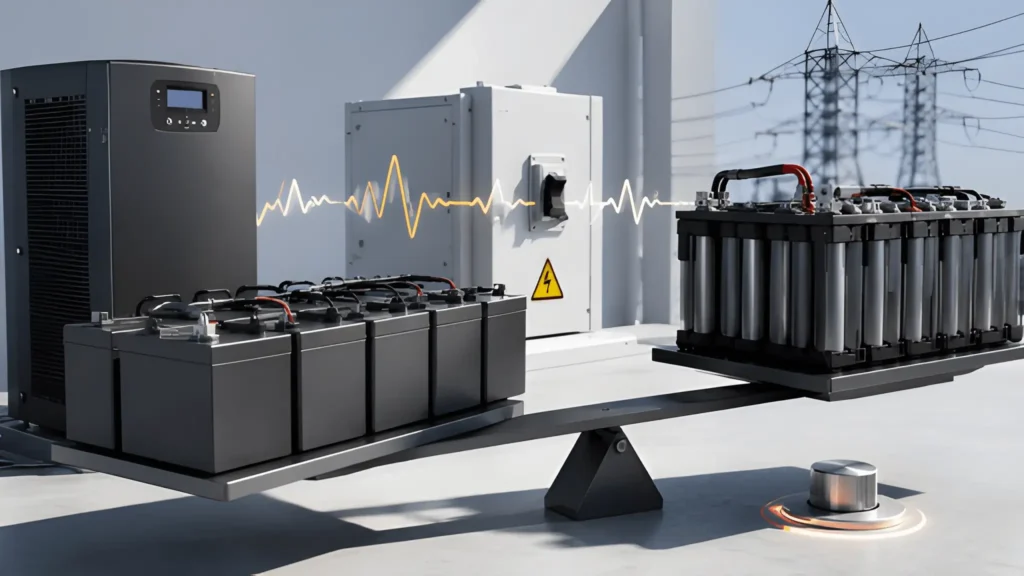
A conventional UPS string exists primarily to buy seconds or minutes, not to serve as a substitute power plant for
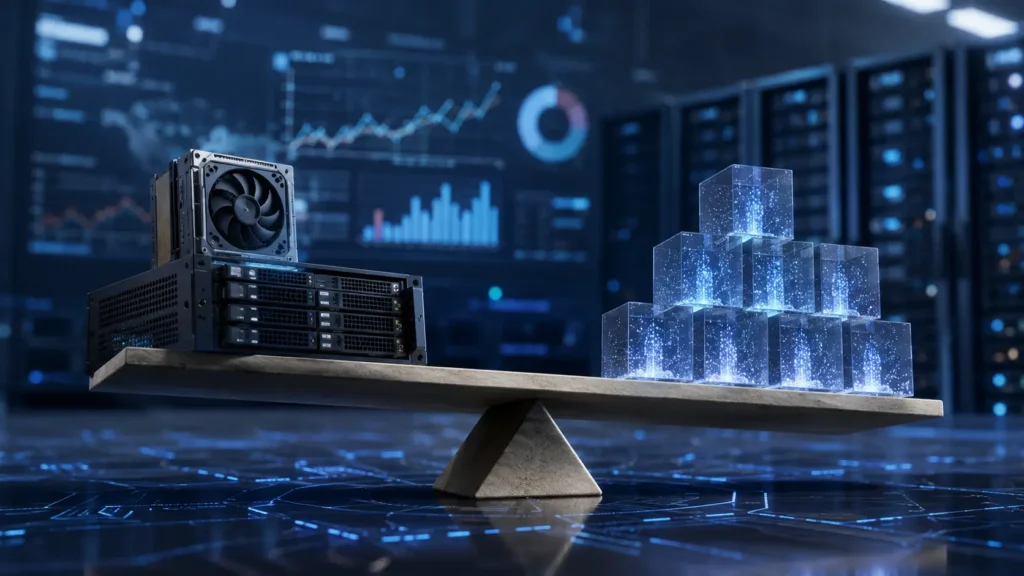
The industry has spent years asking how much capacity it can build For much of the data center industry’s recent
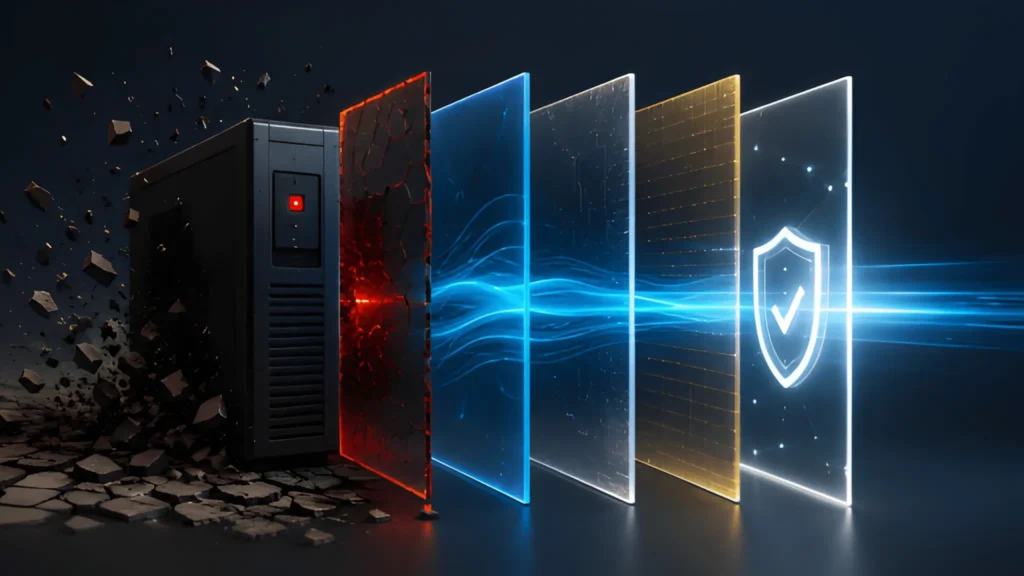
In conventional backup architectures, a power failure often made the UPS the principal ride-through mechanism while generators and transfer equipment
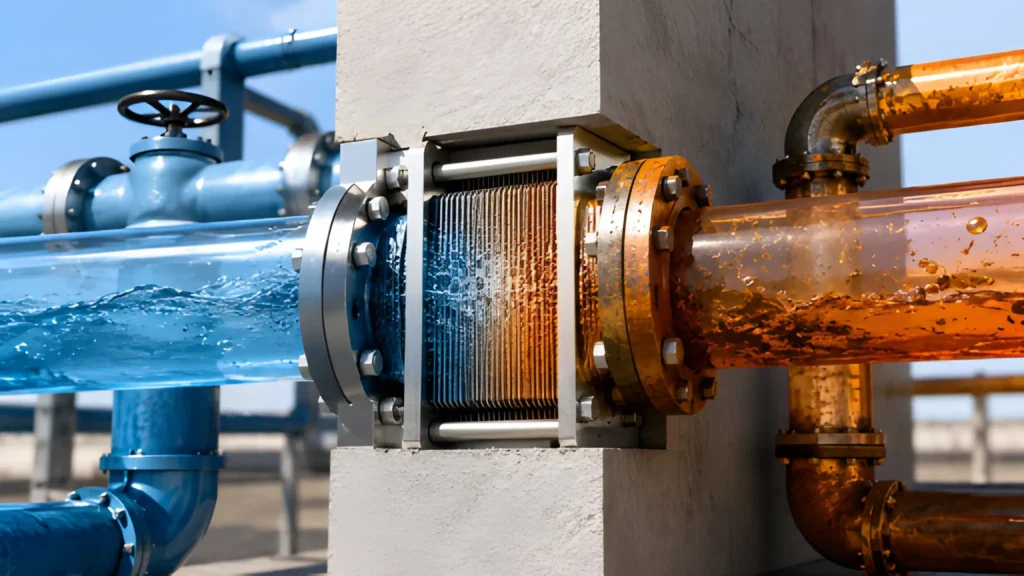
A facility water connection may look like the obvious boundary between building infrastructure and liquid-cooled computing, but the real engineering

AI infrastructure failures do not always begin beside a server rack or inside a containment aisle. A disruption can start
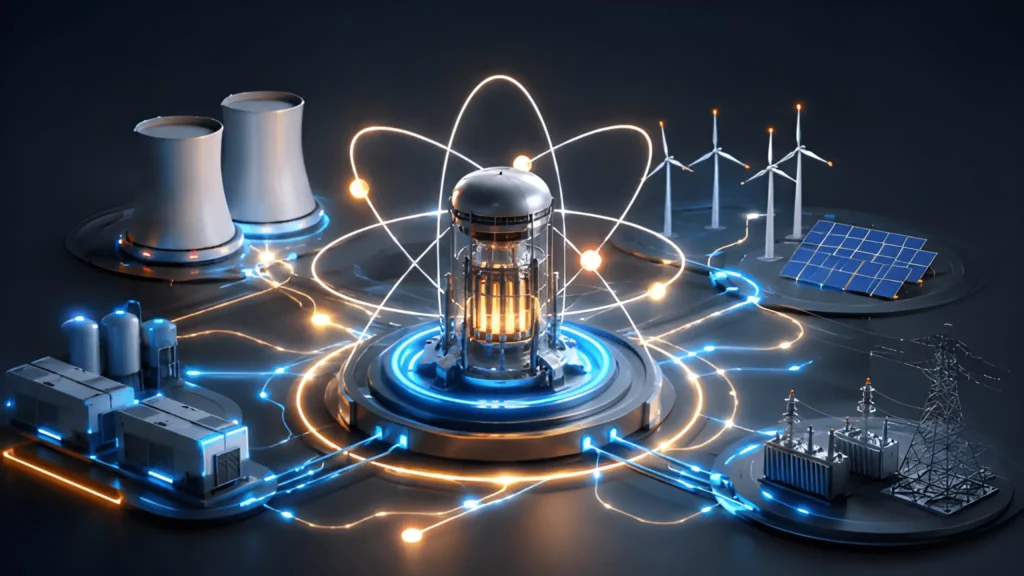
Artificial intelligence infrastructure is entering a phase in which access to electricity can determine whether a compute project moves from
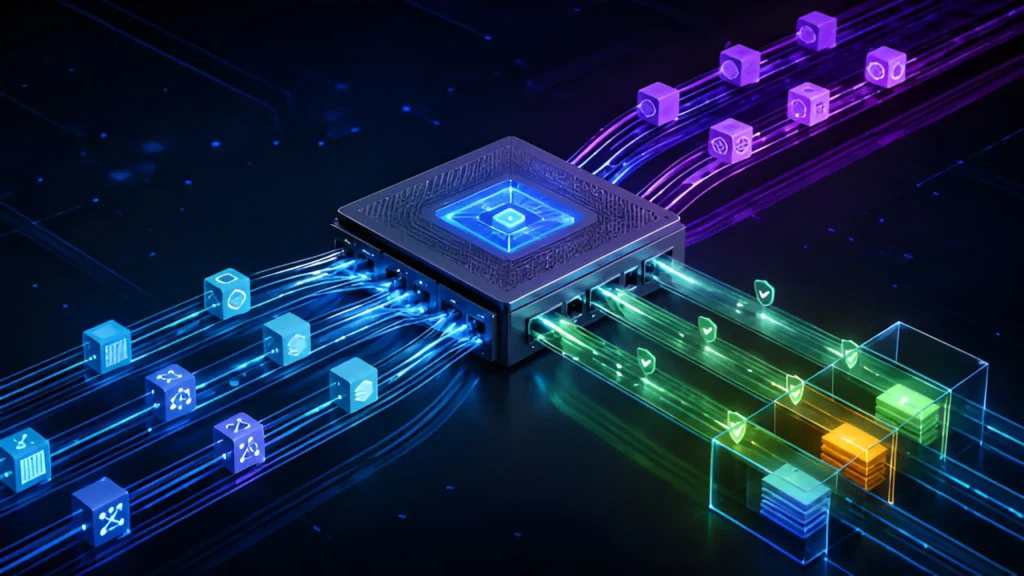
AI networking is reaching a point where knowing where a packet should go is no longer enough to decide how
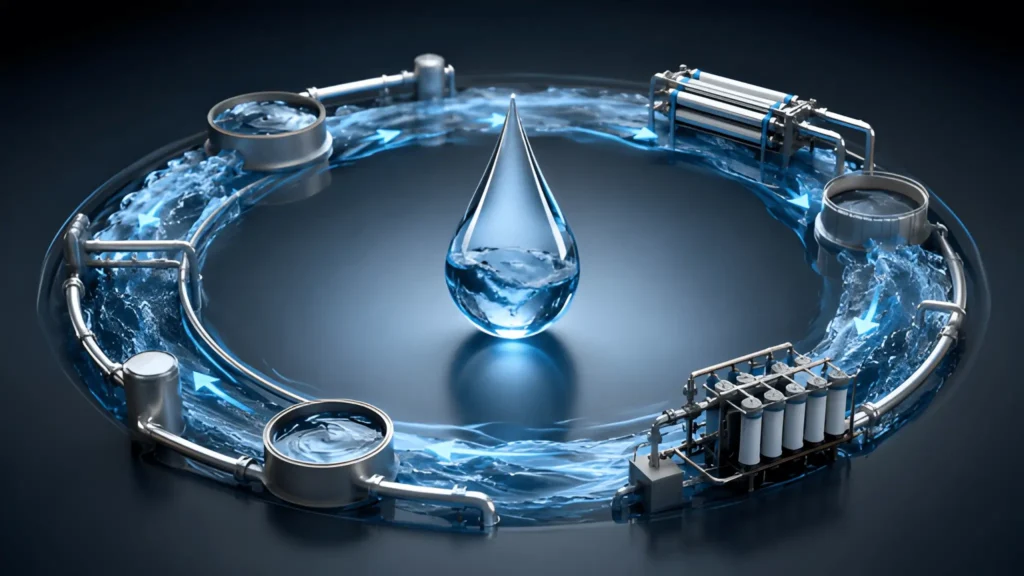
Water rarely announces itself as a constraint until the infrastructure depending on it can no longer assume that supply will
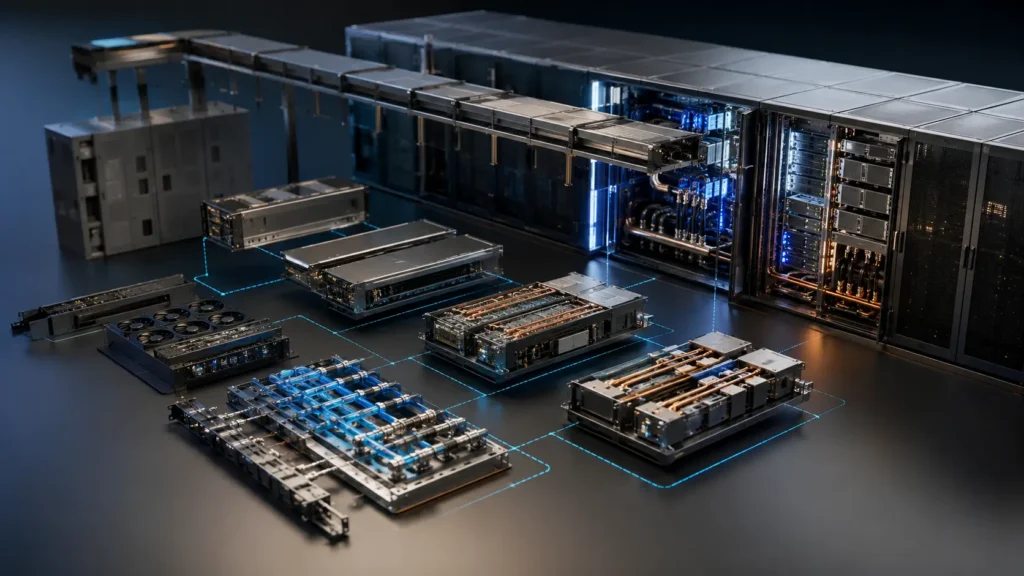
An AI data center can outlive much of the technology installed inside it. The building, major pathways, and core infrastructure
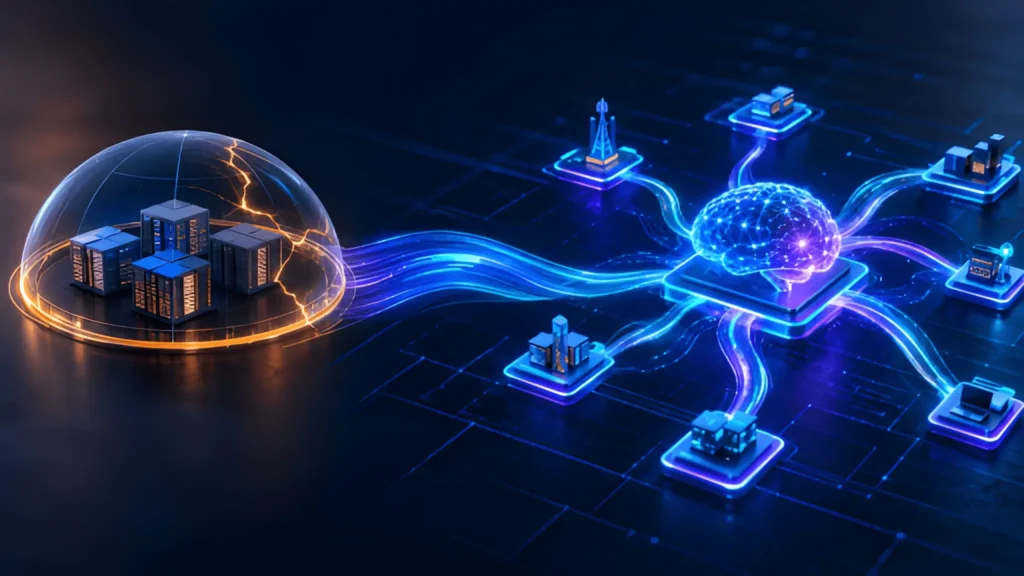
The unit of application design is becoming harder to describe with a single cloud location. An interactive model request can
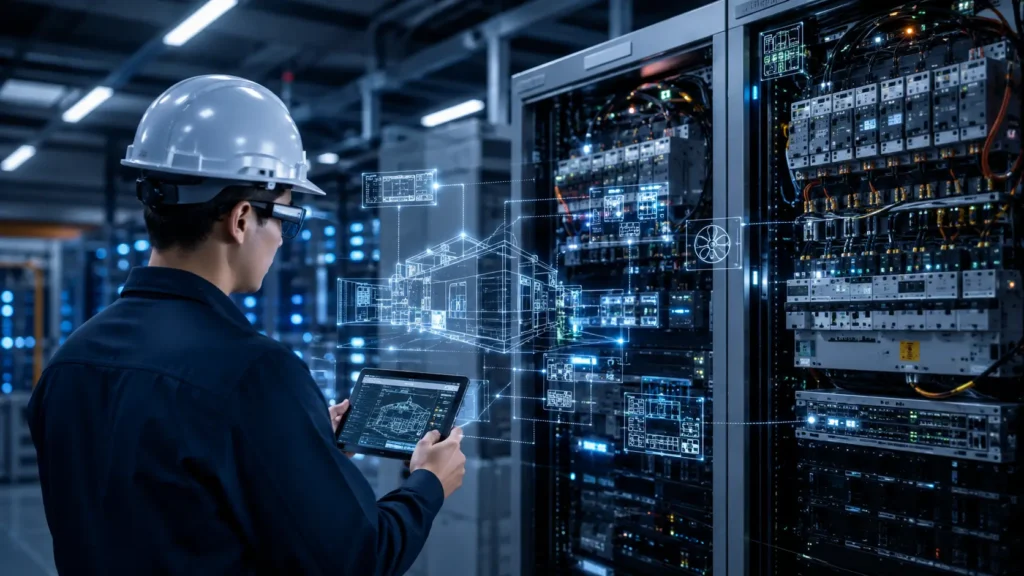
AI infrastructure has a timing problem that traditional data center planning does not solve The useful life of an AI
A data center can move from blueprint to construction while still facing significant work before its full planned computing capacity
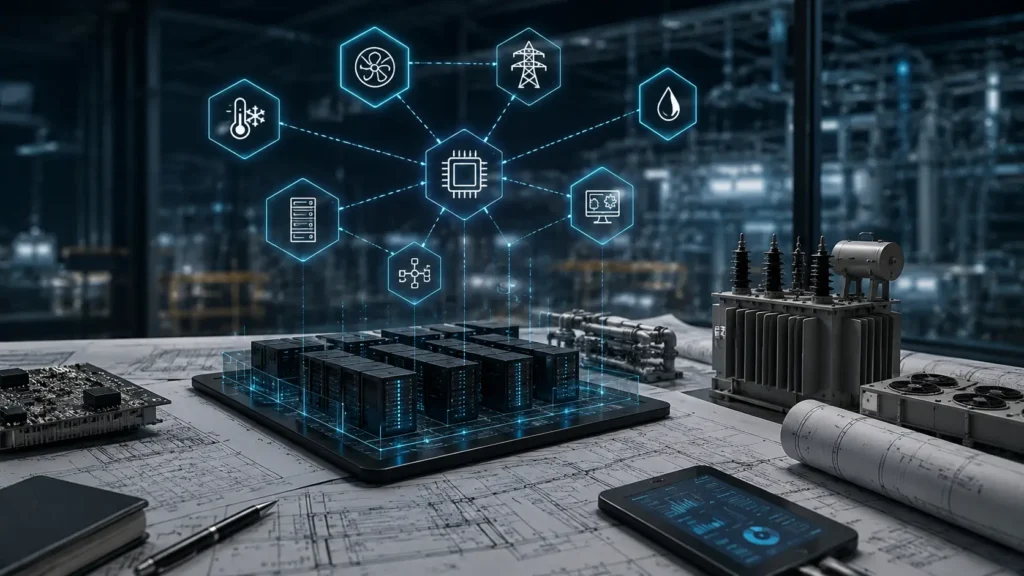
The procurement challenge behind artificial intelligence infrastructure is becoming more complex. Earlier data center projects often divided purchasing into distinct
AI infrastructure is entering an uncomfortable phase in which securing more electricity does not necessarily make the underlying data center
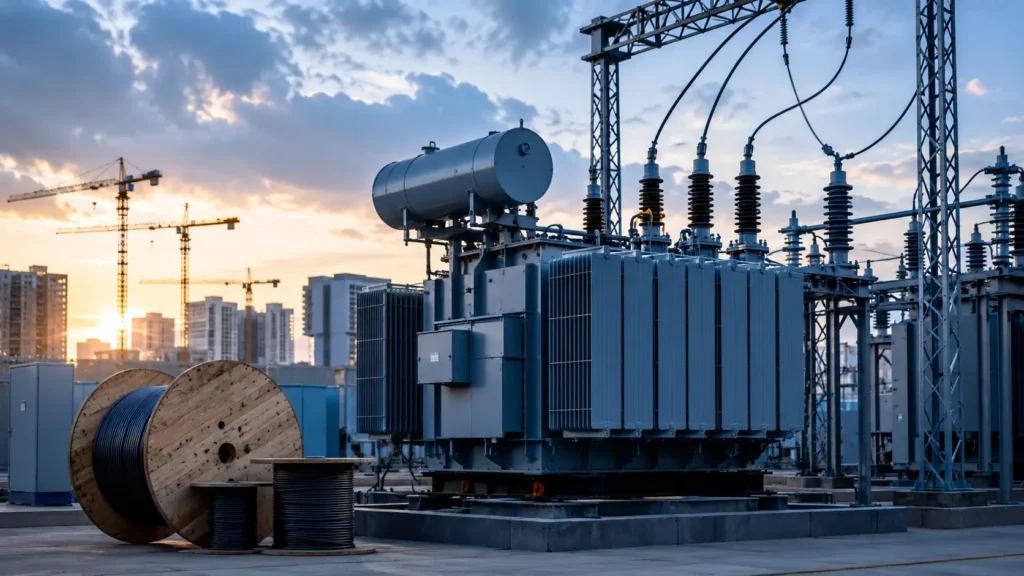
AI infrastructure can move from site selection to construction faster than the electricity system can prepare the connection. That mismatch

A sustainable computing project can look exceptionally efficient from one angle and surprisingly inefficient from another, because the physical systems
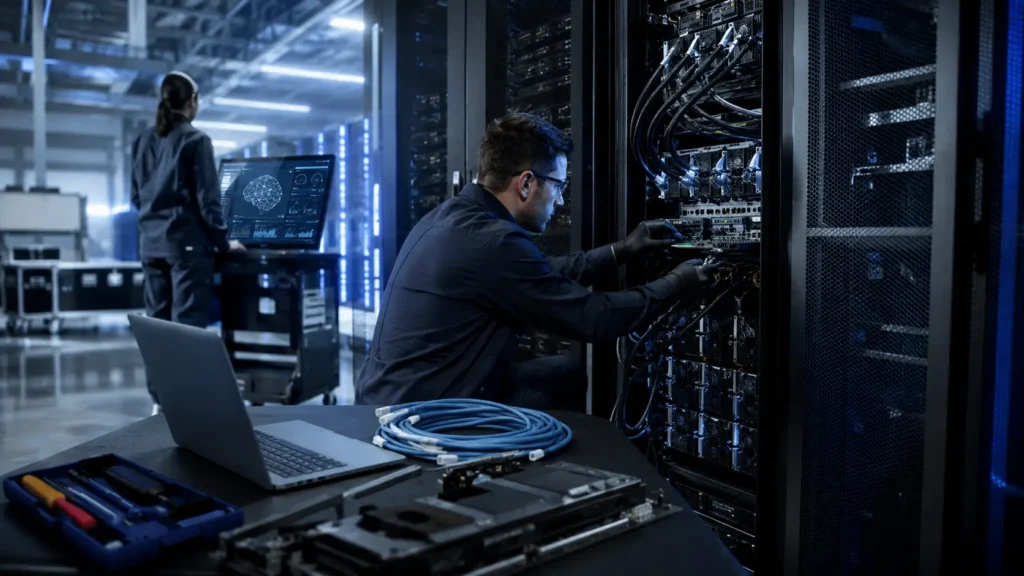
AI Compute Changes the Cost of Maintenance A maintenance decision inside an AI data center can affect far more than
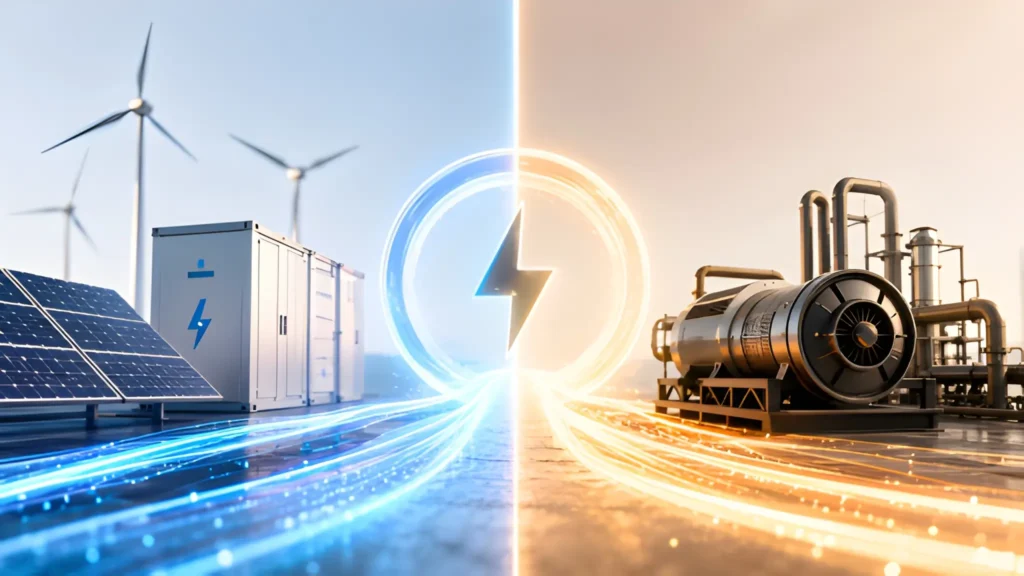
Every campus now under construction for AI workloads carries a hidden decision baked into its opening year: how it gets
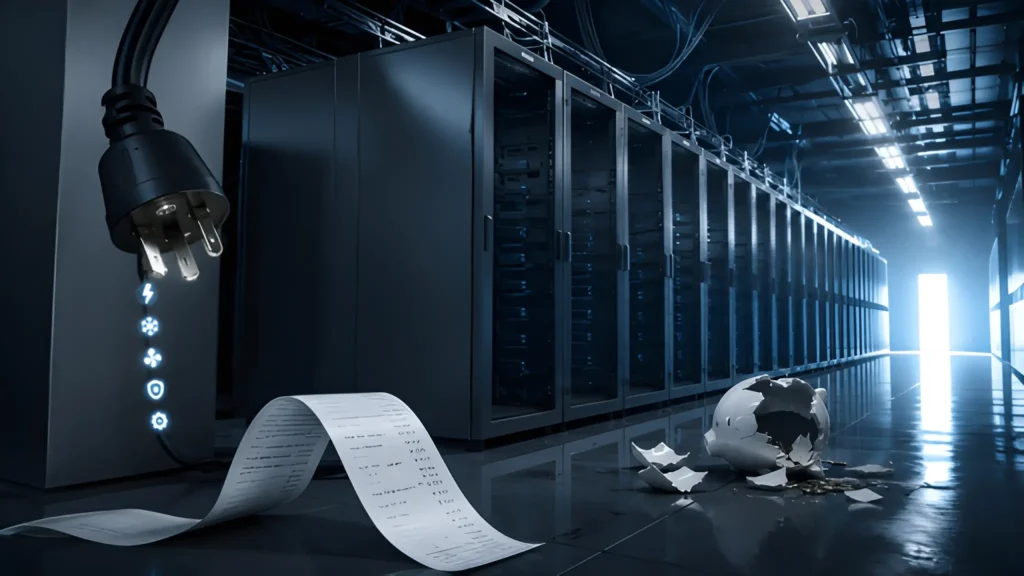
An important cost exposure in a new AI computing site can emerge before customer workloads reach production, because the infrastructure
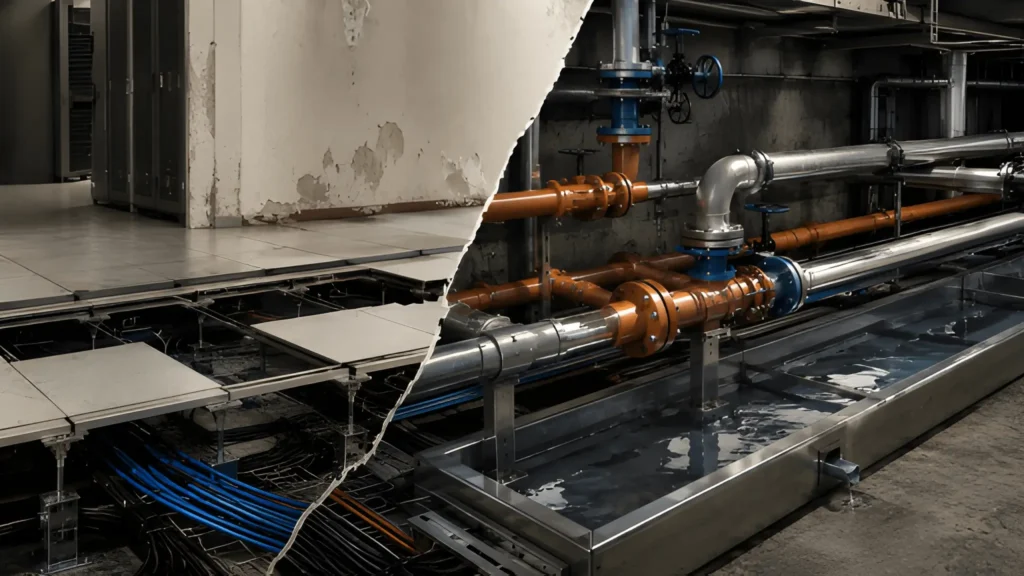
A liquid connection does not enter an existing data hall as an isolated mechanical component because its installation adds requirements

The AI infrastructure decision starts with the workload, not the hardware AI infrastructure becomes a business decision long before anyone
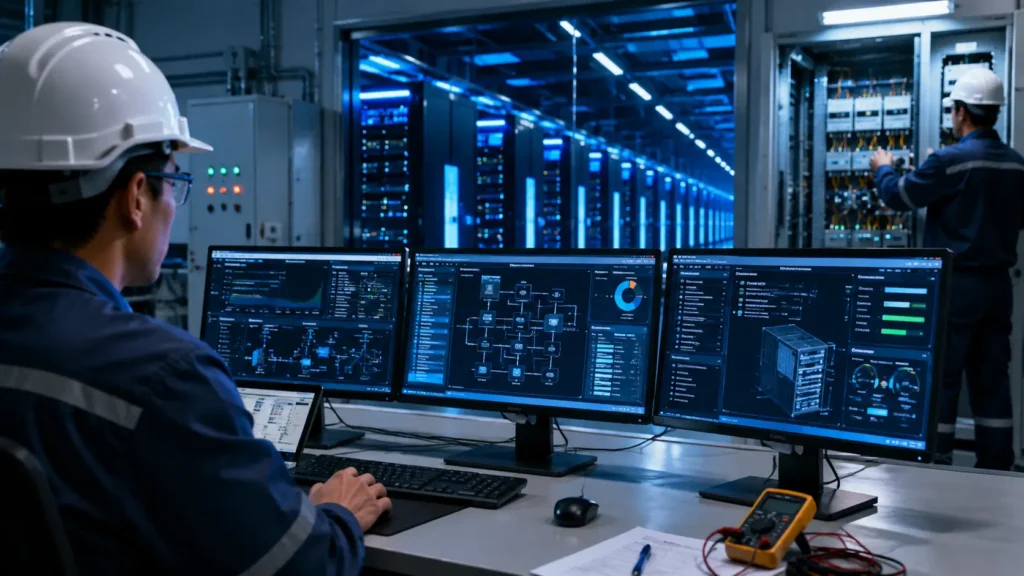
A completed AI facility can look ready while remaining weeks away from useful compute. The difference lies in what happens
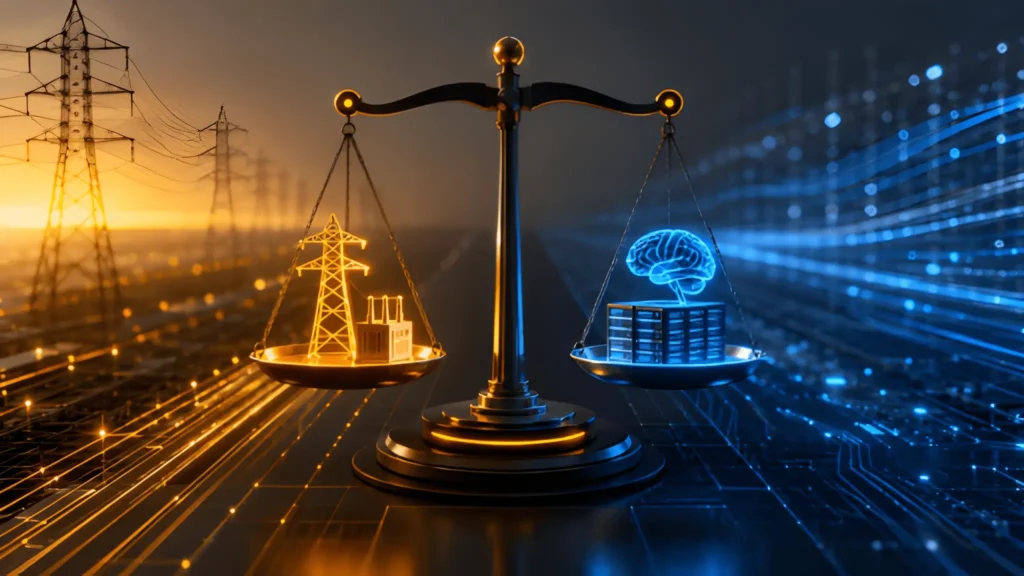
The central power question for AI infrastructure is no longer simply whether enough generation exists, but whether a project can
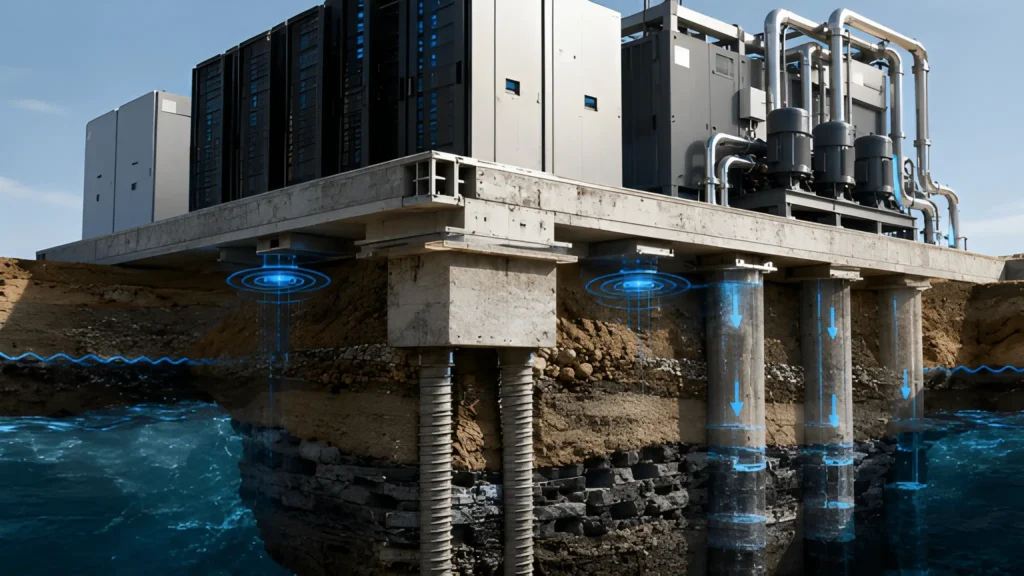
Large-scale computing facilities can look commercially attractive on a site plan while remaining fundamentally unsuitable beneath the finished grade. The
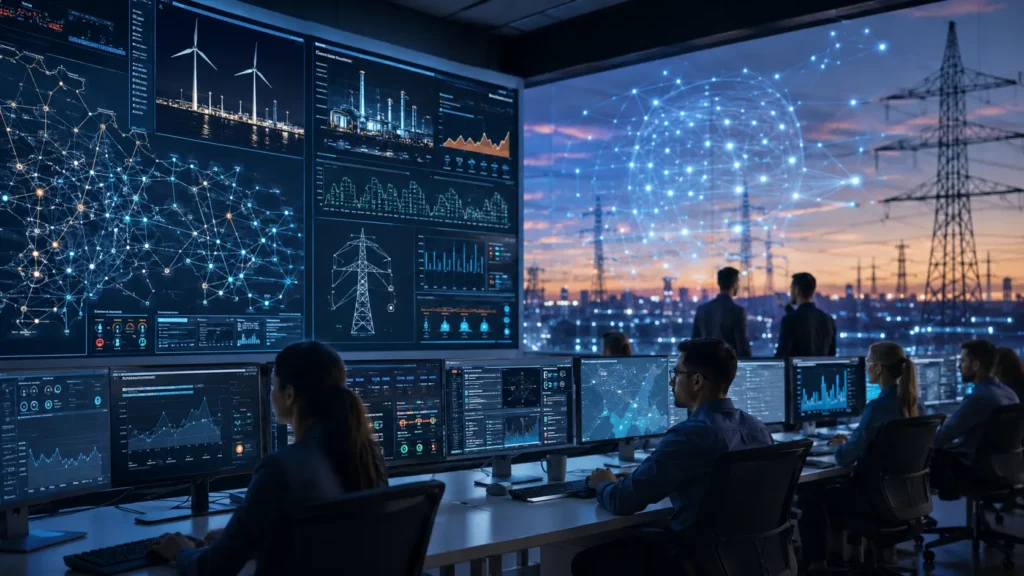
AI Is Moving From Analytics Into Energy Operations Energy companies are moving artificial intelligence into core operational workflows. These workflows
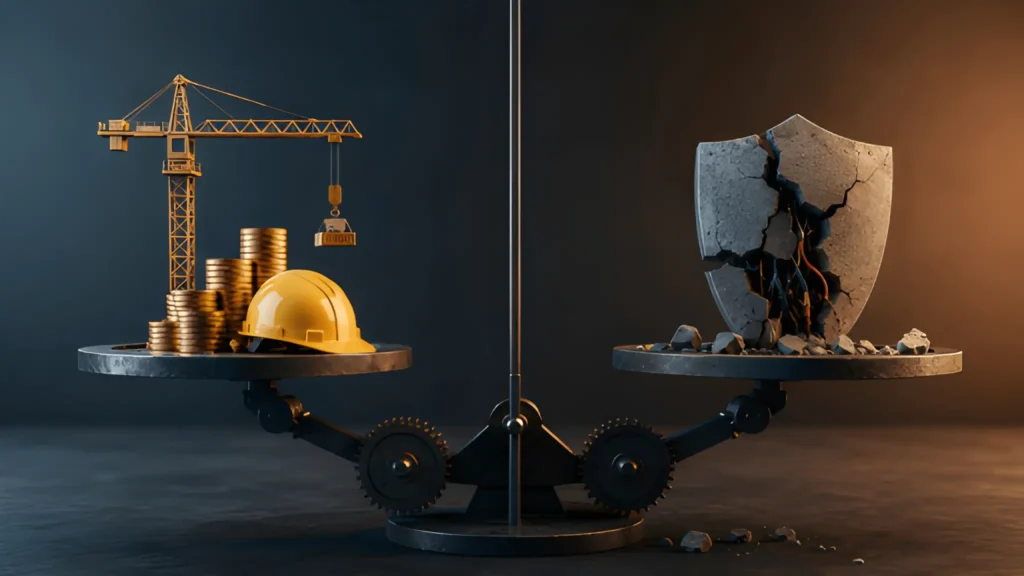
The most consequential moment in a critical infrastructure project does not always arrive when a machine fails, a breaker trips,
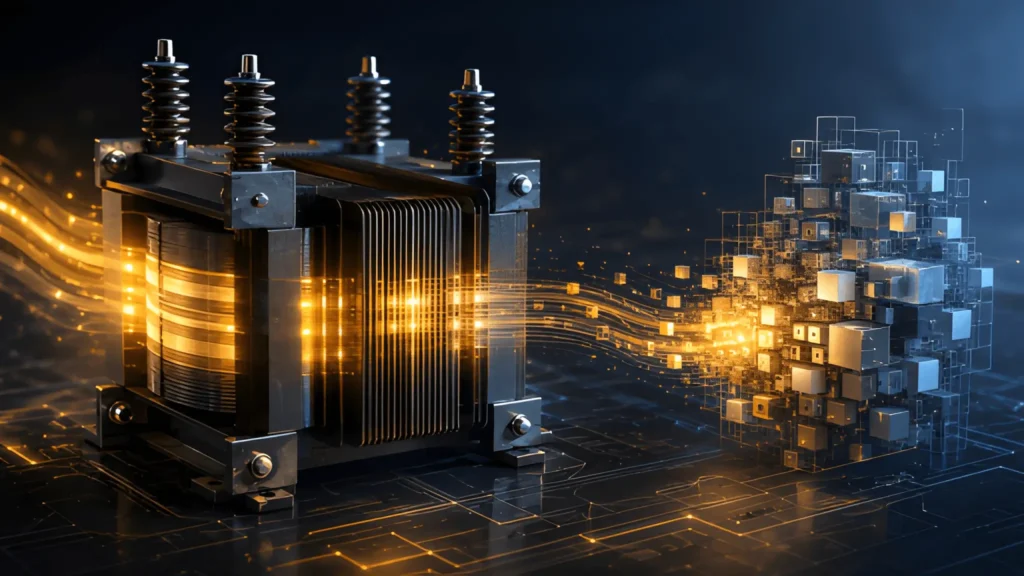
A new transformer factory changes the physical landscape long before it changes the delivery calendar, and that distinction matters when
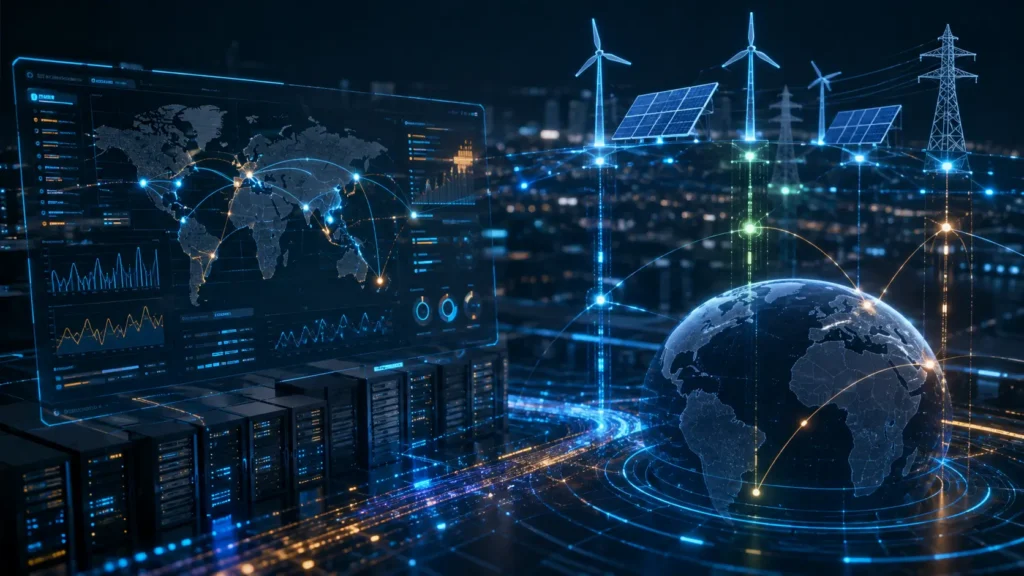
A computing task does not know what powers it at any given moment. The application sees processors, memory, storage, networks,
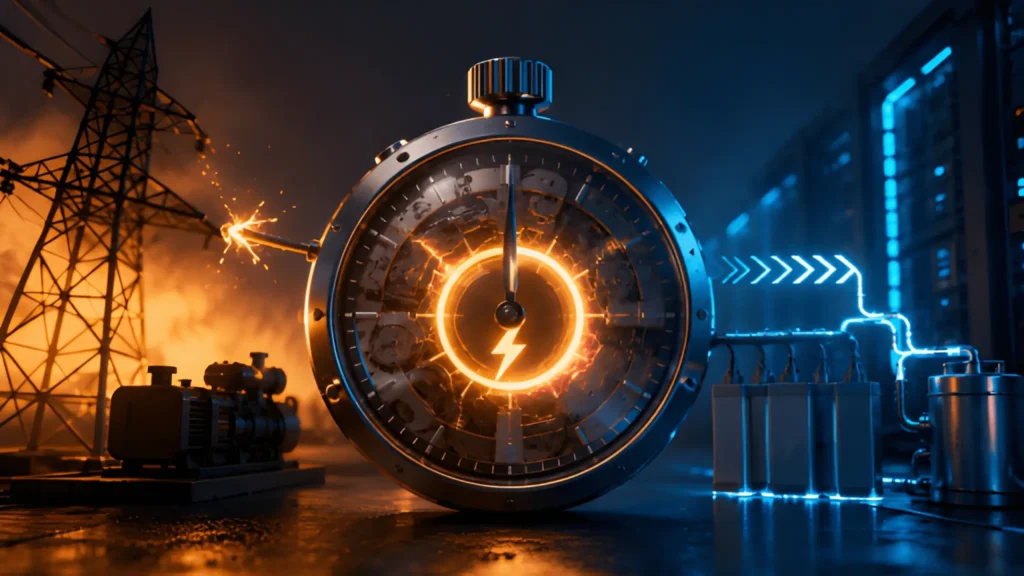
A data center does not suddenly lose power when the utility disappears. It enters a sequence of electrical decisions, each
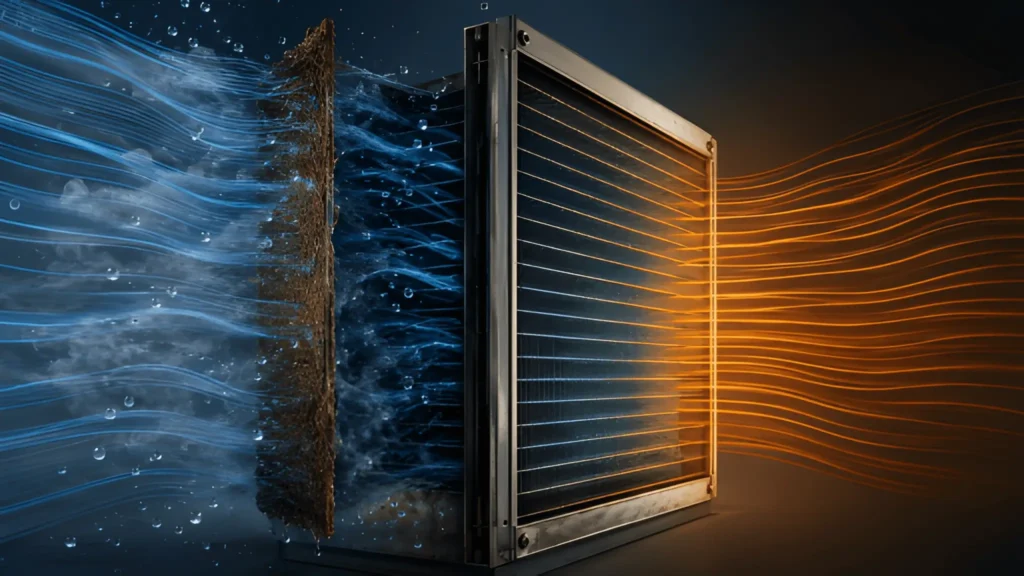
A condenser coil can carry the correct nameplate capacity and still experience operating conditions that its original aerodynamic design never
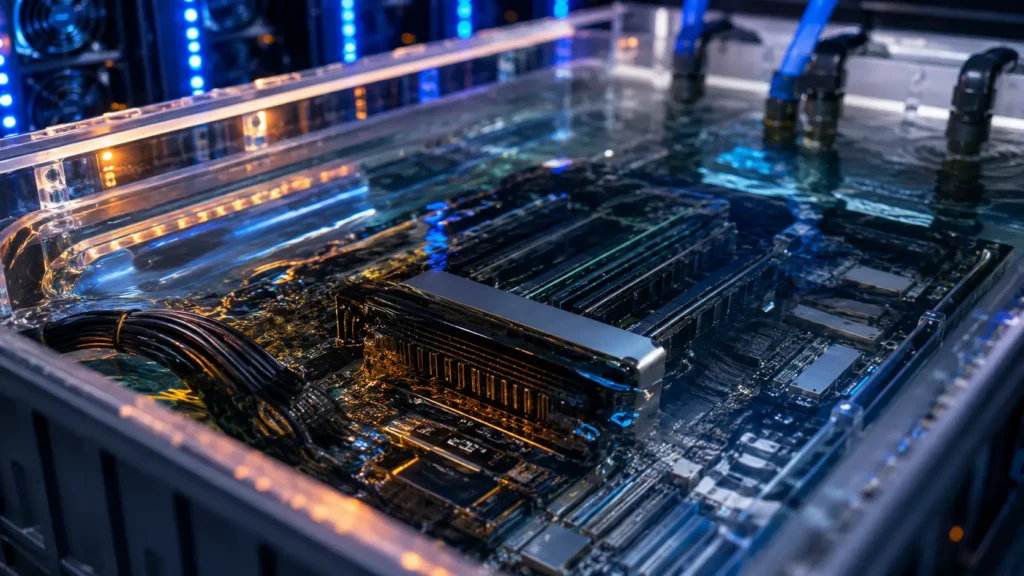
The heat problem is becoming an infrastructure problem AI data centers now face a thermal challenge tied directly to compute