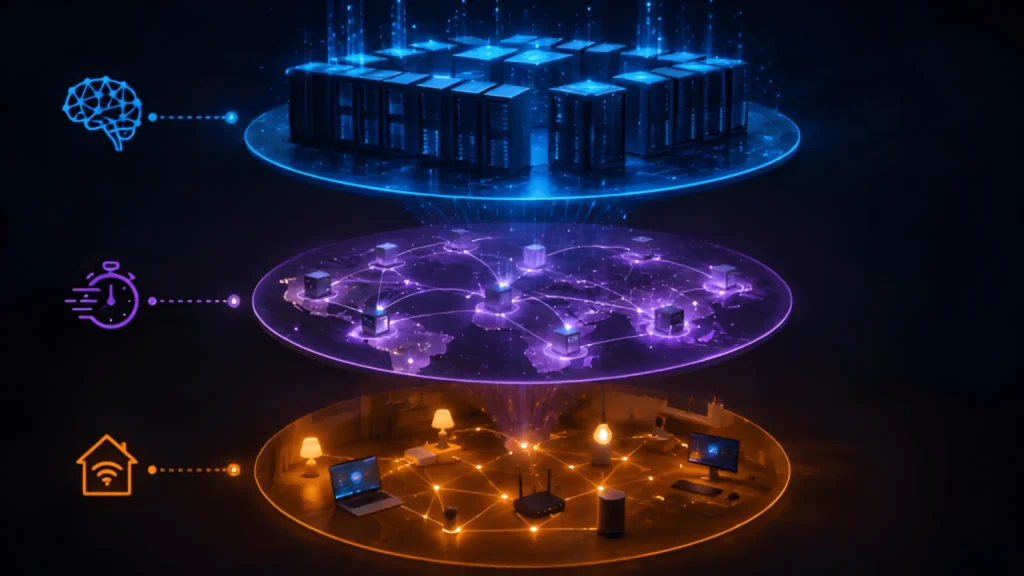
A Third Layer Is Forming: Training Campuses, Regional Inference, Then Homes
The next shift in AI infrastructure may not arrive as another larger machine, a faster accelerator, or a more imposing

The next shift in AI infrastructure may not arrive as another larger machine, a faster accelerator, or a more imposing
The data center industry has a measurement problem hiding in plain sight. A facility can have vacant halls, available megawatts

The central question in the AI infrastructure boom is no longer simply how much compute the market can build, but
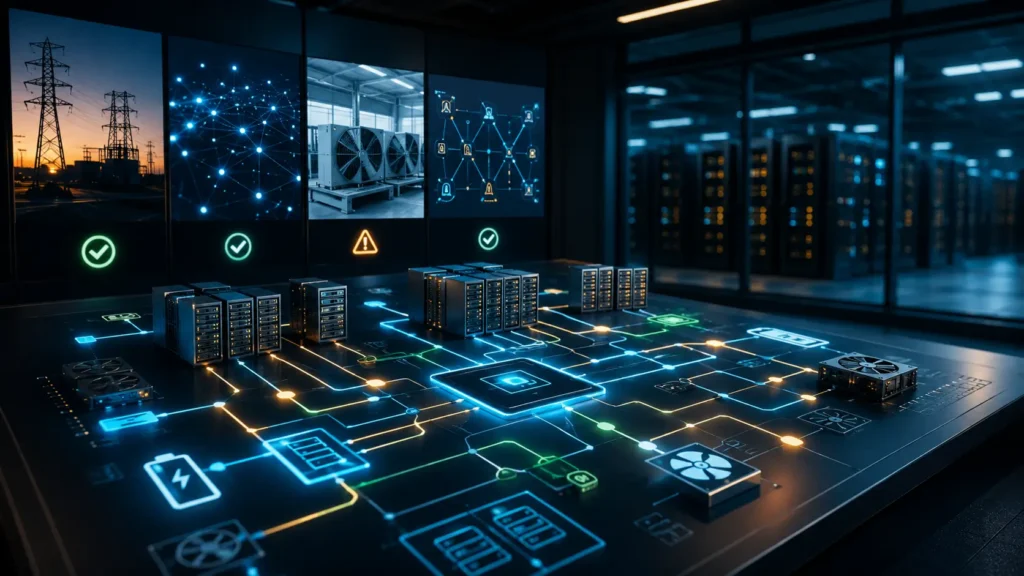
Redundancy Must Start With Business Impact A failed power module is not necessarily the same business event as a failed

A fiber connection used to offer a reassuringly simple commercial object: traditional connectivity arrangements commonly define a physical connection through
The first indication of a cooling problem can come from measurements within the compute cooling path rather than from room

A large power connection can face challenges beyond the equipment required to serve it, because the project must also align

The hardest question in AI infrastructure is no longer who can build more compute. It is who remains responsible when

Modus has raised $10 million in seed funding to build infrastructure designed to solve a growing problem in enterprise AI:
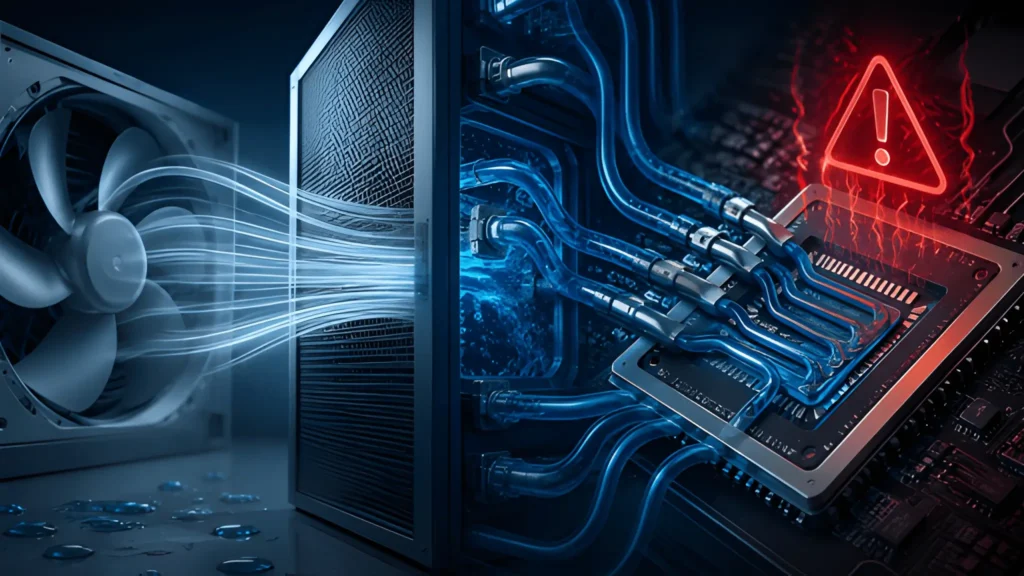
Liquid cooling changes what “ready” means inside a high-density computing facility because the cooling path now reaches directly into the
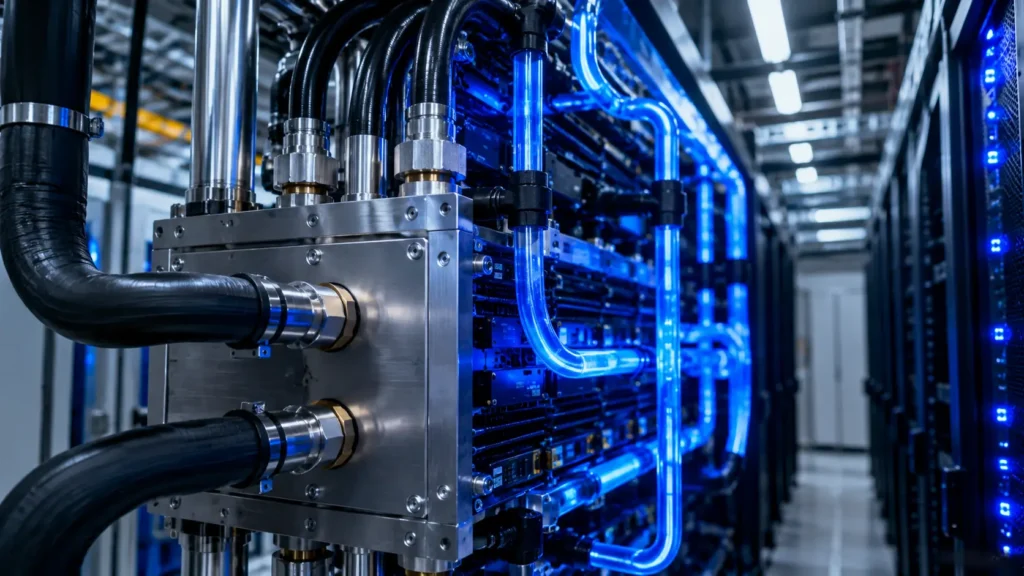
AI cooling infrastructure costs are becoming harder to separate from computing economics. The industry has focused heavily on GPUs, accelerators,

The easiest place to imagine a data center is not necessarily the easiest place to build one. A server campus

An AI server usually carries an implicit assumption that someone will eventually be able to replace it. That assumption becomes

Groq has raised $350 million in a Series A round as the AI infrastructure company moves to expand its inference

A model request does not end when an answer reaches the screen, because every inference draws on computing capacity, electricity,
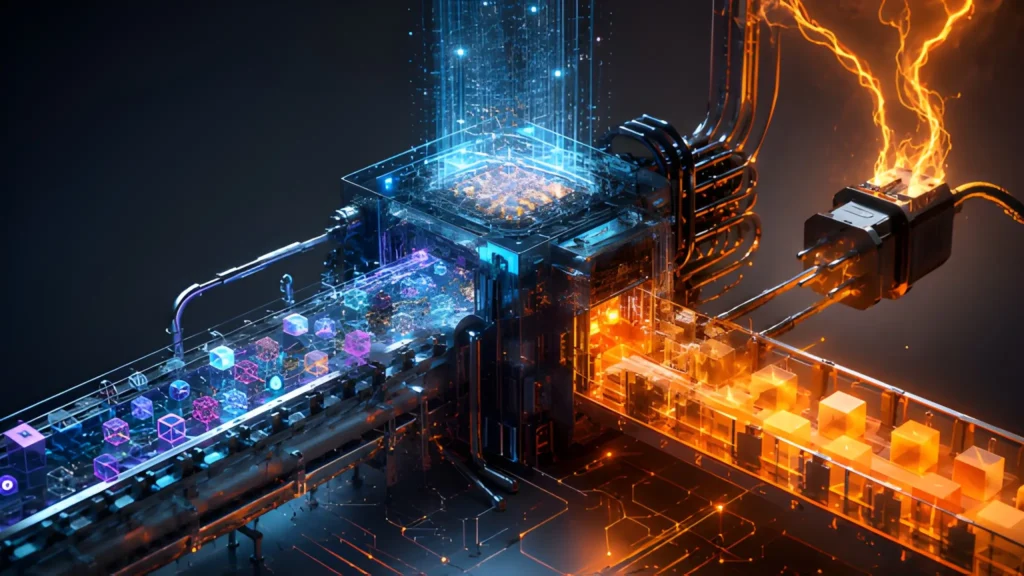
A training pipeline can now consume a model’s own outputs as raw material for another training cycle, creating a workload

A piece of land can sit untouched for years and still become strategically important when it provides control of a
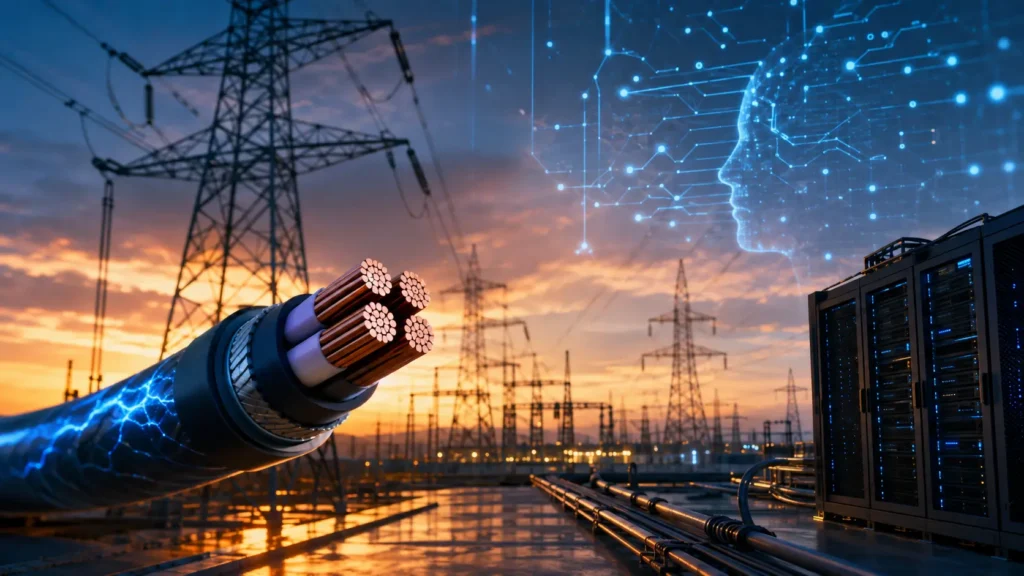
AI infrastructure is entering a phase where the biggest constraint may sit far away from the application layer. The processors

A parcel can look perfect on a map and still be years away from becoming a working data center site,
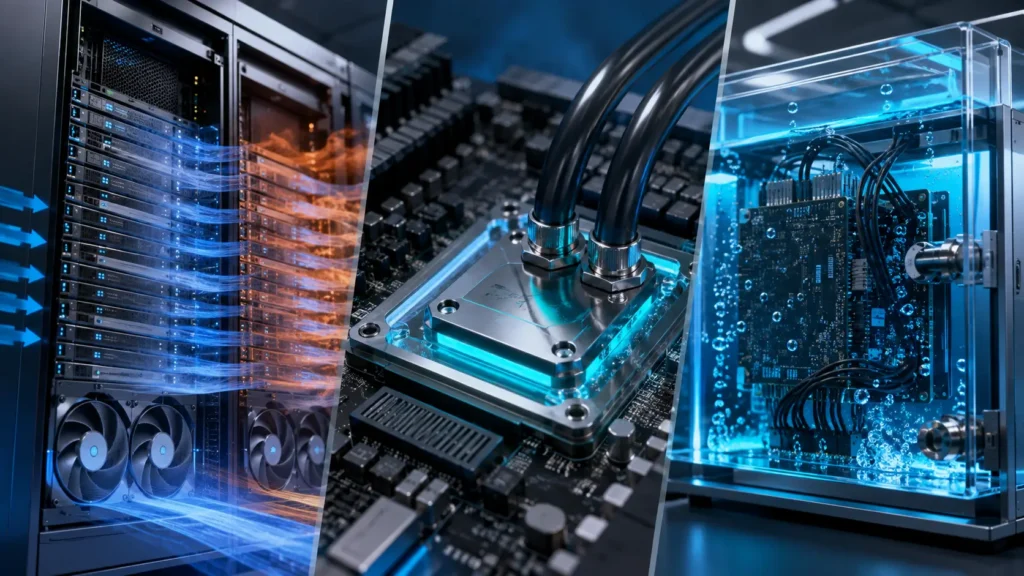
Cooling Has Become an End-User Decision, Not Just an Engineering Choice Cooling now plays a larger role in AI infrastructure
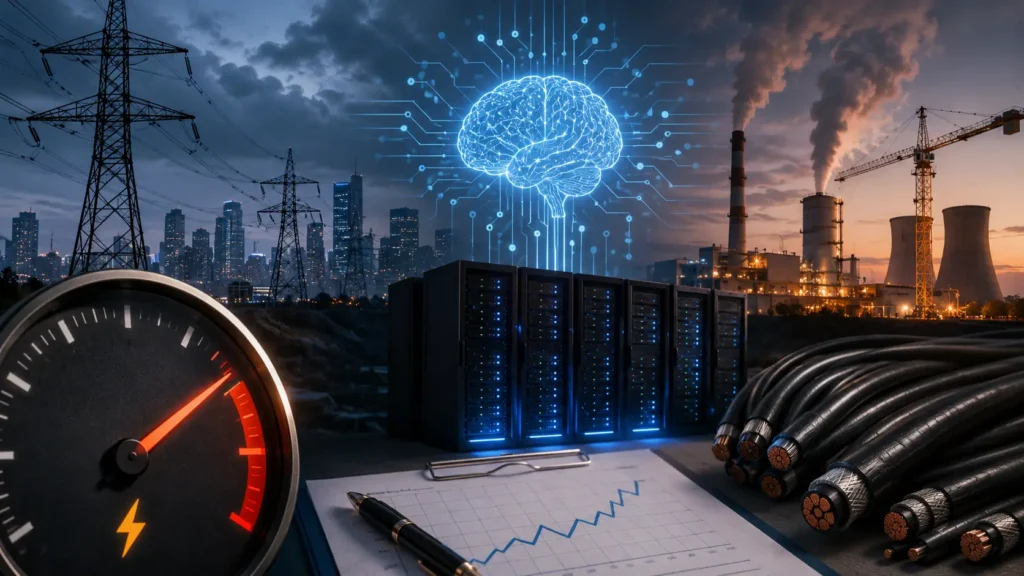
The Power Demand Behind the AI Boom AI is changing data center infrastructure requirements. The shift is particularly visible in

AI infrastructure decisions increasingly influence what enterprises can build, test, and deliver. They also affect how efficiently those systems operate
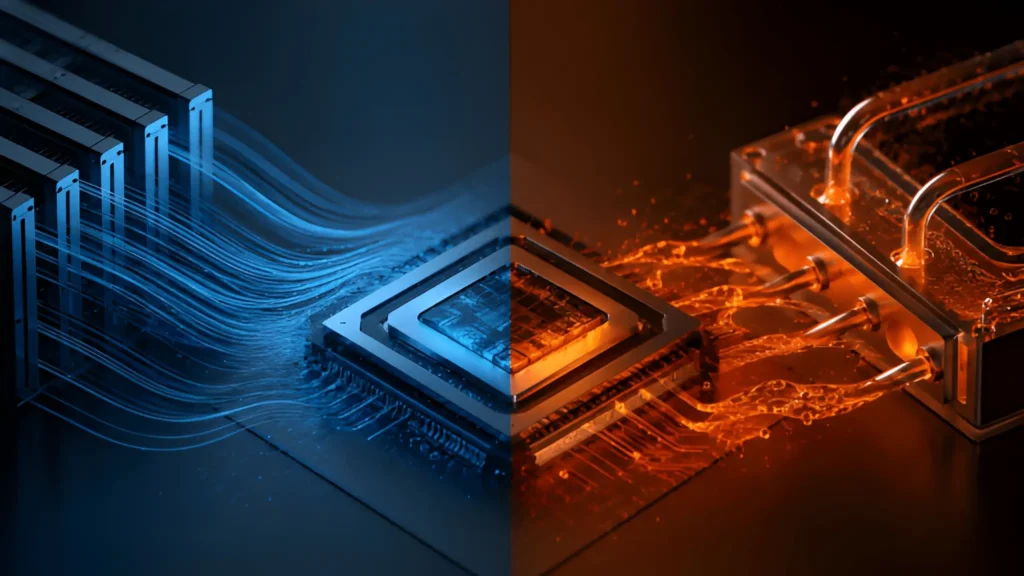
A facility can have sufficient electrical service, floor area, and rack positions yet still fail to deliver its planned AI
The AI infrastructure market is entering a phase where capital is no longer simply chasing GPUs; it is underwriting the
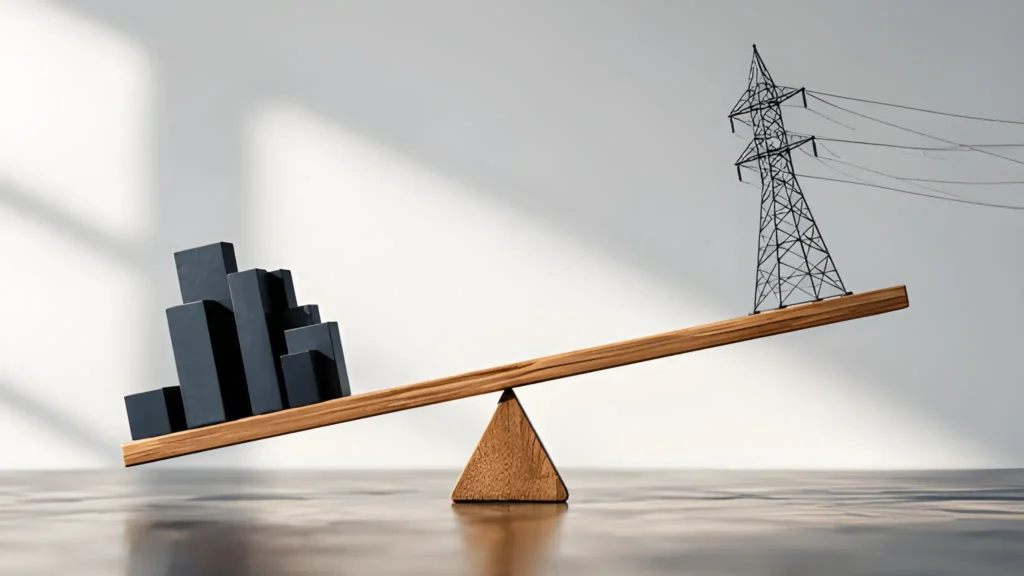
The most carefully constructed capacity plan can become obsolete without a single change to the compute strategy. A rack forecast
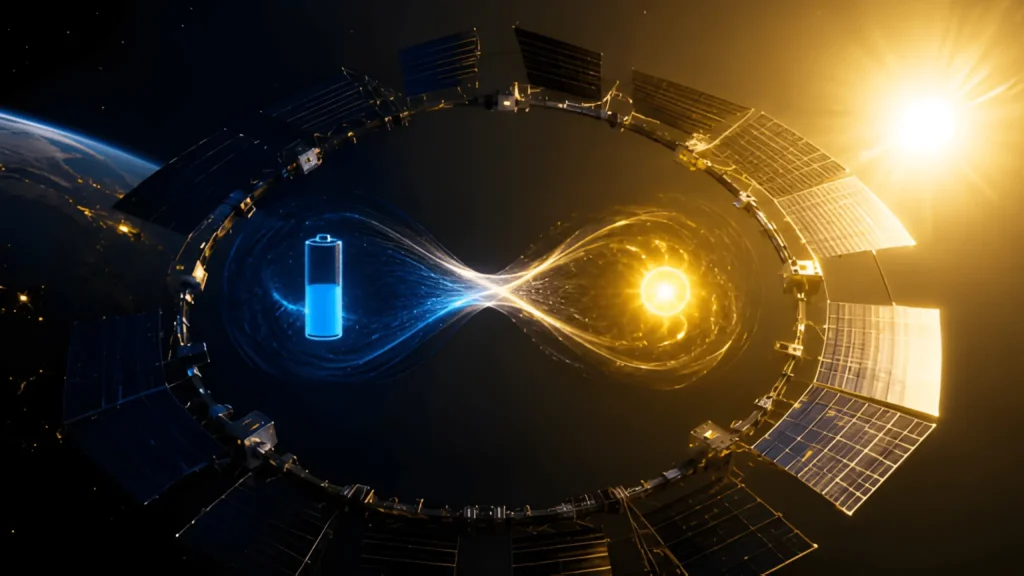
Sunlight looks deceptively simple when the collector sits above the atmosphere, but continuous computing in orbit turns that advantage into
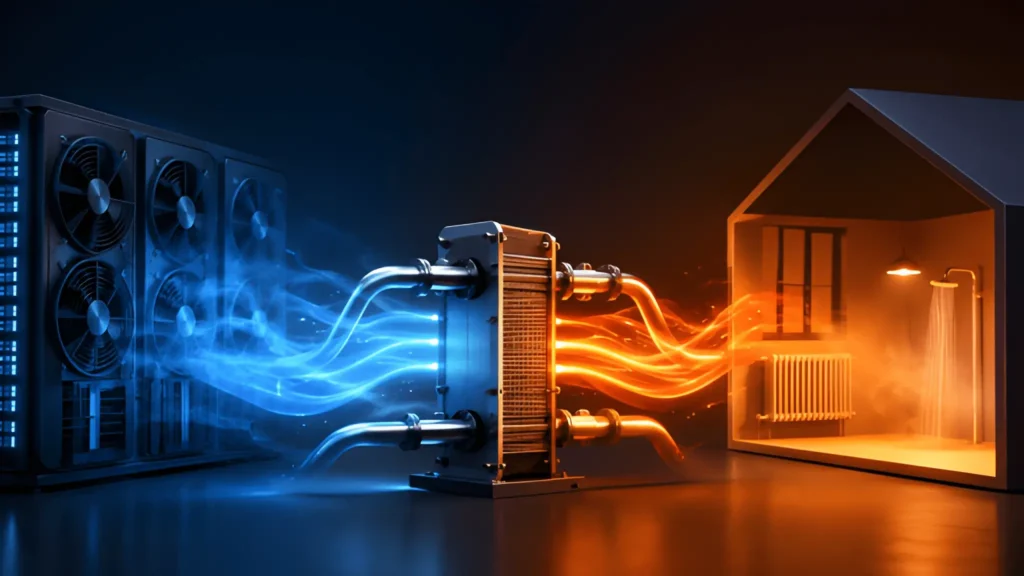
A data center can take on additional contractual and operational responsibilities when thermal output crosses the site boundary as a

The most dangerous moment in a data hall is not necessarily the moment a breaker opens, a pump stops, or
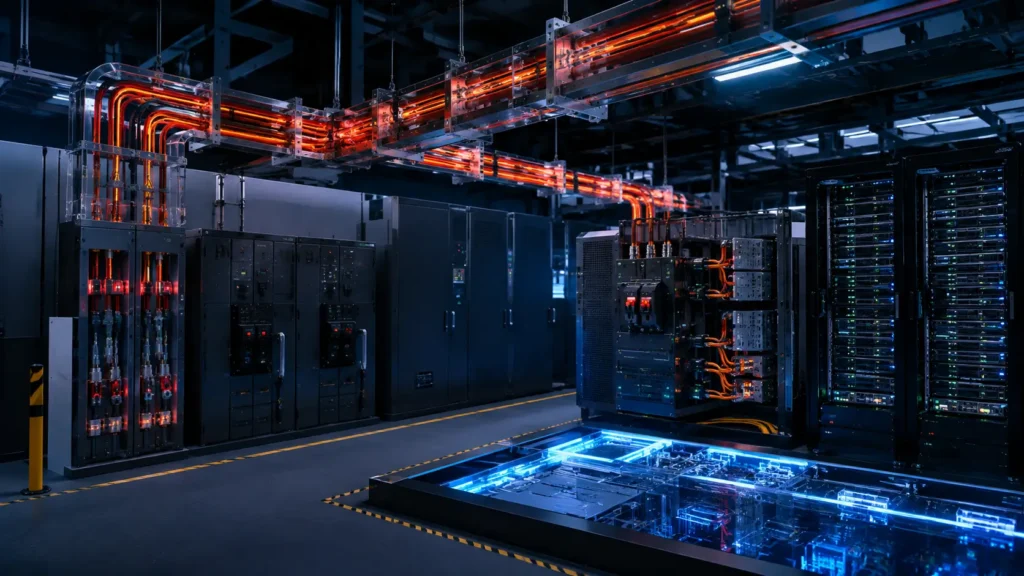
A GPU never sees the data center around it, yet the computing experience can depend on electrical decisions made far
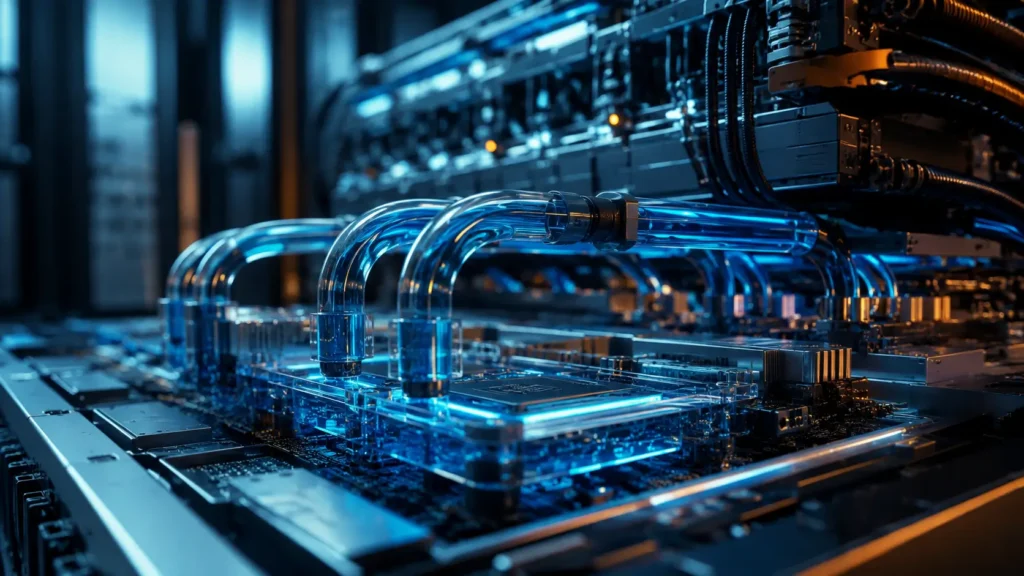
AI data center operators are treating cooling as a core infrastructure decision. It is no longer only a mechanical systems

Many projections about artificial intelligence eventually collide with a less comfortable assumption: that the physical world will keep pace. Chipmakers

Why Infrastructure Planning Now Starts With Availability A data center project can have a secured site, approved design, committed financing,
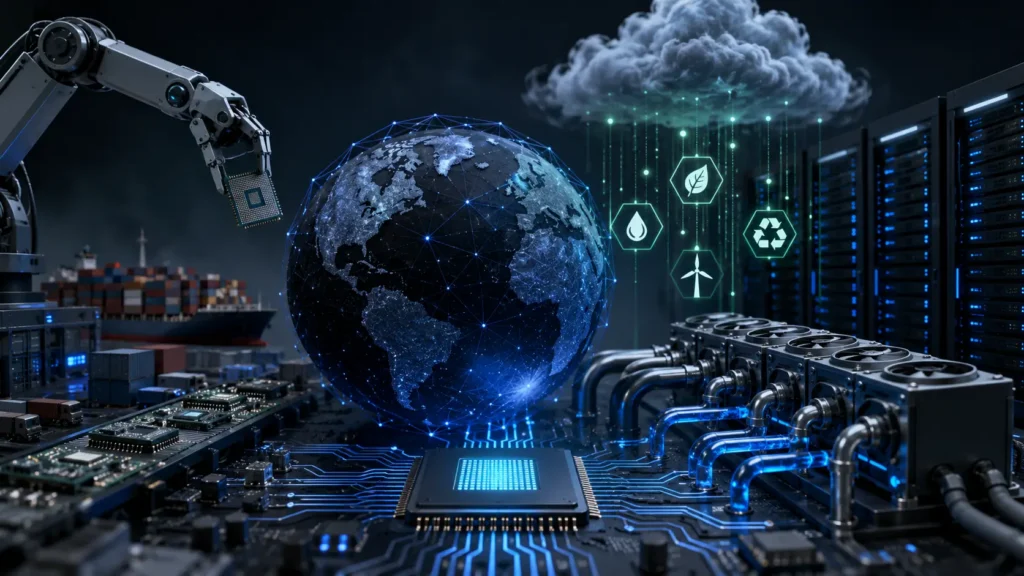
Artificial intelligence is often measured through GPU performance, model size, training time, and inference speed. Those measures describe computation, but

A pipe can leave a computing system carrying an impressive amount of thermal energy and still arrive at the wrong
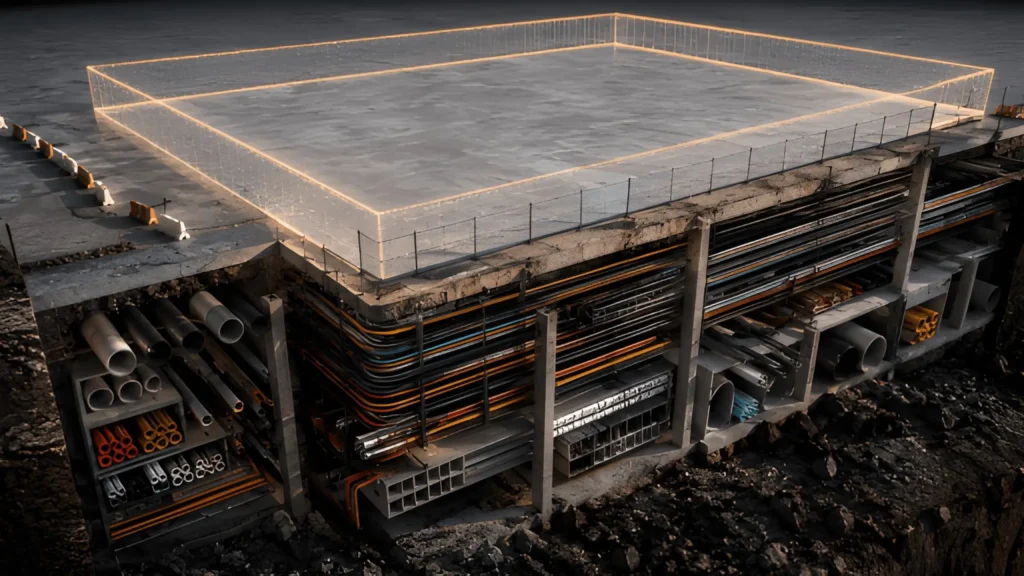
A property can look enormous from the site entrance and still offer almost no practical room for another AI hall.
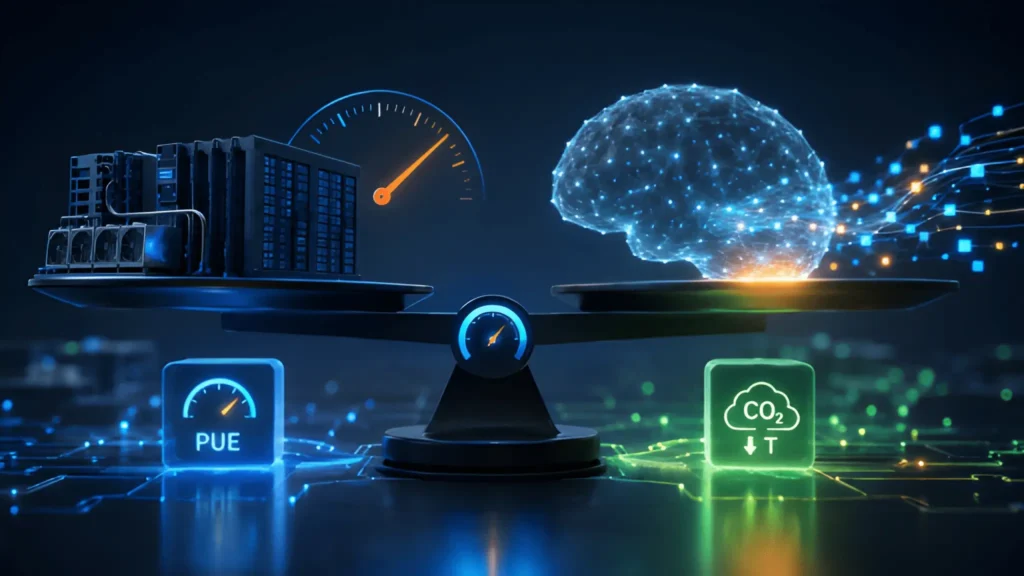
Power Usage Effectiveness became influential because it answered a practical question that operators could measure consistently: how much additional energy
A user rarely thinks about electricity while running an AI application. The request arrives, the system processes it, and the
AI infrastructure is changing how operators approach thermal management. Processor density now influences the physical design of many data center
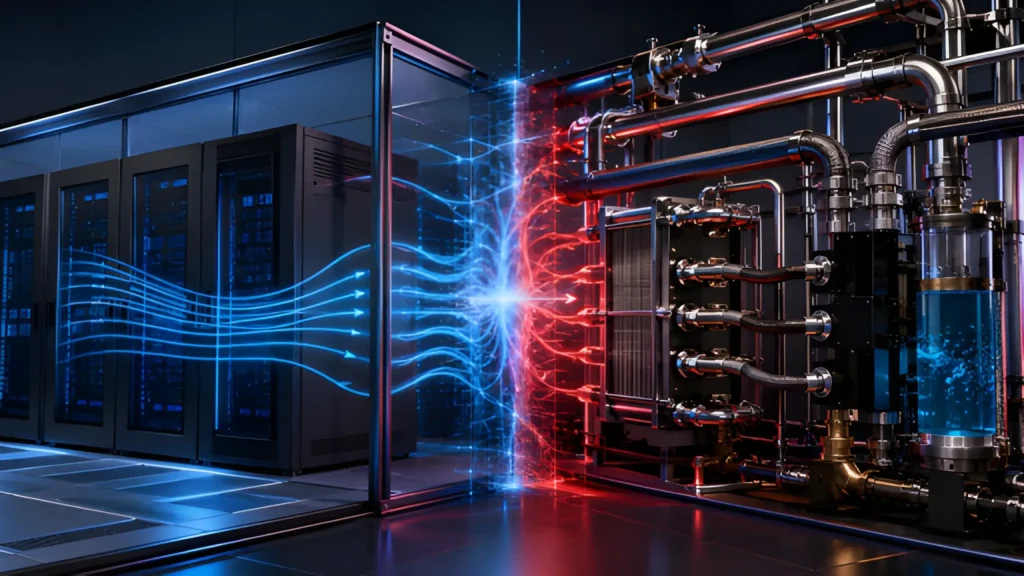
A rack can meet its specifications, a rear-door heat exchanger can match the application, and a liquid distribution system can
The debate around AI data centers often starts with a deceptively simple question: How much capacity does the technology actually
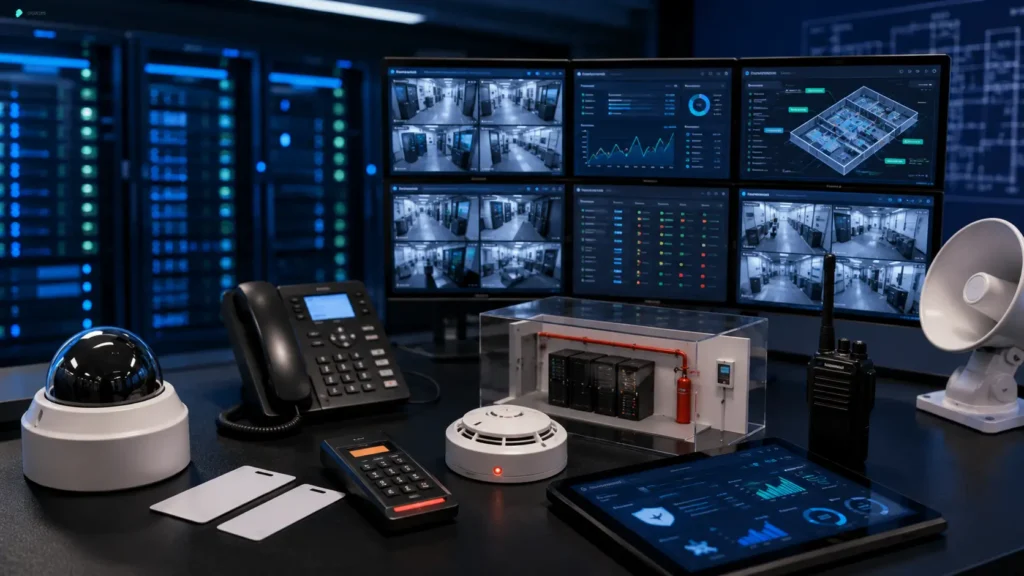
Modern data centers depend on several infrastructure disciplines working within one controlled environment. Servers require stable power, cooling, connectivity, security,
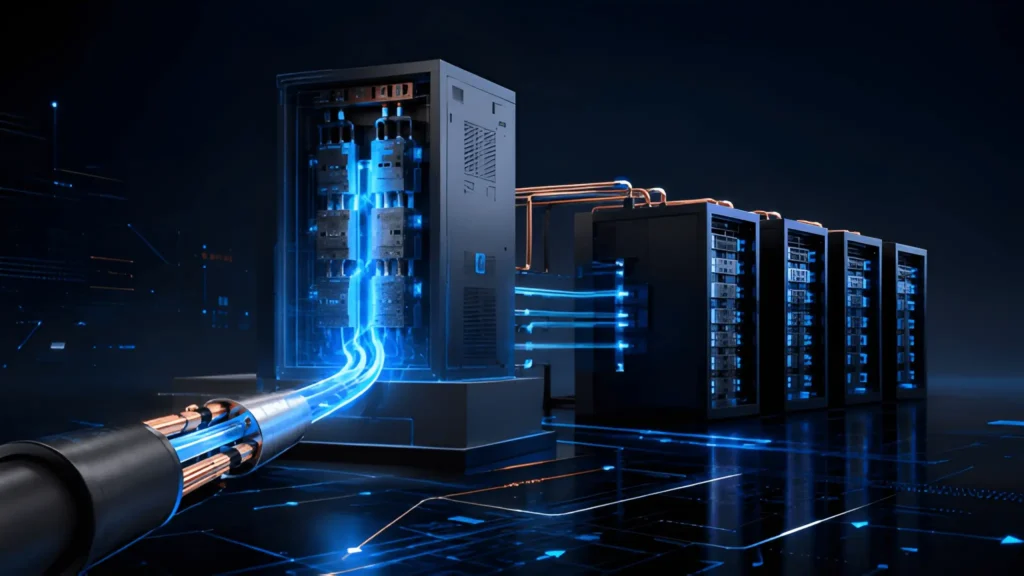
As rack power rises toward the megawatt range, the physical footprint of power-delivery equipment becomes an explicit design constraint alongside
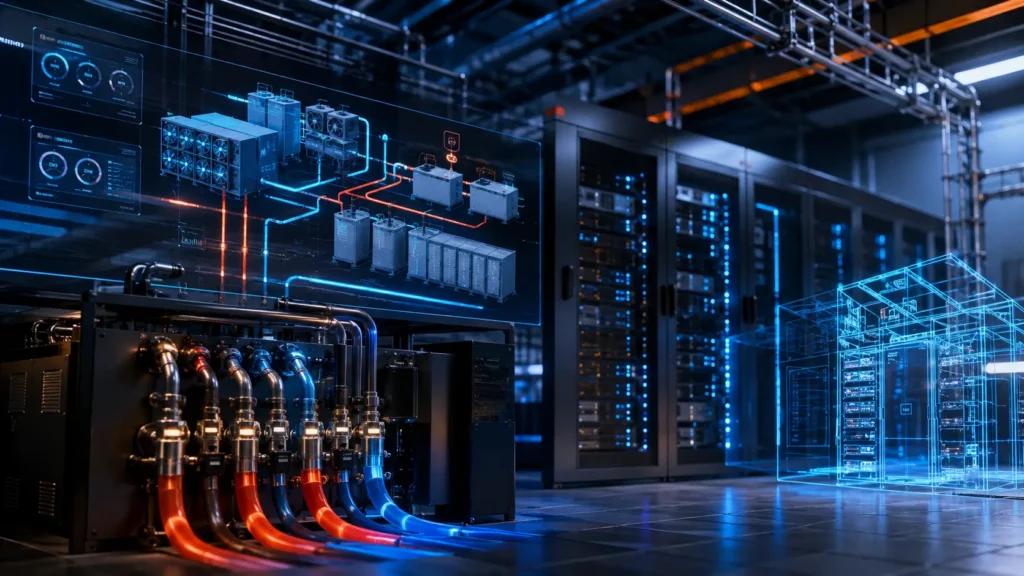
A cooling system can work perfectly when a data center opens and still become a serious constraint later. The problem
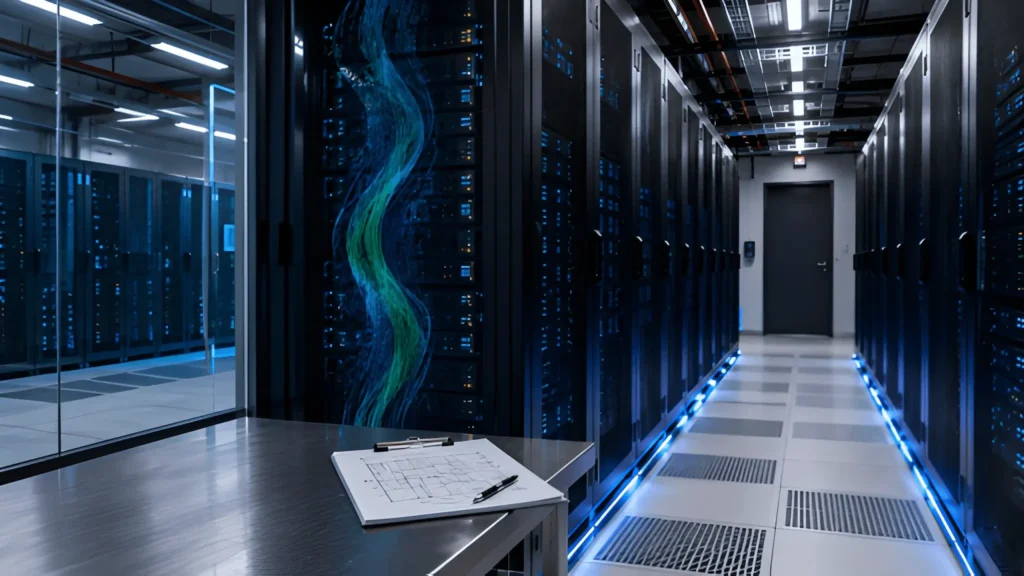
A containment system can look remarkably convincing during a site tour, especially when every aisle appears enclosed, every panel sits

A quantum processor can be technically compatible with a classical server while still creating dependencies across the surrounding infrastructure stack,
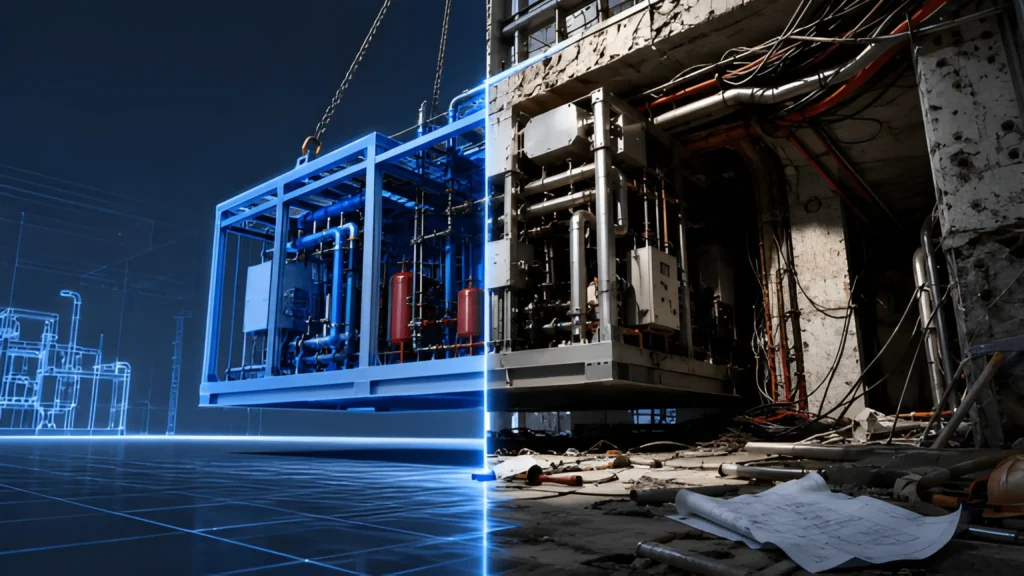
Prefabrication can make a construction schedule look dramatically cleaner on paper, with factory work replacing crowded field activities and repetitive

The next meaningful distinction between data centers may not appear in their processor inventories or headline power capacity. It may

A fiber plant designed around 40G can remain operational while becoming increasingly restrictive as switch ports move toward 400G, because
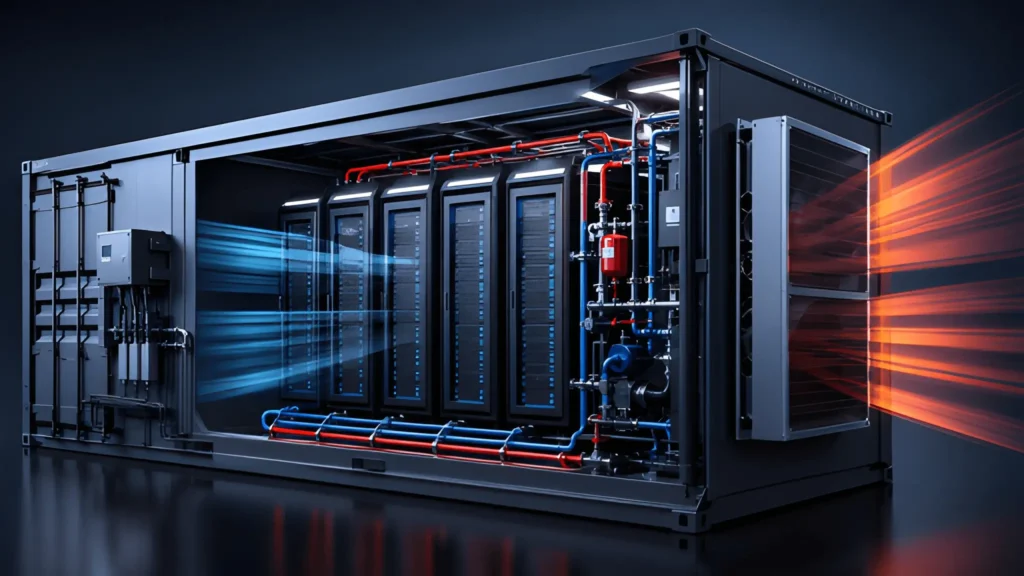
A 100kW rack does not become manageable simply because it fits through a container door, because the electrical and thermal

AI infrastructure now affects capital planning, operating costs, asset values, and business growth. A decision about compute capacity can also
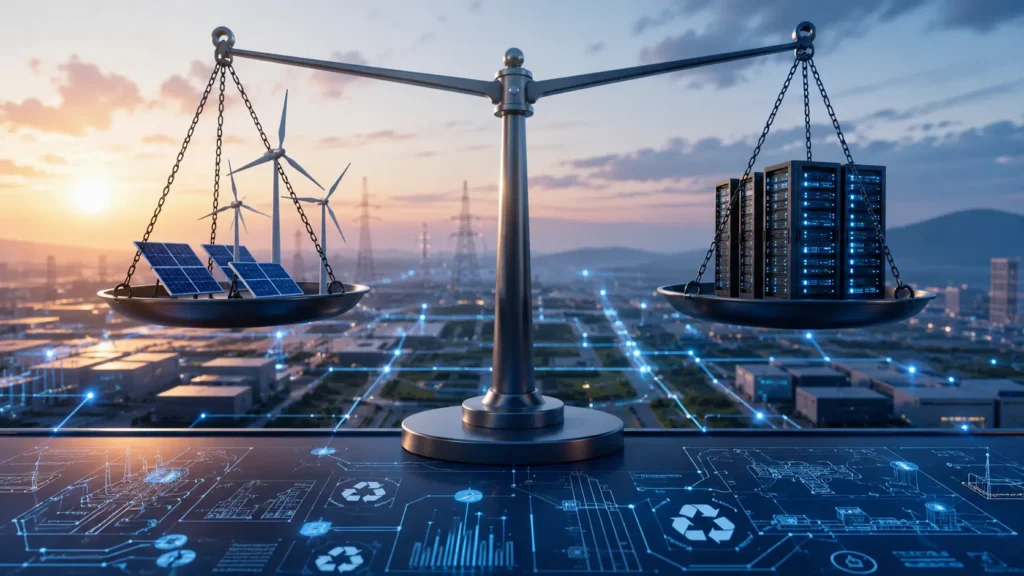
Net zero data centers require more than renewable electricity to reduce their overall environmental impact. Data centers depend on electricity
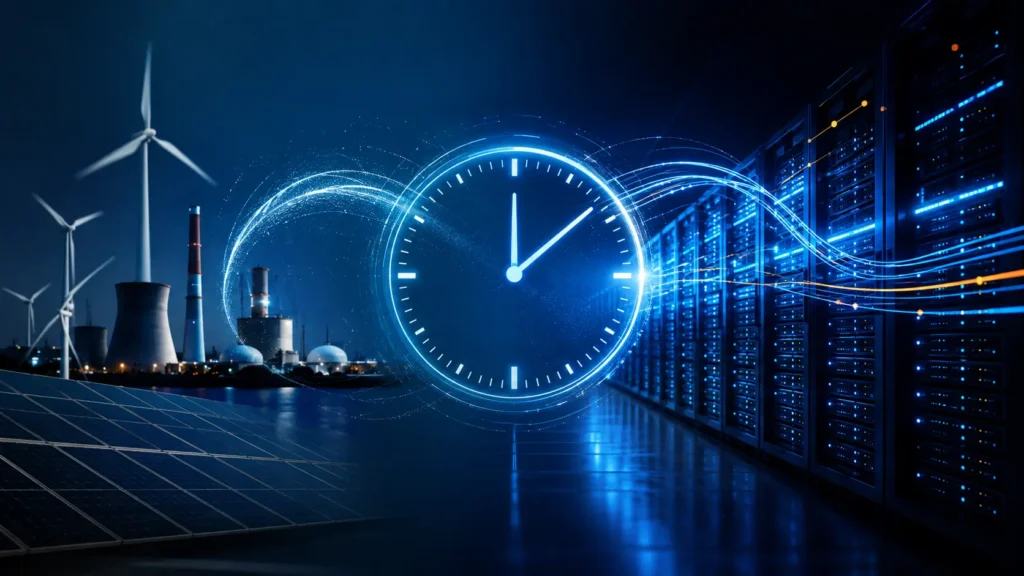
A data center does not pause when the sun goes down. Servers continue processing requests while cooling systems keep supporting
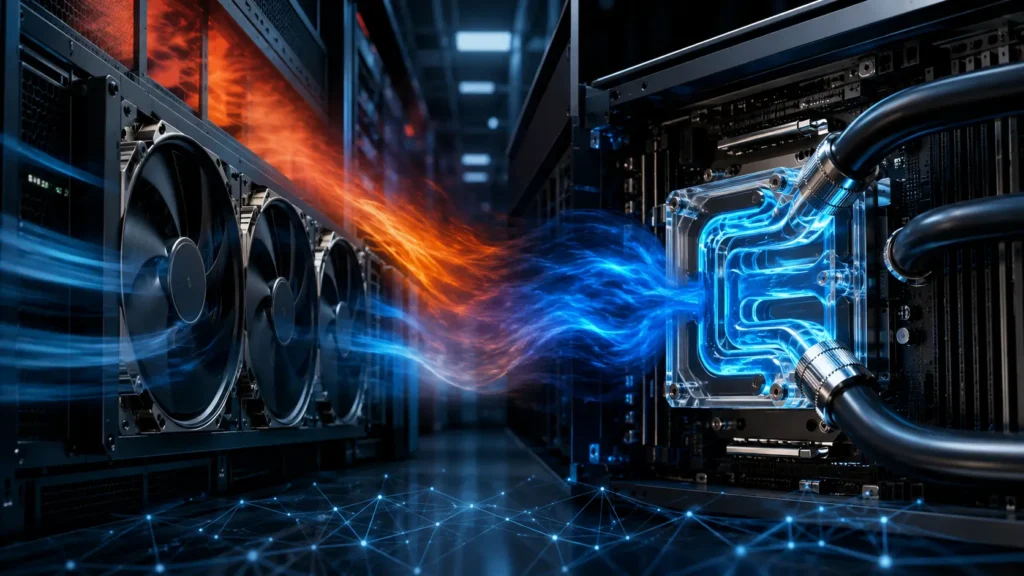
AI infrastructure is changing the thermal assumptions behind data center design. The shift is visible in the growing number of
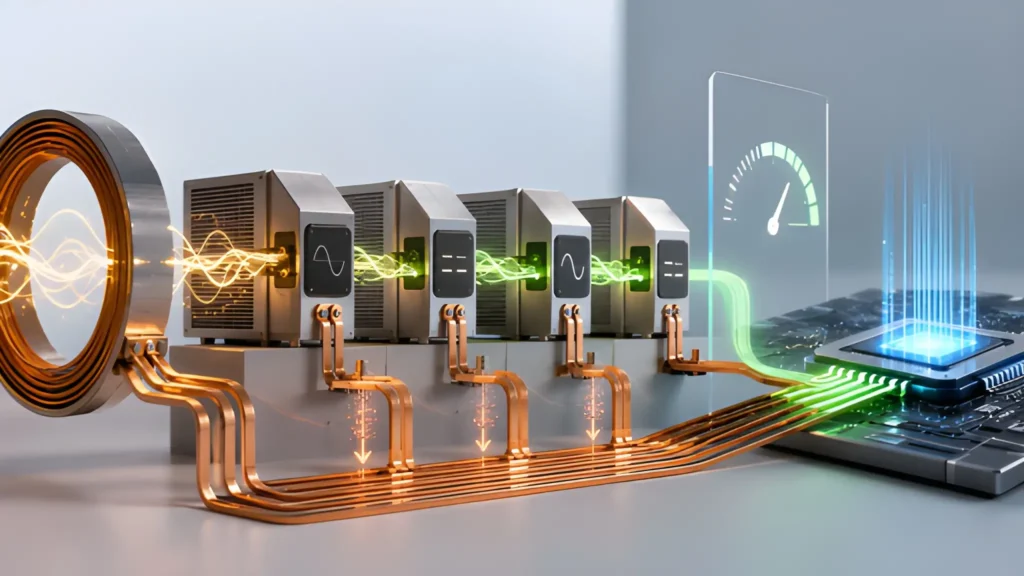
A data center can report an excellent PUE while still losing meaningful energy before electricity becomes usable compute power. That
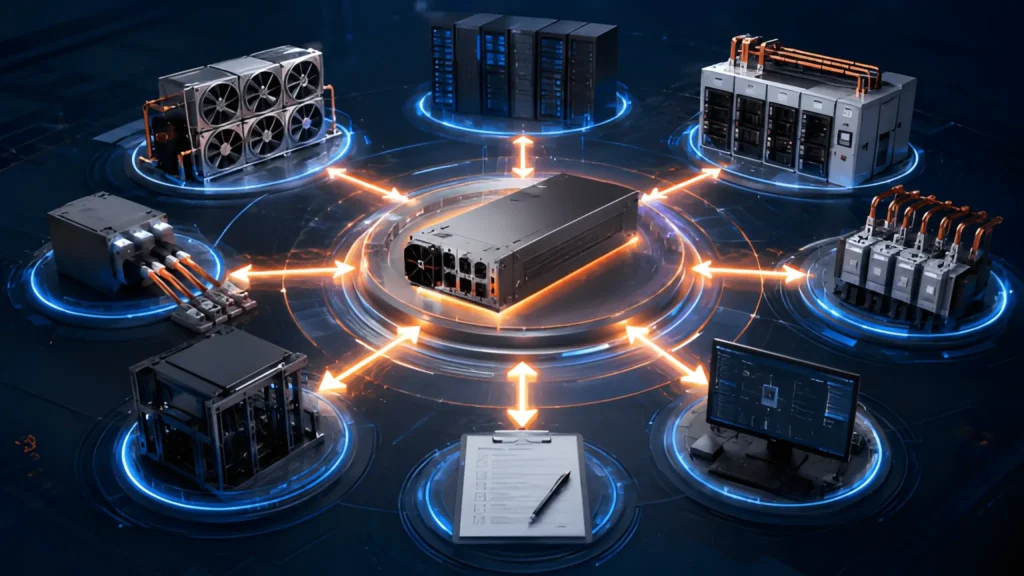
A power conversion unit can look like a contained component when its specification sits inside a rack drawing, yet its
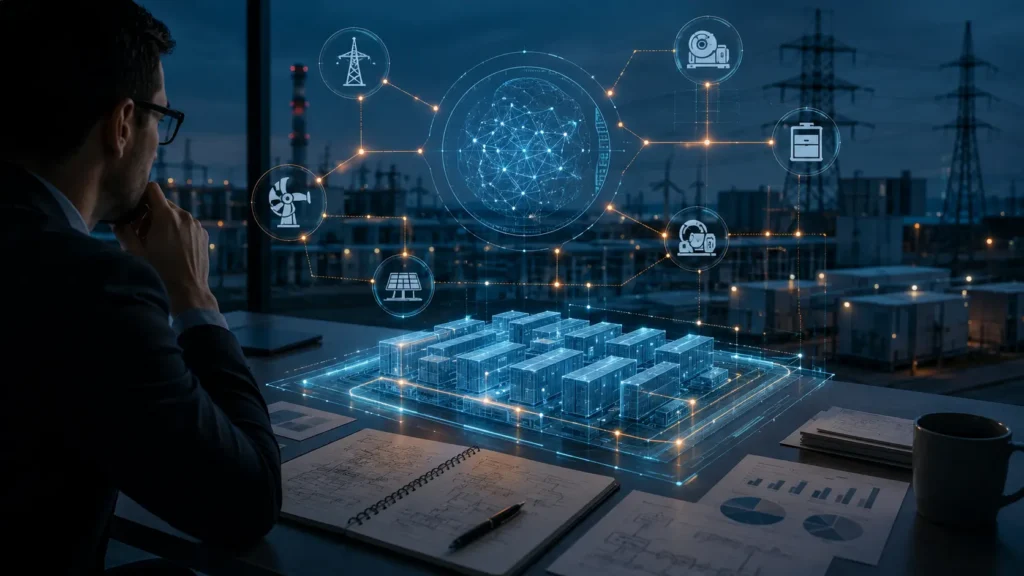
Most discussions about powering an AI data center begin with generators, batteries, fuel cells, or utility connections. Those technologies matter,
Historically, design documentation has often shifted from an active project-delivery resource toward an operational reference once construction and commissioning are
The rack is no longer the beginning of an AI infrastructure decision. The harder question can arrive before a server

AI workloads can expose infrastructure constraints. They place new demands on compute, storage, networking, and data systems. A platform may
The infrastructure question is no longer only where capacity can be built A data center project can look viable on
Artificial intelligence infrastructure is often discussed through the lens of processors. Advanced GPUs and accelerators receive significant attention because they

The Economics of Idle AI Infrastructure: Why Underutilized Capacity Could Become a Hidden Cost. AI infrastructure cost optimization has become
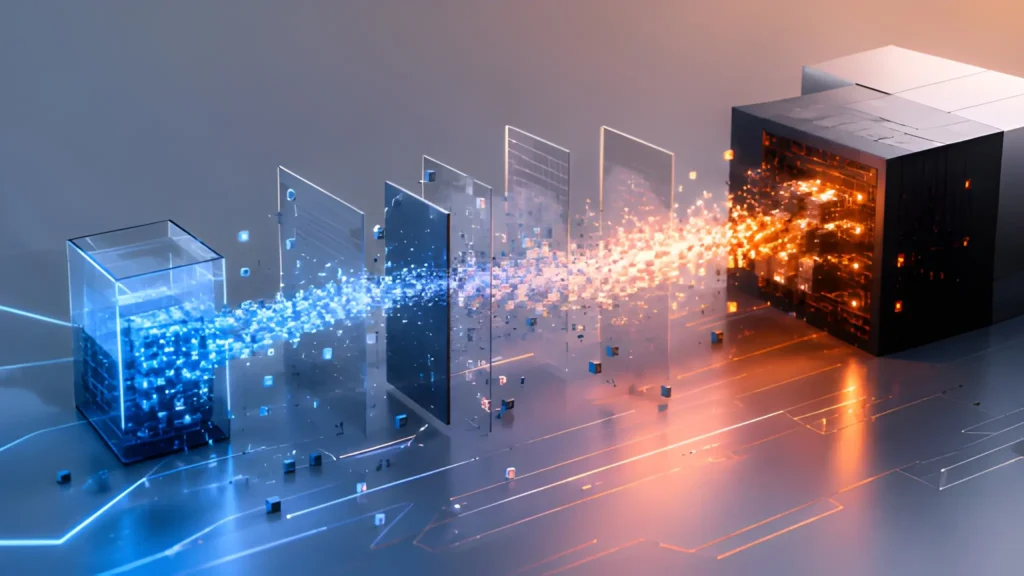
A customer can send information to a provider from one city and still have the resulting workload processed hundreds or
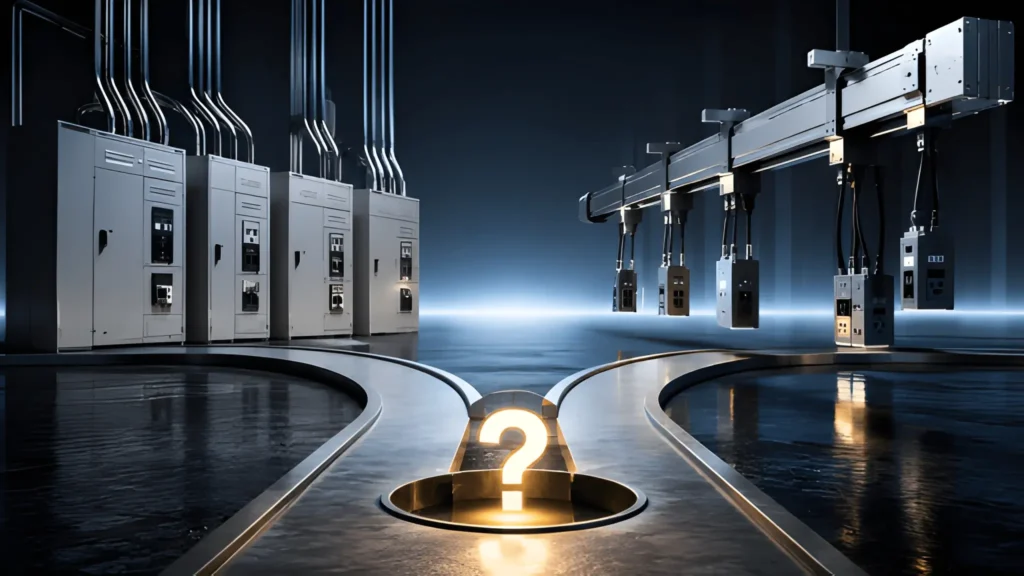
Selecting a power distribution topology rarely feels like a seven-year commitment on the day stakeholders sign it off. Teams often
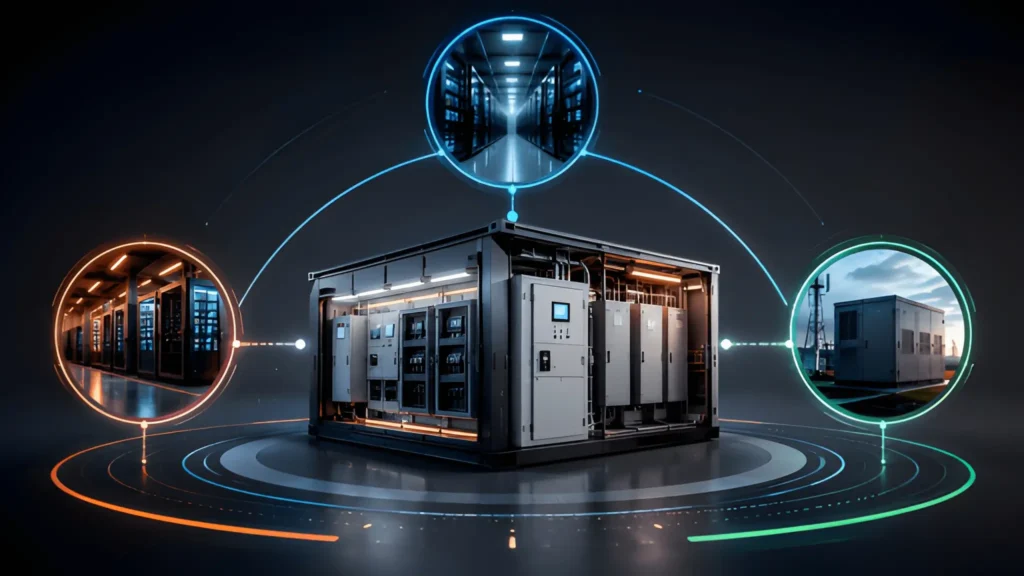
A standardized Electrical Power Distribution Pod, commonly referred to as an EPOD, represents more than a prefabricated enclosure containing electrical
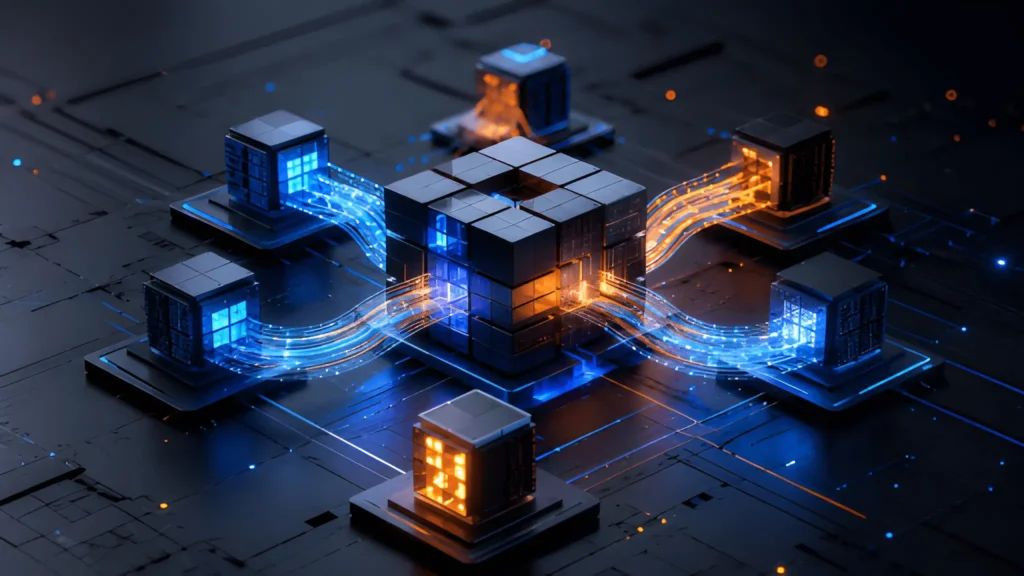
An LLM training cluster can change the working day of an operations technician without changing the technician’s job title. The
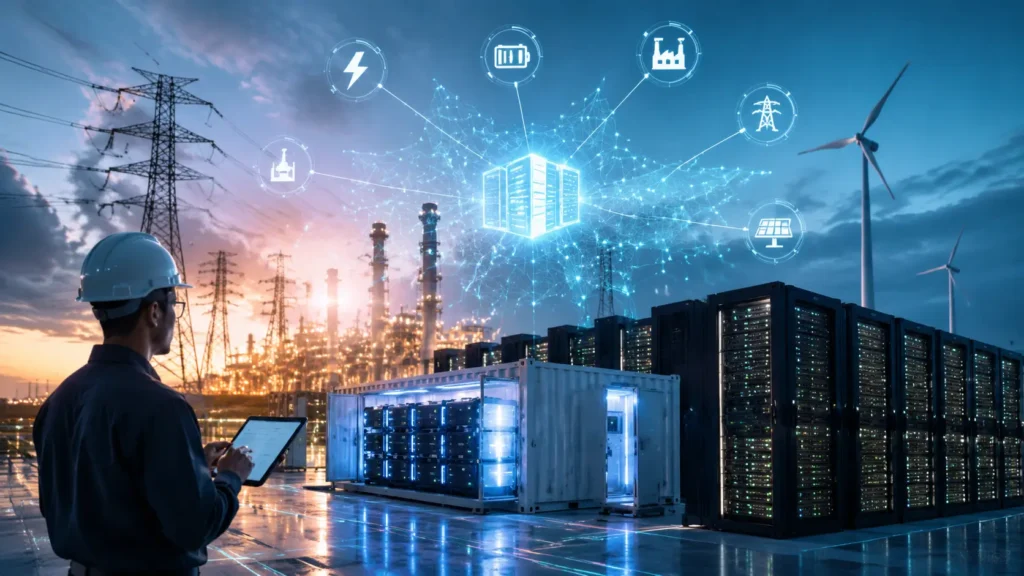
AI Infrastructure Growth Is Forcing Data Centers to Think Like Energy Companies AI infrastructure energy management is becoming a critical

Groundcover Raises $100M to Advance AI Observability Infrastructure Groundcover has raised $100 million in a Series C funding round as
The hardest infrastructure decisions are rarely about what technology can achieve today; they are about whether the systems built today

AI Semiconductor Startup Targets Next Phase of Chip Innovation ChipAgents has secured $60 million in a Series C funding round.
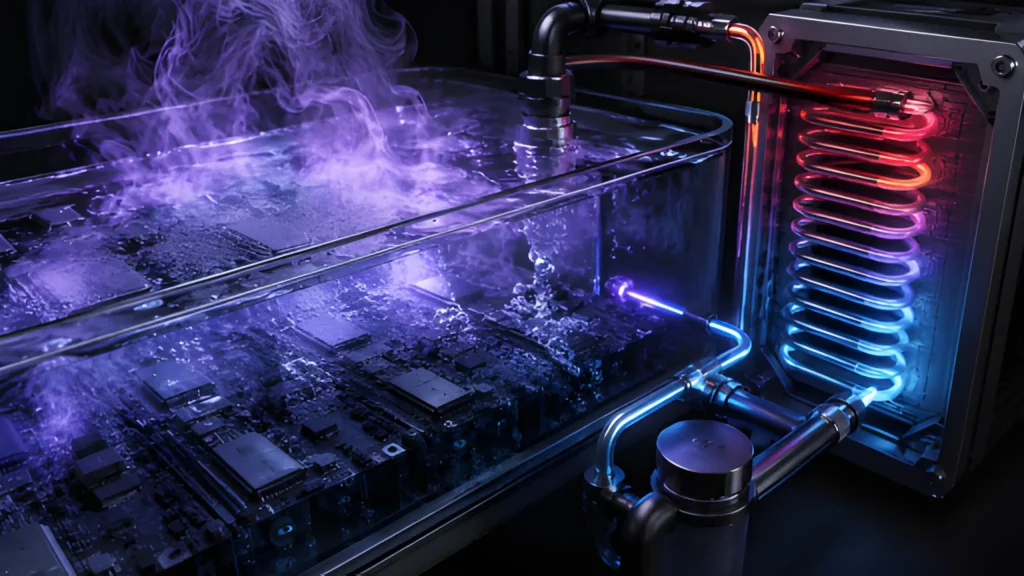
Two-phase cooling walked into 2026 carrying two reputations at once: the physics that could save a data hall enormous energy,

Artificial intelligence adoption is changing how some enterprises evaluate technology investments because infrastructure decisions increasingly influence operational capability, technology strategy,
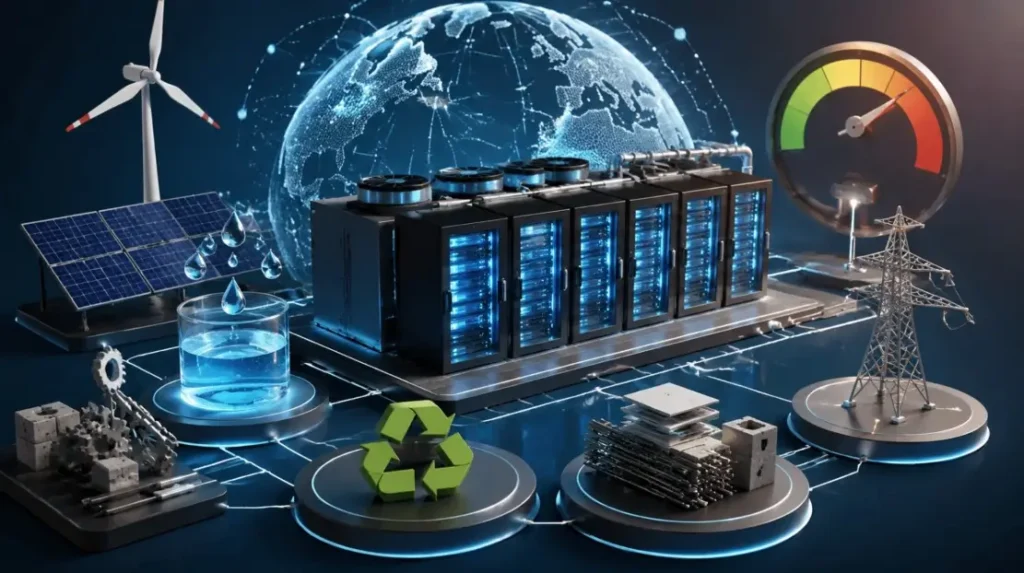
Sustainability Metrics Must Move Beyond Energy Procurement The conversation around sustainable data centers has entered a more complex phase as

AI Infrastructure Is Changing How Enterprises Think About Technology Risk Artificial intelligence adoption is changing enterprise technology strategies. AI systems

Liquid cooling has become one of the defining technologies behind modern AI infrastructure because processors now generate heat levels that
The global digital infrastructure industry has become accustomed to discussing constraints in terms of computing capacity, electrical availability, and permitting

Enterprise migration frameworks consistently identify application dependencies, infrastructure compatibility, operational planning, and risk management as the primary factors influencing migration
The biggest changes in technology investment rarely begin inside a finance spreadsheet, yet that is where their long-term impact eventually
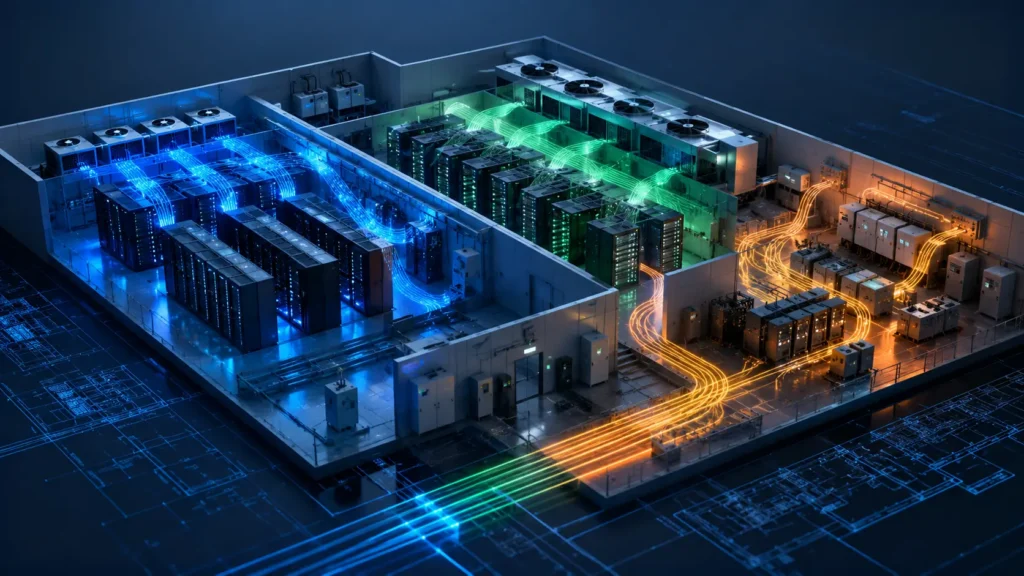
The Changing Relationship Between Applications and Data Center Design Architecture For many years, enterprise data centers were designed around a
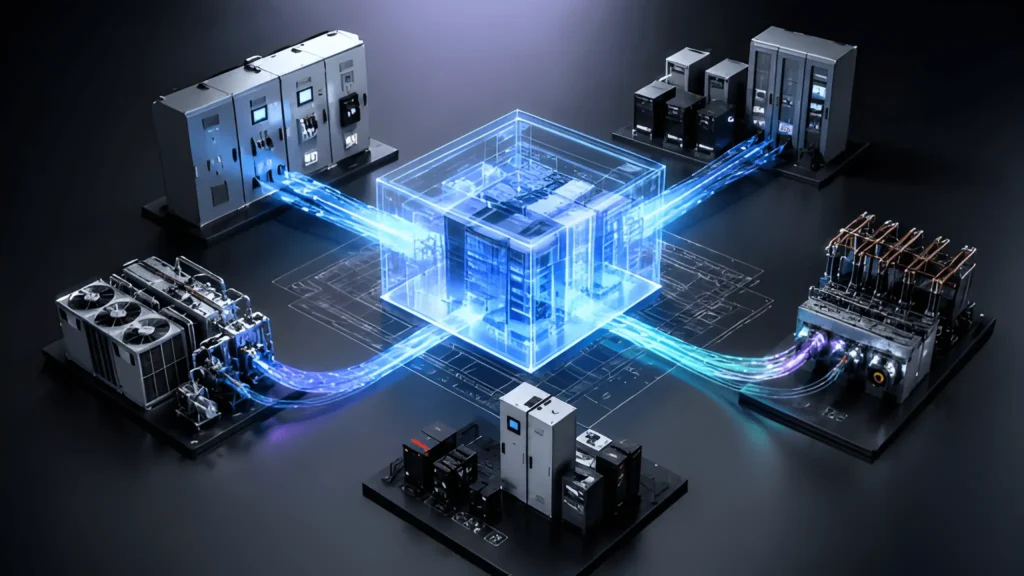
AI projects now begin with conversations that would have seemed unusual only a few years ago. Before a contractor marks
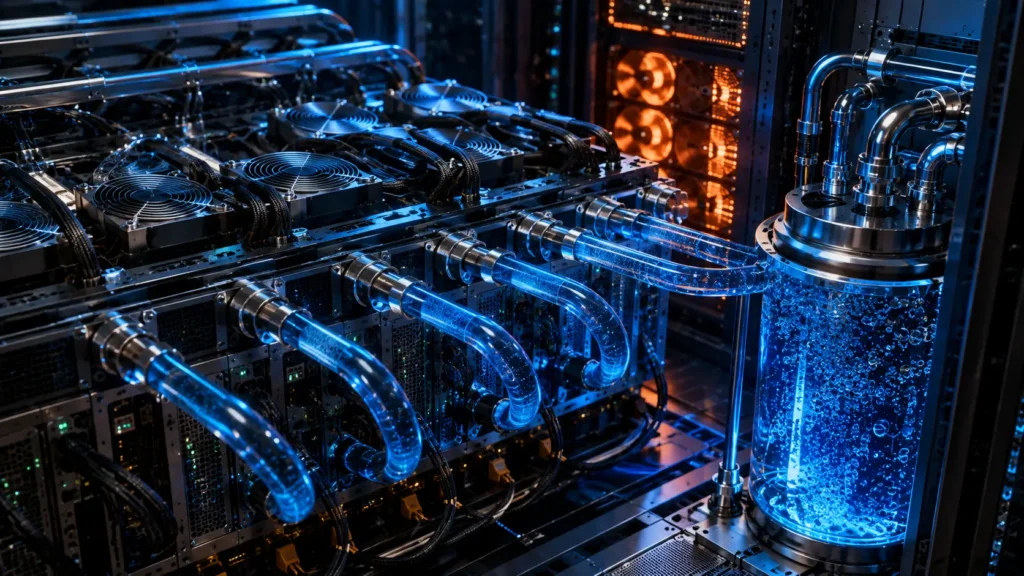
AI infrastructure expansion is creating new cooling challenges The AI data center cooling race is becoming an important consideration as

Enterprise technology planning has often relied on structured hardware refresh cycles, while artificial intelligence adoption is introducing additional considerations for
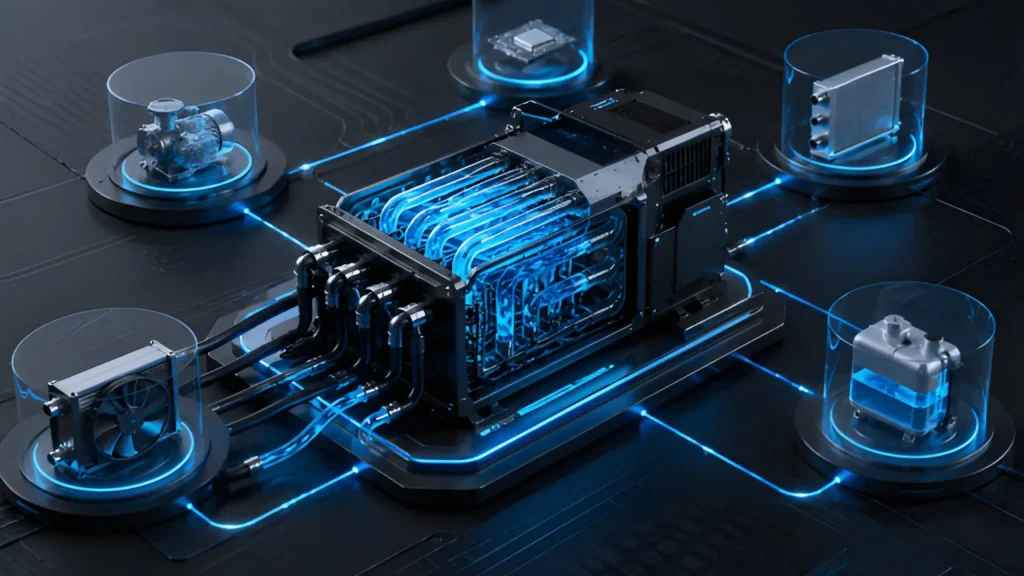
Liquid cooling has steadily moved from an advanced engineering option to an operational requirement for many high-density AI deployments, yet

Water Rights are becoming one of the earliest factors determining whether an AI infrastructure project can move forward. Site selection

A utility executive can report strong quarterly revenue or earnings and still see a muted market reaction because investors now

Artificial intelligence has changed how people interact with technology, but every AI response depends on a physical system working behind
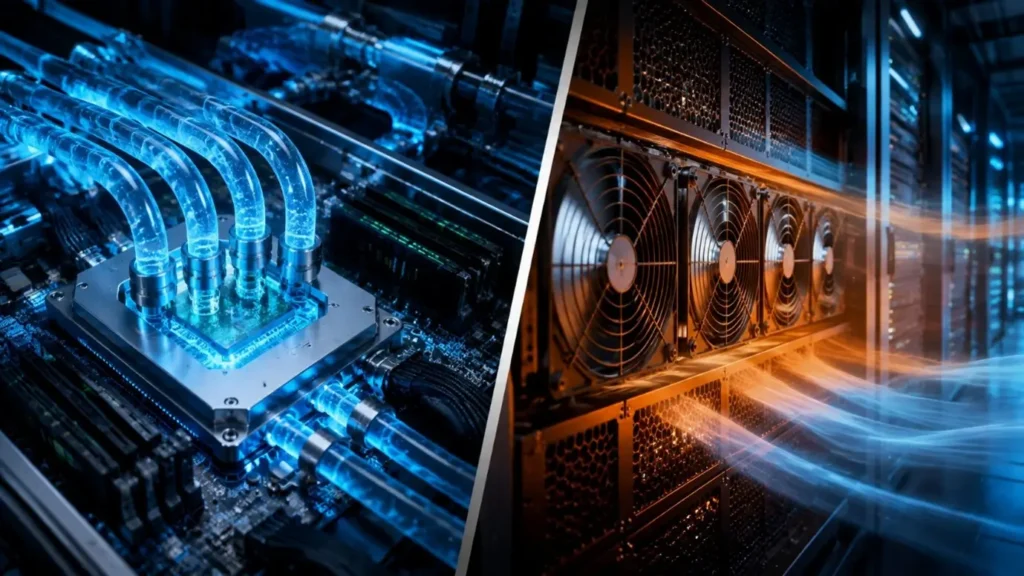
Why Cooling Has Become a Strategic Infrastructure Decision The rapid expansion of artificial intelligence workloads is changing how data center
Artificial intelligence infrastructure purchasing has entered an unfamiliar phase where the greatest risk often appears only after deployment rather than
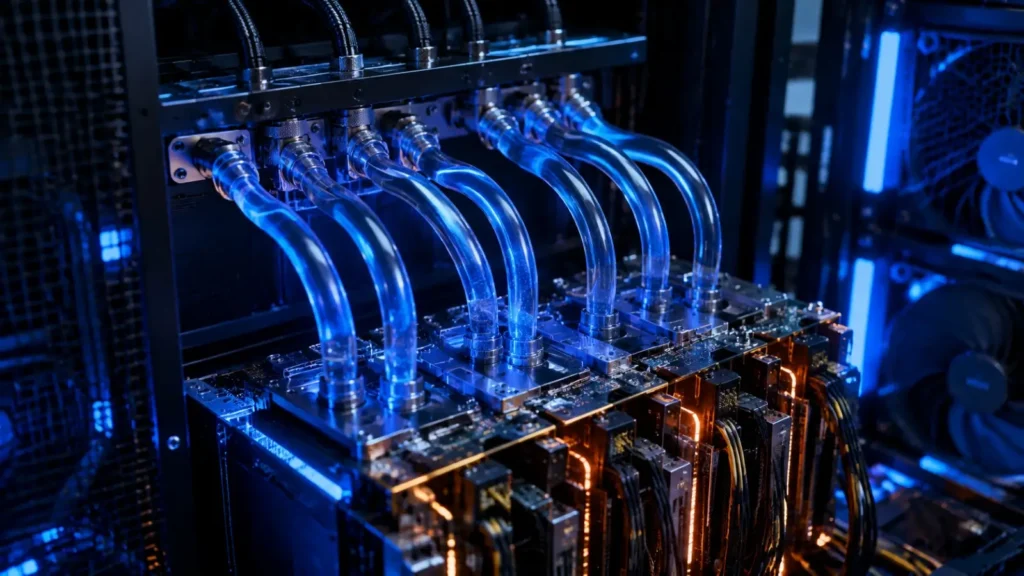
Artificial intelligence workloads are changing the physical requirements of computing infrastructure as organizations deploy larger models, more complex applications, and

The Neocloud AI infrastructure market is entering a new phase as organizations look for specialized computing resources to support advanced
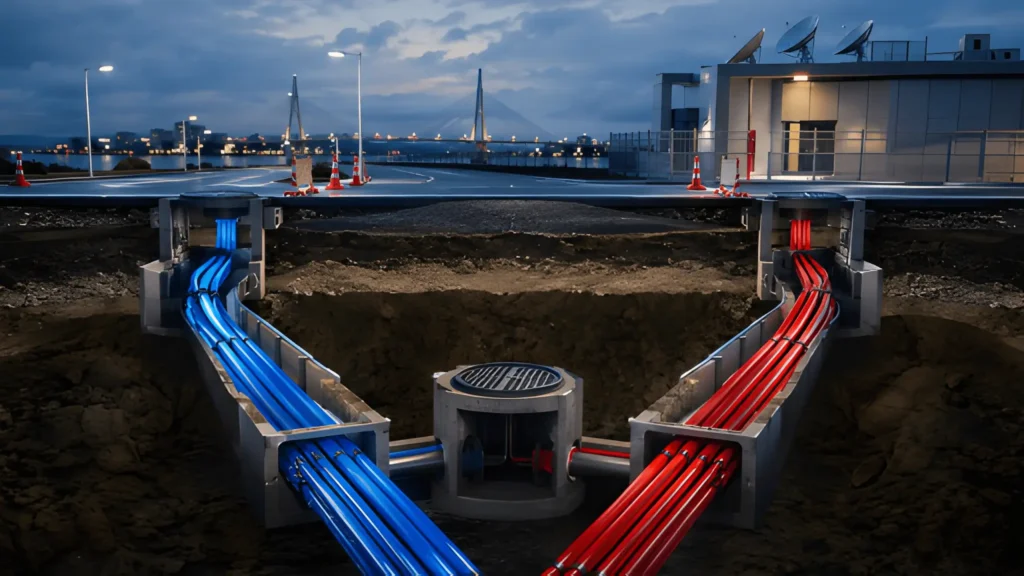
Network resilience often appears stronger in planning documents than it proves during an actual infrastructure failure. Engineering drawings can display
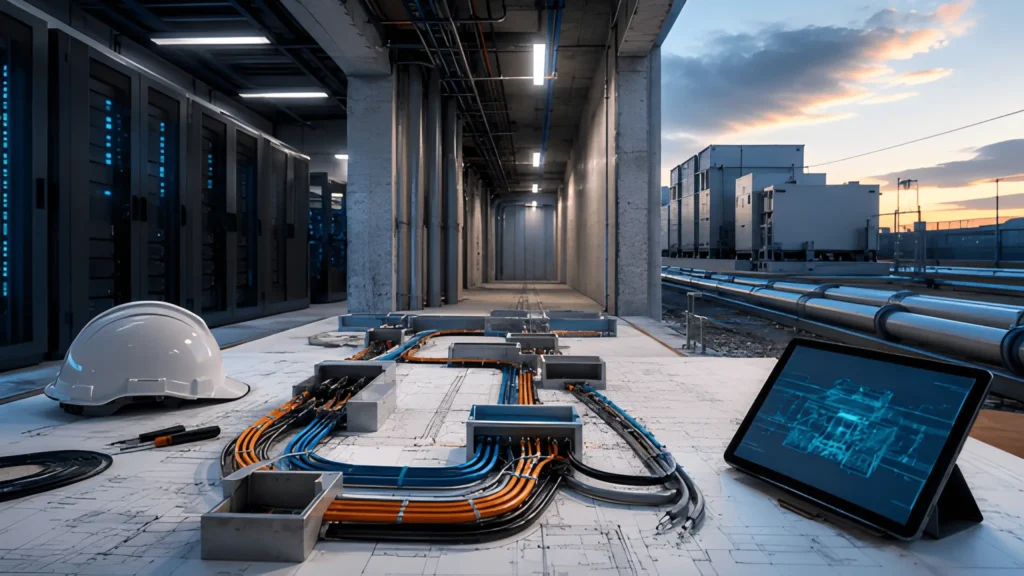
A campus may receive sufficient electrical capacity, advanced cooling architecture, and abundant fiber resources, yet still struggle with operational resilience
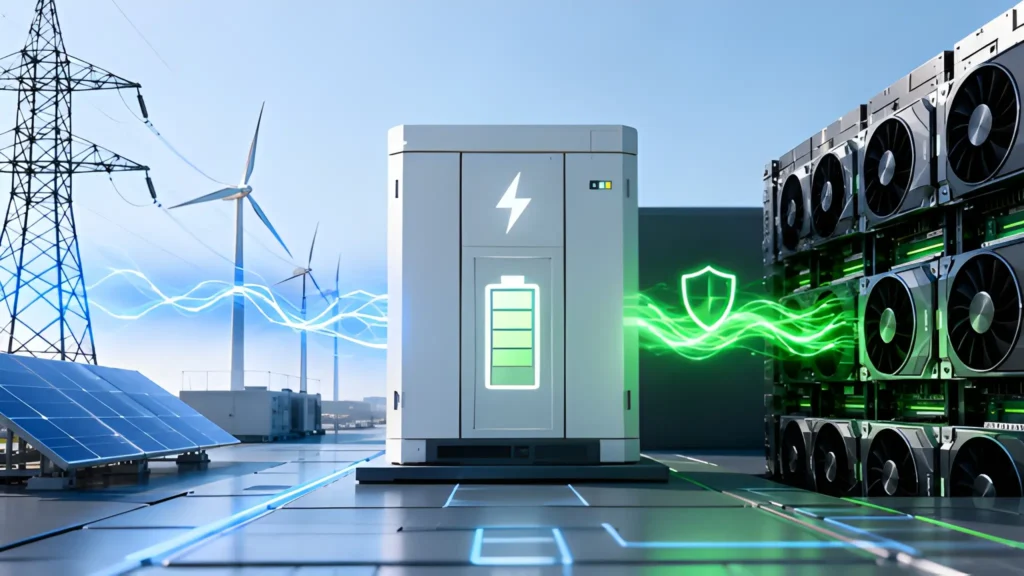
Moving compute from one geography to another often appears to solve several sustainability concerns at once, yet operational reality rarely
Electricity has become an active operating variable rather than a background utility for modern AI infrastructure. Compute demand now changes
Choosing where artificial intelligence infrastructure belongs has become less about reaching the largest concentration of networks and more about determining
A single dashboard cannot tell an operator whether a data center is actually greener than it was last year, yet
When Computing Starts to Test the Physical World The most important changes in computing infrastructure are not always visible on
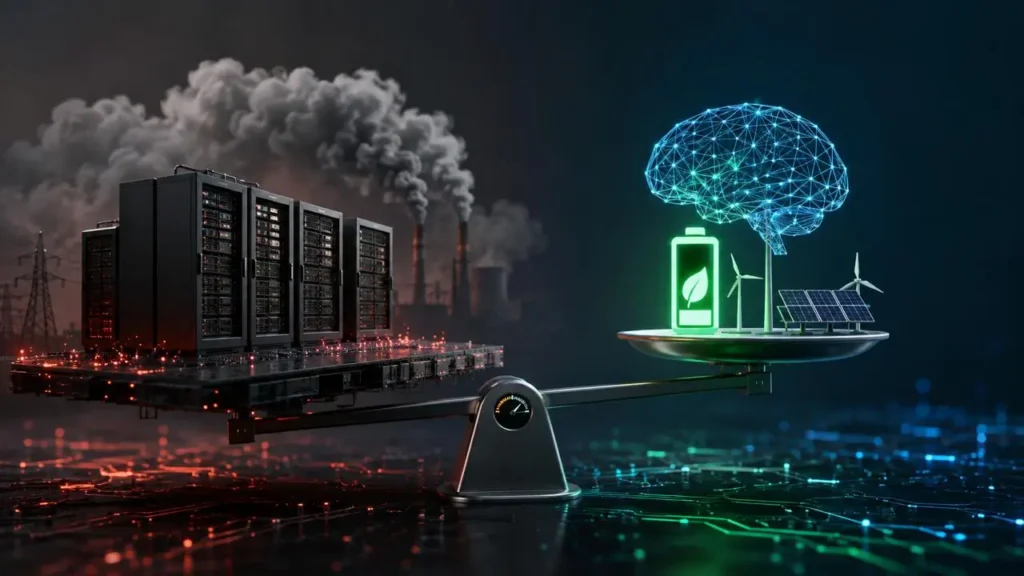
AI energy efficiency is becoming as important as computing capacity as larger models, denser clusters, and increasingly sophisticated accelerators reshape
The Shift From Conventional Cloud Data Centers to AI Factories The architecture of hyperscale data centers is entering a new phase as artificial intelligence workloads demand

Modern AI infrastructure planning increasingly demonstrates that long-term operational flexibility depends not only on power, cooling, networking, and compute density
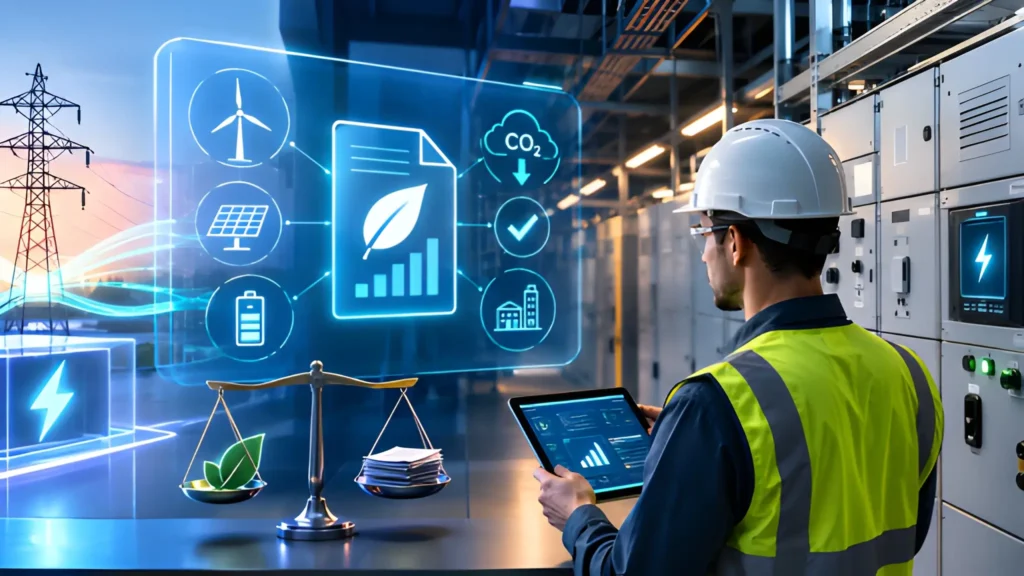
Few infrastructure decisions receive as little executive attention during early project development as the electrical architecture that ultimately supplies an
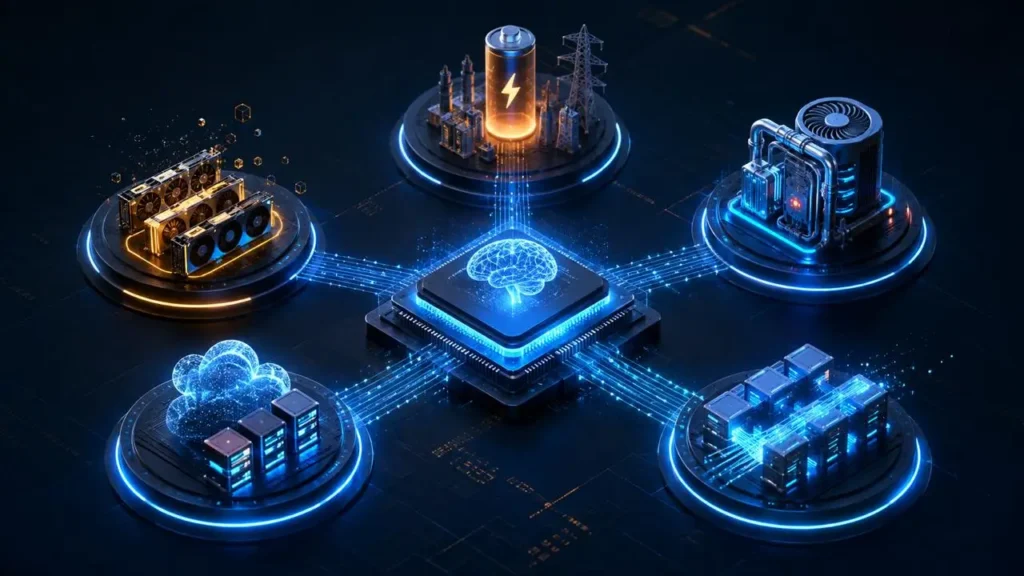
AI is reshaping data center design as AI workloads increase requirements for accelerated computing, electricity, cooling, networking, and supporting infrastructure. The infrastructure

India’s Electromech Infraprojects Ltd. (EIL) is expanding its international digital infrastructure ambitions after signing a Memorandum of Understanding (MoU) with

Modern digital infrastructure rarely creates sustainability questions with simple answers. Every design decision shifts environmental impacts across multiple reporting categories

Artificial intelligence infrastructure continues expanding under ambitious decarbonisation commitments, yet one essential asset rarely receives equivalent environmental examination during sustainability
SK Group and NVIDIA have significantly expanded their long-standing relationship with a $500 billion-plus strategic partnership designed to accelerate artificial
Power has become the defining constraint behind digital infrastructure expansion, yet conversations around energization often blur two entirely different challenges

Pricing an AI inference service often begins with accelerator selection, software optimization, networking, and expected utilization because those variables appear
A design review often begins with a familiar question about whether a project requires N, N+1 or 2N redundancy. The

The conversation around data residency has quietly shifted away from legal language and toward electrical infrastructure. Boardrooms continue to approve
Large infrastructure projects rarely change because a single technology improves. They change when several engineering disciplines begin influencing each other
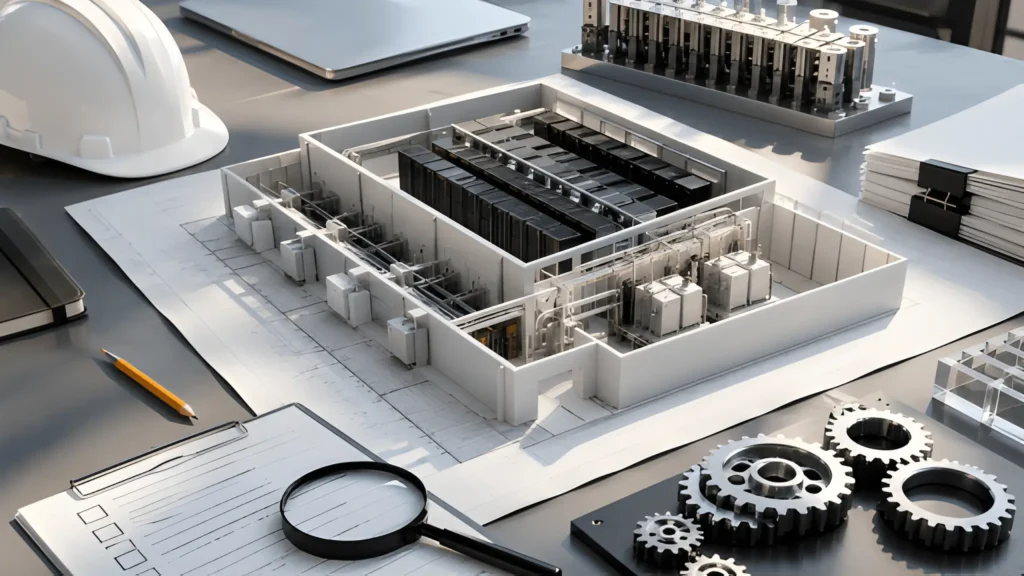
Construction schedules no longer determine whether large digital infrastructure projects succeed because capital markets now dictate the pace long before
Few investment decisions appear as straightforward as comparing one rental figure against another on a development spreadsheet. Procurement teams often
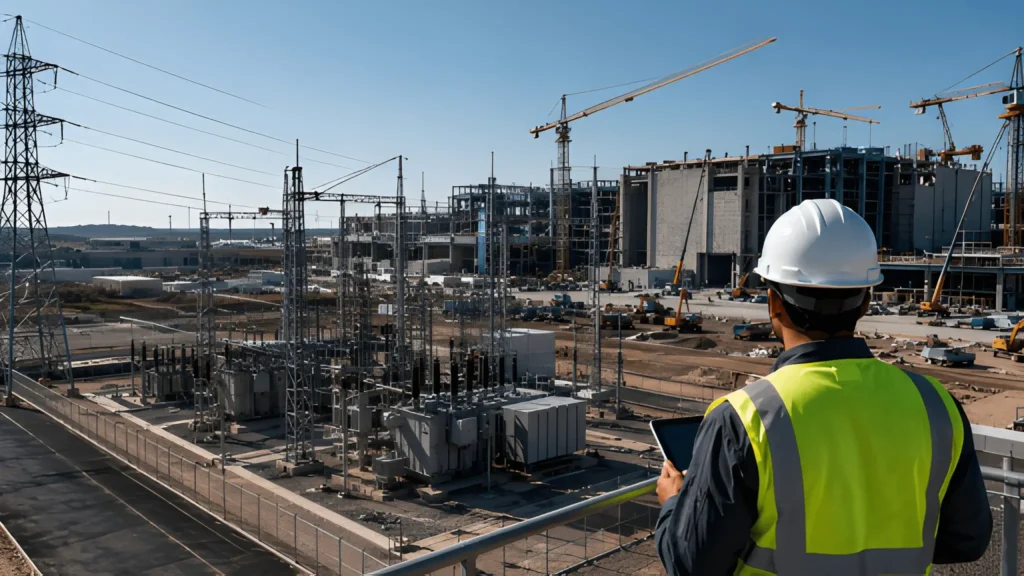
Campus Load has quietly become the first design constraint for large-scale artificial intelligence infrastructure, long before architects discuss buildings or

The commercial space industry has shifted the conversation around orbital infrastructure from science fiction toward commercial feasibility. Launch costs continue

The race to build AI infrastructure is exposing a challenge that extends far beyond GPUs and advanced semiconductors. Across global
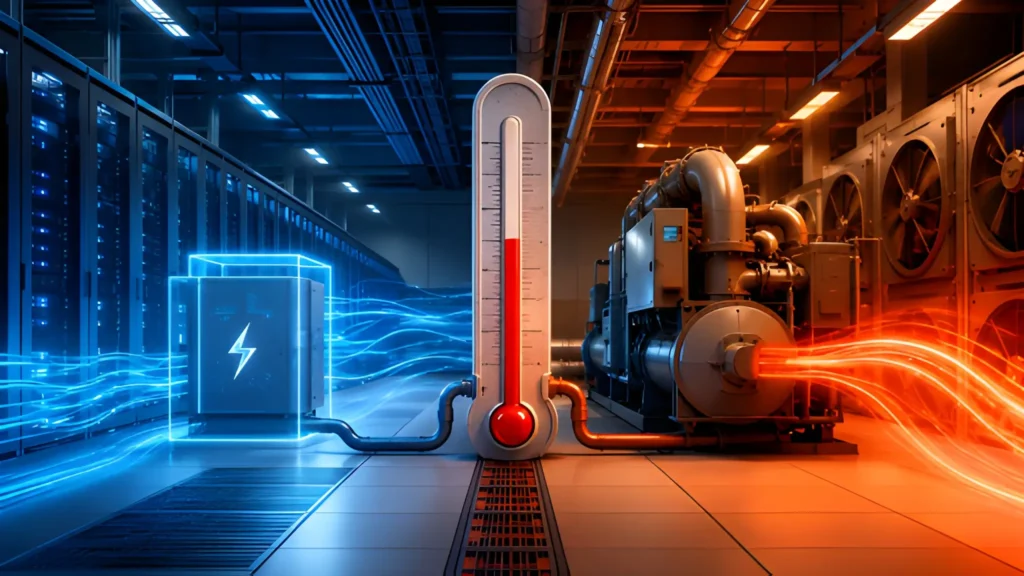
Power negotiations often conclude long before operational constraints reveal themselves inside a live facility. Infrastructure teams may secure additional electrical
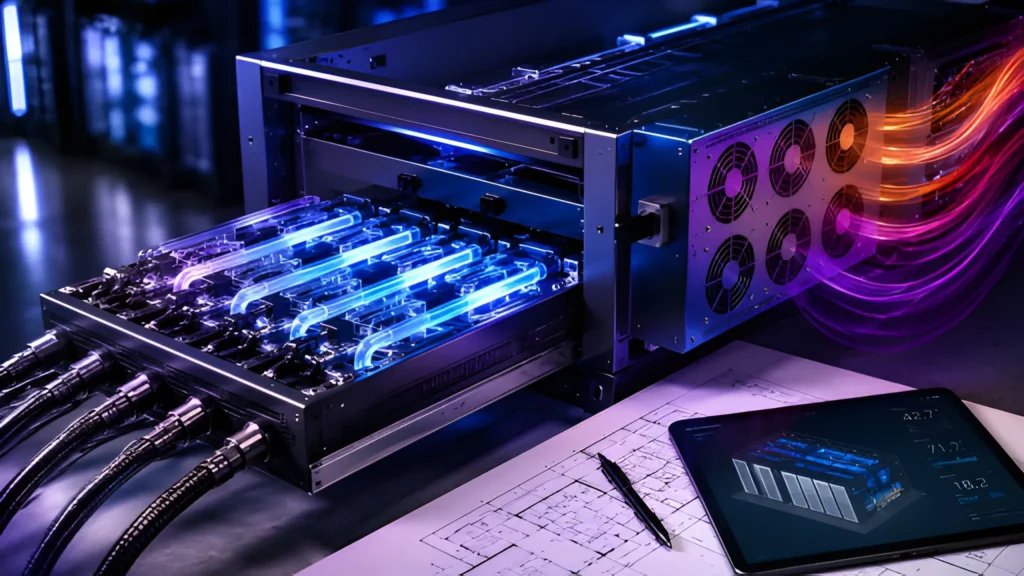
Artificial intelligence infrastructure has compressed deployment timelines to the point where electrical capacity is no longer the only gating factor
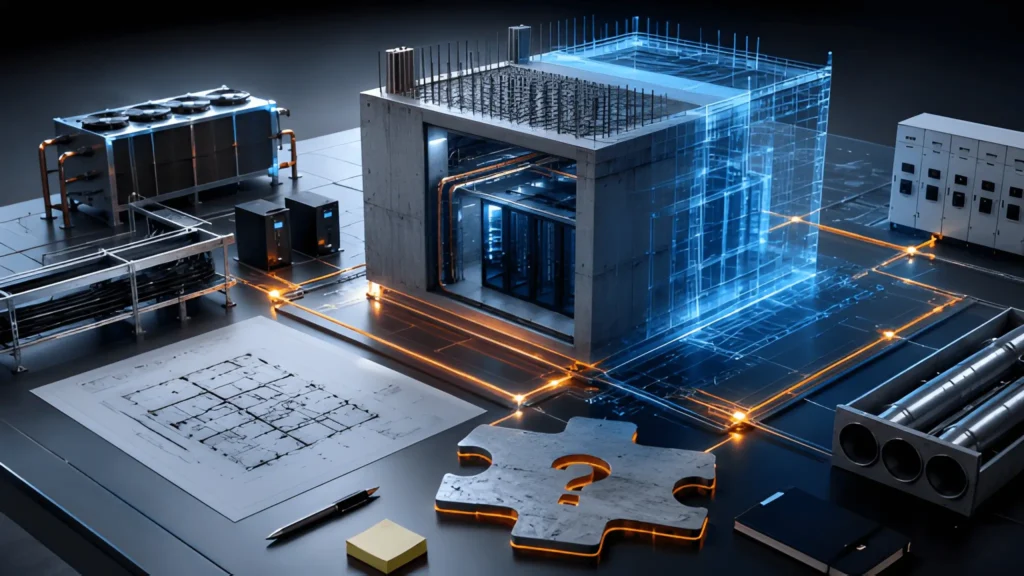
The first design decision rarely appears on the commissioning report, yet it often determines the economic life of the entire
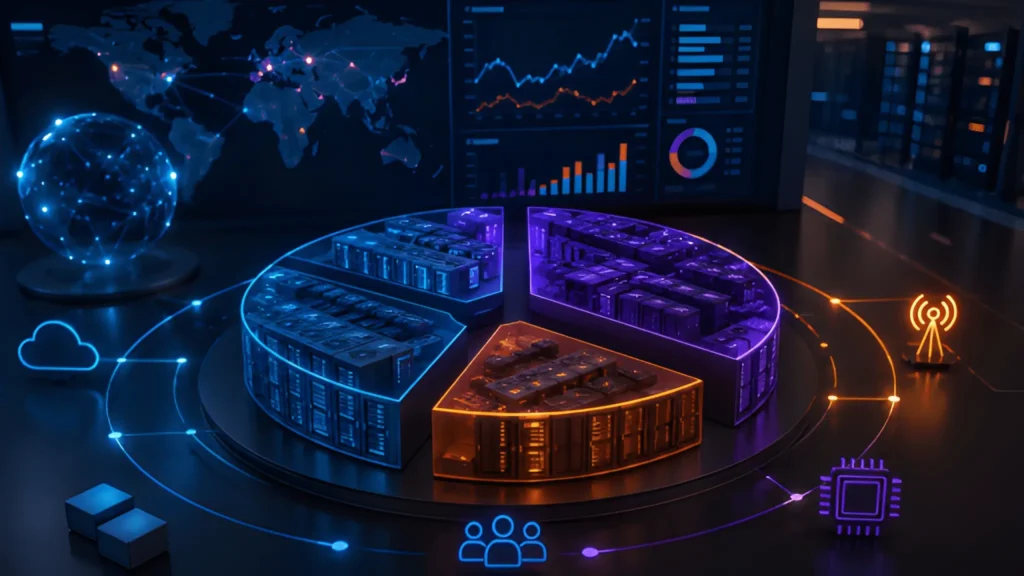
Power Usage Effectiveness became one of the industry’s most recognizable measurements because it translated infrastructure efficiency into a single ratio

Every major AI announcement tends to emphasize graphics processors, cloud capacity, or multi-billion-dollar data center investments. Much less attention goes

Not owning GPUs has become the default, deliberate strategy for building an AI company — not a compromise founders accept

Modern electricity systems were never designed to become the public face of digital infrastructure. Grid operators and regulated utilities traditionally
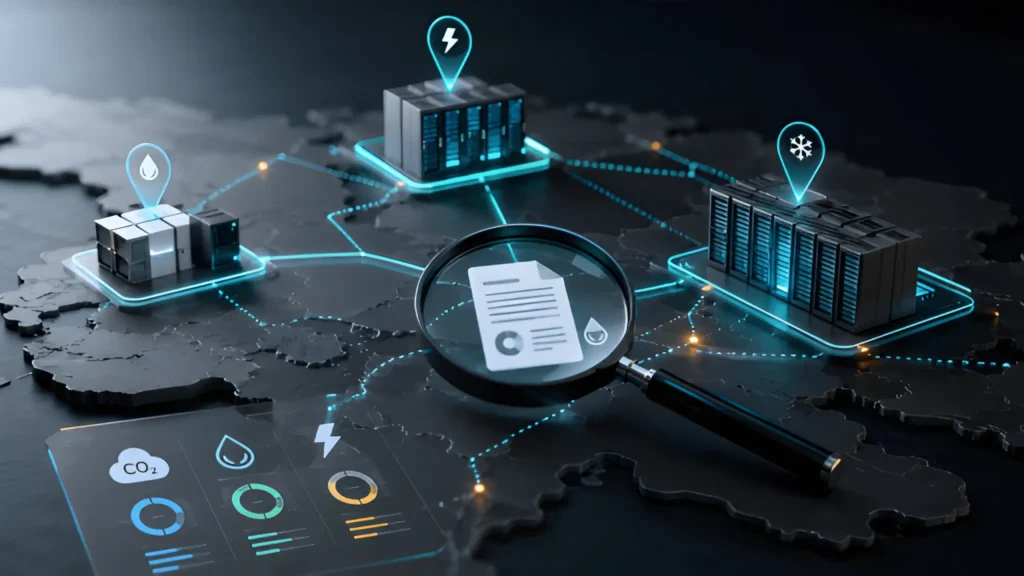
Boards increasingly expect organizations to support sustainability reporting with evidence that aligns with governance processes, internal controls, and decision-useful disclosures
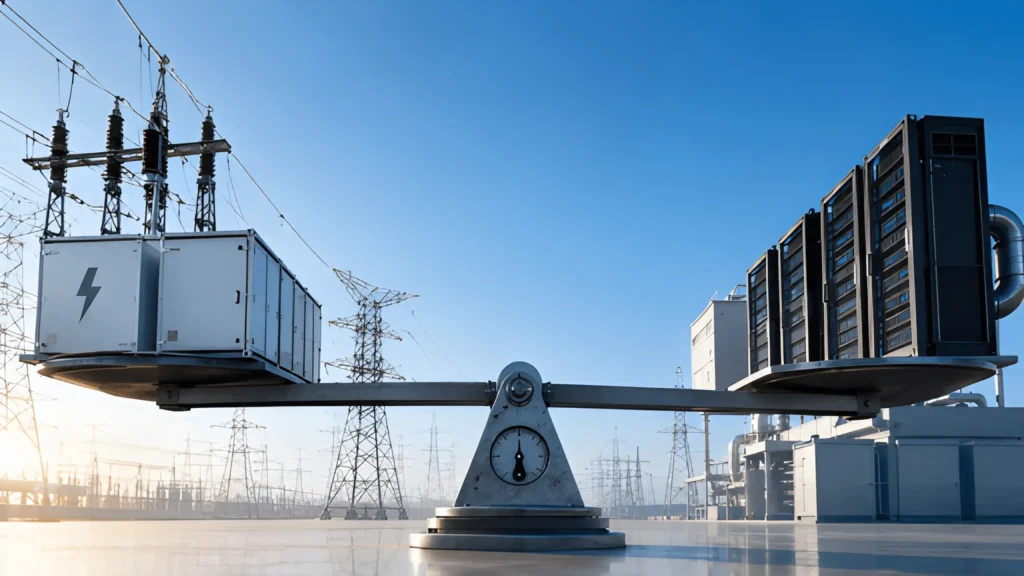
Selecting an AI infrastructure location no longer ends with comparing electricity tariffs, available acreage, or incentive packages because electrical behavior
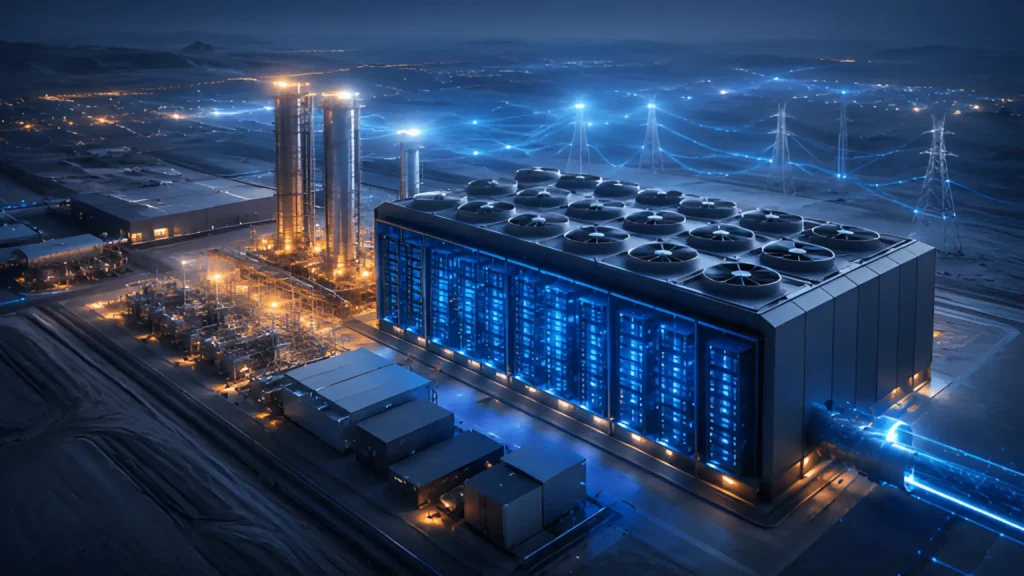
Cloud infrastructure no longer begins with a search for available racks or vacant campuses because the limiting resource has shifted
A contract renewal rarely begins with the words written on the first page anymore. It increasingly begins with infrastructure that
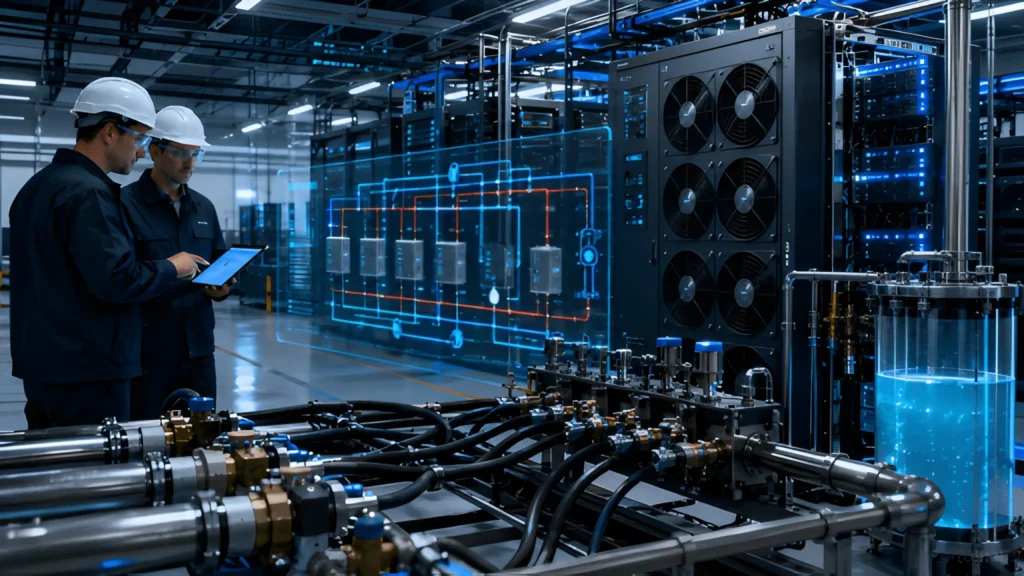
Every major transition in critical infrastructure eventually changes the way engineers define operational proof. Liquid-cooled AI environments have now reached
Artificial intelligence infrastructure no longer operates within the predictable boundaries that shaped earlier high-performance computing environments. Power availability, wholesale electricity
Technology organizations rarely postpone a product launch because developers fail to finish writing code. Release calendars more often shift after
Cloud computing has always appeared as a software-driven business from the outside, yet every service still depends on physical assets
Every infrastructure market eventually reaches a point where the traditional unit of sale stops reflecting the asset that customers truly
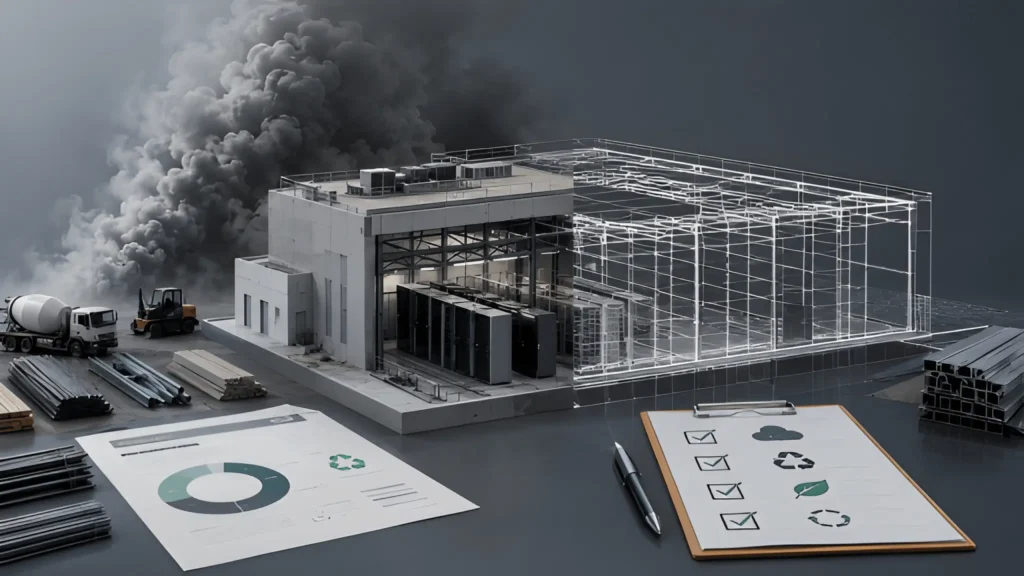
Organizations rarely inherit infrastructure decisions in isolation because every leased facility carries historical design assumptions into present-day sustainability reporting. Decisions
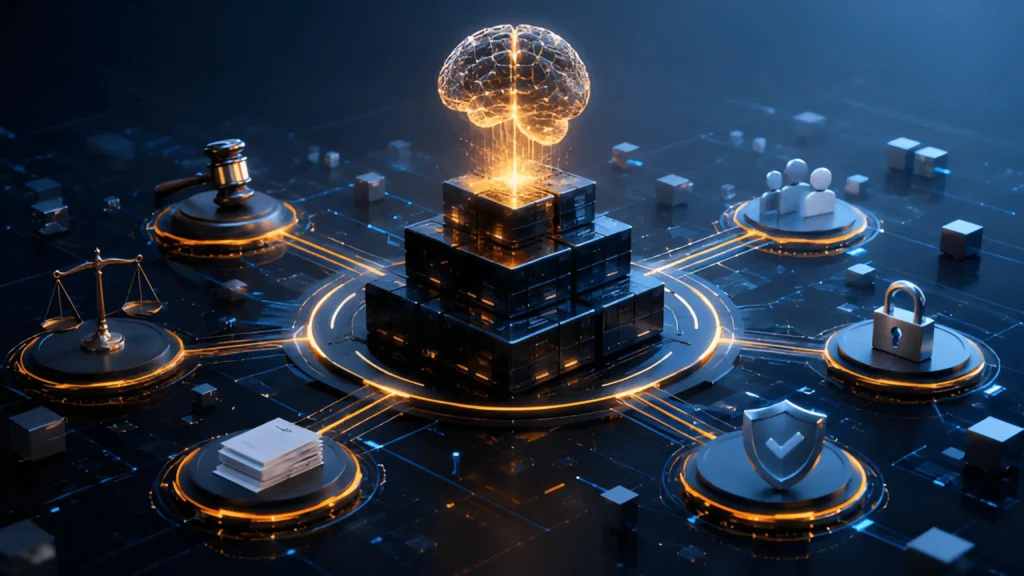
Software spent decades teaching executives that scale solved economics. Every additional customer improved margins because the product rarely became more

For most of the cloud computing era, a data center was a commercial asset like any other — sited for
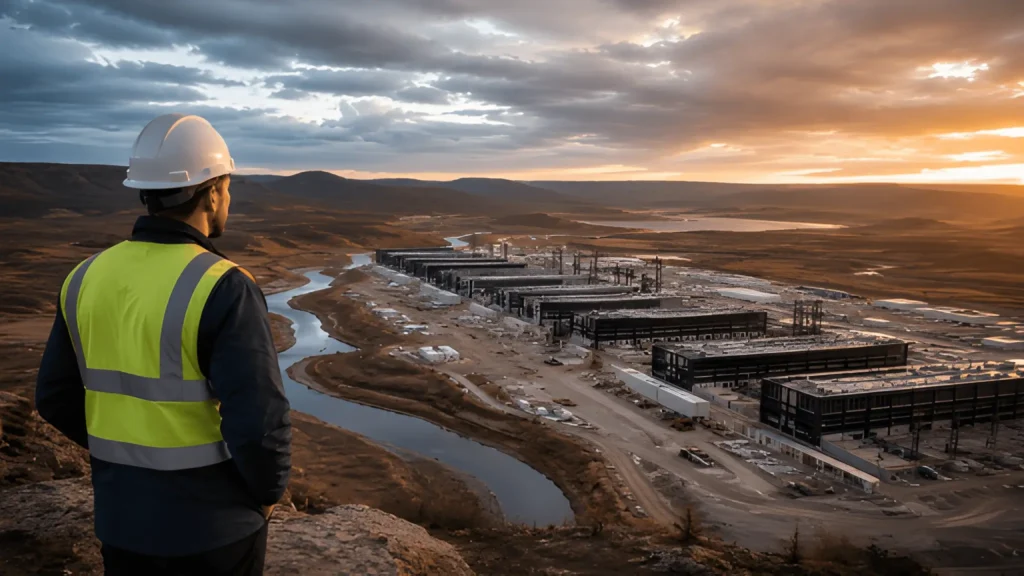
The discussion surrounding AI infrastructure often begins with power capacity, network connectivity, and capital investment. Those variables determine where new
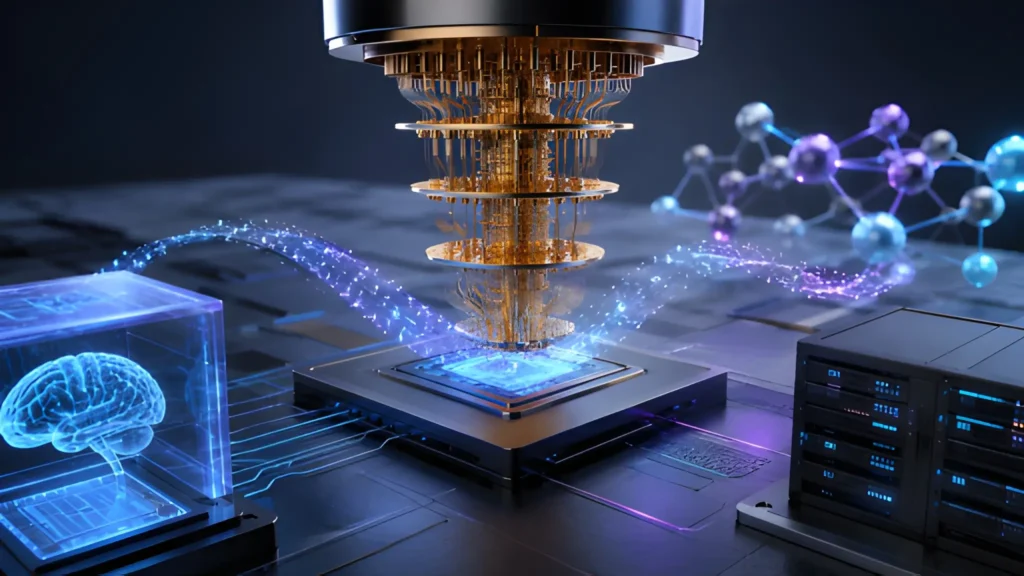
Computing strategies rarely change because a faster processor reaches the market or another accelerator enters production. They change when software
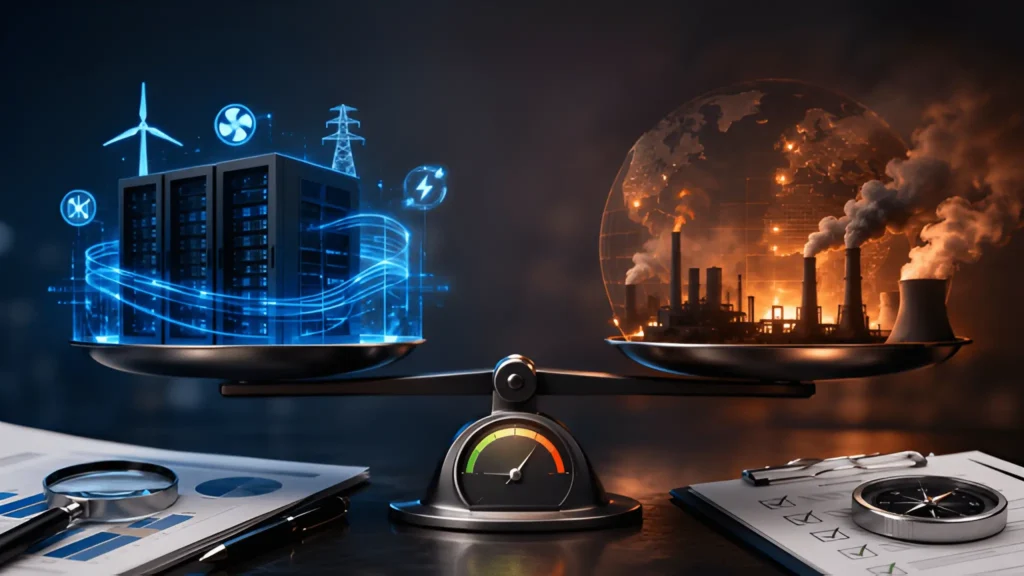
Electricity has become one of the most scrutinized inputs in digital infrastructure, yet the conversation around efficiency often stops before

Resistance to artificial intelligence infrastructure has become one of the most visible battlegrounds in the technology economy, yet the physical
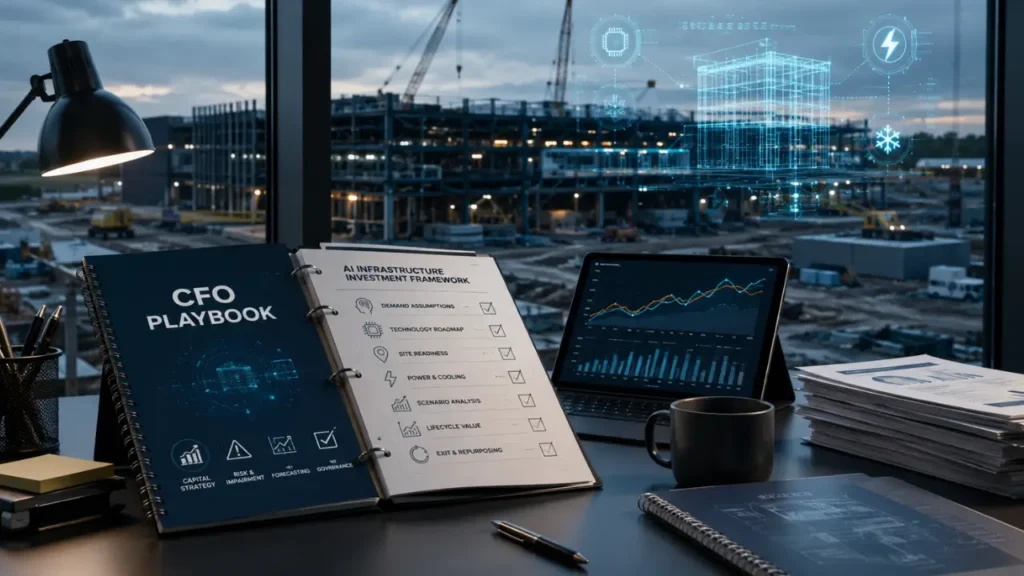
The financial story of an artificial intelligence campus no longer begins when servers receive their first workloads or when tenants
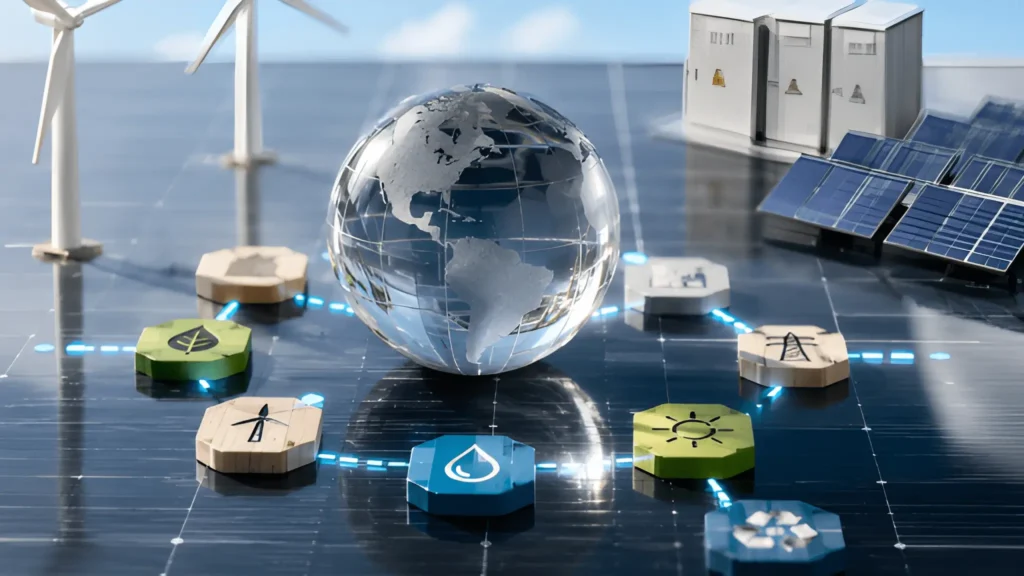
Corporate sustainability reports rarely attract attention until a reporting method begins changing the numbers behind familiar claims. Executives who once
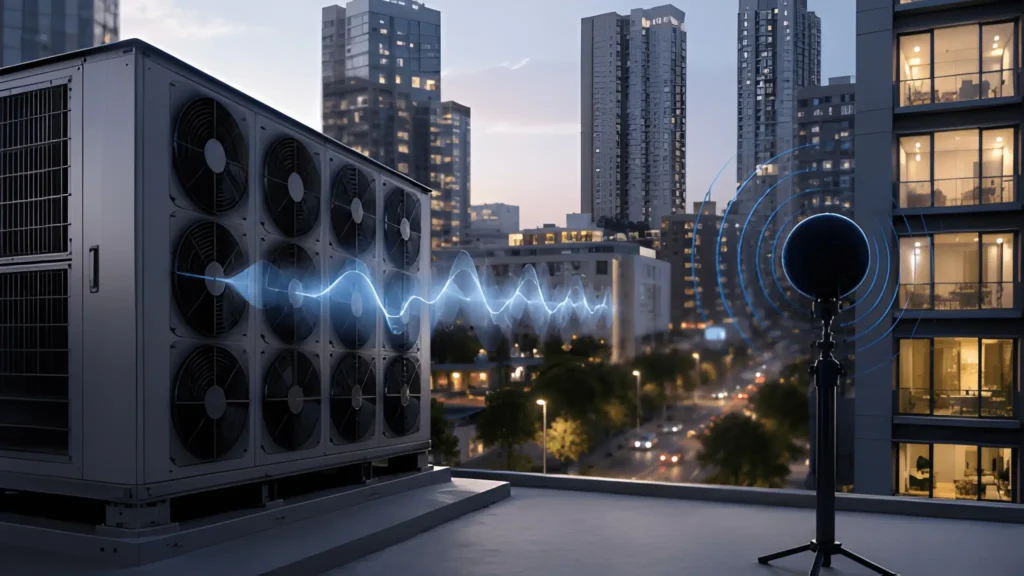
Cooling equipment rarely becomes the first topic during infrastructure planning meetings, yet it often determines whether an urban deployment survives
Artificial intelligence infrastructure no longer begins with procurement schedules or engineering drawings because location decisions now influence governance discussions from
Every generation of digital infrastructure inherits a constraint that eventually becomes too expensive to accept as permanent. Earlier expansion cycles

Infrastructure strategy often receives careful attention during procurement but considerably less scrutiny after deployment reaches production. Teams negotiate contracts, validate
Infrastructure planning decisions can create capacity constraints that become visible several years after deployment because hardware evolution, workload requirements, and
Infrastructure planning discussions often prioritize engineering, construction, and utility considerations before examining how end users ultimately experience application performance. Enterprises
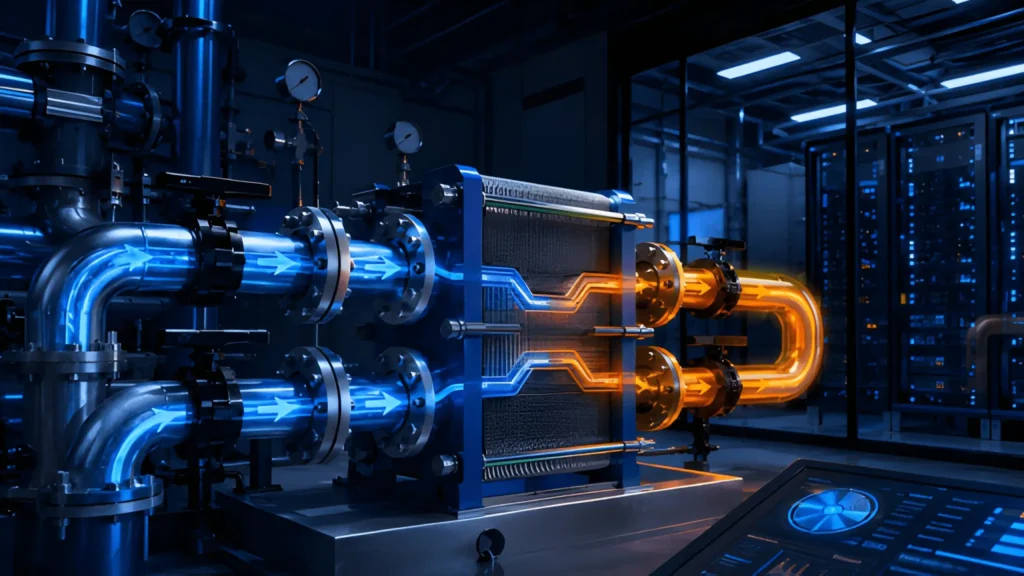
The most important pipe inside an AI-ready data center rarely connects directly to a processor. It sits between two cooling
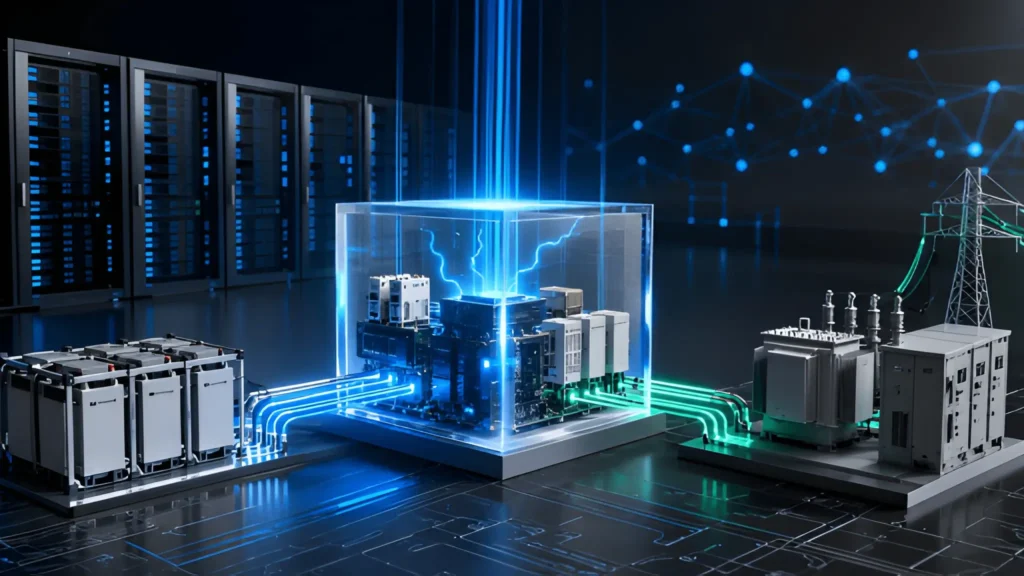
As AI clusters continue scaling, operators are searching for electrical architectures capable of delivering higher efficiency while reducing conversion losses
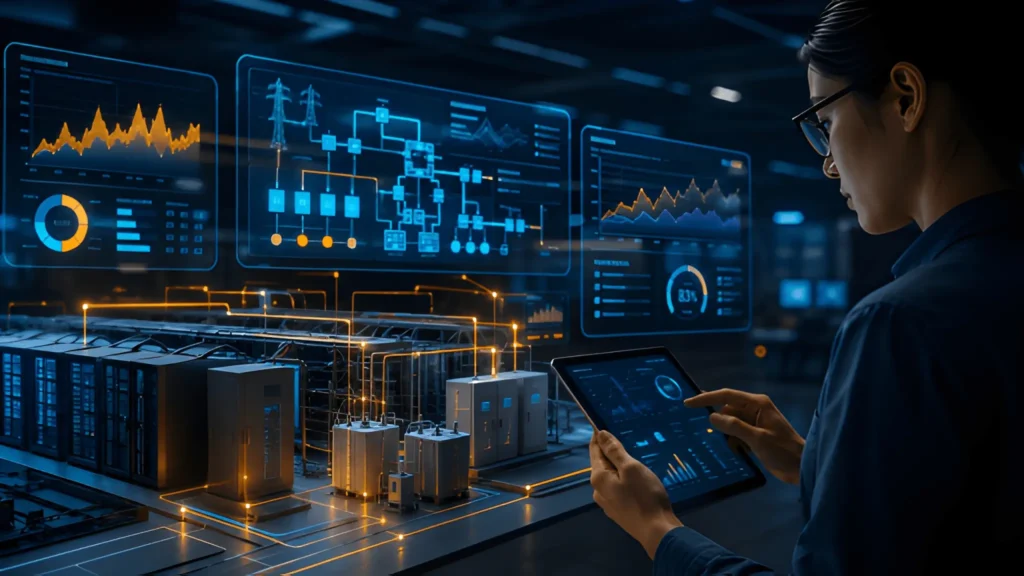
For almost two decades, cloud infrastructure taught buyers to think in abstractions rather than physical constraints. Virtual machines abstracted physical
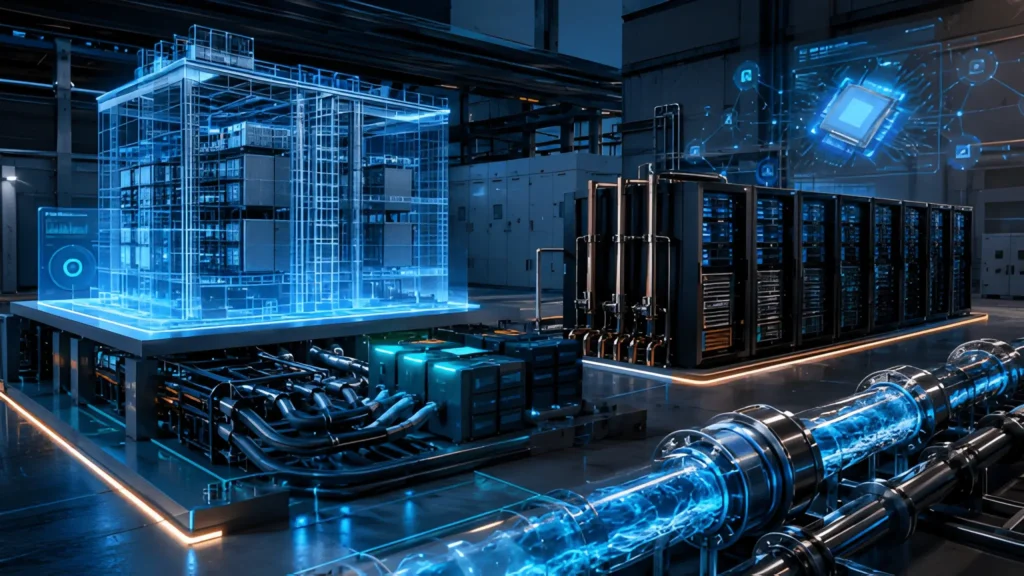
Most infrastructure disruptions begin with a faster processor, a denser server, or a cheaper component that changes purchasing decisions over
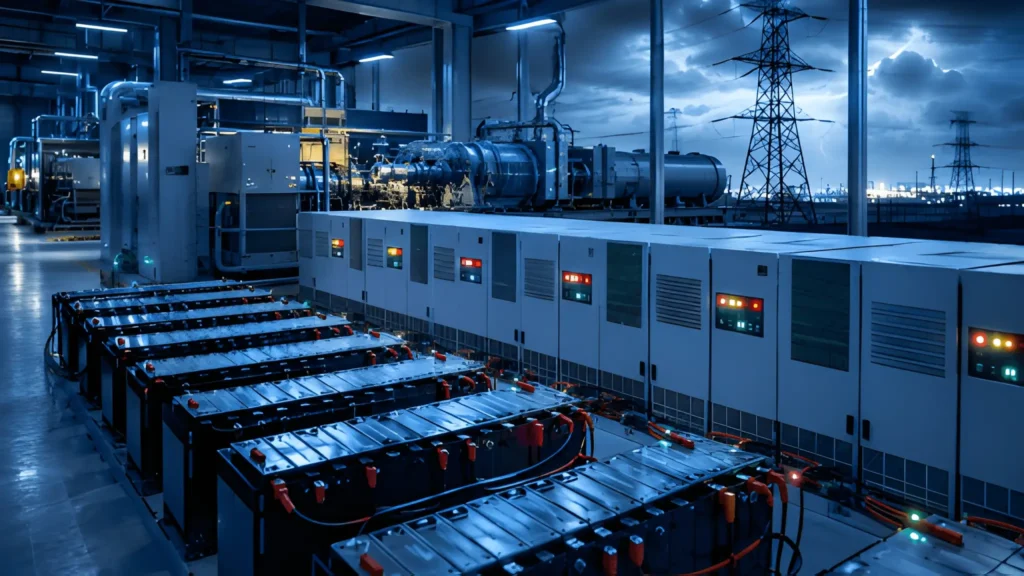
Power availability has quietly become a design variable that rivals compute density in strategic importance. Infrastructure teams increasingly account for
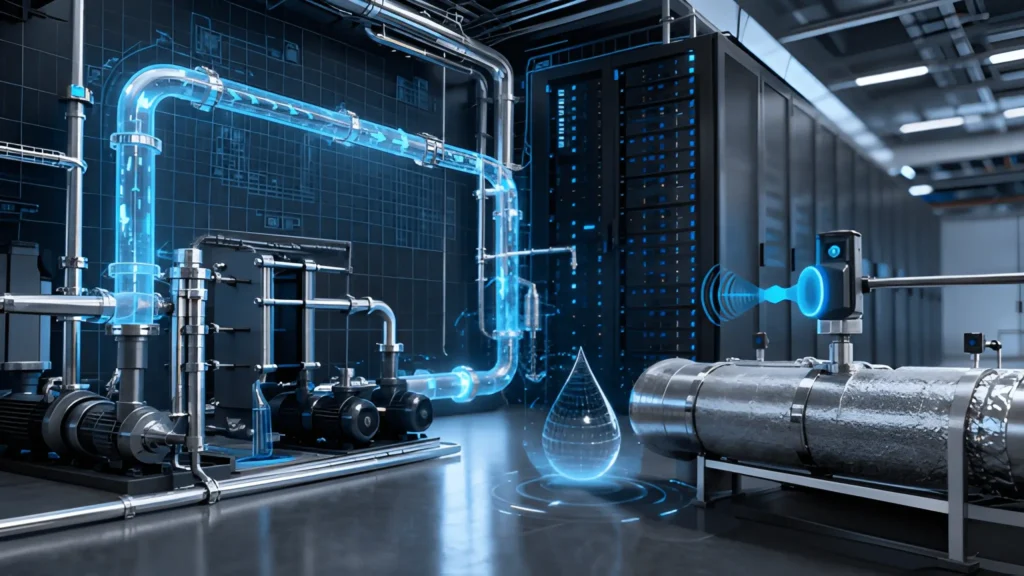
Water has traditionally influenced maintenance schedules, treatment systems, environmental reporting, and cooling decisions across the entire facility lifecycle. Removing nearly
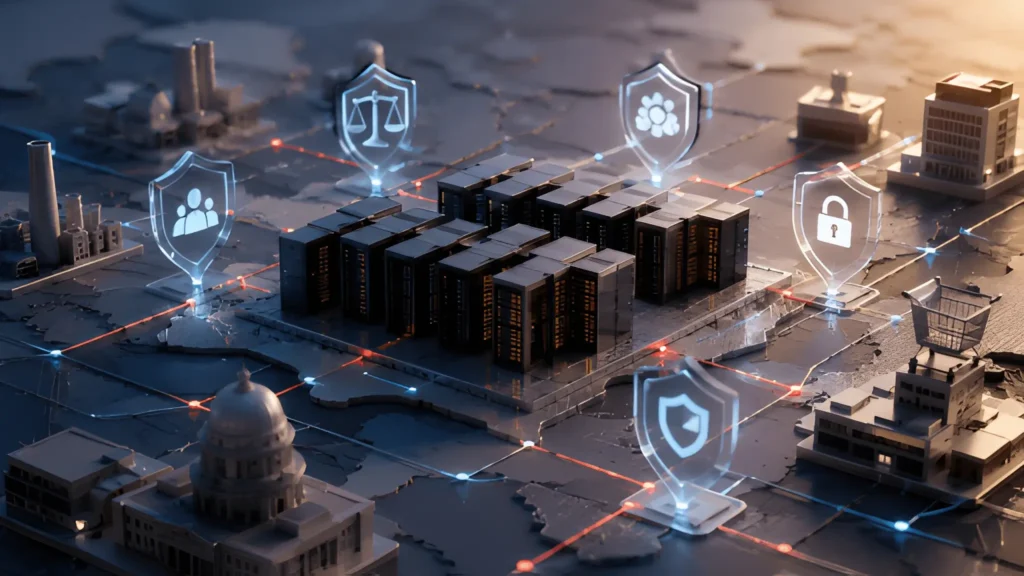
Artificial intelligence has quietly changed what defines a company’s reputation. Customers may never visit a server hall, inspect a power
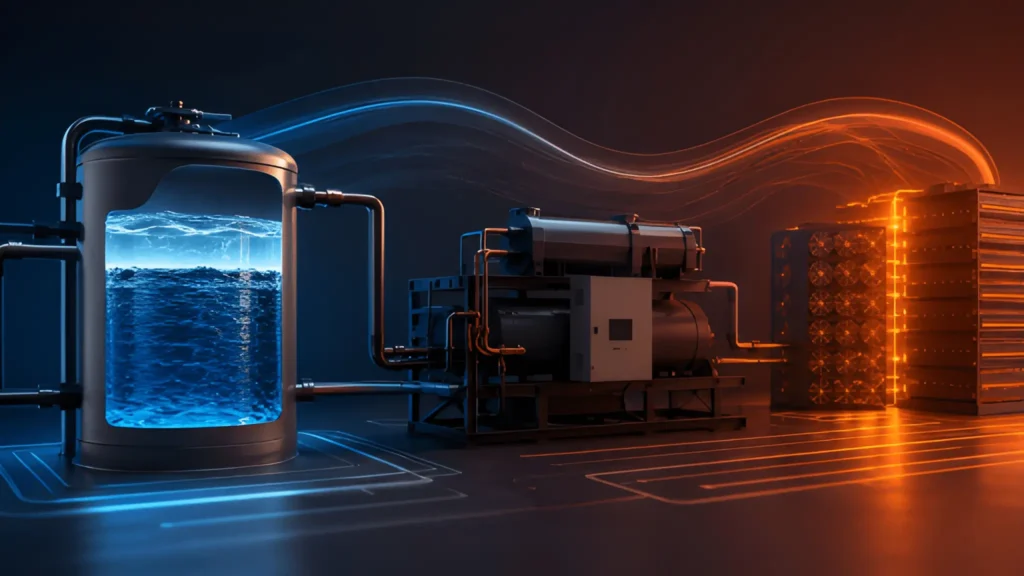
AI infrastructure has changed the shape of electrical demand more aggressively than it has changed annual energy consumption, which means
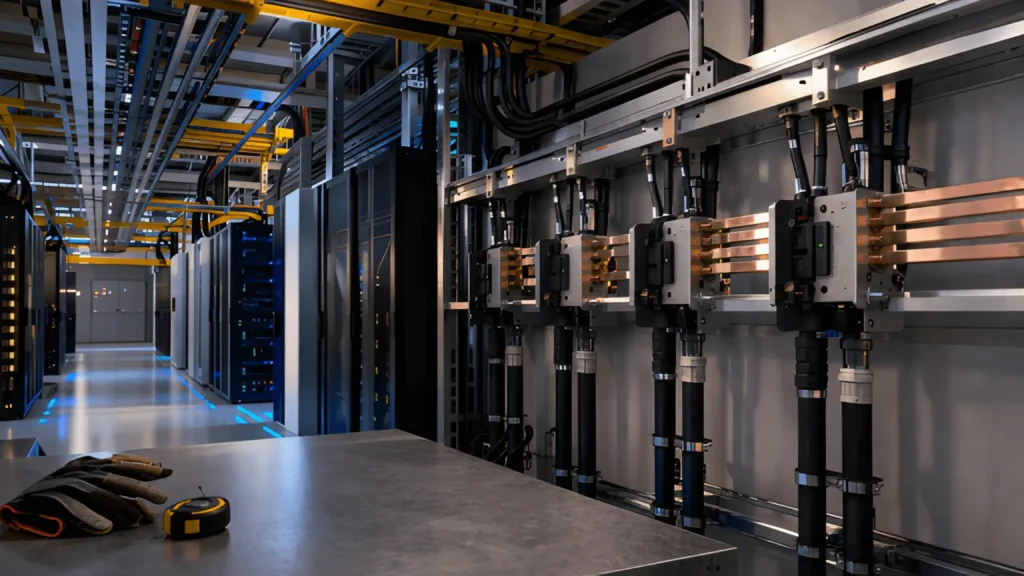
Electrical infrastructure commonly becomes a primary constraint during capacity expansion because successive compute generations introduce higher power densities and changing
The artificial intelligence race has quietly become a contest over turbines, transformers and transmission corridors. Software leadership no longer guarantees
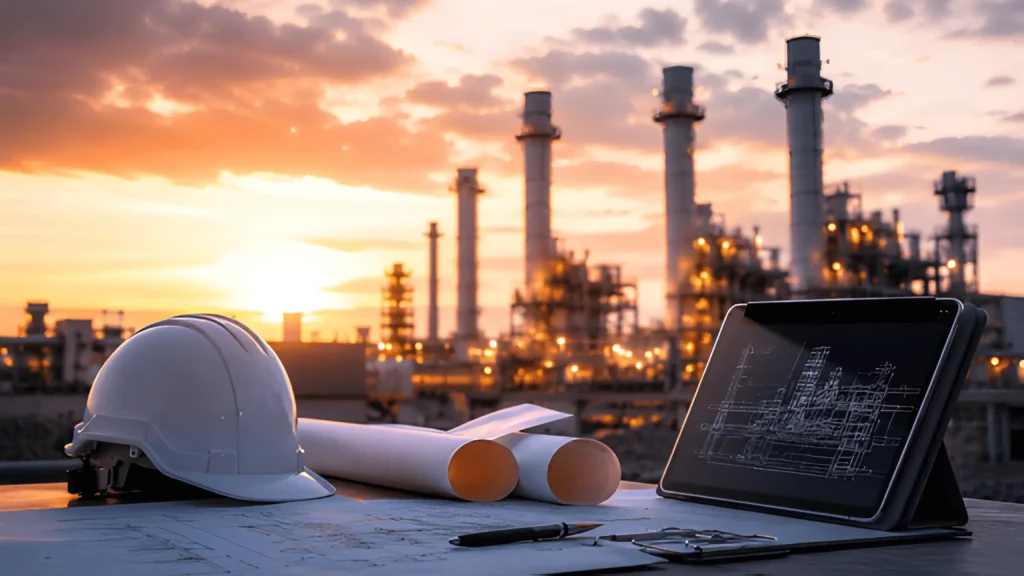
Modern AI infrastructure planning increasingly begins with site selection, utility availability, and permitting before physical construction starts. Increasingly, the earliest

Reliable broadband no longer depends only on trenching fiber, installing towers, or securing radio spectrum because another constraint has emerged
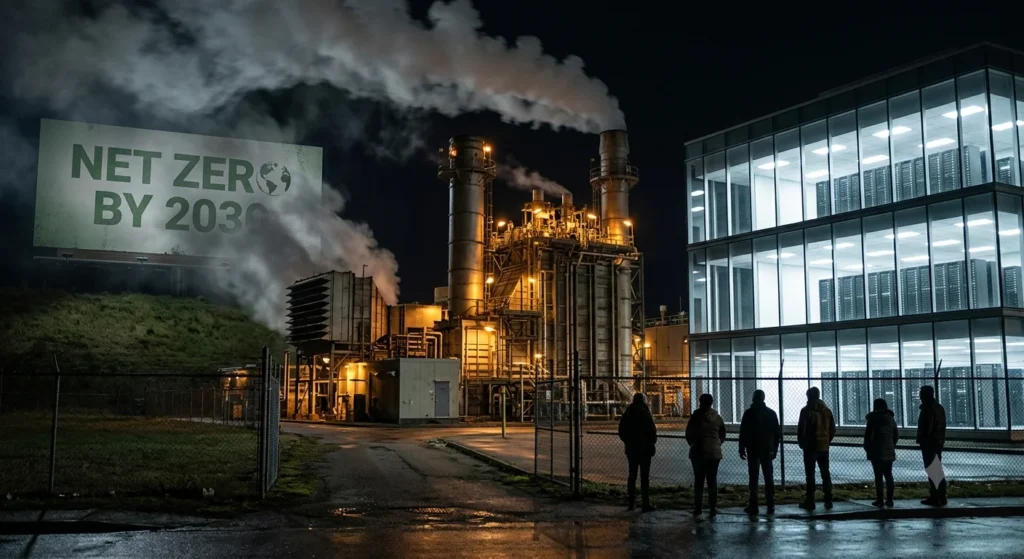
The Shortcut That Created a Different Problem Developers can construct data centers within 12 to 18 months. Connecting them to
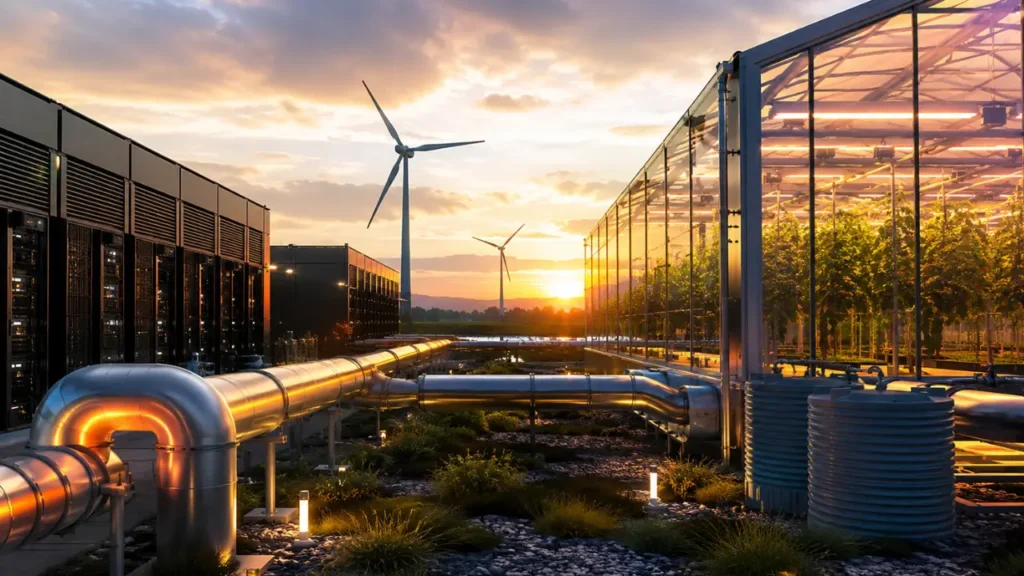
Hectare-Watt Land Economics is redefining how infrastructure land is evaluated as digital infrastructure and controlled-environment agriculture increasingly identify complementary value
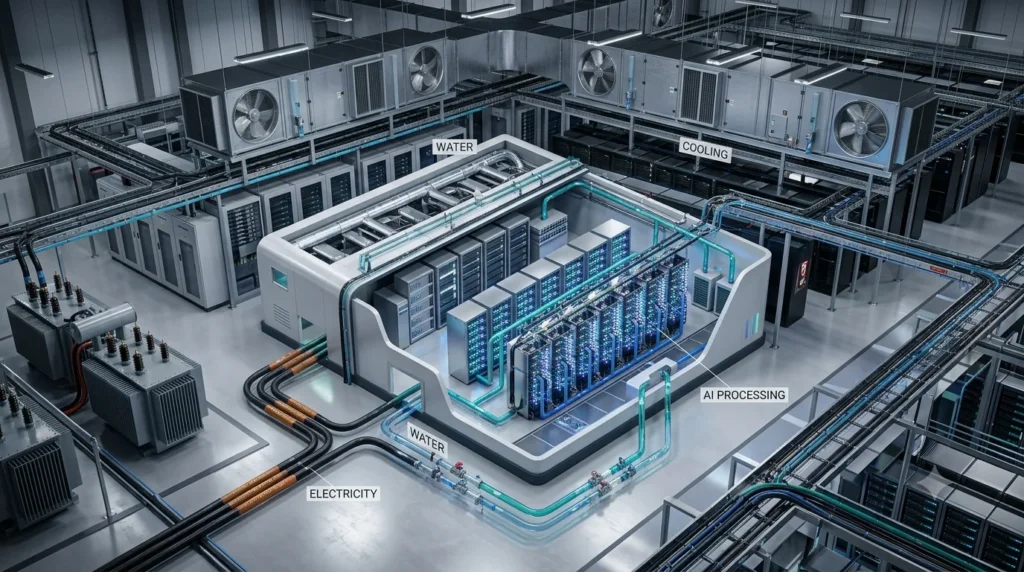
Artificial intelligence has transformed the economics of digital infrastructure. Every new AI model requires more computing power than its predecessor.
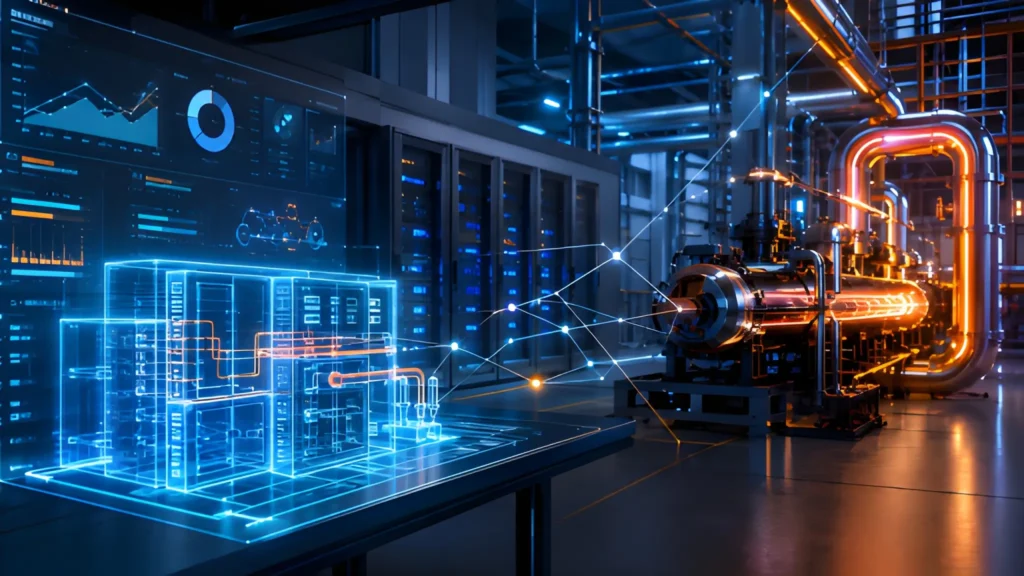
Power contracts inside colocation data centers rarely attract attention until a new engineering constraint changes the economics beneath them. The
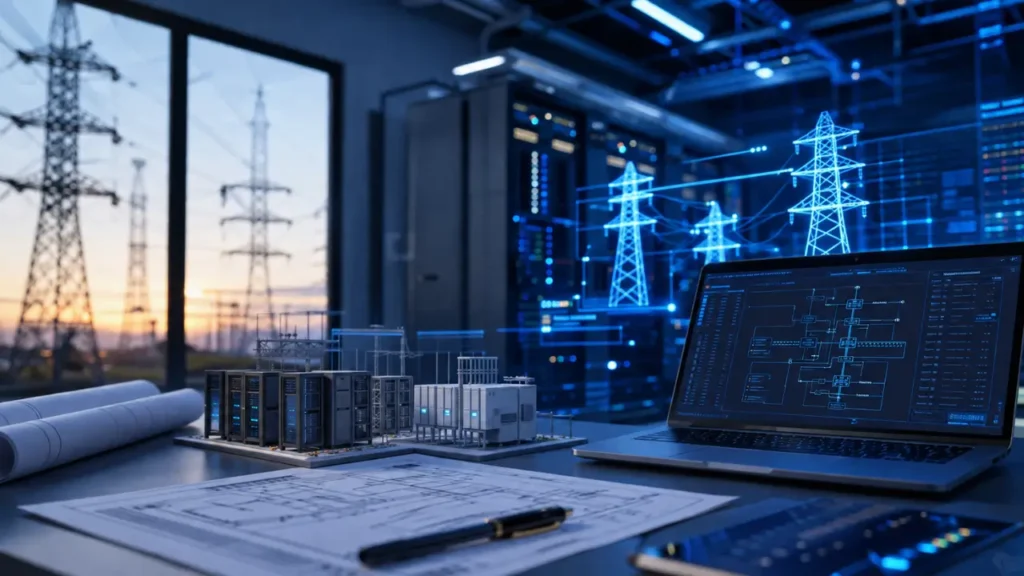
Power rarely appears on a product roadmap, yet it often determines whether a new AI platform reaches production on schedule
Procurement teams often celebrate renewable electricity agreements as evidence that AI infrastructure has aligned commercial growth with environmental commitments. Those

The economics of data center development have quietly gained a new variable. Capital still buys land, substations, cooling systems, and
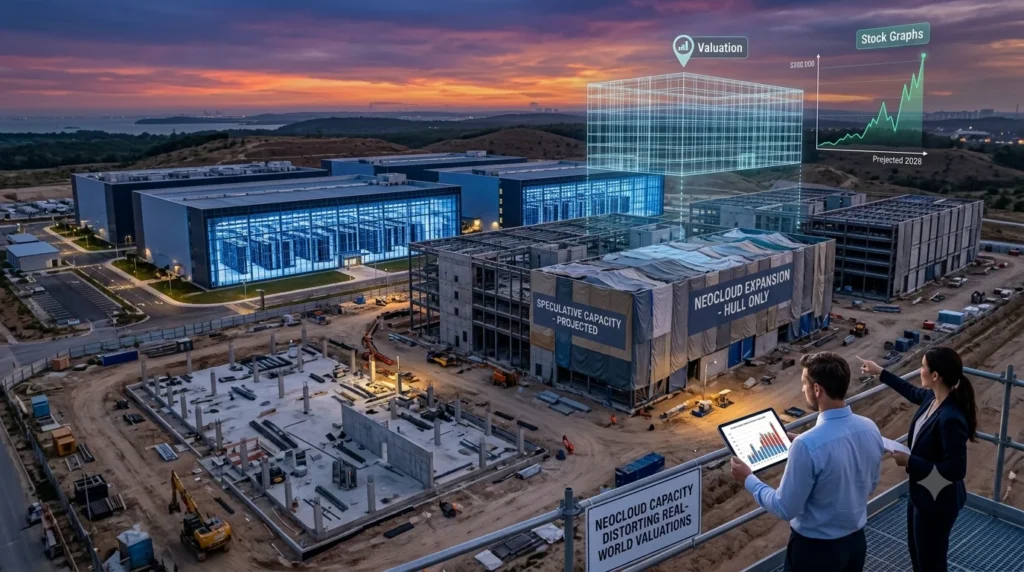
The Numbers That Look Too Good The neocloud sector generated more than $25 billion in revenue in 2025. Fourth-quarter revenues
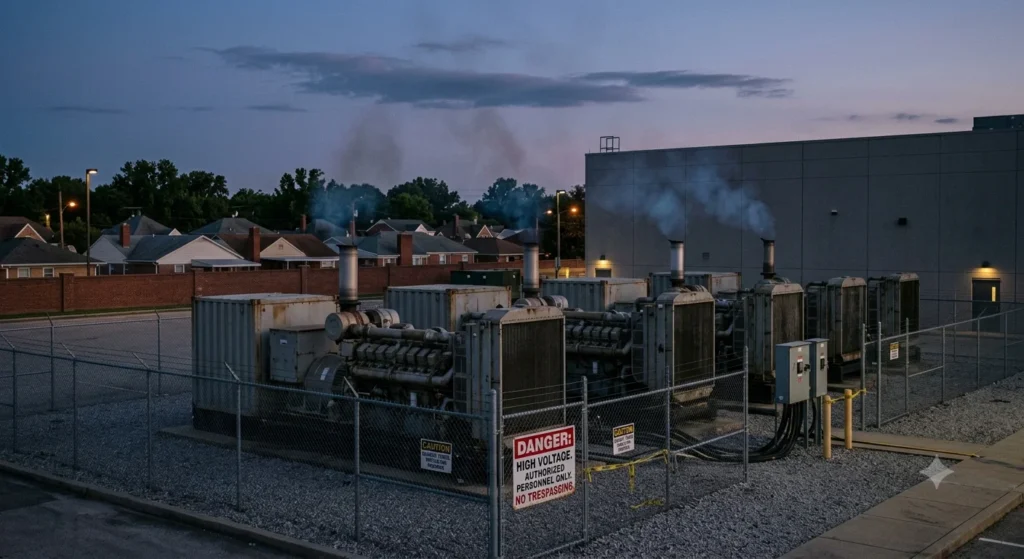
Data centers do not visibly smoke. They have no smokestacks, no visible exhaust, and no obvious signs of combustion under
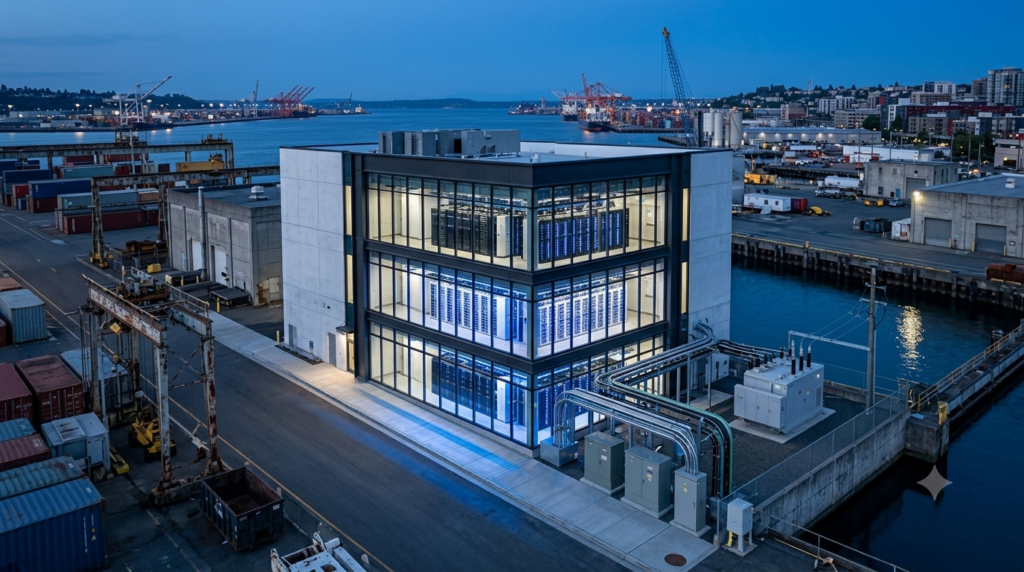
For years, artificial intelligence infrastructure followed one clear rule. Bigger data centers delivered greater computing power. Hyperscale campuses became symbols
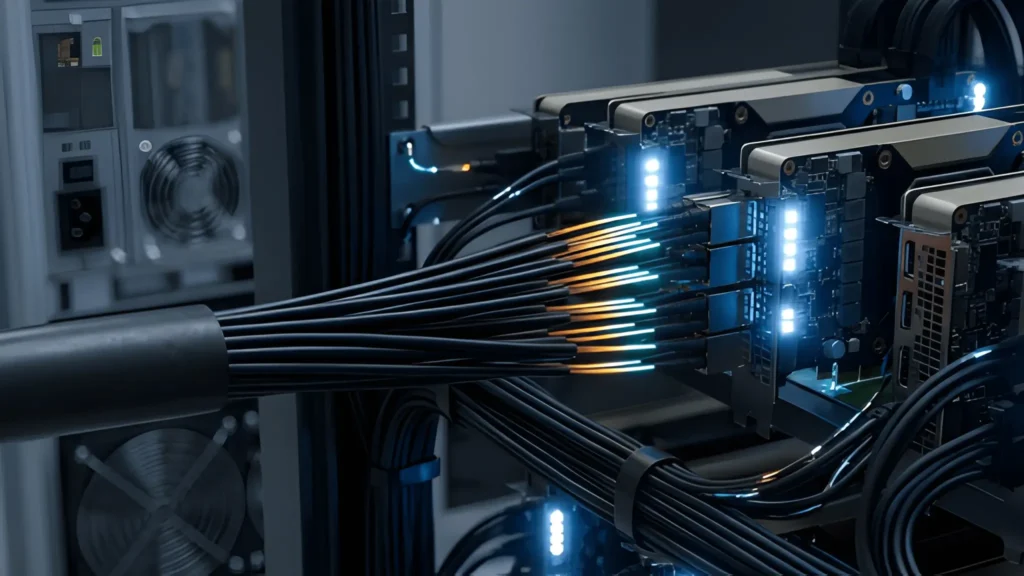
Artificial intelligence infrastructure discussions usually begin with processors, accelerators, and power availability, yet another layer quietly determines where many training
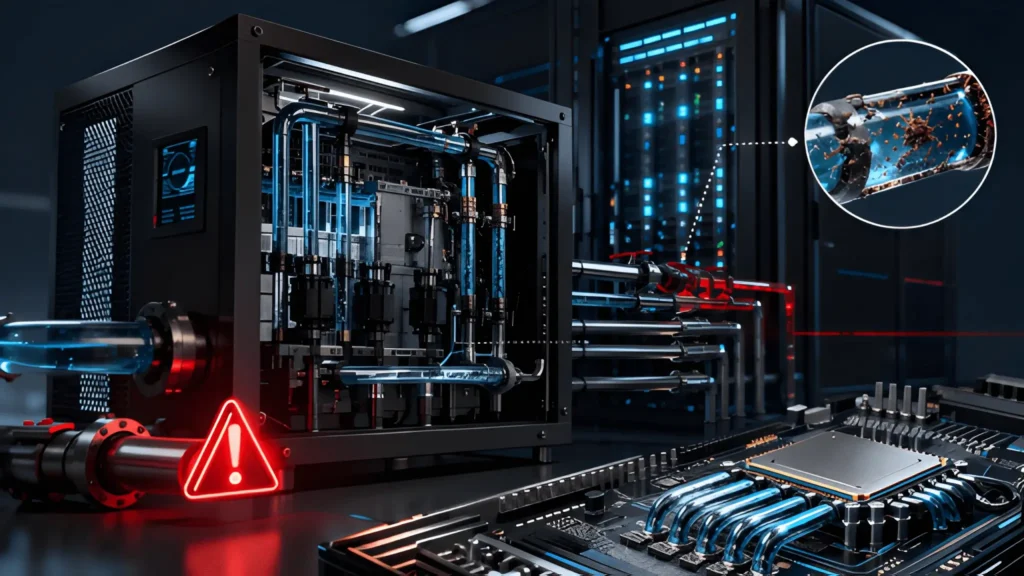
As rack power densities continue increasing in direct-to-chip deployments, thermal infrastructure no longer behaves like a passive utility because hydraulic
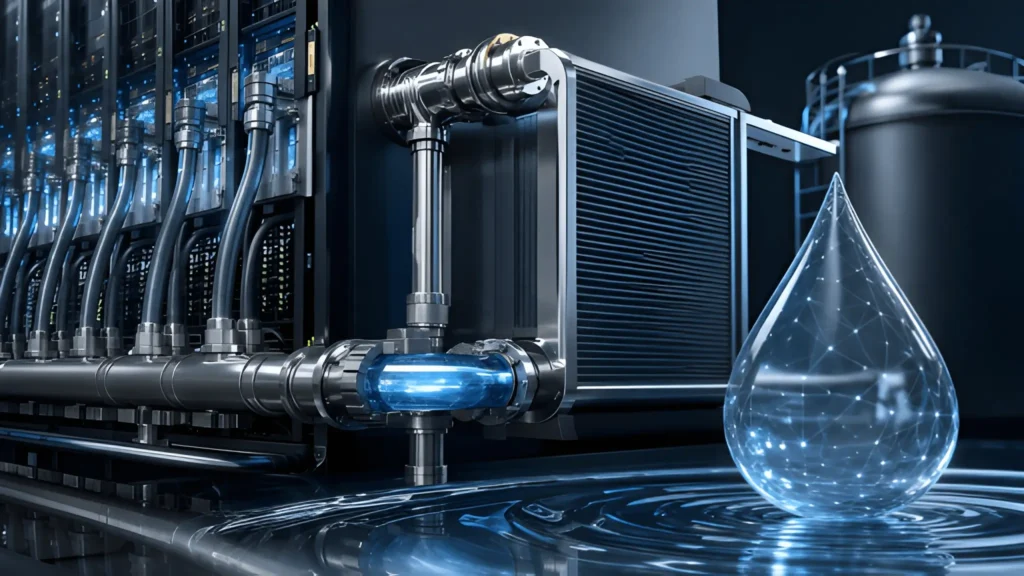
Modern compute infrastructure now places hydraulic engineering in the same decision framework as electrical capacity and thermal architecture. AI accelerators
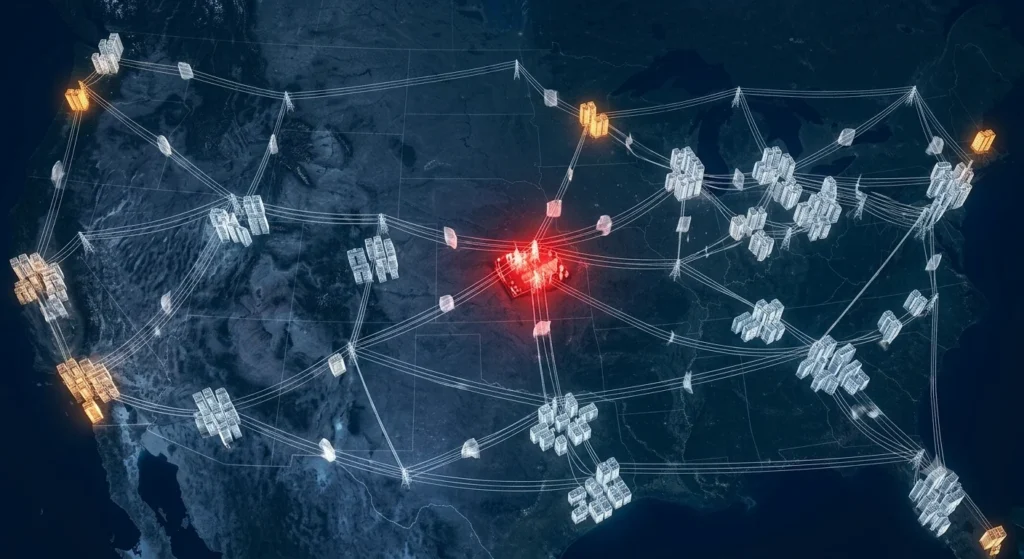
The Queue That Looks Full But Isn’t Something structurally strange is happening inside America’s electricity grid. The interconnection queue has
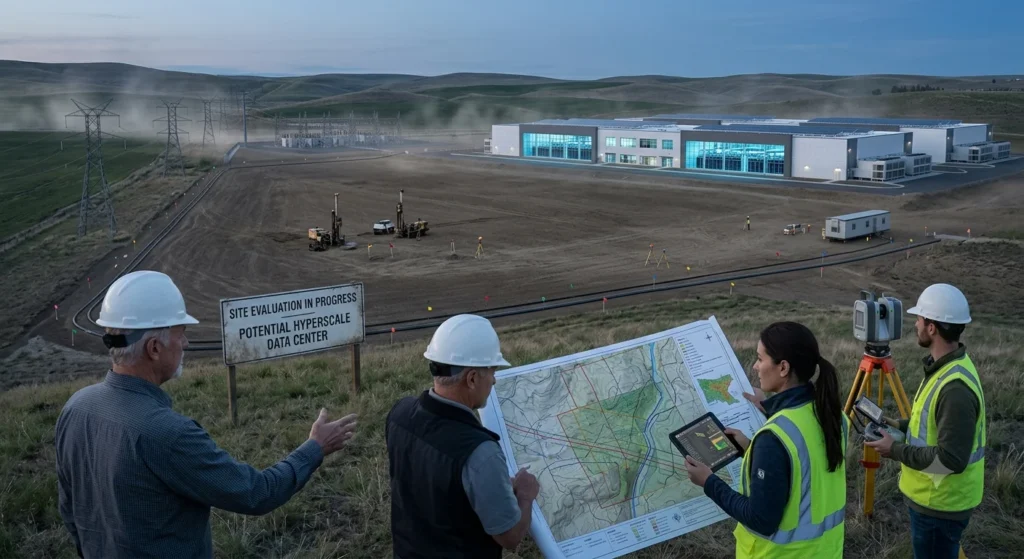
Artificial intelligence has transformed the economics of digital infrastructure. Companies once competed by acquiring GPUs faster than their rivals. Today,
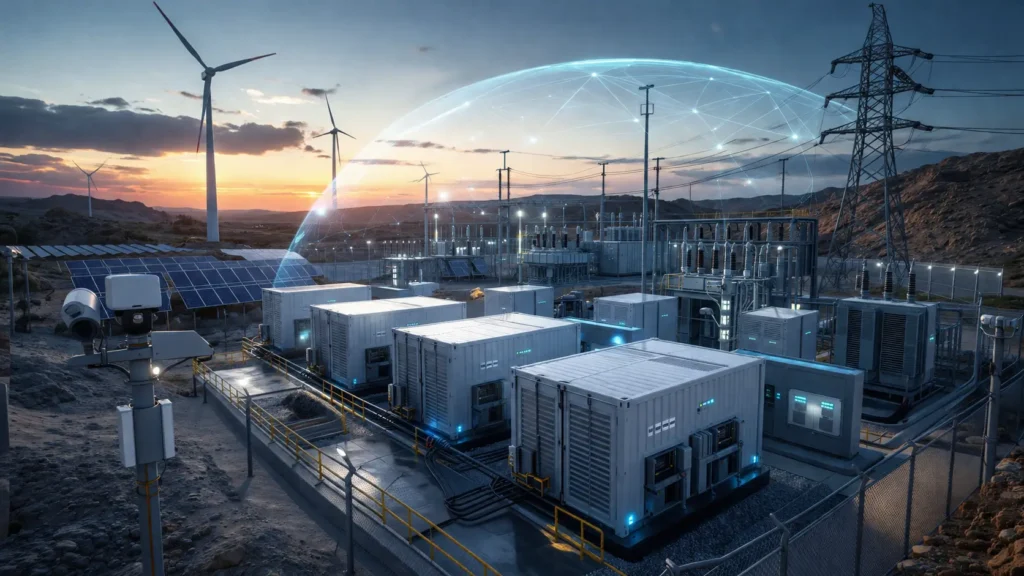
Artificial intelligence infrastructure no longer remains confined to purpose-built campuses with layered fencing and tightly managed access corridors. Organizations now
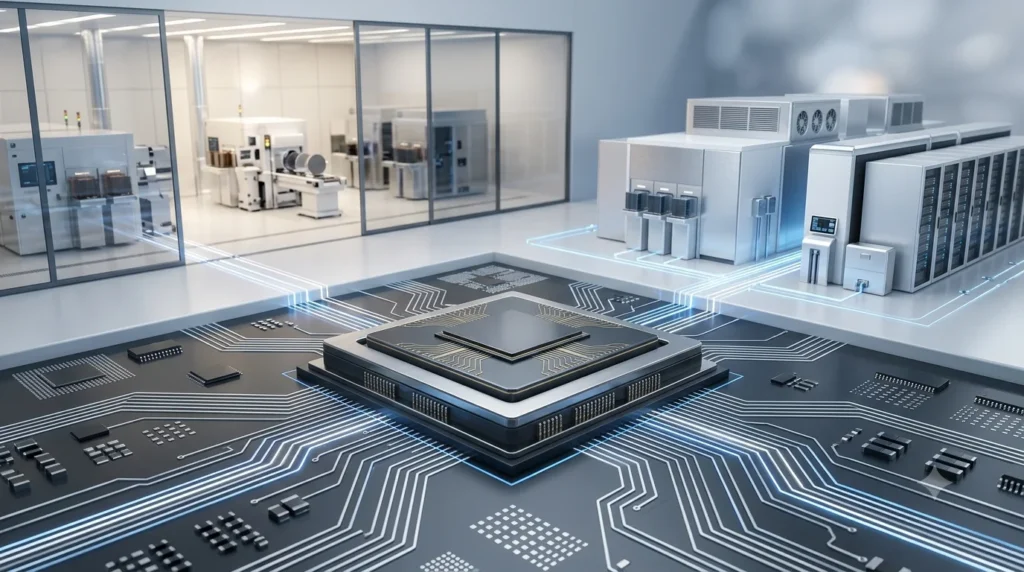
Artificial intelligence companies continue searching for ways to overcome growing compute constraints. However, limited GPU availability and rising infrastructure costs
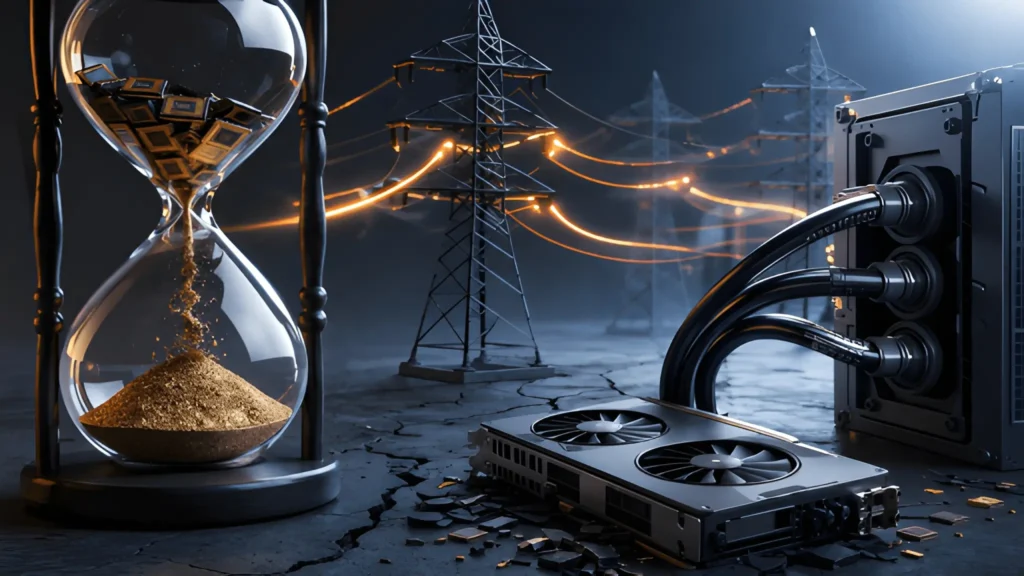
Cloud infrastructure planning rarely treats electrical capacity as a depreciating asset, even though compute hardware now loses commercial relevance much
No executive begins an AI infrastructure program by asking whether a gas molecule could reshape the future valuation of an
Artificial intelligence has transformed data centers into strategic infrastructure. That shift has changed more than technology investment. It has also
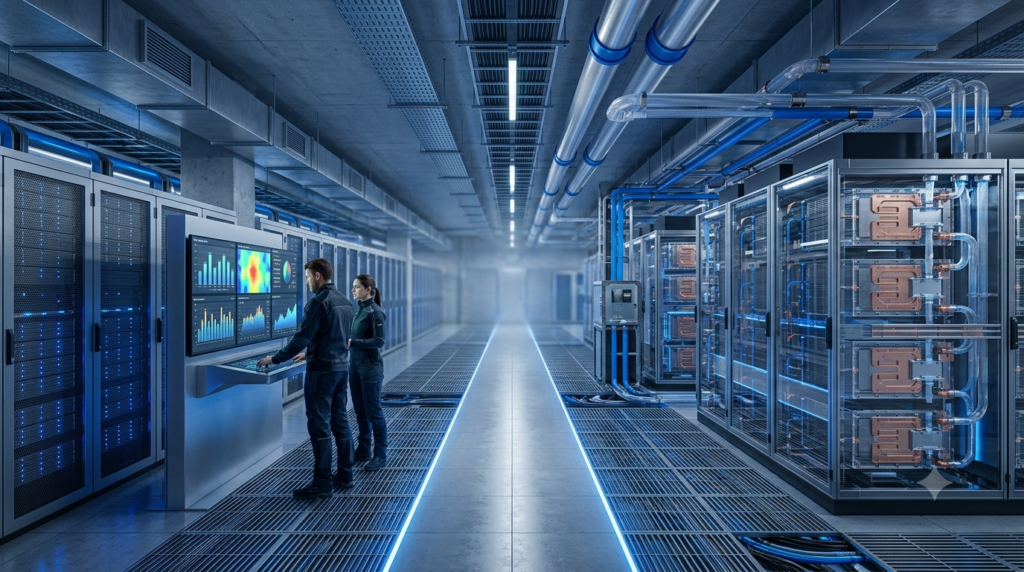
Artificial intelligence has changed data center design faster than many operators expected. Traditional facilities supported predictable enterprise workloads for many
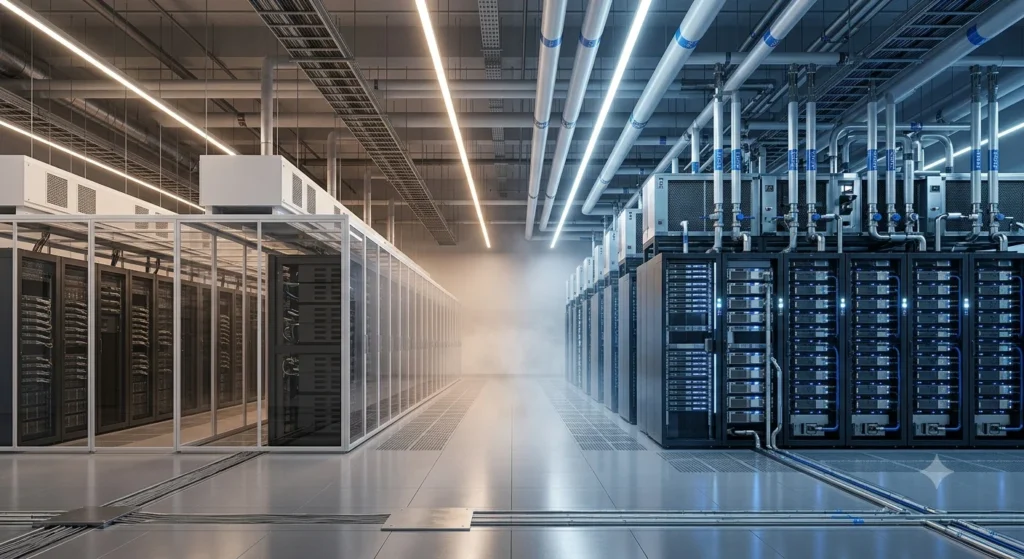
The Hall That Must Serve Two Eras Simultaneously Walk into a mixed-density data hall today and you encounter a paradox.
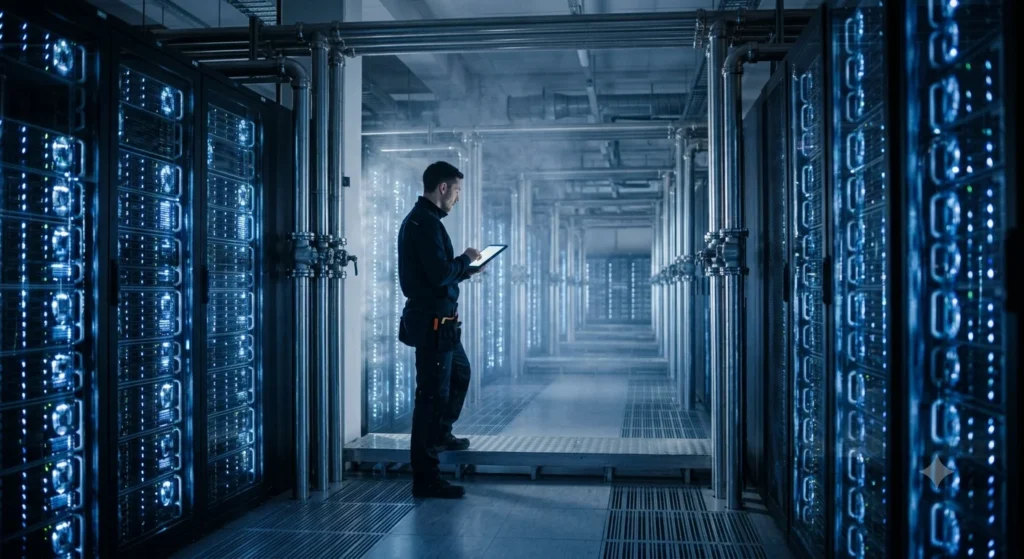
AI data center infrastructure has entered territory the industry has never navigated before. Demand is rising faster than power grids
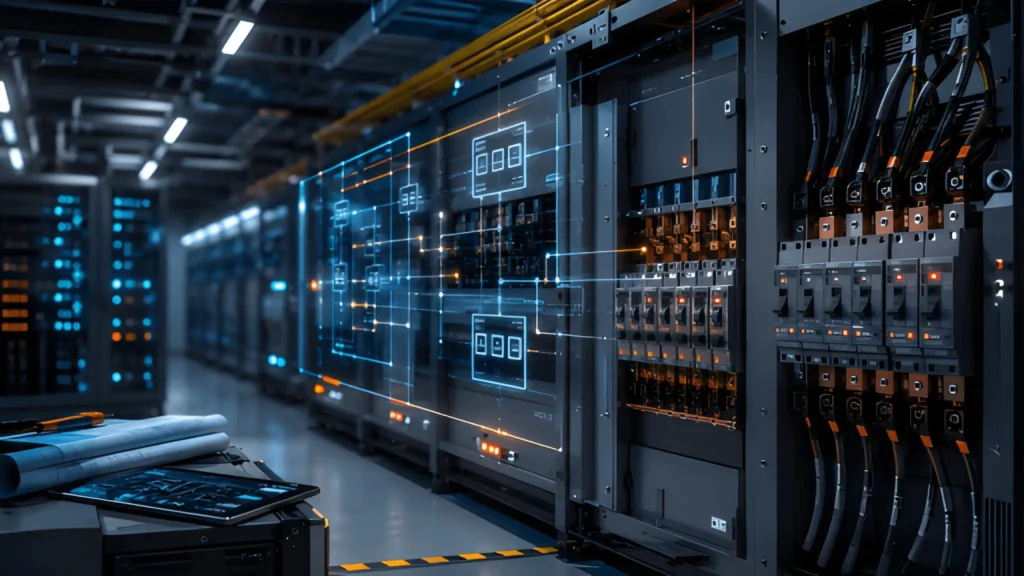
Electrical infrastructure rarely attracts executive attention when AI programs launch because processors, networking, and software dominate most planning discussions. That
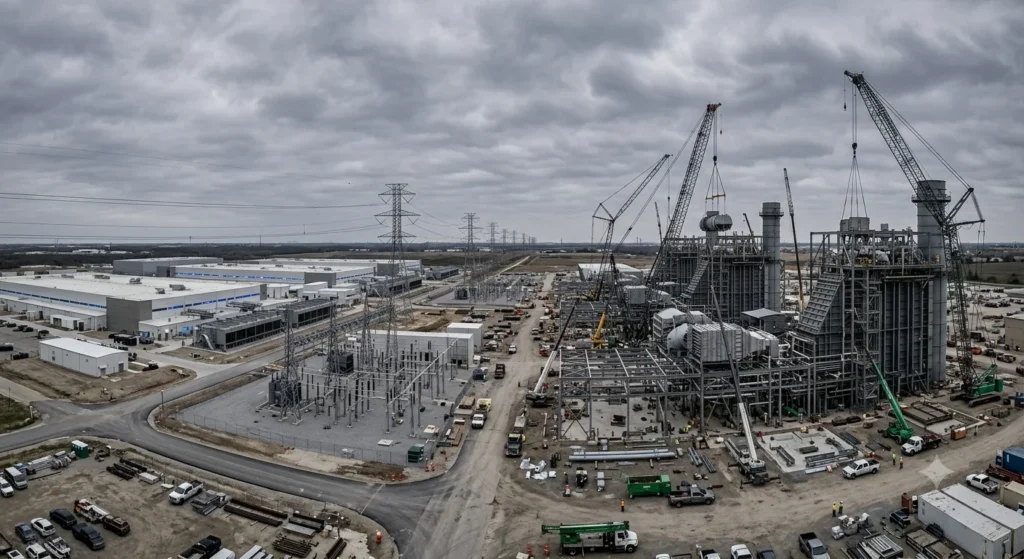
Artificial intelligence is rewriting the economics of energy infrastructure. Tech companies are building natural gas power plants at a pace
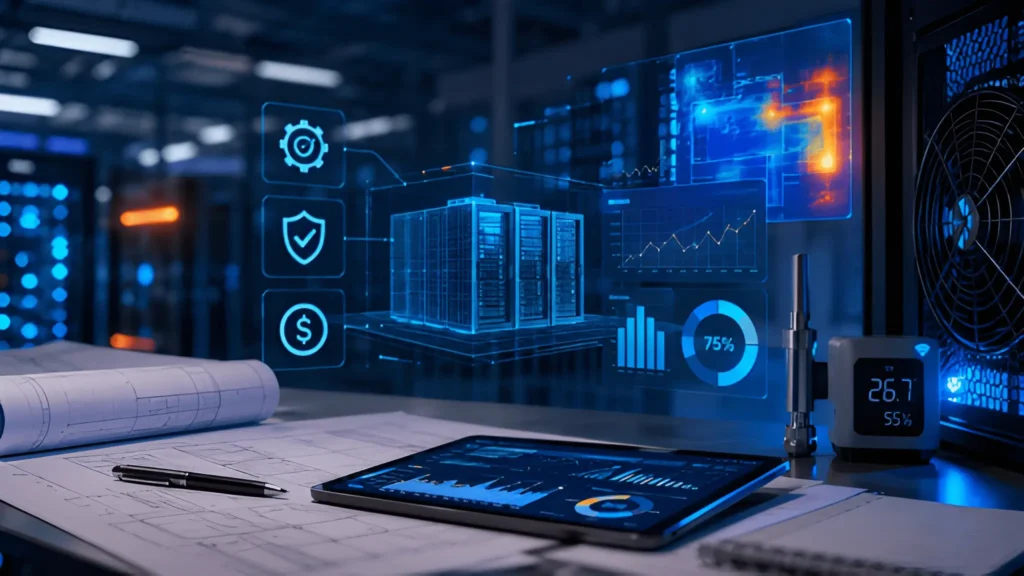
Modern inference infrastructure rarely fails because processors lack computational capability. It struggles because the physical environment surrounding those processors often
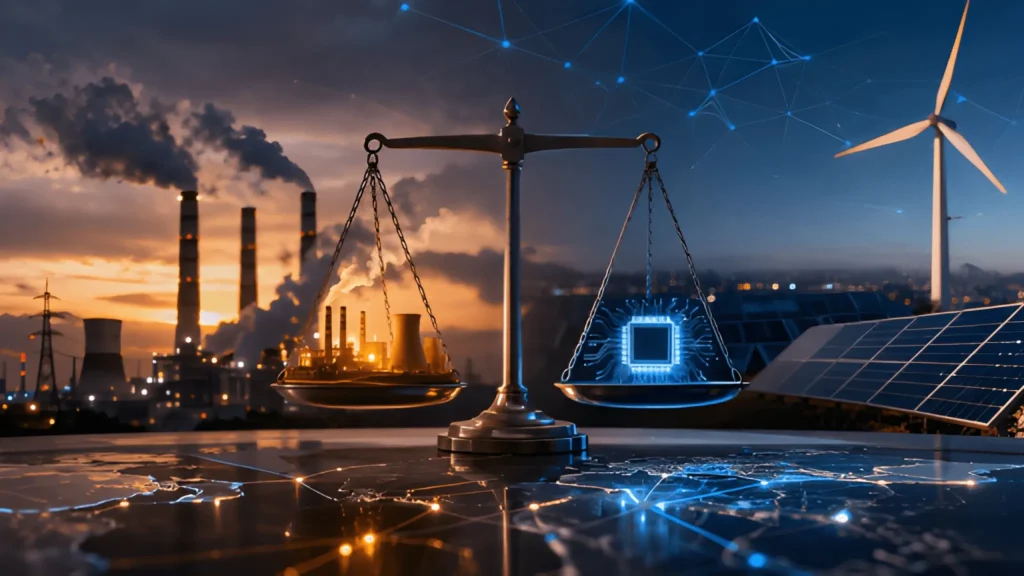
Artificial intelligence infrastructure has shifted from a technology discussion into a national infrastructure priority that reaches far beyond computing facilities.
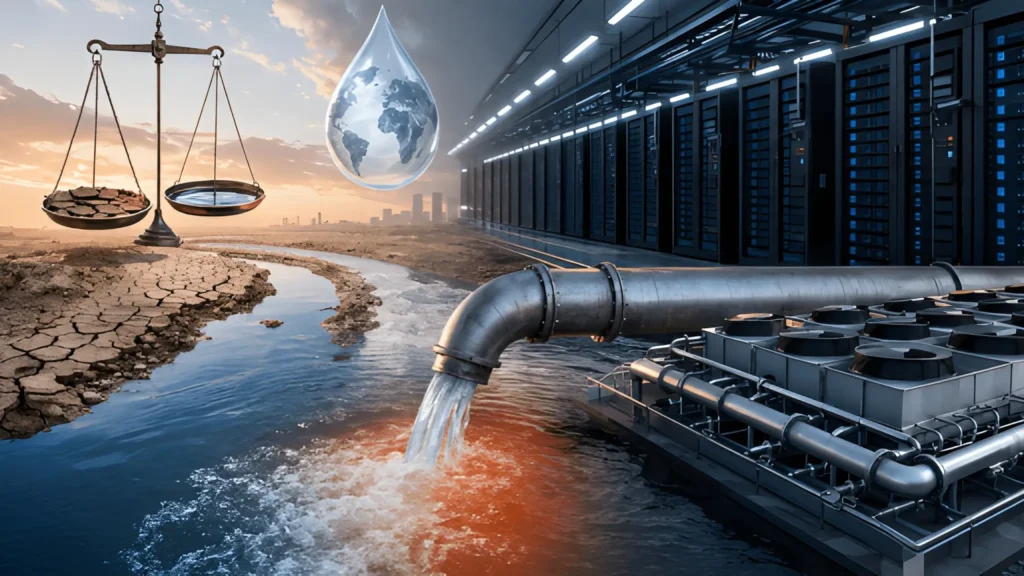
Modern infrastructure planning increasingly evaluates water regulation alongside electricity availability because environmental permitting requirements can materially influence project development, operating

The artificial intelligence industry has become remarkably effective at measuring almost everything inside a data center. Operators track processor utilization,
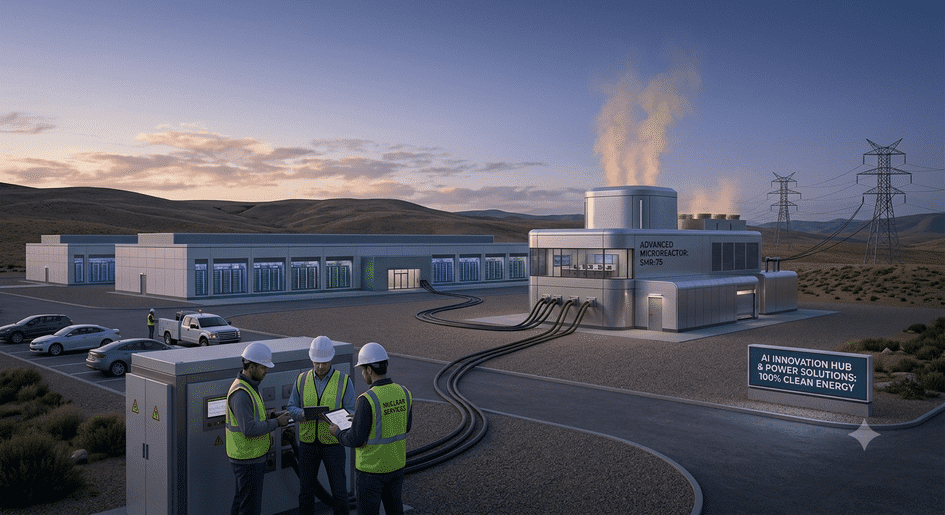
Artificial intelligence has quietly become one of the hungriest consumers of electricity on the planet. Every new model trained, every

For decades, artificial intelligence stayed confined to digital environments. Screens, servers, and cloud pipelines defined its boundaries. Traditional computing designs
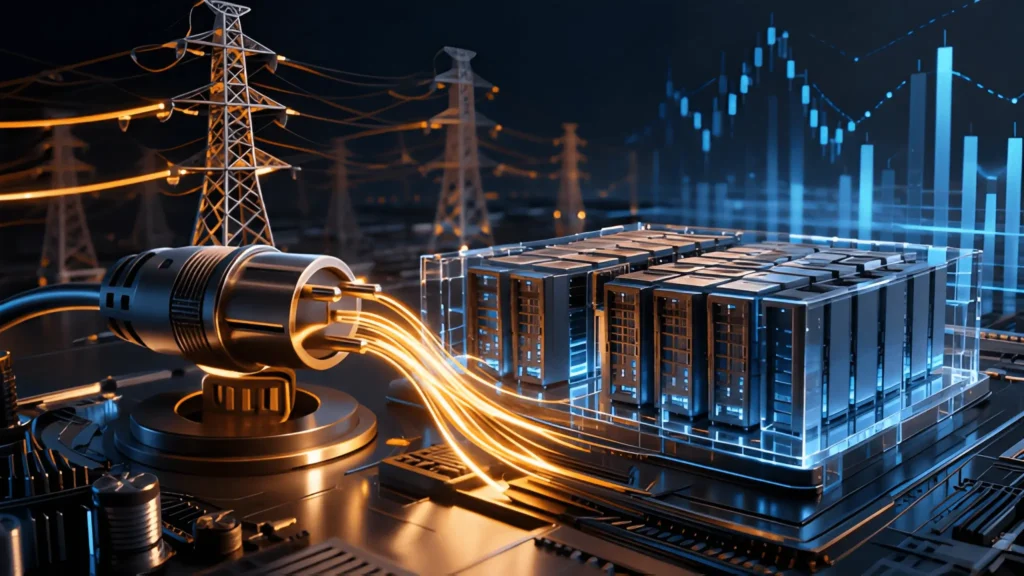
Artificial intelligence infrastructure no longer depends only on engineering execution or construction speed because financing now shapes deployment decisions from
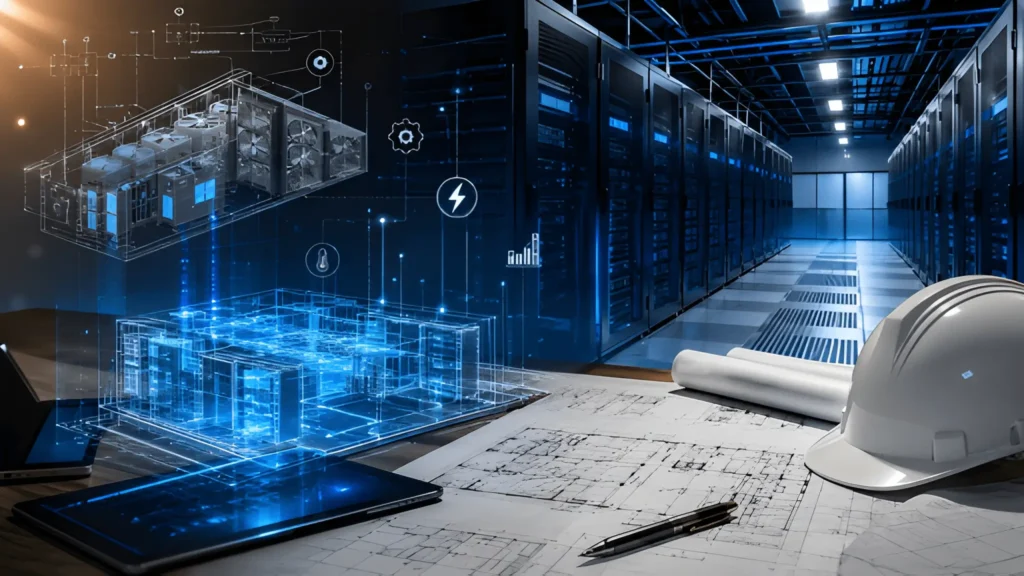
Modern AI-focused data center leasing often moves beyond discussions of available land, rentable area, and electrical capacity early in the
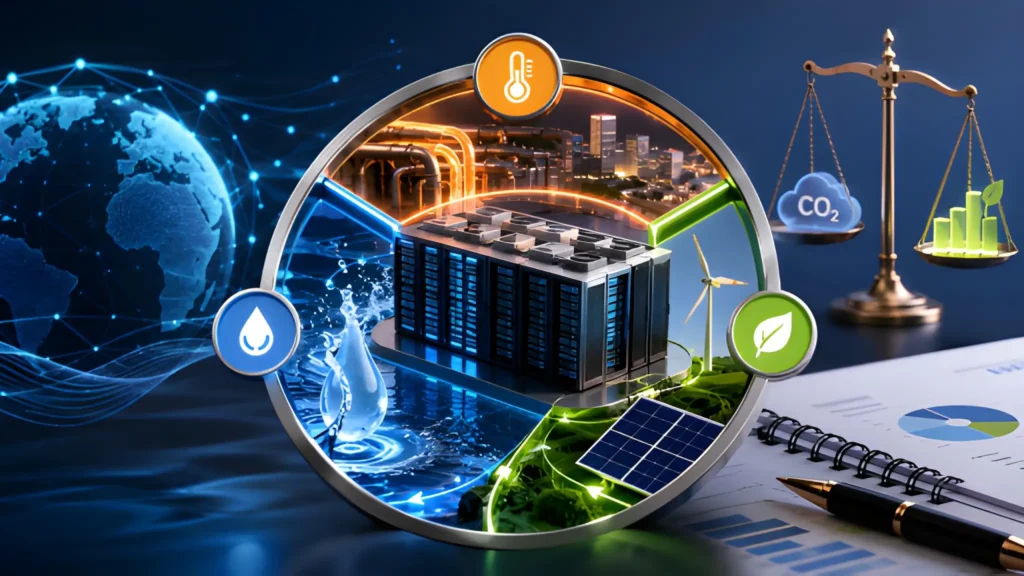
A generation of infrastructure strategy grew around one deceptively simple number. Power Usage Effectiveness became the shorthand for operational discipline
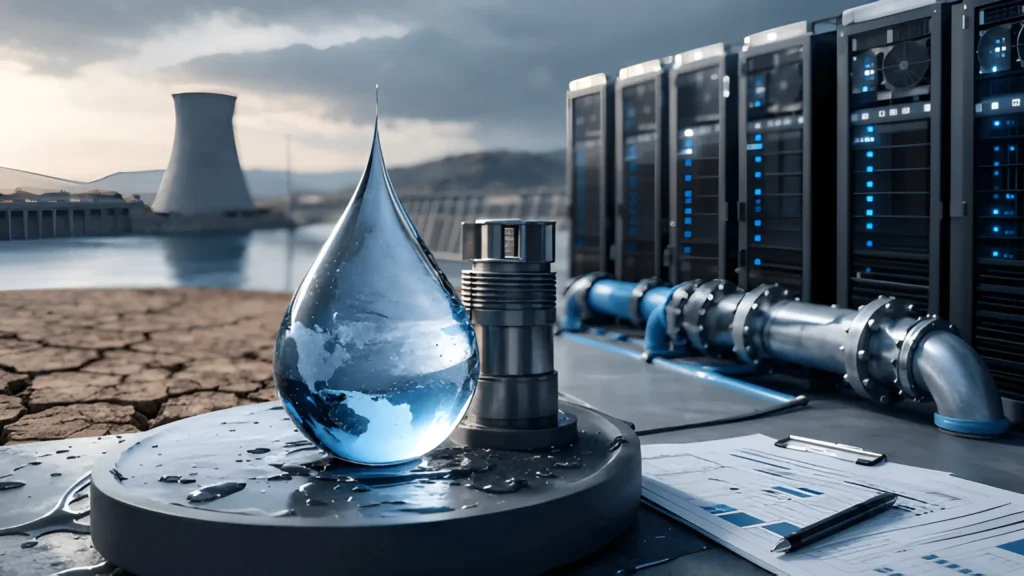
Large-scale AI infrastructure no longer depends only on electricity, fiber connectivity, or available land. Cooling capacity increasingly determines whether a

Asia-Pacific’s New Compute Race Artificial intelligence infrastructure is entering a new phase across the Asia-Pacific region. Instead of relying solely
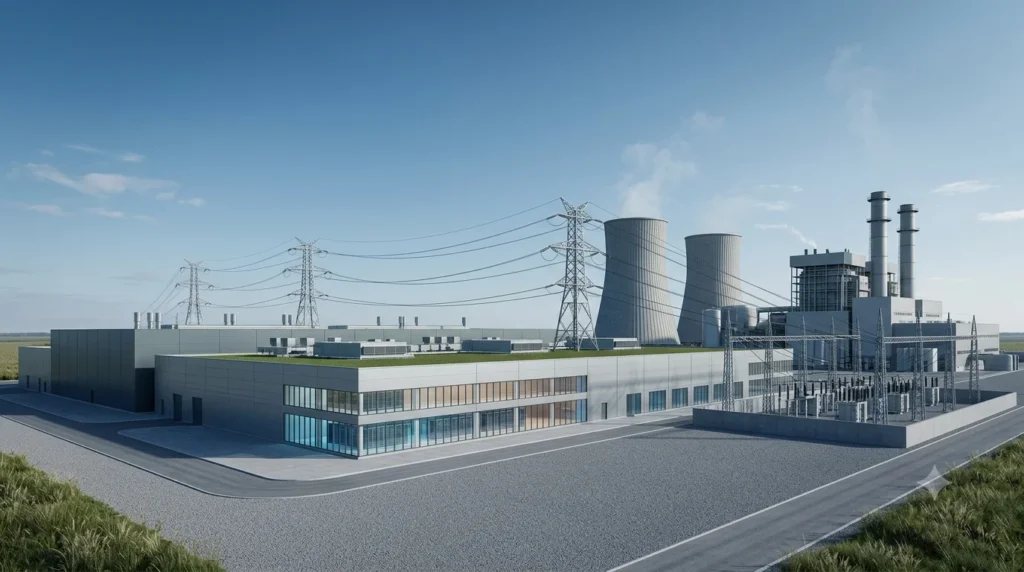
Artificial intelligence is changing more than computing. It is transforming electricity markets at an unprecedented pace. Every new AI data
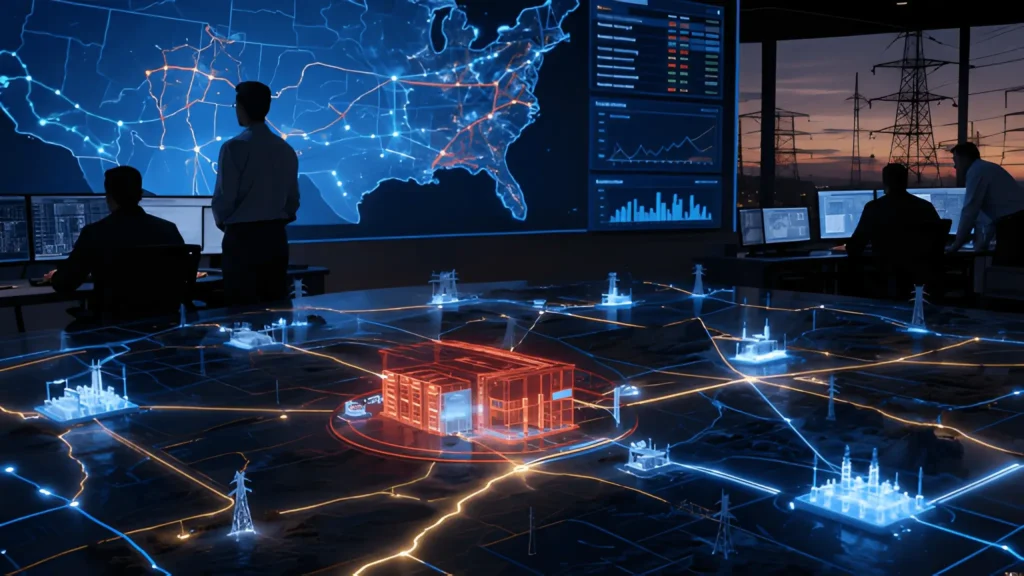
Utility planners evaluate each request against transmission capability, protection schemes, voltage stability, generation dispatch, and long-term reliability before allowing a
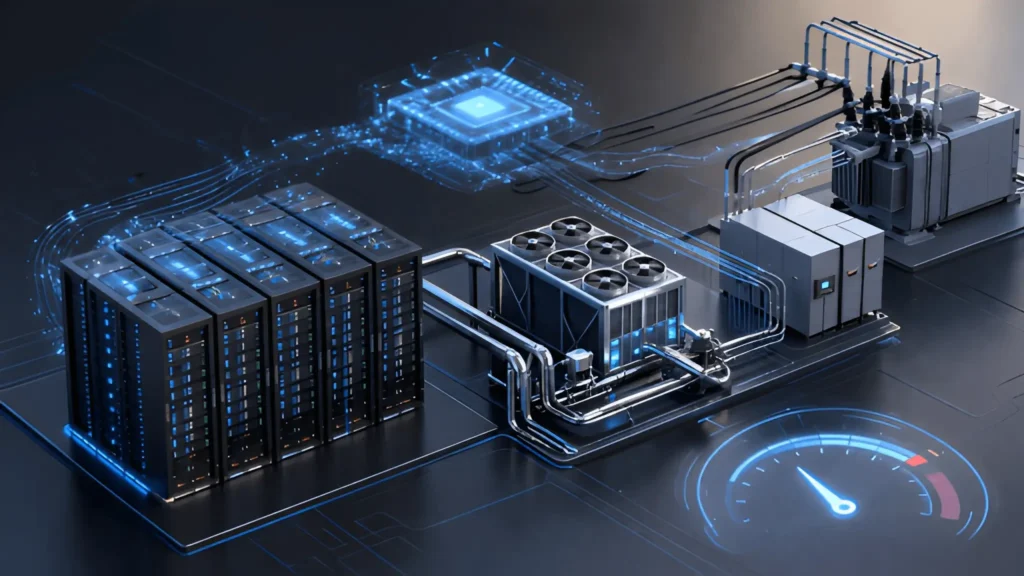
Artificial intelligence companies often spend months refining infrastructure roadmaps before entering investor discussions, yet many still overlook the operational constraint
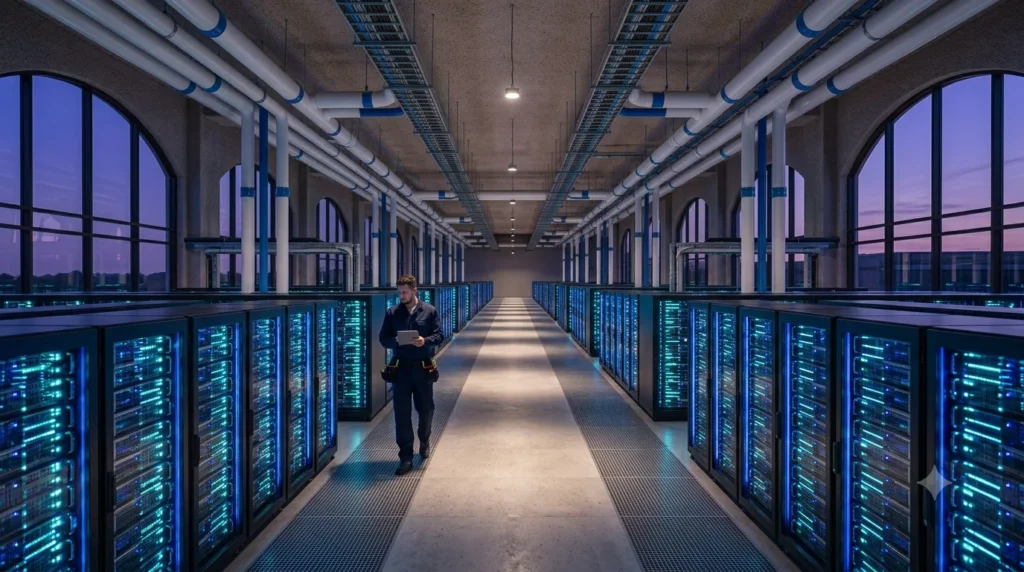
Wall Street wants growth this quarter, not clean power in 2032. That single fact explains why Microsoft, Amazon, and Meta
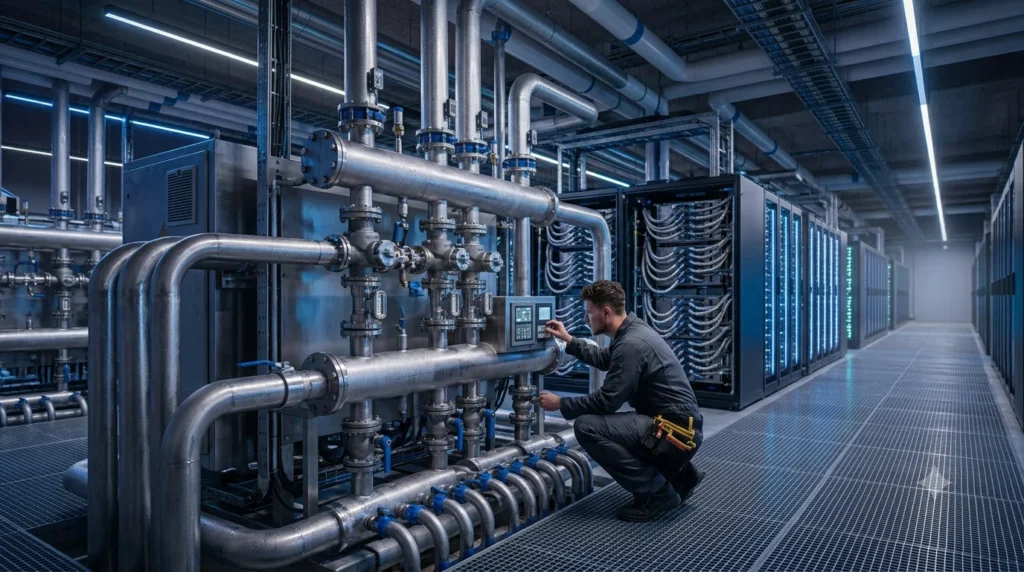
Mechanical engineers inside data halls face a problem air handling units were never built to solve. A single accelerated computing